
Pakistan’s infrastructure push — from urban water supply upgrades to rural irrigation and gas distribution networks — demands robust, reliable HDPE pipe welding solutions. Choosing the right butt fusion equipment improves joint integrity, accelerates installation, and reduces long-term maintenance costs for contractors and utilities across the country.
Why HDPE Butt Fusion Works Well in Pakistan
Durability in varied climates: HDPE resists corrosion, chemical exposure, and UV degradation — ideal for Pakistan’s hot summers and monsoon seasons. Projects in coastal Sindh, riverine Punjab and mountainous Khyber Pakhtunkhwa require joints that withstand thermal expansion and ground movement.
- Leak-free connections reduce water losses in municipal networks.
- Lightweight pipes and portable welding machines support remote site work in rural and mountainous regions.
- Long service life lowers total cost of ownership for utilities and contractors.
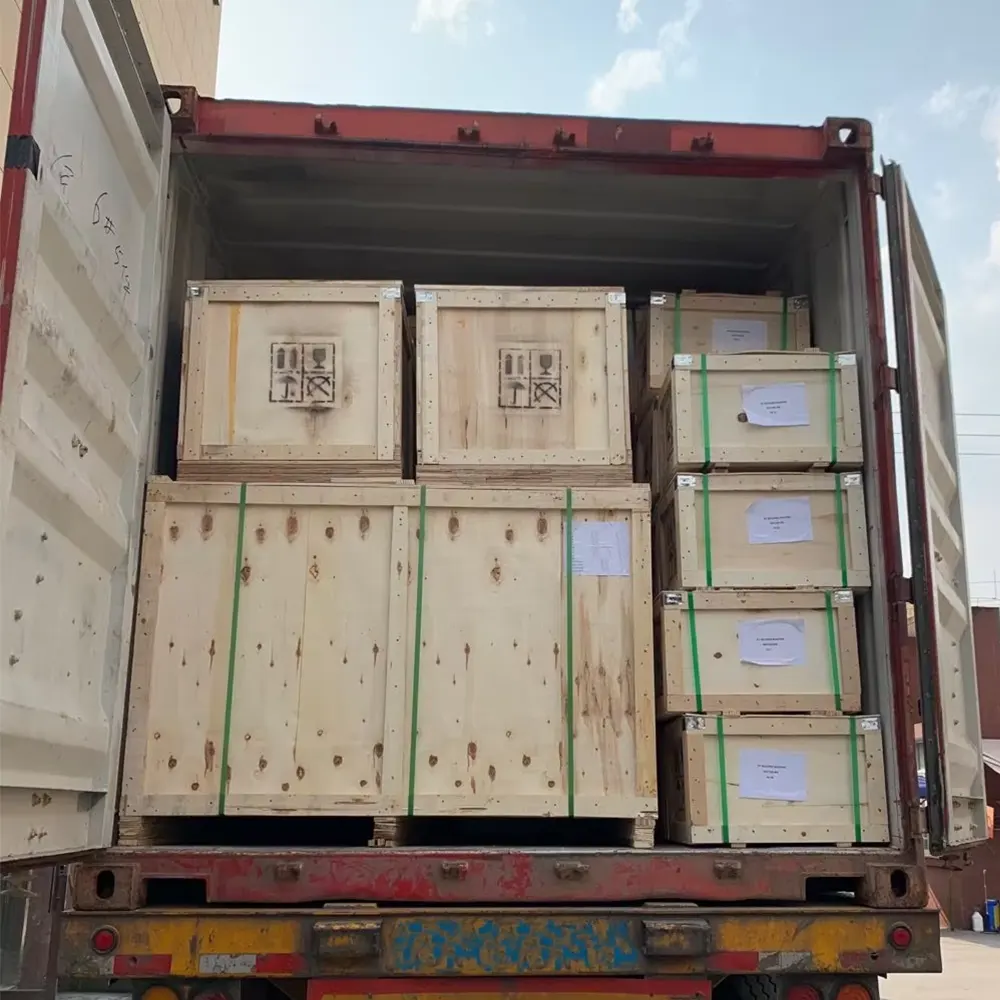
Tailored Welding Options for Pakistani Projects
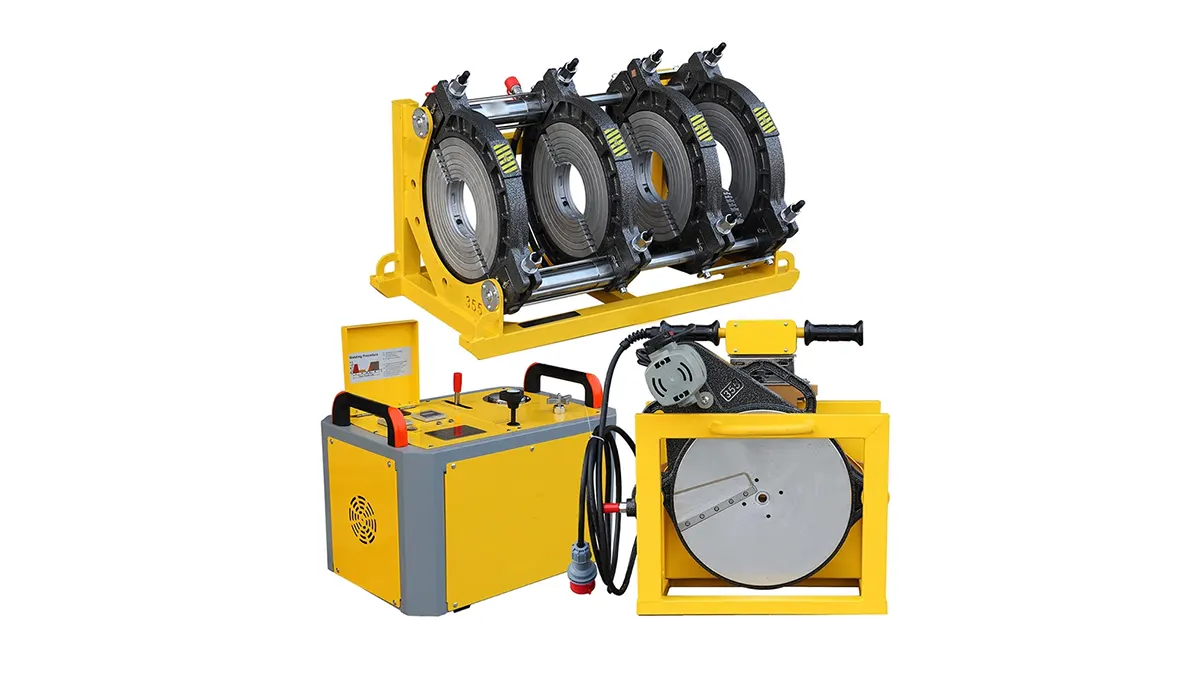
Manufacturers offer a range of machines to match project scale: manual bench units for small village repairs, hydraulic frames for medium-diameter mains, and CNC automatic systems for large-diameter pipelines used in municipal and industrial projects.
Compare Typical Models
| Model Type | Pipe Diameter Range | Best For |
|---|---|---|
| Manual Bench / Portable | 20–160 mm | Field repairs, rural water schemes |
| Hydraulic Frame | 160–1000 mm | Municipal water mains, gas distribution |
| CNC Automatic Butt Fusion | 250–2250 mm+ | Large diameter pipelines, industrial projects |
Local Use Cases & Considerations
In Pakistan, common applications include potable water distribution, sewer conveyance, agricultural irrigation networks, gas pipelines in urban areas, and mining or industrial fluid transport. Contractors should evaluate site accessibility, power availability, and skilled operator presence when selecting equipment. Portable units perform well for scattered rural installations; heavier hydraulic and automatic units fit centralized urban projects.
Key Features to Prioritize
- Precise alignment and clamping — reduces rework and ensures joint strength.
- Reliable heating plates with accurate temperature control to meet ISO/EN fusion parameters.
- Hydraulic systems with pressure stability for consistent fusion quality under variable site conditions.
- Traceable records or data-logging for quality assurance on municipal contracts.
Buying Guide & Maintenance Tips
When procuring a machine, confirm spare part availability, local service support, and operator training options. Regular maintenance — cleaning heating plates, checking hydraulic oil and seals, and calibrating temperature controls — extends machine life and maintains weld integrity. For coastal or high-humidity environments, protect electrical components and store heating plates in dry conditions.
For dependable butt fusion machines and expert guidance tailored to Pakistani projects, visit https://jq-fusionwelding.com/ to explore model options and support services.



