
Guatemala’s growing infrastructure needs — from urban water networks in Guatemala City to rural irrigation projects in the Highlands — require durable, efficient solutions for joining HDPE pipelines. Reliable pipe fusion machines deliver leak-free joints that withstand tropical rainfall, varied terrain, and seismic stress, ensuring long-term performance for municipal and private projects.
Why Butt Fusion Machines Matter in Guatemala
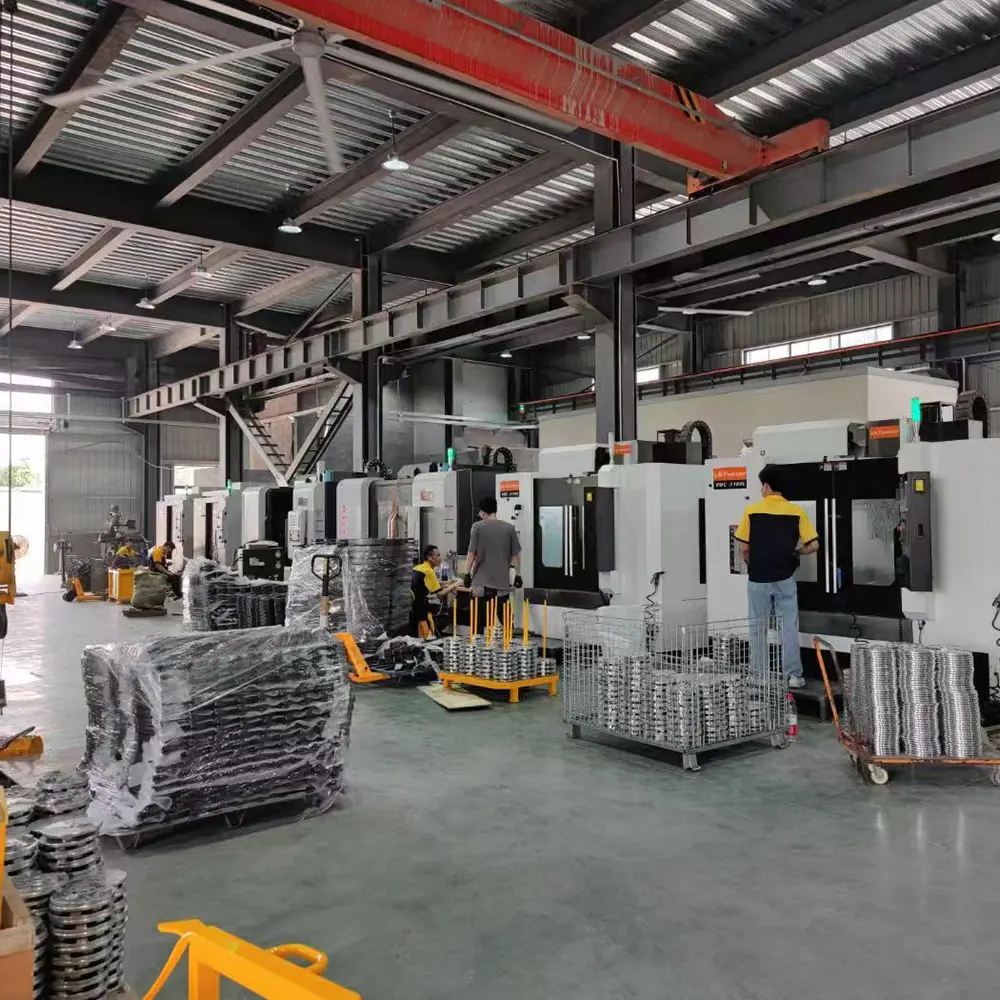
Butt fusion welding is the preferred method for HDPE pipe joining across Guatemala because it produces homogenous, corrosion-resistant joints ideal for water supply, gas distribution, and mining pipelines. The method is well-suited to local conditions: it resists soil movement, reduces maintenance in remote communities, and performs reliably under high humidity and seasonal floods.
Key Benefits for Local Contractors
Durability: HDPE joints made by fusion are seamless and long-lasting. Mobility: Portable manual and hydraulic units allow crews to work in steep, remote mountain villages. Cost-efficiency: Lower long-term repair needs compared with mechanical fittings reduce total project cost.
Common Applications in Guatemala
Typical uses include potable water mains in urban expansions, gravity-fed irrigation systems in the western valleys, buried gas distribution lines in developing subdivisions, and process pipelines for quarry and mining operations.
Types of Pipe Fusion Machines — Which Works Best?
The three main categories of fusion machines serve different project scales and site conditions:
Manual Frame Machines
Best for small-diameter pipes, community waterworks, and sites with limited access. They are lightweight, simple to operate, and affordable for municipal crews.
Hydraulic Butt Fusion Machines
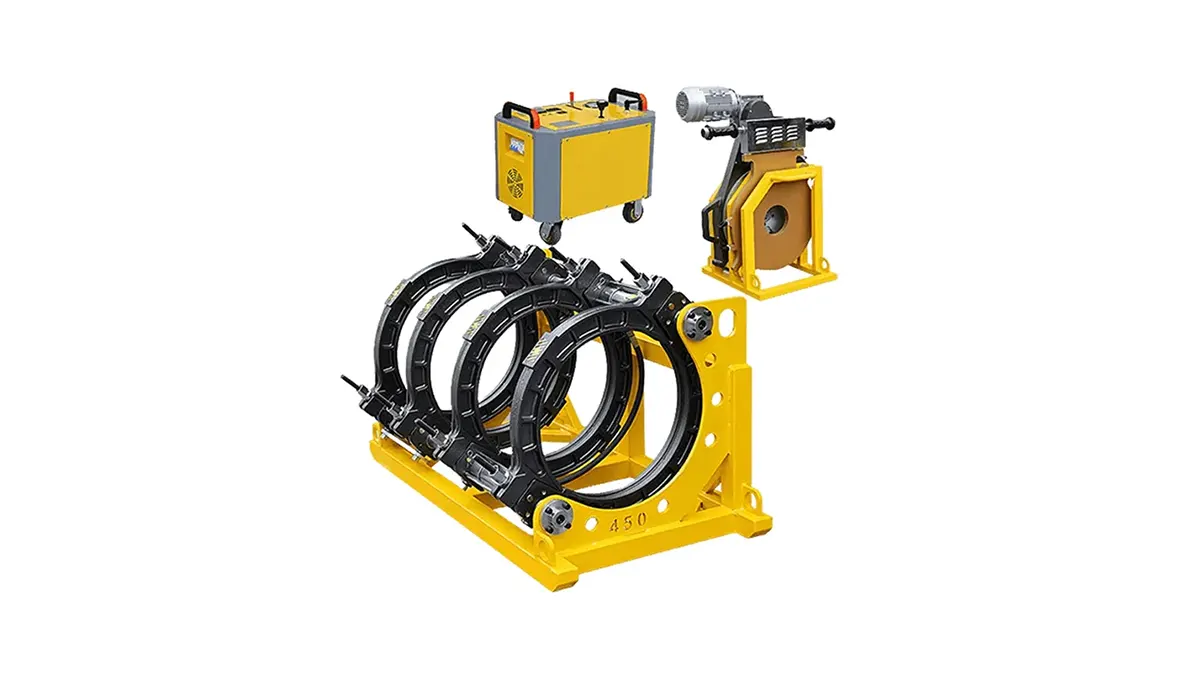
Designed for medium to large diameters where higher clamping force and faster cycle times are required. These units are common for municipal projects and contractors handling long pipeline runs.
CNC Automatic Machines
Ideal for high-volume production, large-diameter mains, and projects needing precise, repeatable weld records. They reduce operator variability and improve throughput on big infrastructure contracts.
Quick Comparison Table
| Model Type | Best For | Typical Diameter Range | Field Suitability |
|---|---|---|---|
| Manual Frame | Small community works | 20–160 mm | Lightweight, very portable |
| Hydraulic Unit | Municipal pipelines | 160–1200 mm | Robust for uneven terrain |
| CNC Automatic | Large projects, record keeping | 250–2000 mm+ | High precision, less operator dependency |
Site Preparation and Operator Training
Proper joint quality begins before welding: clean pipe ends, level bedding, and stable frames prevent misalignment. Training local teams on heating time, fusion pressure, and bead formation is critical — especially where crews face seasonal weather changes. For many Guatemalan contractors, a short on-site training session dramatically reduces rework and improves safety.
Maintenance Tips for Tropical and Mountain Conditions
Keep heating plates clean and protected from humidity; store sensitive electronics in waterproof cases; and use corrosion-resistant components on hydraulic systems. Routine calibration checks and test welds are recommended after long transport or heavy rain to maintain consistent joint quality.
Procurement & Local Support
When sourcing equipment, consider availability of spare parts, training options, and service response time. JQ-Fusion provides a full range of manual, hydraulic, and CNC automatic butt fusion welding machines and offers tailored advice for projects in Central America (jq-fusionwelding.com).
Final Considerations
Select a fusion machine that matches your average pipeline diameter, expected monthly welding volume, and the typical working environment — whether it’s dense urban streets or remote mountain trails. With the right equipment and operator training, Guatemalan projects can achieve reliable, long-lasting HDPE joints that reduce downtime and deliver value across municipal and private sectors.



