
Choosing the right pipe fusion machine in Ethiopia combines technical needs with on-the-ground realities: remote sites, varied terrain from highlands to lowlands, intermittent power, and projects ranging from city water networks to rural irrigation and gas distribution. This guide covers practical uses, buying considerations, and best options to help contractors, municipal engineers, NGOs, and project managers select machines that deliver durable HDPE pipeline joints in Ethiopia’s conditions.
Why Pipe Fusion Is the Preferred Method in Ethiopia
Butt fusion and electrofusion create homogeneous, leak-free joints ideal for HDPE pipes used in drinking water, irrigation, and gas. In Ethiopia, long-term durability and low maintenance are crucial because many installations are remote and require robust performance under temperature swings, UV exposure, and rugged terrain. Fusion eliminates mechanical joints that can corrode or loosen, reducing long-term operational costs.
Common Uses Across Ethiopian Sectors
-
Municipal Water Supply: Mainlines and service connections for cities like Addis Ababa and regional towns.
-
Irrigation & Agriculture: Durable field mains and lateral lines for large irrigation schemes in the Rift Valley and Afar lowlands.
-
Rural Electrification & Gas Distribution: Conduits and protected gas lines where leak-free joints are mandatory.
-
Mining & Industrial: Heavy-duty hydraulic machines for large-diameter pipelines in industrial projects.
Types of Pipe Fusion Machines to Consider
Match machine type to site conditions and pipe sizes:
-
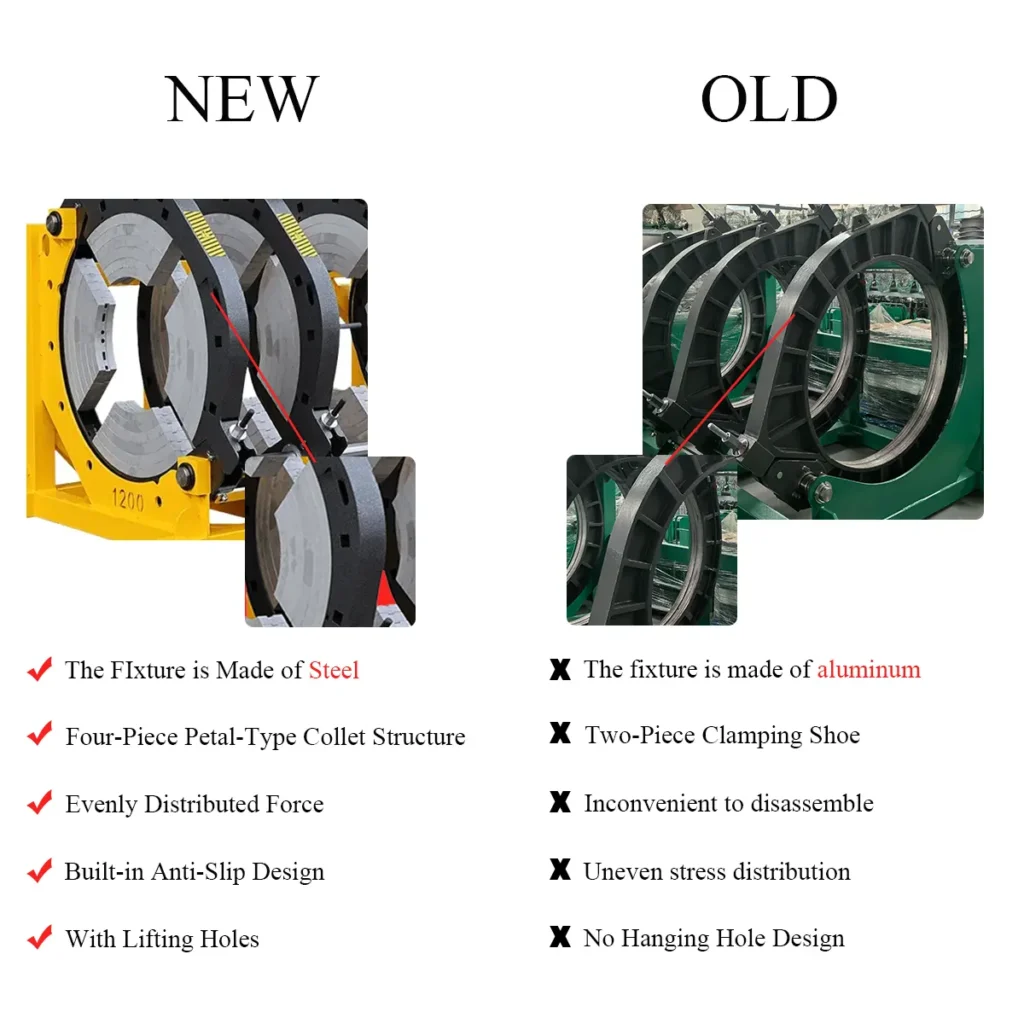
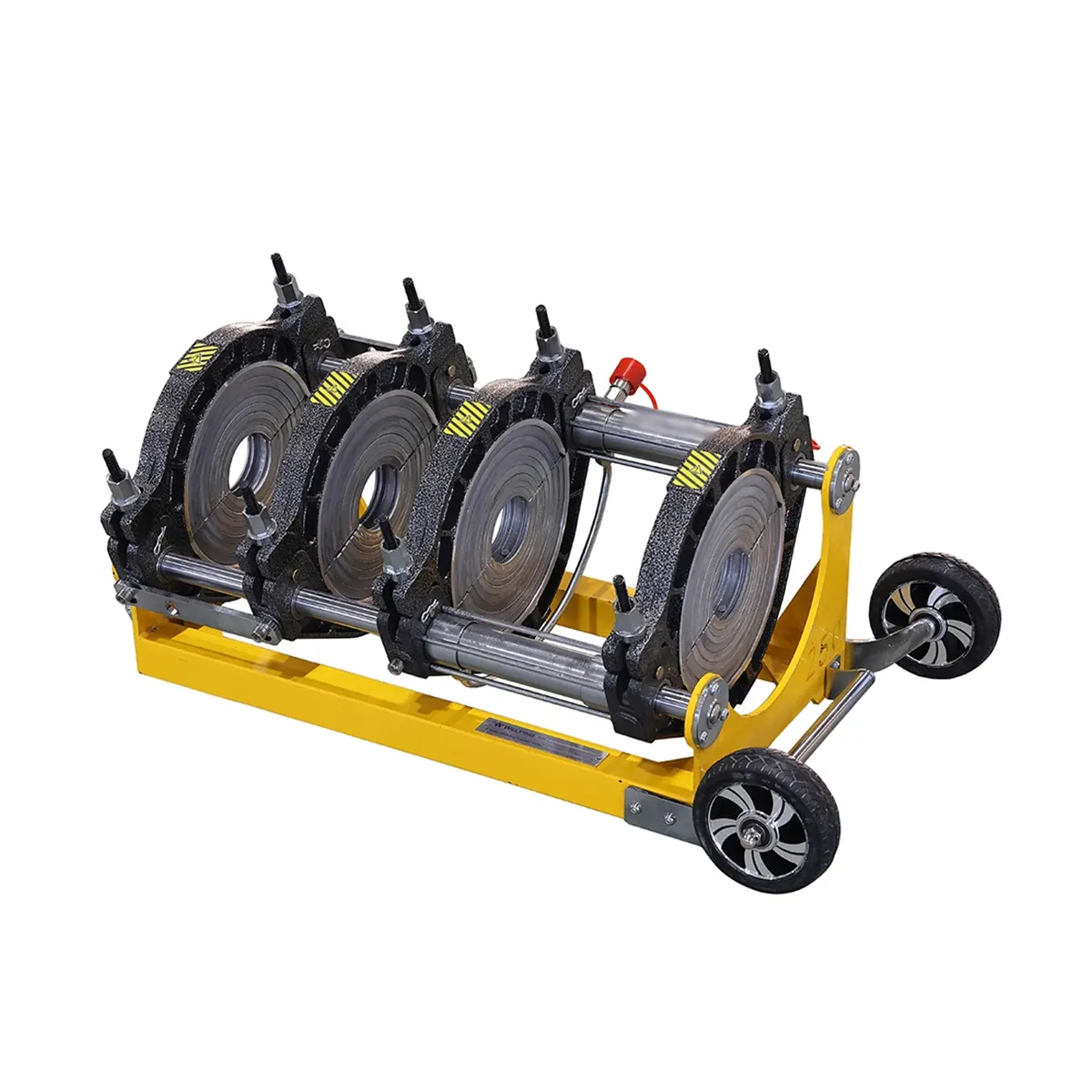
Manual/Portable Butt Fusion Machines: Best for field repairs, small-diameter pipes (16–315mm), and operations that need portability.
-
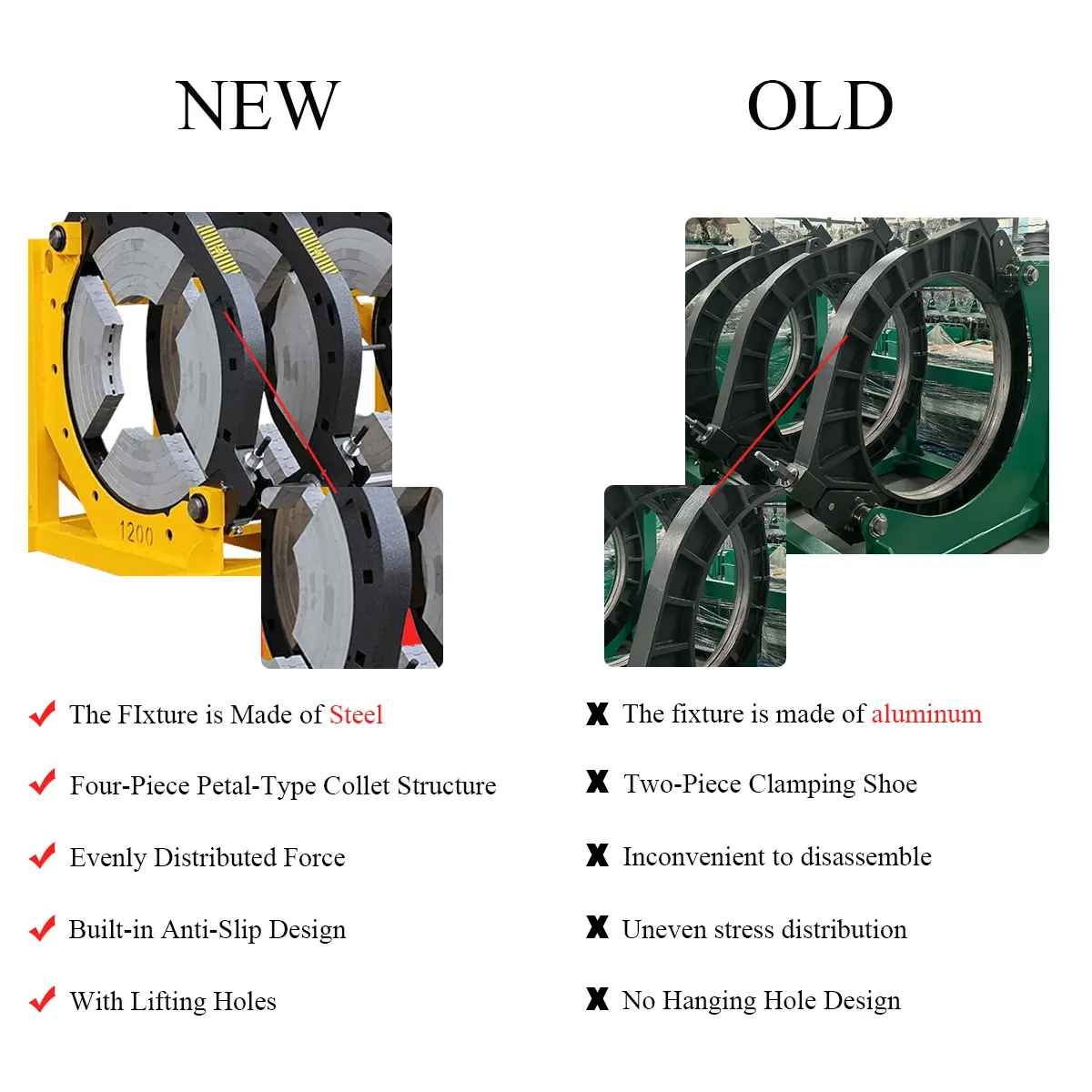
Hydraulic Butt Fusion Machines: Ideal for medium to large diameters (250–2000mm+), heavy-duty pipeline construction with higher precision and clamping force.
-
Automatic/CNC Butt Fusion Machines: Recommended for contractors building long stretches of pipeline or working with a variety of diameters—higher throughput and data recording.
-
Electrofusion Machines: Used for fittings, repair collars, and where mechanical simplicity and controlled heating cycles are important (smaller diameters and complex fittings).
Quick Comparison Table — Typical Picks for Ethiopian Projects
| Scenario | Recommended Machine Type | Why |
|---|---|---|
| Small rural irrigation projects | Manual butt fusion (portable) | Low cost, easy transport, reliable for <200mm pipes |
| Urban water mains | Hydraulic butt fusion | High precision and strength for large diameters |
| Long pipeline contracts | Automatic/CNC fusion | Consistency, speed, weld records for quality control |
| Repair and fittings | Electrofusion | Simple operation and ideal for complex joints |
Buying Guide — Technical and Local Considerations
When purchasing a fusion machine for Ethiopia, evaluate:
-
Pipe Diameter Range: Ensure clamps and heating plates cover the maximum pipe sizes you plan to weld.
-
Portability vs. Power: Remote rural projects need lighter, manual units; urban/large works require hydraulic or automatic units—check power source compatibility.
-
Power & Fuel Availability: If mains electricity is unreliable, consider diesel generators, battery-powered controls, or machines with low power draw.
-
Spare Parts & Service: Choose suppliers that can ship spare heaters, clamps, and cartridges quickly or provide local agent support.
-
Training & Documentation: On-site operator training and clear fusion procedure documentation improve joint quality and reduce rework.
-
Compliance & Certification: Ask for welding procedure specifications, quality records, and relevant ISO/CE certificates.
Cost Factors to Budget For
Machine price is only part of the total procurement cost. Include:
-
Shipping, customs clearance, and local taxes.
-
Training, calibration, and maintenance kits.
-
Spare parts inventory for fast field repairs.
-
Fuel or generator costs when working off-grid.
Best Options by User Type
-
Small Contractors / NGOs: Lightweight manual butt fusion machines for flexibility and lower capital cost.
-
Municipal Utilities: Robust hydraulic machines for larger diameters and frequent network work.
-
Large Pipeline Contractors: Automatic/CNC machines for high throughput, weld traceability, and consistent quality.
-
Service & Repair Crews: Electrofusion units for quick on-site repairs and fittings replacement.
Maintenance, Training & Field Best Practices
Regular calibration of heating plates, keeping clamping surfaces clean, and using proper chamfering/trimming tools are essential. Conduct fusion trials before full production and document parameters. Invest in operator training to follow recommended heat, dwell, and cooling times — this reduces failures and extends service life.
Procurement Tips for Ethiopia
Work with suppliers who understand Ethiopian logistics and can advise on packaging for road transport, customs paperwork, and spare parts stock. Local partnerships or regional distributors speed up support, especially during the rainy season when access is limited.
Trusted Manufacturer Mention
For reliable butt fusion equipment and global supply experience, consider contacting JQ-Fusion for model options, training packages, and spare parts support: https://jq-fusionwelding.com/
Final Checklist Before You Buy
-
Confirm pipe sizes and SDR ratings to match welding capacity.
-
Verify local power availability or arrange portable generation.
-
Require training and spare-part lead times in the contract.
-
Ask for welding records, test reports, and warranty terms.
Ready to specify a machine? Start with a site assessment, list the most common pipe diameters you will weld, and prioritize features like portability or automation based on project scale. Proper selection pays off with reliable, long-lasting pipelines that meet Ethiopia’s development needs.



