
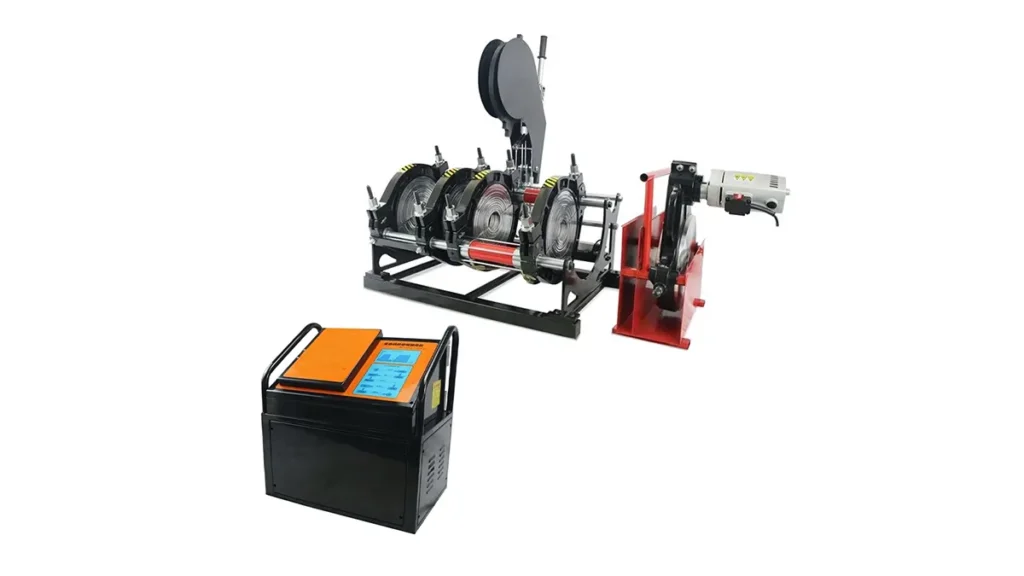
This PE pipe construction welding machine operation training process guides technicians and supervisors through safe, repeatable butt fusion welding steps for HDPE/PE pipes. The curriculum balances safety, practical machine operation, quality control, and documentation to ensure joints meet project specifications and regulatory standards.
Training Objectives
Primary goals: build operator competence in butt fusion procedures, reduce joint failures, and ensure consistent weld quality across construction sites. After training, operators should be able to prepare, operate, troubleshoot, and record HDPE fusion welds independently.
Who should attend
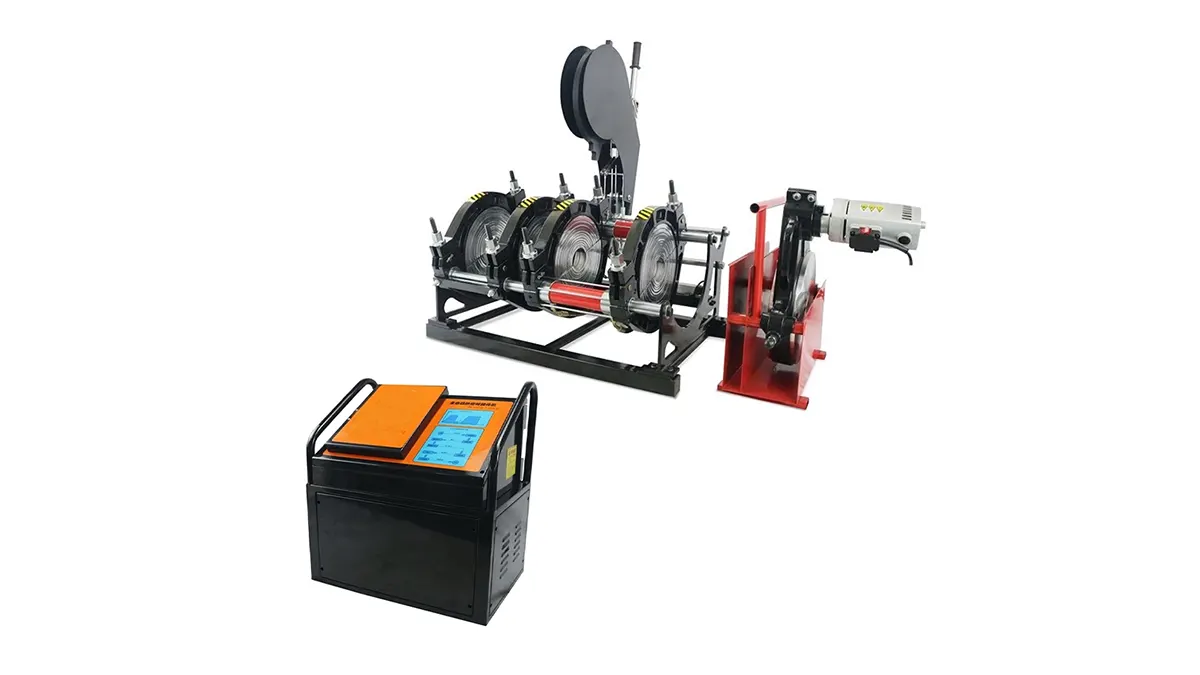
Field welders, site supervisors, maintenance staff, and quality control inspectors involved in water, gas, mining, or industrial pipeline projects. Training content is practical and tailored to both manual and hydraulic/CNC butt fusion equipment.
Pre-Training Preparation
Provide trainees with the following before hands-on sessions:
- Equipment list and user manuals for the welding machines on site.
- Basic PPE and inspection tools (calipers, scraper, face shield, infrared thermometer).
- Sample pipe sections and scrap material for practice welds.
Safety & Personal Protective Equipment (PPE)
Mandatory PPE: safety helmet, gloves resistant to heat and oils, safety boots, eye protection, and high-visibility clothing. Emphasize safe handling of heaters, cutters, and hydraulic components.
Hands-On Welding Machine Operation Steps
The practical session is divided into clear stages. Trainers should demonstrate first, then supervise each trainee performing the full cycle.
1. Machine and Site Setup
Verify machine inspection items: clamp condition, heater plate cleanliness, alignment guides, hydraulic hoses, control unit calibration, and emergency stop functionality. Confirm stable, level ground and pipe support blocks.
2. Pipe Preparation and Alignment
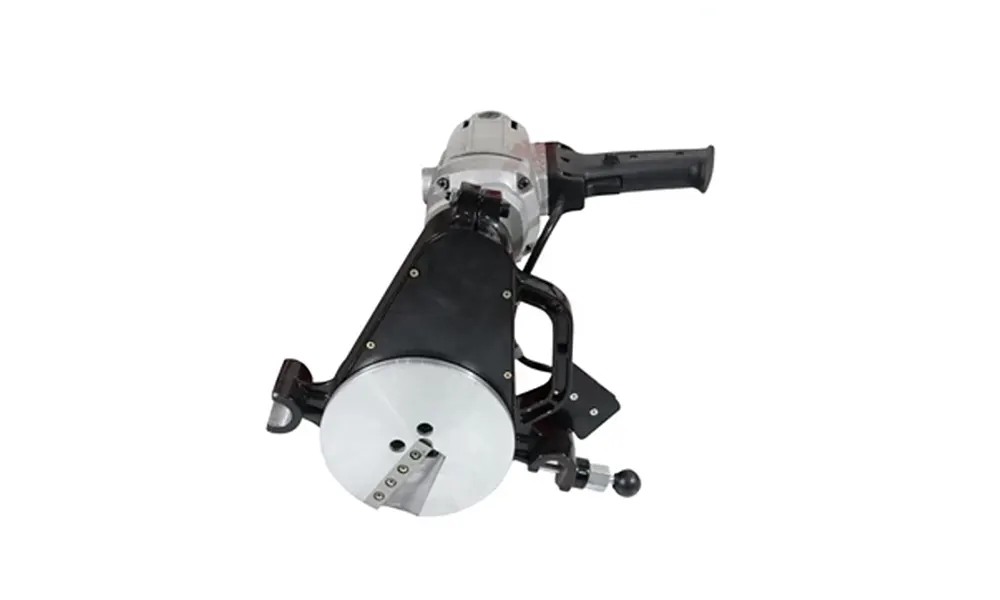
Clean pipe ends, check for scratches or contaminants, and use facing/trimmer tools to remove oxides and produce square ends. Accurate alignment using machine clamps is critical to prevent eccentricity.
3. Heating and Fusion Control
Set the heater plate to the specified temperature for the pipe material and diameter. Follow manufacturer-recommended heating and upset times. Use controlled pressure during heating and joining phases to achieve the correct melt bead and internal fusion.
4. Cooling and Final Inspection
Maintain clamps and pressure during the cooling phase per guidelines. Inspect the external bead, check for flash uniformity, and perform visual/ non-destructive tests as required. Record measurements and accept/reject criteria.
Typical Process Parameters Table
| Process Stage | Typical Value / Range | Notes |
|---|---|---|
| Facing / Trimming | 0–0.5 mm tolerance | Square face, no burn marks |
| Heater Plate Temp | 200–240°C (material dependent) | Follow pipe PE grade recommendations |
| Heating Time | 30 s – 10 min (by diameter) | Adjust for wall thickness and diameter |
| Upset / Fusion Pressure | 0.1–1.0 MPa (varies by machine) | Controlled ramp to avoid extrusion voids |
| Cooling Time | 5–60 min (by diameter) | Keep clamps engaged until cooled to safe temp |
Quality Control & Testing
Teach operators how to perform visual inspection, dimensional checks, peel tests (where applicable), and pressure testing per project QA/QC plans. Emphasize documentation: weld ID, machine ID, operator, parameters, and photos.
Common Troubleshooting Tips
- Uneven bead: recheck alignment and facing quality.
- Insufficient fusion: verify heater temp, heating time, and clean heater surface.
- Excessive flash or cold welds: adjust heating time or upset pressure.
- Hydraulic drift or leaks: perform maintenance and replace seals promptly.
Maintenance & Post-Training Follow-up
Routine maintenance is essential: clean heater plates after each use, inspect clamps and hydraulic lines, calibrate control units periodically, and schedule refresher training. Encourage trainees to log issues and corrective actions.
Recordkeeping and Certification
Train site managers to maintain weld records and certify operators after competency demonstrations. A clear traceable record improves project accountability and supports warranty/acceptance testing.
Trainer Checklist
- Demonstrate a full weld cycle on the actual machine model used on site.
- Ensure each trainee completes at least two supervised welds and receives feedback.
- Provide written step-by-step job aids and parameter charts for common pipe diameters.
JQ-Fusion supplies a range of HDPE butt fusion machines and can support training programs with machine-specific guidance and spare parts for field teams.



