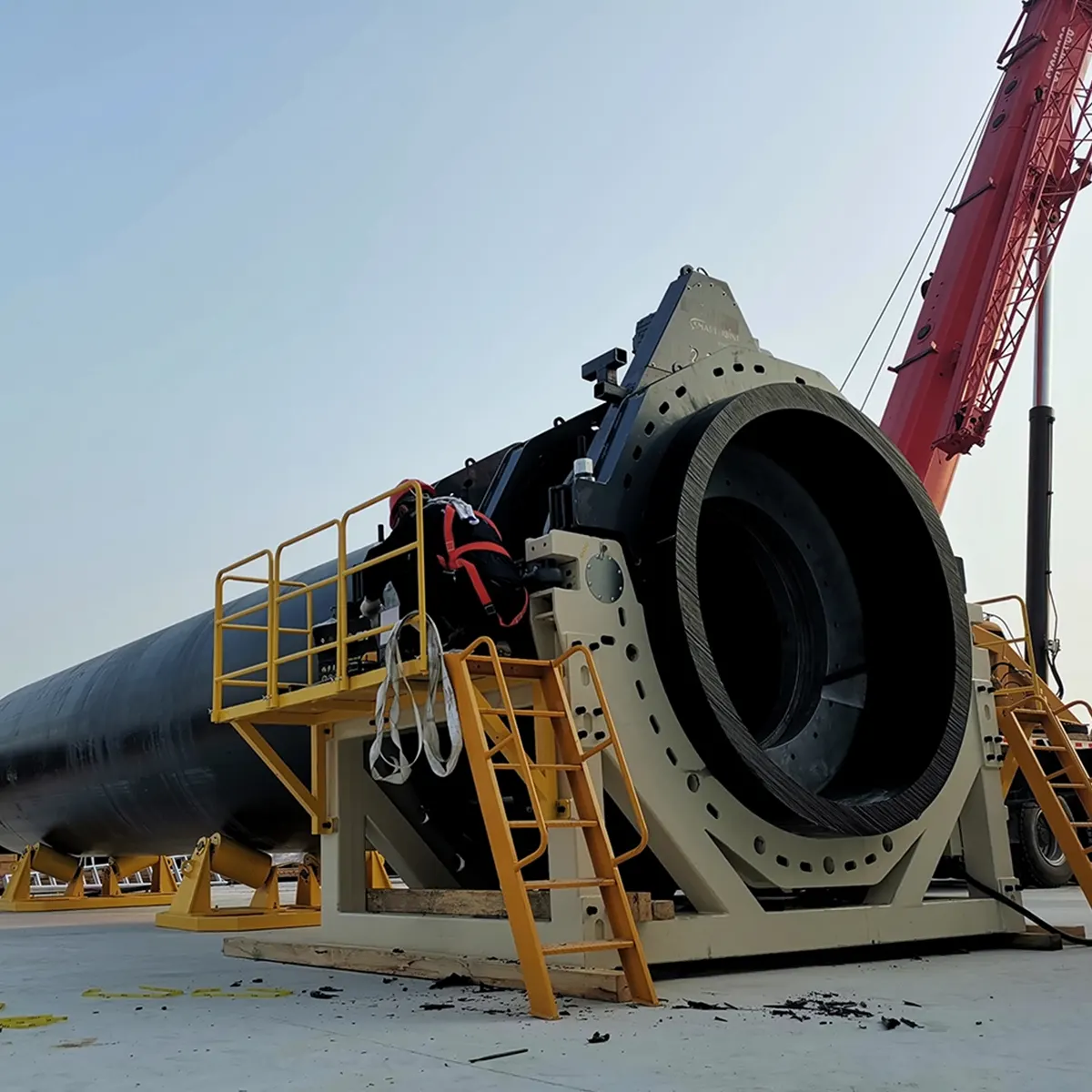
Investing in a hydraulic butt fusion welding machine for large diameter pipes is a critical decision for contractors and project managers handling major water, gas, and industrial pipeline networks. Unlike smaller manual units, these heavy-duty systems must deliver consistent, high-integrity welds on HDPE pipes often exceeding 800mm in diameter. This comprehensive buying guide breaks down the essential factors, technical specifications, and key features you need to evaluate before making your purchase.
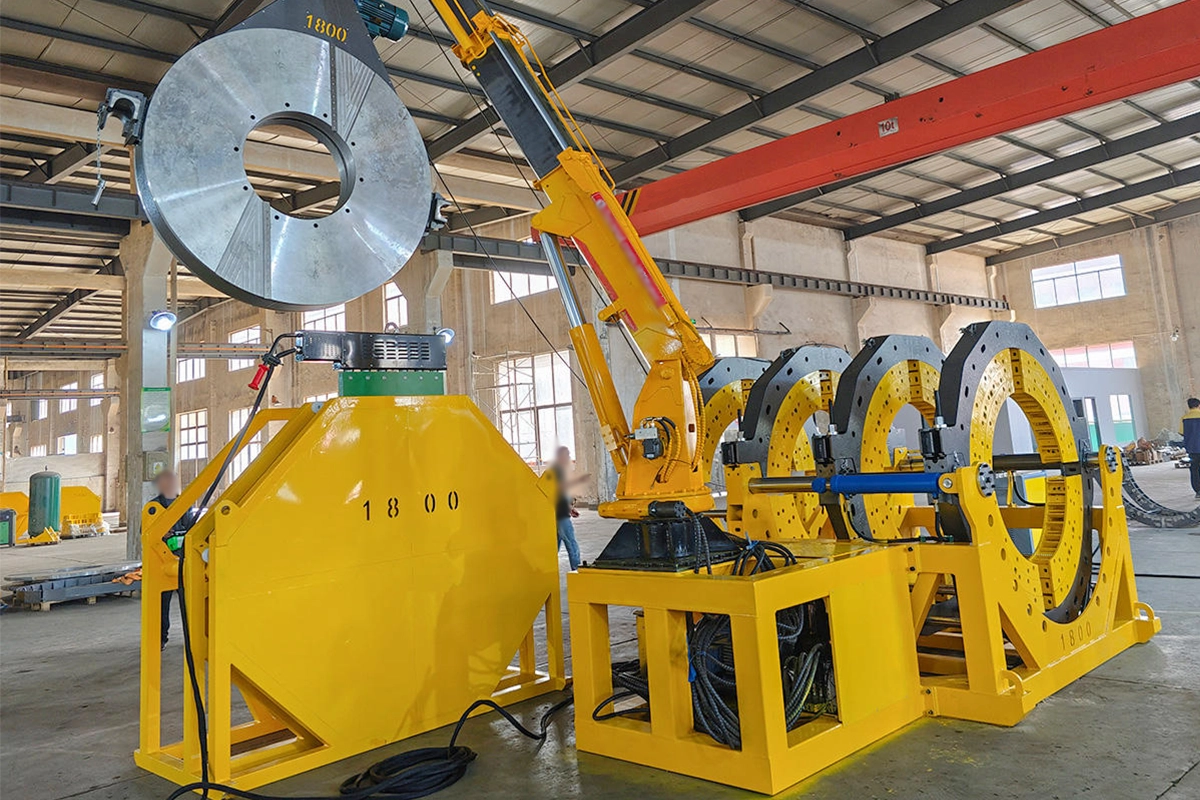
Understanding Hydraulic Butt Fusion Technology for Large Diameter Applications
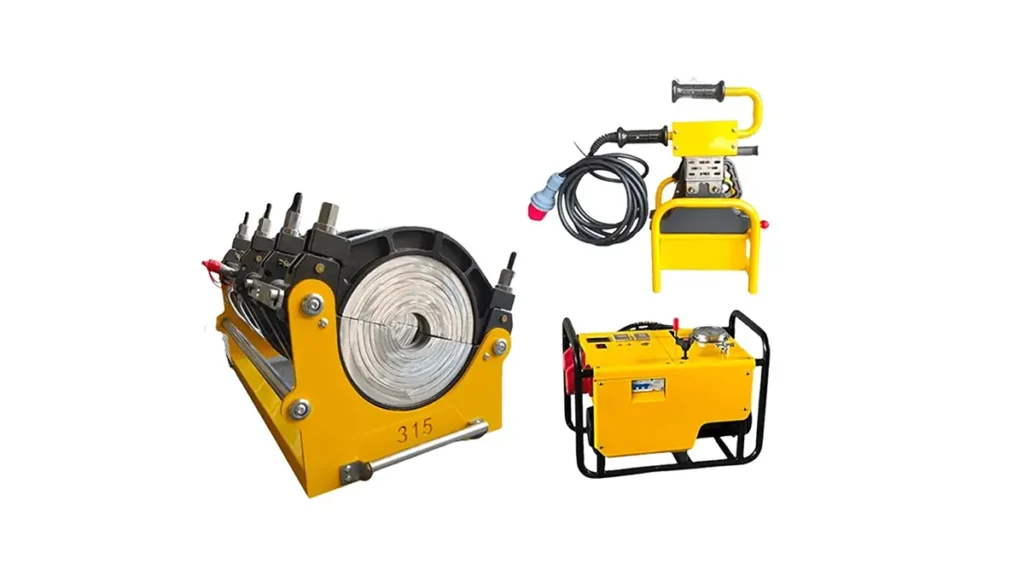
Hydraulic butt fusion welding machines utilize a powerful hydraulic power pack to control the movement of the pipe clamps and the heating plate. For large diameter pipes, this is non-negotiable. The sheer weight and wall thickness of the pipe require the precise, controlled pressure that only a hydraulic system can provide. The process follows the globally recognized ISO 21307 butt fusion procedures, ensuring the pipe ends are heated to a specific temperature, fused under exact pressure, and cooled while maintaining alignment. Any deviation in pressure, temperature, or alignment during the welding cycle can compromise the entire joint integrity.
Why Hydraulic Power is Essential for Large Pipes
- Massive Clamping Force: Large diameter pipes require immense force to bring the pipe ends together and maintain bead-up pressure during the heating phase. Hydraulic systems deliver this consistently.
- Precision Alignment Control: High-quality hydraulic machines feature independent clamps that can micro-adjust to correct pipe ovality and wall thickness variations, critical for PE butt fusion process quality.
- Operator Safety and Fatigue Reduction: Automating the high-force movements eliminates the physical strain on operators, significantly improving safety on the job site.
Key Factors to Evaluate When Buying a Large Diameter Hydraulic Butt Fusion Machine
Not all hydraulic butt fusion welding machines for large diameter pipes are built the same. Here are the non-negotiable features and specifications you must scrutinize.
1. Pipe Diameter Range and Frame Construction
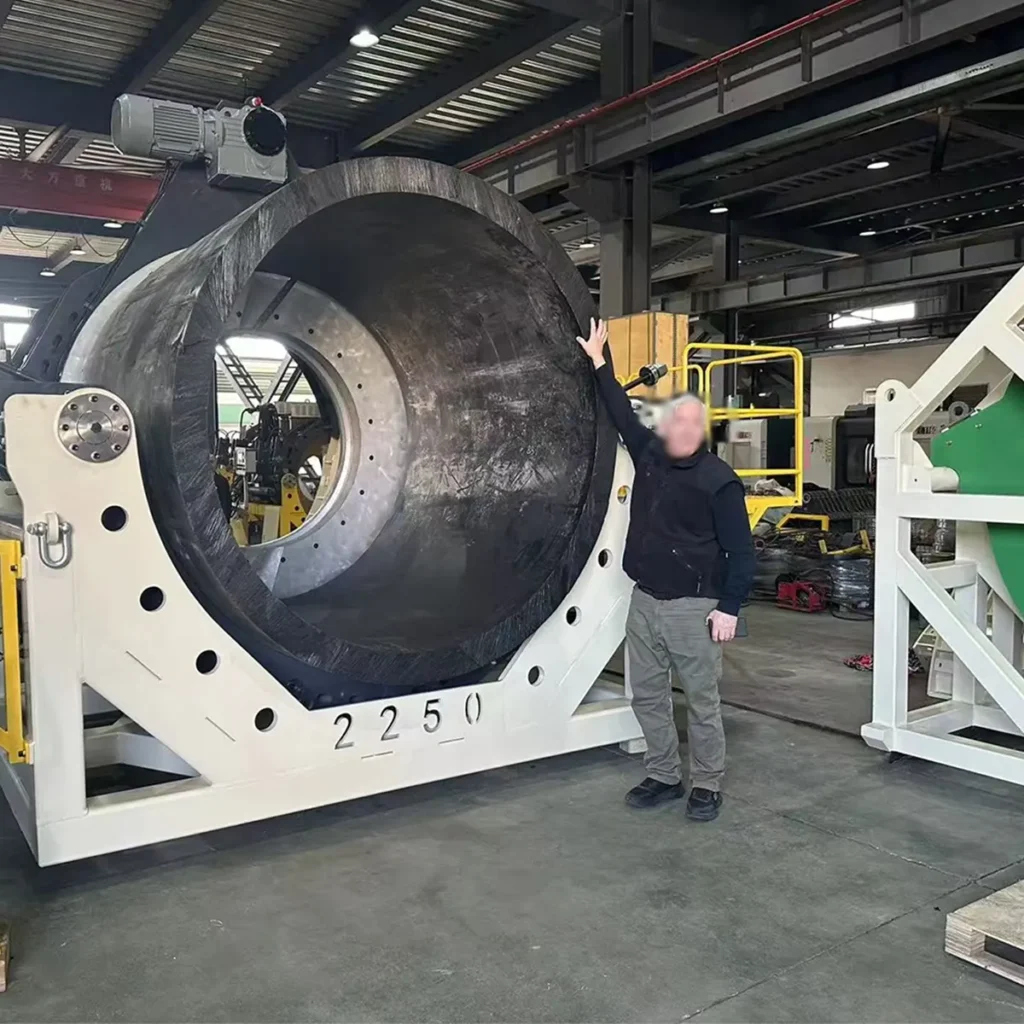
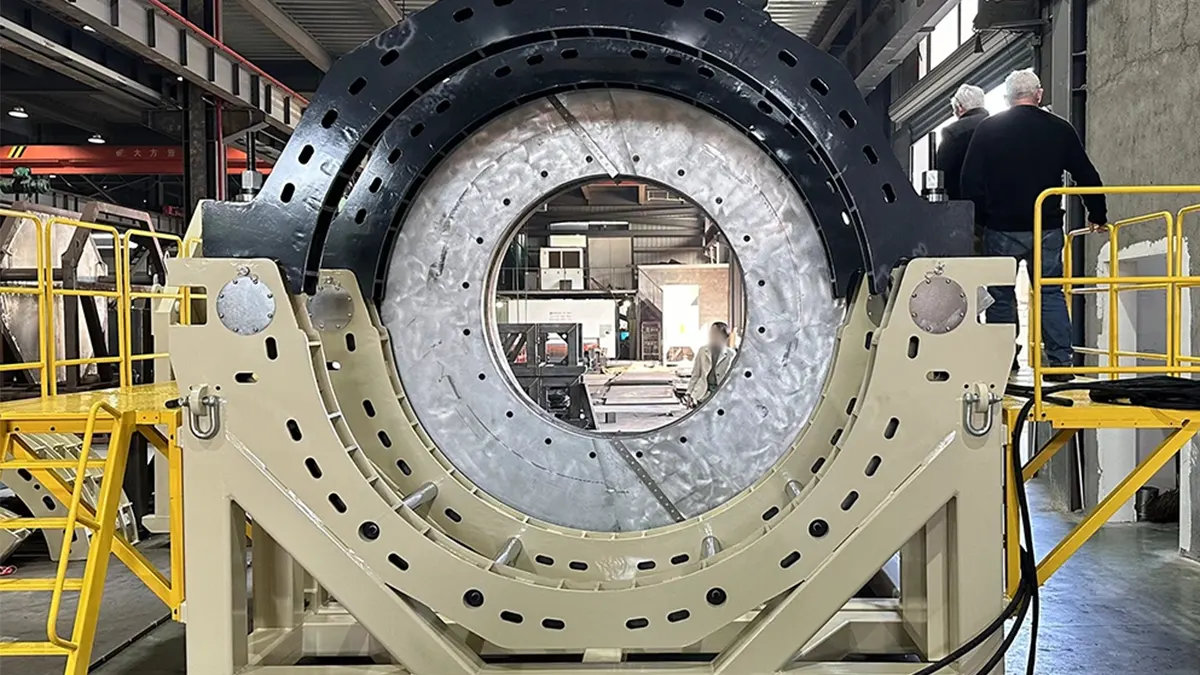
The machine’s minimum and maximum capacity should perfectly match your project pipeline. A robust frame is the foundation of a good weld. Look for high-strength steel construction that resists flexing under the heavy load of large pipes. The rigidity of the frame directly impacts alignment stability throughout the fusion cycle. Compromising on frame strength to reduce cost will lead to misalignment and weld failures.
2. Clamping System Design
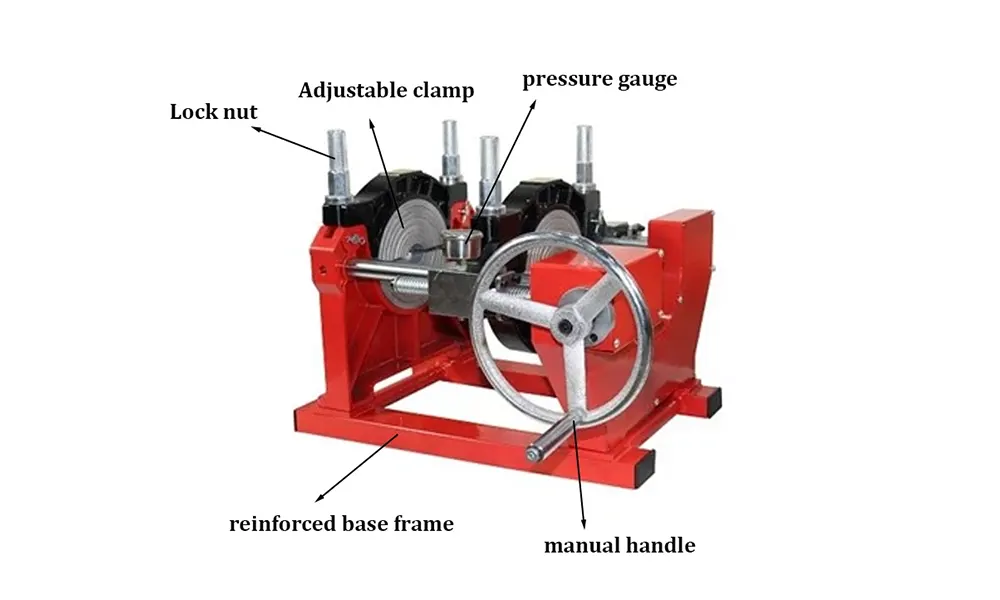
For large HDPE pipes, the clamping system must effectively manage pipe ovality. Top-tier machines employ a multi-segment clamping design that evenly distributes force around the circumference. This prevents localized stress points and ensures a uniform interface for welding. The quality of the clamp inserts and their ability to grip without damaging the pipe surface is also a key differentiator between professional and light-duty equipment.
3. Hydraulic Power Pack Performance
The heart of the system, the hydraulic power pack, must provide smooth, pulse-free pressure. Evaluate its flow rate, maximum pressure (bar/PSI), and the quality of the control valves. A well-designed unit allows for infinitely variable pressure adjustments, which is essential for executing the precise pressure profiles required by ASTM F2620 heat fusion standards. Machines with digital pressure readouts offer superior accuracy over analog gauges.
4. The Heating Plate and Trimmer
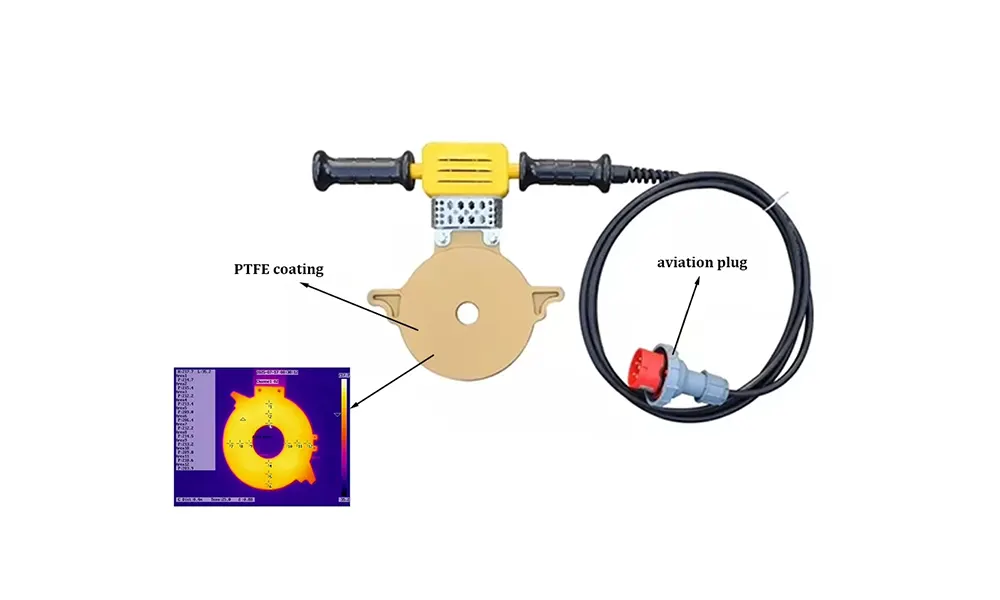
The heating plate must have a large surface area with exceptional temperature uniformity. A temperature variation of more than a few degrees across the plate can lead to an inconsistent melt pattern. The non-stick coating, typically PTFE, must be durable and easily replaceable. Equally important is the hydraulic trimmer, which must produce a clean, parallel cut on both pipe ends simultaneously. A poorly designed trimmer that leaves spiraling marks or an uneven face will prevent a proper fusion bond.
| Feature | Why It Matters for Large Diameters | What to Look For |
|---|---|---|
| Frame Rigidity | Prevents sagging and misalignment under heavy pipe loads. | Thick, reinforced steel construction; minimal deflection specs. |
| Hydraulic Control | Delivers the high, stable fusion pressure required by standards. | Digital pressure control, smooth operation, quick-connect fittings. |
| Clamp System | Corrects pipe ovality for a perfect face-to-face match. | Multi-segment, self-centering clamps with high-grip inserts. |
| Trimmer | Creates parallel, flat pipe ends for intimate contact. | Hydraulically driven, robust blade design, easy to maintain. |
| Heating Plate | Ensures a uniform melt across the entire pipe wall thickness. | Digital temperature control, excellent surface uniformity, durable coating. |
Machine Configurations: Manual Hydraulic vs. CNC Automatic
While both fall under the hydraulic category, the level of automation varies significantly. A manual hydraulic machine requires the operator to manually control the movement sequence and pressure settings via levers and valves. These are suitable for contractors with highly experienced fusion technicians. In contrast, a CNC automatic butt fusion welding machine automates the entire process. The operator inputs the pipe material, diameter, and SDR, and the machine’s computer calculates and executes the exact PPI butt fusion procedure parameters—from bead-up pressure to cooling time. For large-scale projects where repeatability and data logging are paramount, CNC automation is the preferred choice.
Application Environments and Machine Durability
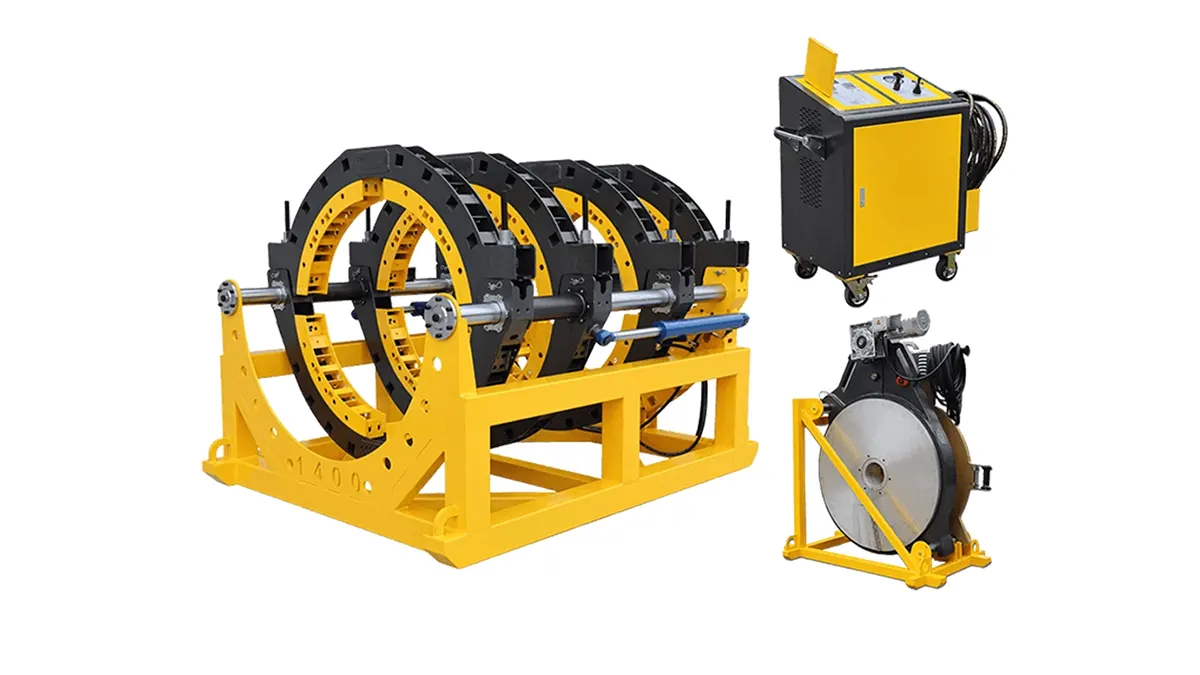
Consider the environments where your hydraulic butt fusion welding machine for large diameter pipes will operate. Mining, dredging, and landfill applications expose equipment to abrasive dust, mud, and harsh weather. The machine’s hydraulic hoses, electrical connections, and control panels must be ruggedized and sealed against contamination. Features like chrome-plated cylinder rods, heavy-duty casters for on-site mobility, and a protective frame for the power pack are not optional—they are essential for long-term reliability and a lower total cost of ownership.
Common Applications for Large Diameter Hydraulic Fusion
- Municipal Water Transmission Mains: Fusing large-diameter PE100 pipes for potable water supply lines.
- Gas Distribution Networks: Joining high-pressure PE gas pipes in accordance with PE gas piping systems safety regulations.
- Mining and Slurry Pipelines: Constructing durable, abrasion-resistant HDPE lines for tailings and slurry transport.
- Marine and Dredging Operations: Welding long floating pipeline strings on water or assembly on shore.
- Power Plant Cooling Water Systems: Installing large-diameter intake and outfall HDPE pipelines.
Data Logging and Quality Assurance
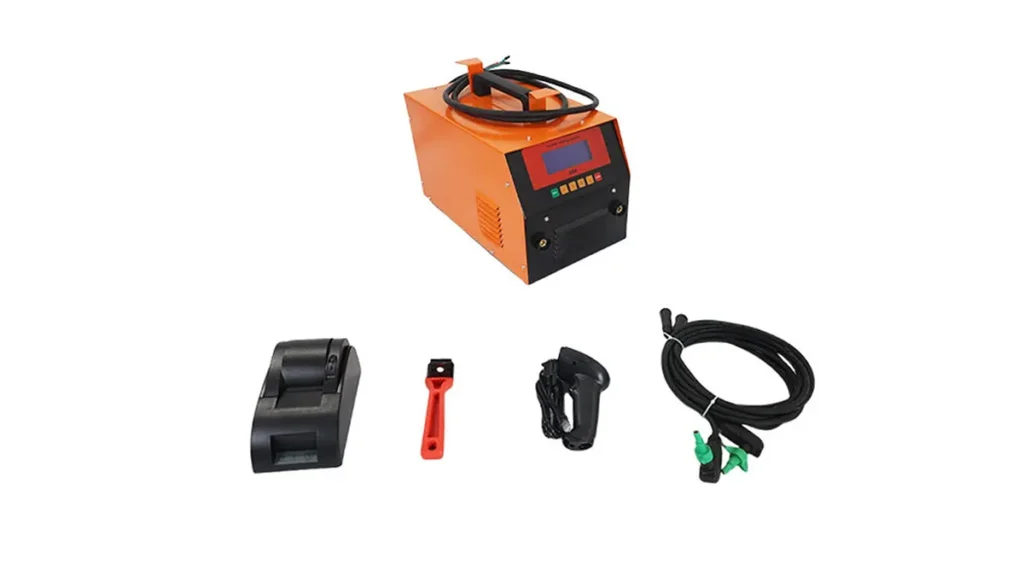
Modern projects often require a complete, traceable record of every single weld. A critical buying criterion is on-board data logging capability. The machine should automatically record the entire fusion cycle—time, temperature, and pressure profiles—and allow you to download this data into a report. This documentation proves that the joint was made in full compliance with project specifications and standards like ISO or ASTM. Without it, proving the integrity of a buried pipeline becomes much more difficult and costly.
After-Sales Support and Parts Availability
Your hydraulic butt fusion welding machine for large diameter pipes is a long-term capital investment. Before committing, investigate the manufacturer’s or distributor’s after-sales infrastructure. Critical questions include the availability of spare parts like heater plates, PTFE sheets, trimmers, and hydraulic seals. A reliable supplier, such as JQ-Fusion, will offer responsive technical support, comprehensive training resources, and a global support network to minimize downtime. This partnership is just as valuable as the machine’s technical specifications.
| Checklist Item | Details to Confirm |
|---|---|
| Capacity Range | Does it cover your minimum and maximum pipe diameters and SDRs? |
| Compliance | Is it built to meet ISO 12176-1 and ASTM F2620 standards? |
| Power Pack | Voltage, phase, and motor power suitable for your job sites? |
| Data Logging | Does it provide a digital record of time, temperature, and pressure? |
| Spare Parts Kit | What consumables are included, and how quickly can replacements be shipped? |
Making the Final Decision
Selecting the right hydraulic butt fusion welding machine for large diameter pipes requires balancing up-front cost with long-term reliability, precision, and support. The lowest-priced option often carries hidden costs in the form of re-work, downtime, and shorter service life. By focusing on a rigid frame, a high-performance hydraulic system, a proven clamping and heating system, and data traceability, you are investing in the quality and durability of your pipeline infrastructure. Prioritize manufacturers who can demonstrate their engineering expertise and commitment to supporting your projects from start to finish.