Pipeline failures demand immediate attention. Whether it’s a municipal water main break or a gas distribution line repair, the speed and integrity of your fix depend heavily on the equipment in your hands. Selecting the right HDPE pipe welding machine for pipeline repair is not just about making a connection; it’s about restoring system integrity under pressure and ensuring long-term reliability.
Understanding the Demands of Repair Welding
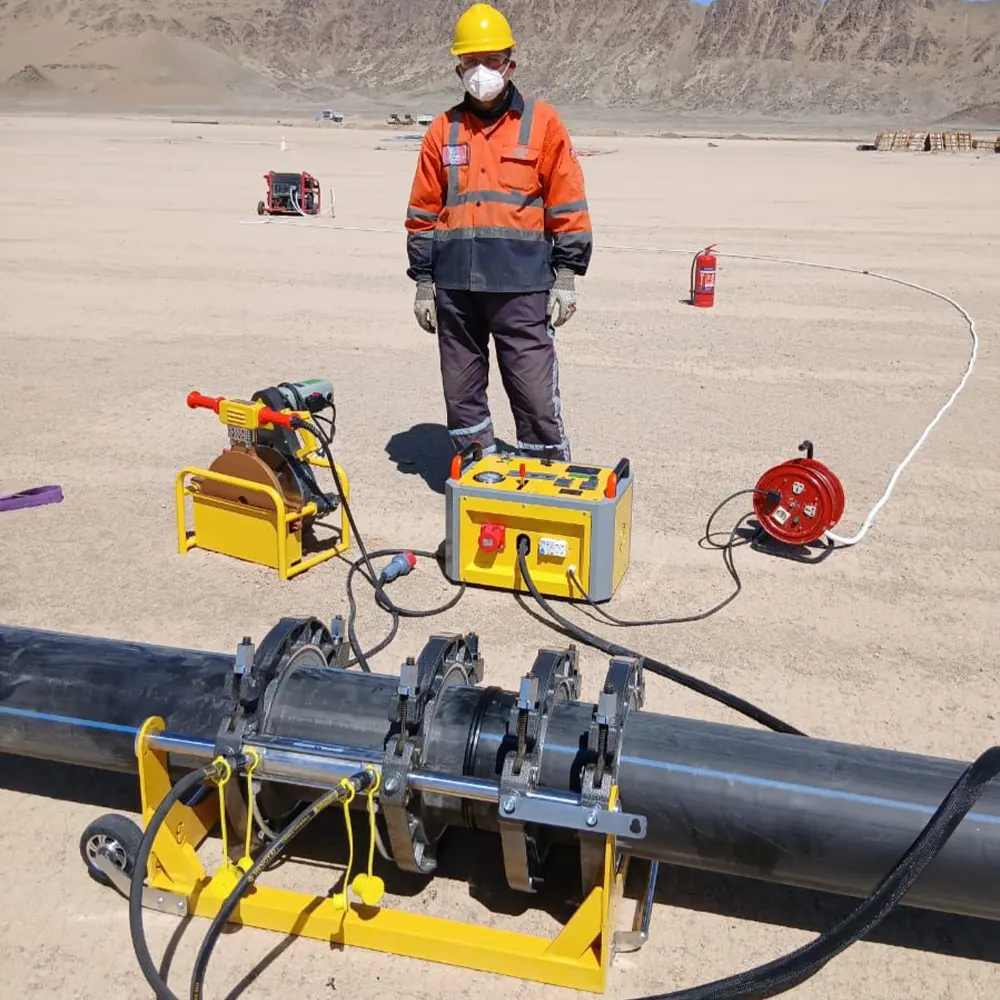
Pipeline repair scenarios differ significantly from new construction installations. Repair crews often work in confined spaces, within flooded trenches, or during adverse weather conditions. The soil may be unstable, and the existing pipe may have been in service for decades, exhibiting surface oxidation, ovality, or residual stress. Therefore, an HDPE pipe welding machine for pipeline repair must be portable, robust, and capable of delivering consistent ISO 21307 butt fusion procedures under these challenging conditions. The equipment must compensate for environmental variables that a shop machine simply never faces.
Manual Butt Fusion Machines for Emergency Response
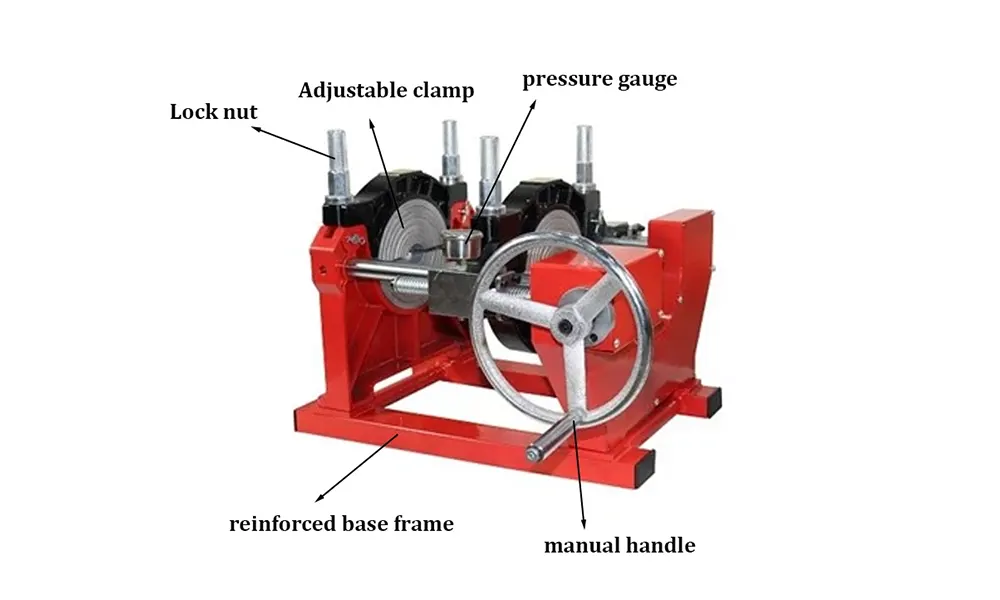
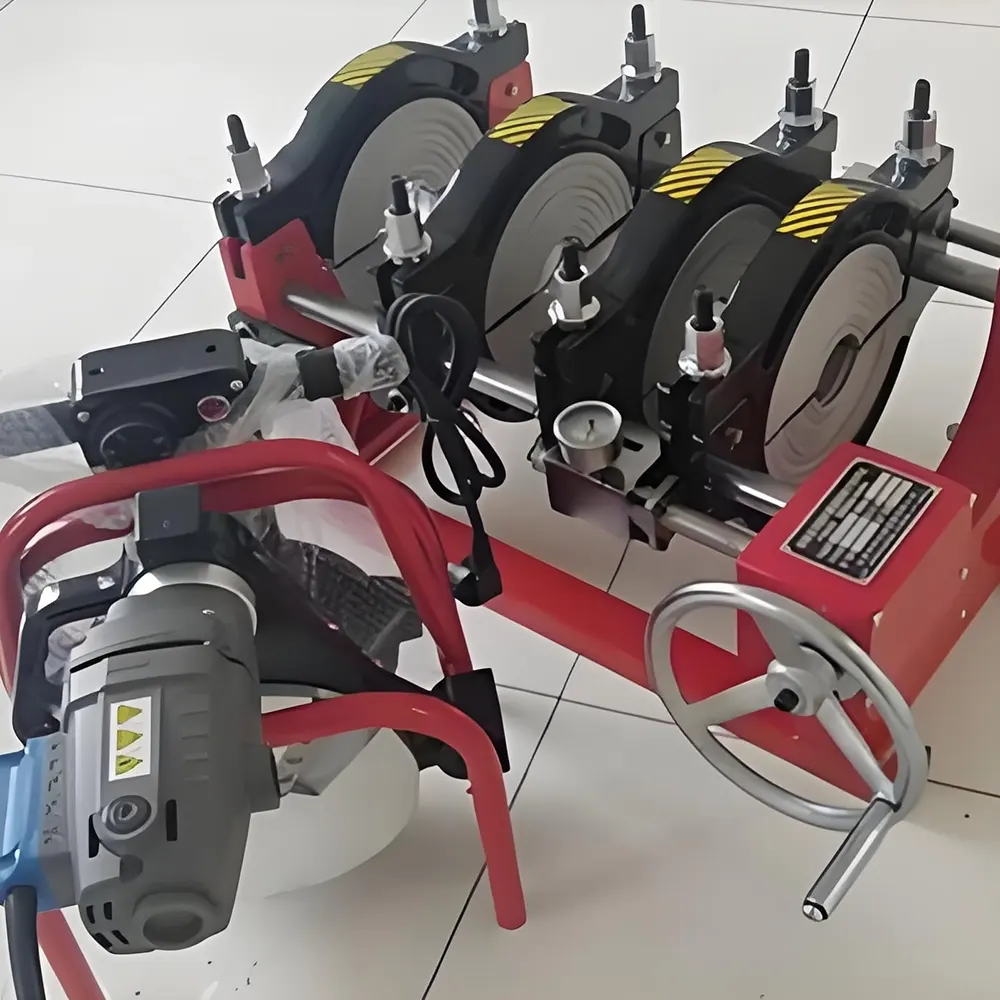
For smaller diameter pipes, typically ranging from 40mm to 315mm, manual butt fusion machines are the backbone of rapid response teams. These units are lightweight, requiring no external power source beyond the heating plate, which can often run on a portable generator. The key advantage of a manual HDPE pipe welding machine for pipeline repair lies in its simplicity and speed of setup. When a crew arrives at a burst pipe at 2:00 AM, they need a machine that can be clamped onto the pipe within minutes. Modern manual machines feature rigid aluminum frames and quick-release clamps that significantly reduce the time required to secure the pipe ends.
Key Features for Repair Manual Machines
- Detachable Trimmer: Allows the cutting face to be easily cleaned and accessed even when the machine is positioned in a tight trench.
- Non-Stick Coated Heating Plate: Essential for preventing molten polymer adhesion, which is critical when working with older pipes that may have surface impurities.
- Corrosion-Resistant Guide Rods: Repair environments are wet. Hard chrome-plated rods prevent rust that could compromise carriage movement during fusion.
Hydraulic Welding Machines for Large Diameter Mains
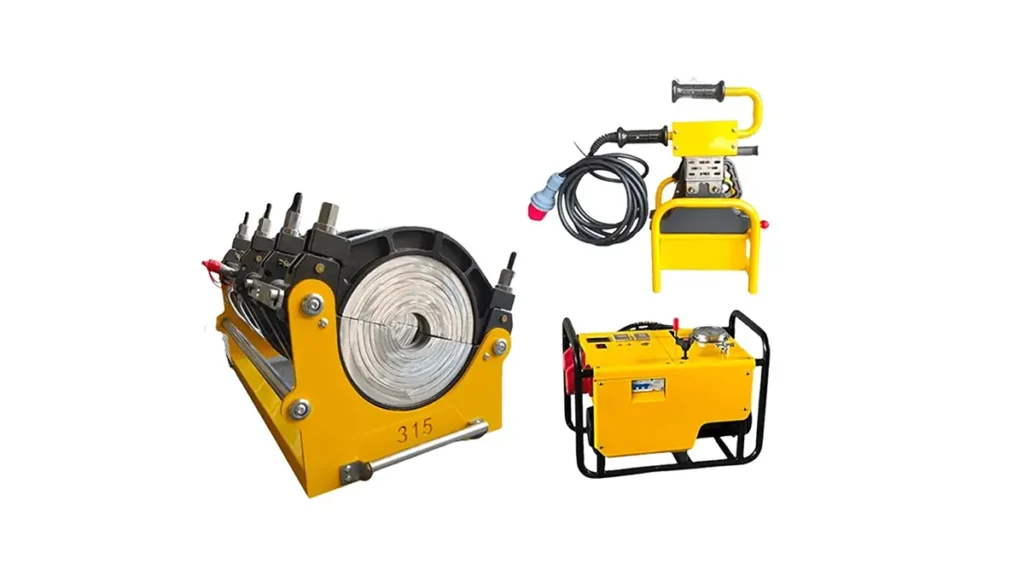
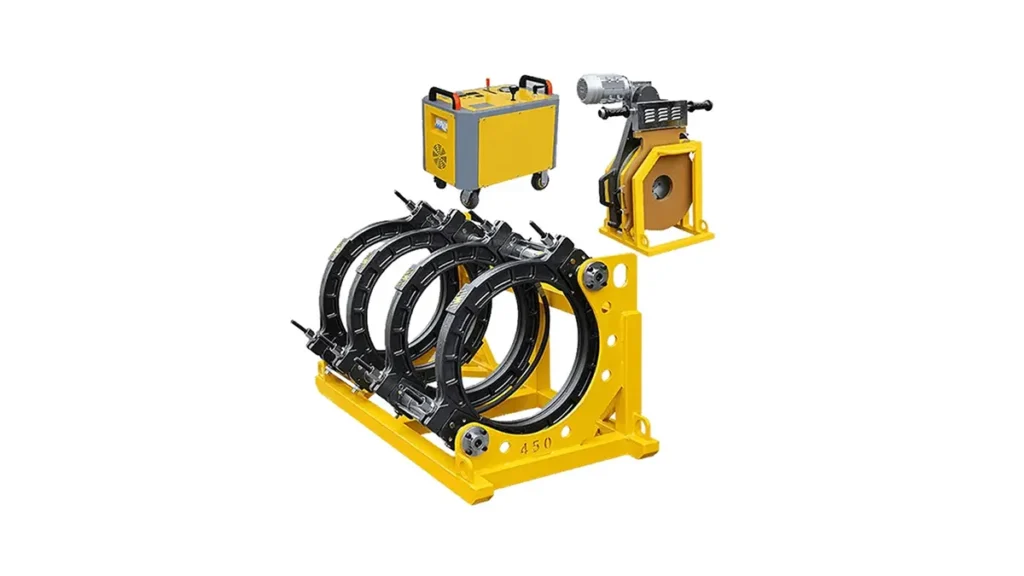
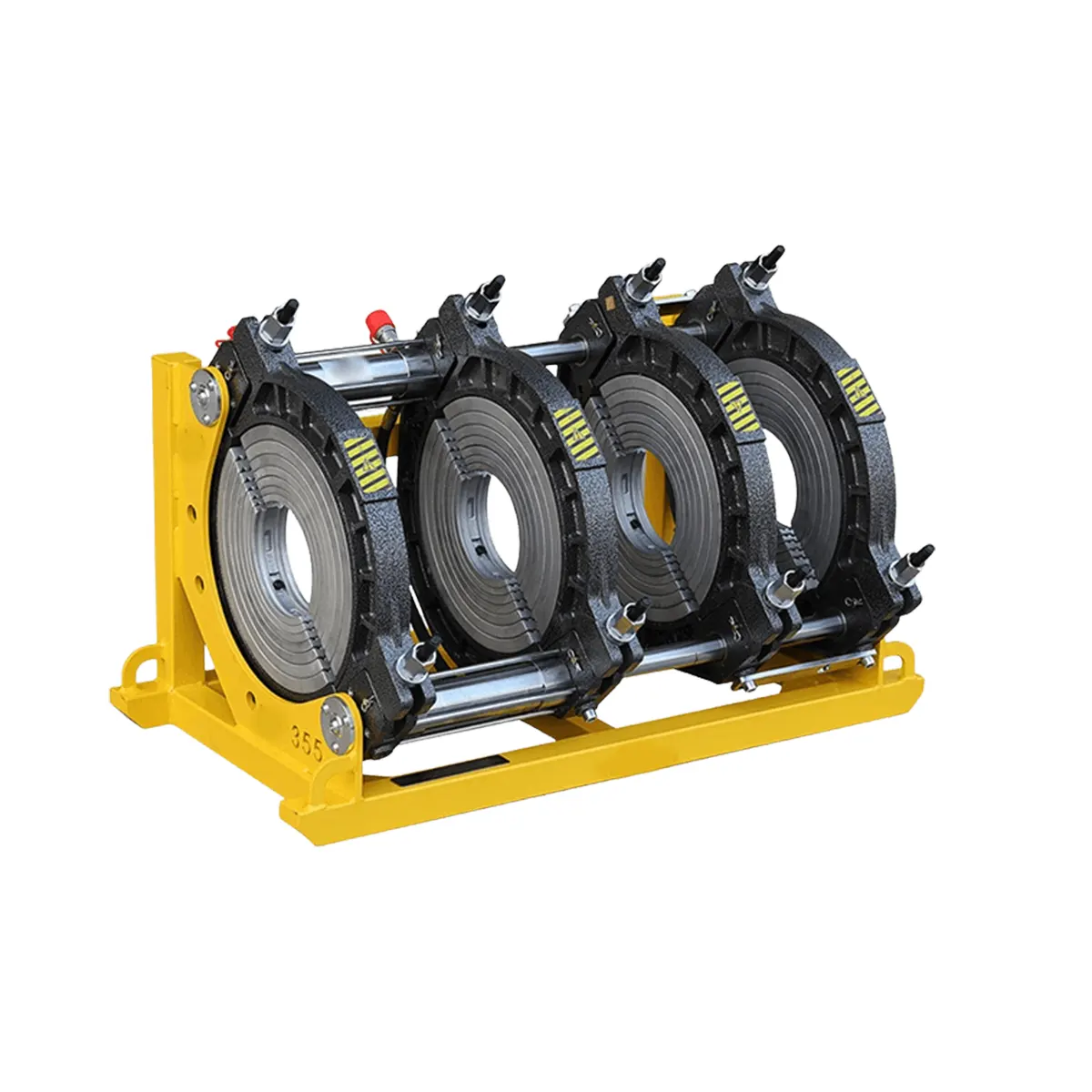
When dealing with transmission mains, distribution headers, or large industrial lines, manual force becomes insufficient. Hydraulic butt fusion machines are necessary for pipe diameters from 200mm up to over 2000mm. Repairing a 1200mm water main requires a HDPE pipe welding machine for pipeline repair that can generate tons of force to face the pipe ends, heat the surfaces, and apply precise interfacial pressure during the fusion cycle. The hydraulic power unit must provide smooth, controlled movement without pressure spikes that could disturb the melt bead. In repair situations, the machine frame must also accommodate the insertion of a replacement pipe section, which requires precise lateral alignment on multiple axes.
Critical Selection Criteria
| Selection Factor | Why It Matters for Repair |
|---|---|
| Pipe Diameter Range | The machine must match the exact OD of the existing pipe. Repair crews often need reducer inserts for slight dimensional variations. |
| Frame Construction | Rigid, welded steel or high-strength aluminum construction resists twisting when pipes are misaligned in trenches. |
| Clamp Configuration | Narrow clamps are essential for working on short pipe stubs or elbows close to walls and existing structures. |
| Data Logging Capability | Recording fusion parameters provides traceability and proof of conformance to PPI butt fusion procedure standards, even in field repairs. |
Electrofusion as a Repair Strategy
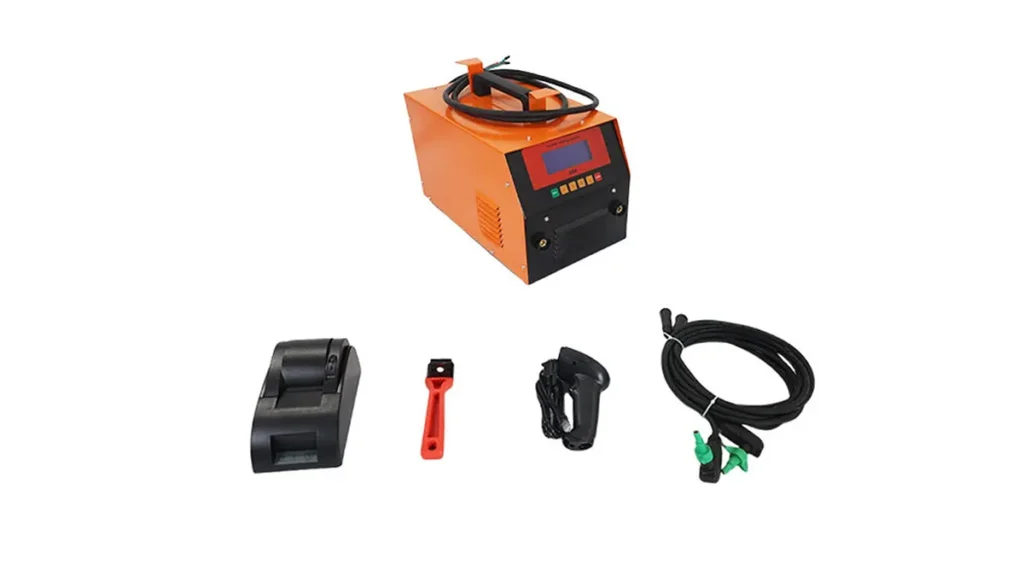
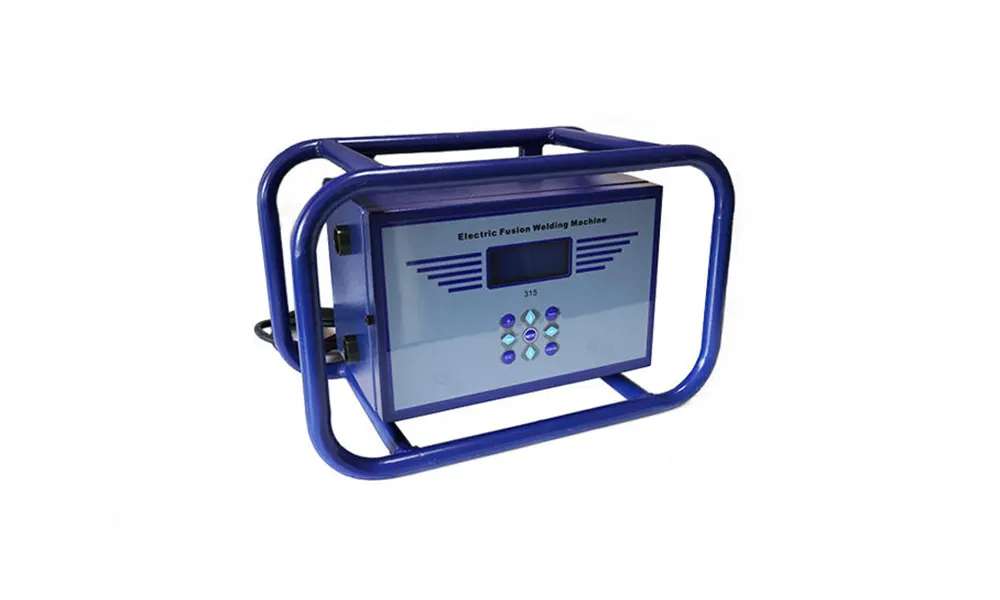
In certain repair configurations, butt fusion may not be practical—such as when connecting to a live line or when working with fittings. Electrofusion offers an alternative that uses embedded heating coils within the fitting. This method requires an electrofusion machine capable of reading the fitting’s barcode or inputting precise welding parameters. The process is operator-friendly and reduces the physical effort required, though it demands rigorous surface preparation through scraping to remove the oxidized layer from the pipe surface.
Surface Preparation Checklist
- Scrape thoroughly: Remove 0.1-0.2 mm of oxidized material from the entire insertion area immediately before joining.
- Clean the pipe surface: Use isopropyl alcohol and lint-free wipes to eliminate contaminants, grease, or moisture.
- Verify roundness: Use re-rounding clamps if the existing pipe has deformed over time to ensure proper gap closure.
- Check ambient conditions: Wind and rain shields are critical for repair welding to maintain temperature stability at the fusion zone.
CNC Automatic Machines for Critical Repairs
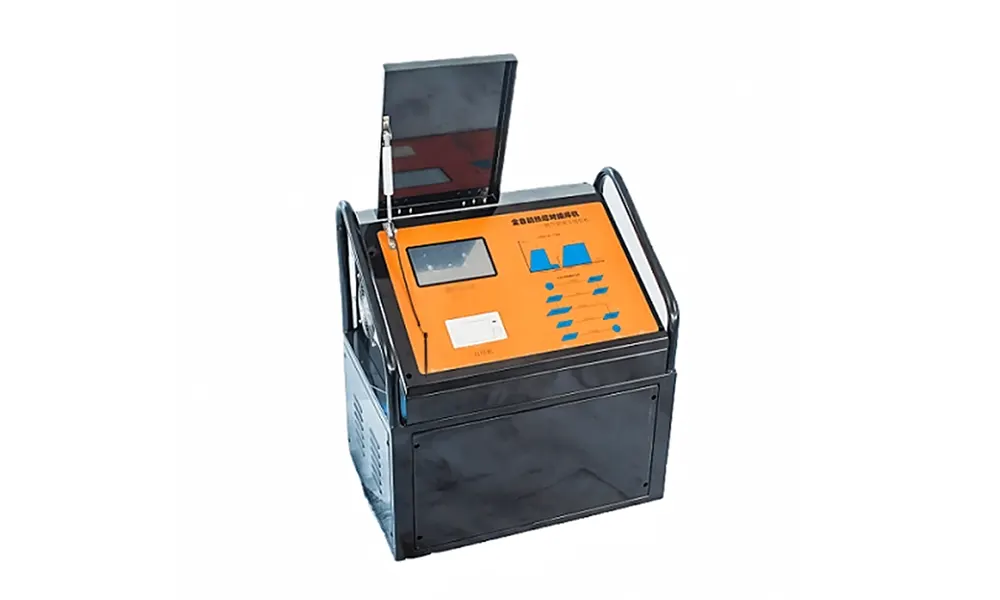
For high-consequence applications such as gas transmission lines or nuclear-grade water systems, CNC automatic butt fusion machines provide the highest level of control. These machines automate the entire fusion cycle according to programmed parameters that follow PE butt fusion equipment standard requirements. During a repair, the operator can select a specific fusion profile that matches the material grade and wall thickness of the existing pipe. The machine then controls heat soak time, changeover speed, and fusion pressure build-up automatically, eliminating human variables that could compromise joint quality in a restoration scenario.
Multi-Angle and Custom Fitting Solutions
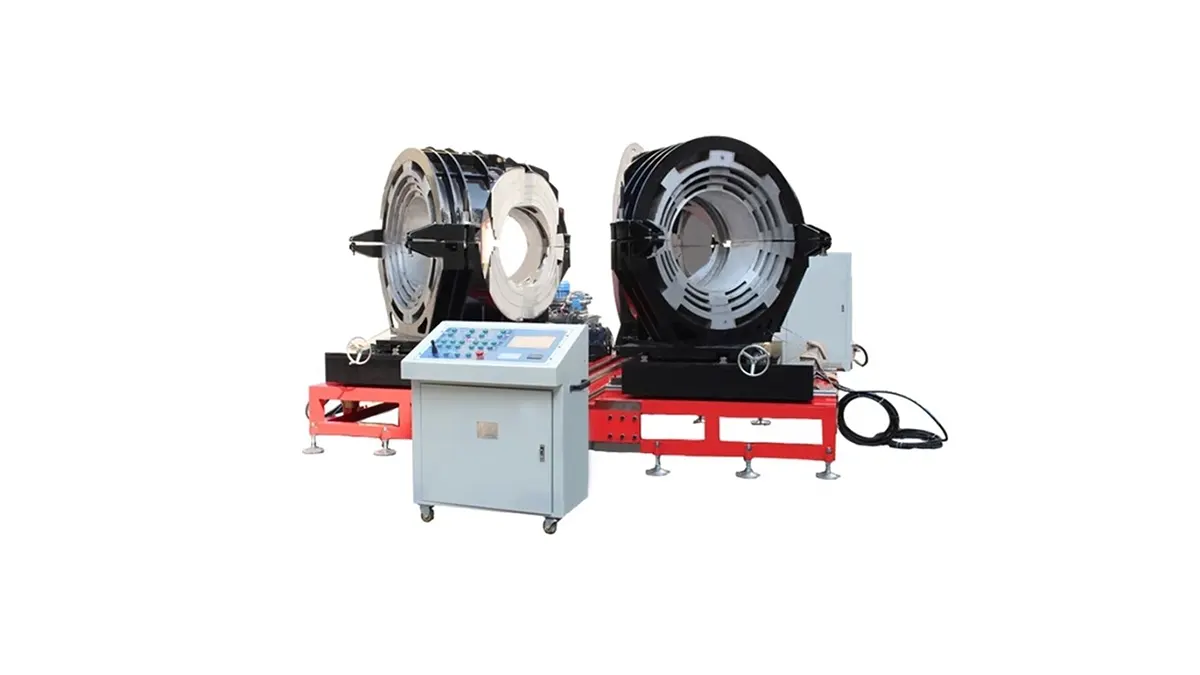
Pipeline repairs rarely follow textbook geometries. A damaged section may require segmented bends, branch connections, or custom-fabricated fittings to restore flow. Multi-angle pipe fitting welding machines allow repair crews to fabricate precisely angled elbows, tees, and wyes directly in the field. This capability eliminates the wait for factory-fabricated fittings and enables custom solutions tailored to the unique geometry of the repair site. JQ-Fusion provides a range of hydraulic and manual multi-angle machines that can handle angles typically from 0 to 90 degrees with precise indexing and secure clamping during the fusion of each segment.
Operational Considerations for Repair Teams
Beyond the machine itself, repair operations require careful planning. The fusion process must account for the thermal history of the existing pipe. Older HDPE pipes may have absorbed hydrocarbons or experienced oxidative degradation on the inner surface. The heating time and pressure may need slight adjustments, always within the ranges specified by ASTM F2620 heat fusion standards. The machine’s ability to maintain stable temperature control is paramount—a heating plate with poor thermal uniformity will produce inconsistent bead geometry, increasing the risk of incomplete fusion at the repair joint. Additionally, the machine frame must withstand the mechanical stress of manipulating heavy pipe sections during the critical changeover phase between heating and fusion.
Recommended Maintenance for Repair Machines
- Daily heating plate check: Verify surface temperature across multiple points with a calibrated pyrometer.
- Clamp insert inspection: Damaged or worn inserts cause pipe slippage that leads to misalignment during fusion pressure application.
- Hydraulic system examination: Check hoses, fittings, and oil levels to prevent pressure loss during critical fusion stages.
- Guide rod lubrication: Keep rods clean and lightly lubricated to ensure smooth carriage movement without hesitation.
Making the Investment Decision
Selecting an HDPE pipe welding machine for pipeline repair requires balancing immediate needs with long-term fleet strategy. Consider the typical diameter range your repair crews encounter, the accessibility of repair sites, and the regulatory environment governing your operations. Machines with data logging capability support compliance with PE fusion operator requirements and provide defensible records of joint quality. While manual machines offer unmatched portability for small-diameter emergency repairs, hydraulic and CNC automatic units deliver the power and precision needed for large-diameter critical infrastructure. The goal is to equip your teams with reliable, durable equipment that performs consistently when pipelines fail and communities depend on swift restoration.
For more information on selecting the right equipment for your specific repair applications, explore the complete range of butt fusion welding machines designed to meet the demands of field pipeline repair around the world.