
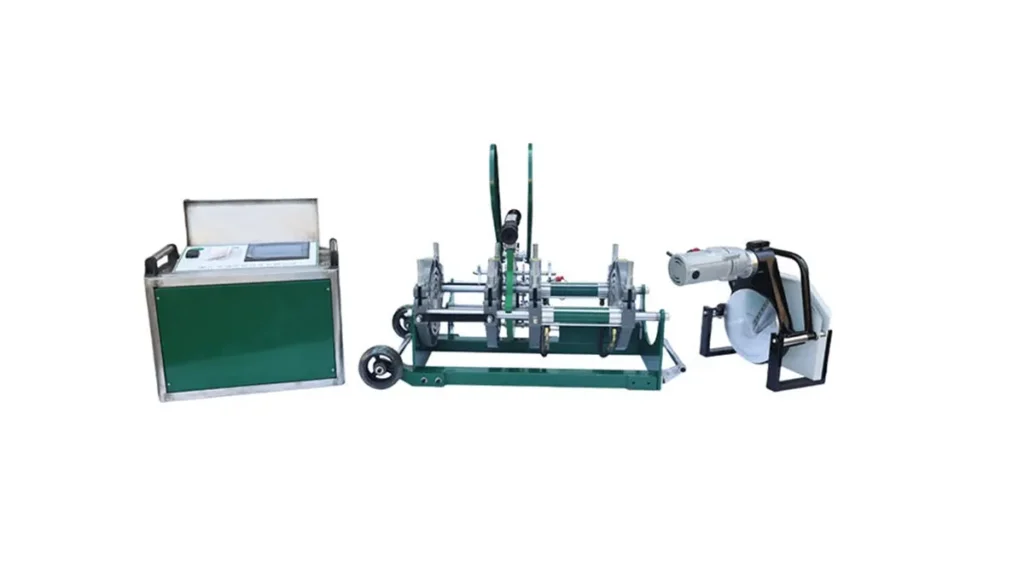
Operating a plastic pipe welding machine correctly is essential for creating strong, leak-free joints in HDPE piping systems. Whether you are working on water supply, gas distribution, or industrial pipelines, following a structured procedure ensures safety and long-term reliability. This guide walks you through the entire process, from preparation to final inspection, based on widely recognized ISO 21307 butt fusion procedures.
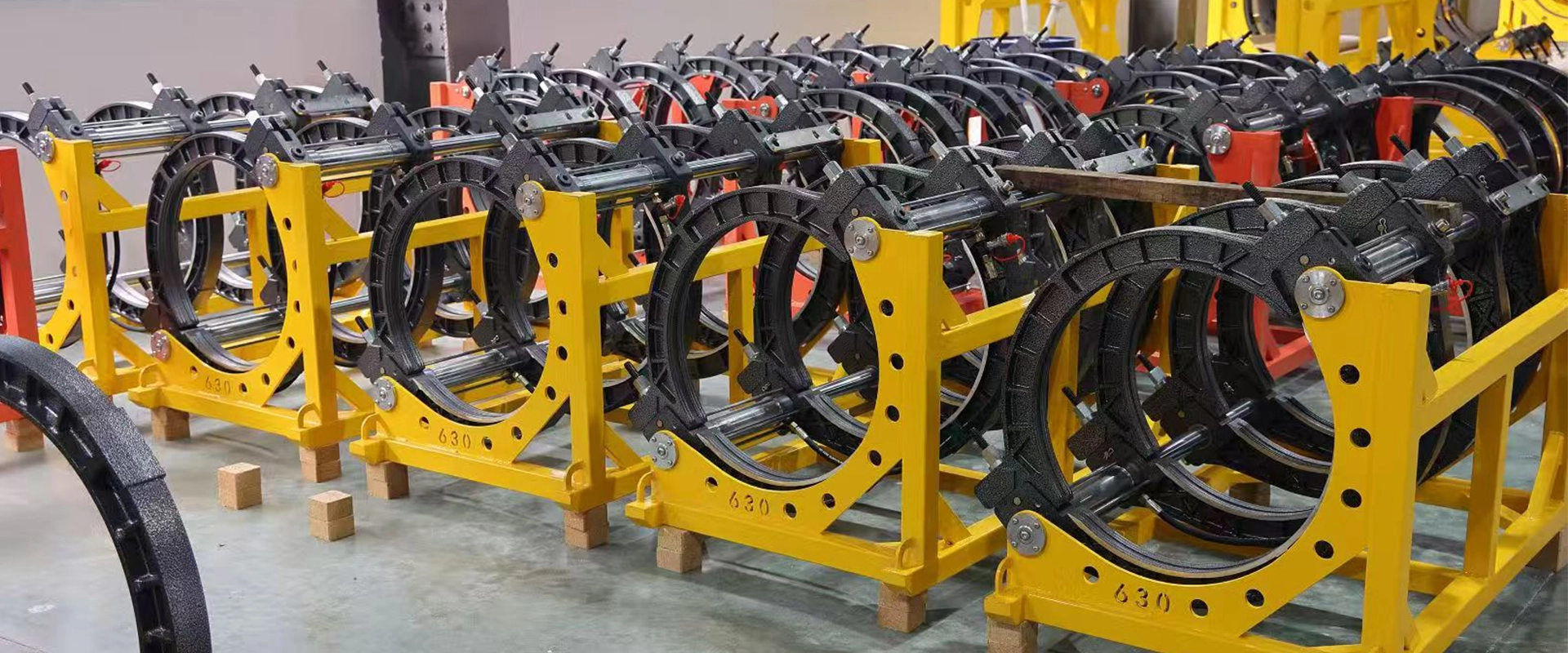
1. Safety Preparations Before Welding
Before using any plastic pipe welding machine, prioritize personal safety and work area preparation. Always wear appropriate personal protective equipment, including heat-resistant gloves, safety glasses, and sturdy footwear. Ensure the work zone is clean, dry, and well-ventilated. Remove any flammable materials from the vicinity of the heating plate.
2. Inspecting the Equipment and Tools
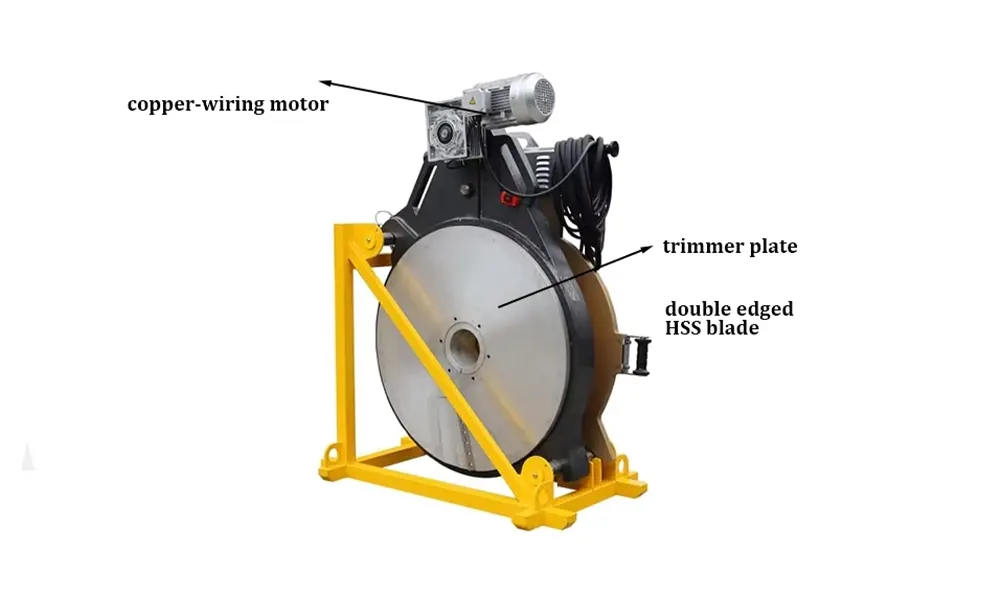
A thorough inspection of your butt fusion equipment is mandatory. Check the machine frame, clamps, and hydraulic unit for any signs of damage or wear. Verify that the butt fusion welding machine heating plate surface is clean and coated with a non-stick layer. Confirm the planer blades are sharp and operable. The following table outlines the key inspection points:
| Component | Checkpoint | Action Required |
|---|---|---|
| Heating Plate | Cleanliness & Temperature | Wipe clean; verify set point |
| Hydraulic System | Oil Level & Hoses | Fill if low; check for leaks |
| Clamps & Inserts | Alignment & Grip | Tighten bolts; clean surfaces |
3. Step-by-Step Welding Procedure
The standard butt fusion cycle consists of several critical phases. Following the correct sequence and parameters is vital for joint integrity, aligning with the PPI butt fusion procedure.
3.1 Clamping and Aligning the Pipes
Place the pipes into the machine frame and position the clamps. Ensure the ends to be joined are properly centered. Tighten the clamps to secure the pipes without causing ovality. Proper alignment minimizes high-low mismatch, which is a common cause of joint failure.
3.2 Facing the Pipe Ends
Activate the planer and bring the pipe ends into contact. Apply steady pressure until a continuous shaving emerges from both ends simultaneously. The facing process removes oxidized material and ensures perfectly parallel mating surfaces. Do not touch the faced ends; contamination requires re-facing.
3.3 Heating and Melt Bead Formation
Insert the hydraulic butt fusion machine heating plate. Apply the specified bead-up pressure until an appropriate melt bead rollback forms around the pipe circumference. Once the bead is established, reduce to the heat soak pressure and maintain it for the required time based on pipe diameter and wall thickness.
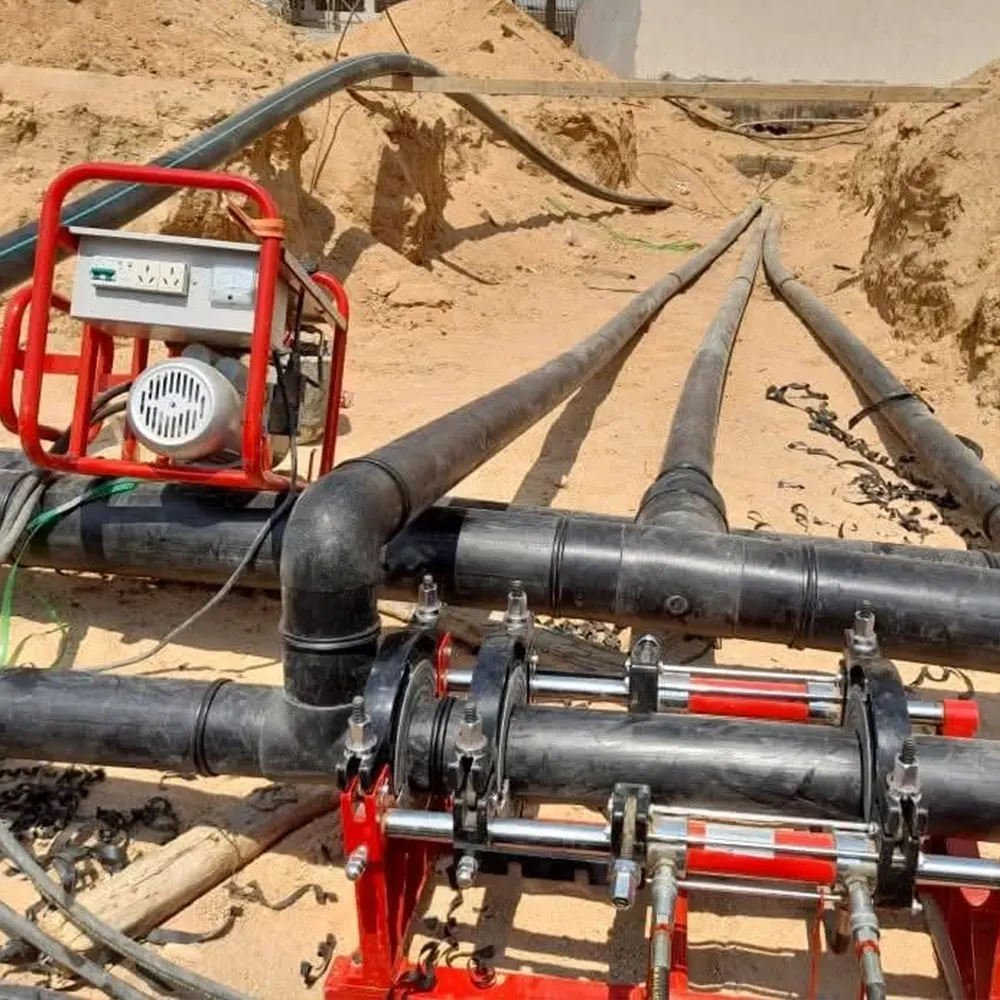
3.4 Heater Removal and Fusion
After the heat soak time is complete, quickly remove the heating plate. Minimize the dwell time between plate removal and bringing the softened pipe ends together. Then apply the specified fusion pressure and maintain it throughout the cooling phase. The joint should not be moved or stressed during this period.
4. Critical Welding Parameters
Adhering to correct pressure and temperature settings is non-negotiable. These values are dependent on the material type and dimensional ratio. Use the data below as a general guide, always consulting the machine manufacturer’s manual.
- Heating Plate Temperature: Typically 210°C to 230°C for PE materials.
- Bead-up Pressure: 0.15 MPa to 0.2 MPa gauge pressure.
- Cooling Time: Depends on wall thickness; never force-cool with water.
5. Visual Inspection and Testing
Once the joint is completely cooled, perform a visual check. The finished weld bead should be uniform in size, symmetrical, and free of cracks or porosity. The bead width should be roughly the same around the entire circumference. For critical applications, a field leak test following PE pipe hydrostatic leak testing guidelines may be required.
6. Common Troubleshooting Tips
Even experienced operators encounter issues. Understanding root causes helps maintain quality throughout the project. Below are common problems and their solutions.
| Problem | Possible Cause | Corrective Action |
|---|---|---|
| Small or uneven bead | Insufficient heat or pressure | Check plate temp and hydraulics |
| Discolored or oxidized bead | Overheating or long dwell time | Reduce temp; minimize changeover |
Consistent results come from practice and strict adherence to verified procedures. When selecting a reliable plastic pipe welding machine, it is beneficial to partner with an experienced manufacturer. JQ-Fusion specializes in manufacturing HDPE pipe welding machines and provides comprehensive support to ensure your projects meet global standards.
For a broader understanding of joining technologies, you can review this guide on what is HDPE butt fusion. Remember, the key to a perfect weld is clean pipes, correct parameters, and a well-maintained machine.



