
Pipeline welding risk assessment is not just a paperwork exercise. It is a practical safety method that helps contractors, supervisors, and welders identify hazards before work begins, reduce the chance of failures, and keep operations aligned with project and regulatory requirements. In pipeline construction, where hot work, pressure systems, heavy equipment, and tight schedules often overlap, a clear risk assessment can prevent injuries, avoid costly downtime, and improve the quality of every weld.
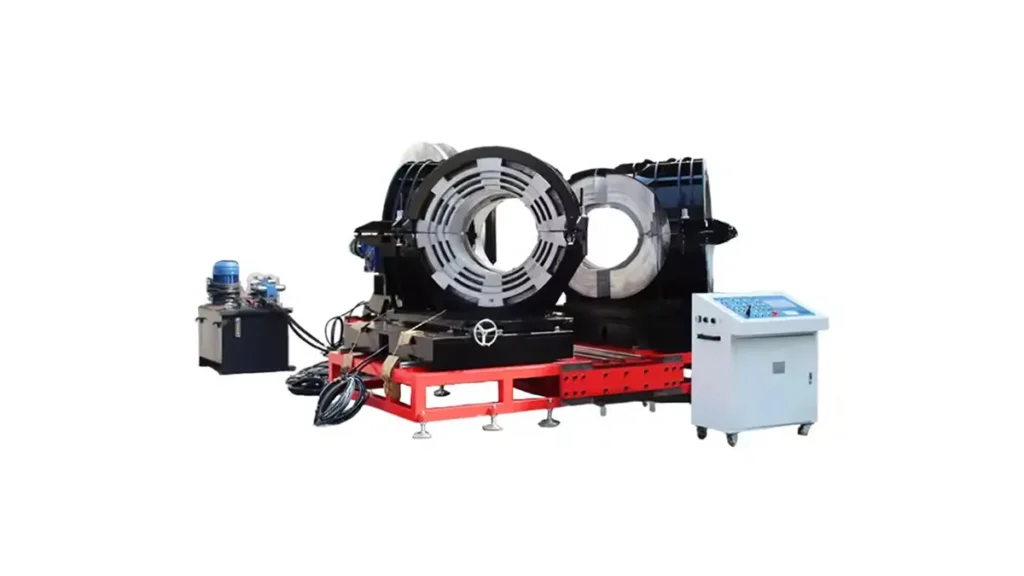
A well-structured assessment starts by understanding the full work environment: pipe material, diameter, site layout, weather, access conditions, gas lines, electrical sources, lifting routes, and the skill level of the crew. It also includes the welding method itself, whether the project uses butt fusion, electrofusion, or other joining techniques. For contractors searching for dependable equipment and consistent fusion results, choosing a qualified butt fusion machine supplier can play an important role in reducing operational risk from the start.
Key idea: risk assessment is most effective when it is completed before mobilization, reviewed on site, and updated whenever the scope, weather, material, or equipment changes.
Why Risk Assessment Matters in Pipeline Welding
Pipeline welding involves a combination of thermal, mechanical, and environmental hazards. Heat, molten material, fumes, sharp edges, heavy pipe sections, and pressurized systems all create conditions where small mistakes can become serious incidents. Risk assessment helps teams detect those risks early and apply practical controls such as work permits, PPE, isolation procedures, ventilation, inspection checks, and supervision.
It also supports compliance. Many project owners and regulators require documented safety planning before welding begins. A complete assessment demonstrates that the contractor has considered hazards, trained personnel properly, and established controls for welding quality and worker safety. This is especially important for water supply systems, gas distribution networks, mining operations, and industrial piping, where failures can affect public safety and service continuity.
Step 1: Define the Scope of Work Clearly
Before evaluating hazards, the team must define the job in detail. That means identifying the pipe type, joint design, welding process, production schedule, test requirements, and final operating conditions. A fusion weld on an HDPE water line does not carry the same risks as a gas pipeline joint or a mining slurry line, so generic assumptions should never replace project-specific analysis.
Important: the clearer the scope, the more accurate the risk assessment. Undefined work areas and missing technical details usually lead to missed hazards.
In this step, supervisors should confirm whether the job involves trench work, elevated work, indoor welding, or open-field installation. They should also determine whether the machine setup is manual, hydraulic, or CNC controlled, since each configuration affects operator interaction, machine stability, and process consistency.
Step 2: Identify the Main Hazards
A strong risk assessment lists every realistic hazard that could affect people, equipment, or weld quality. In pipeline welding, the most common hazards include:
- Heat and burn hazards: heated plates, molten polymer, and hot tooling can cause severe injury.
- Electrical hazards: damaged cables, wet conditions, or poor grounding can create shock risks.
- Pressure hazards: hydraulic systems and pressurized pipeline sections require strict control.
- Fume and ventilation risks: poor air movement may expose workers to harmful smoke or fumes.
- Pinch and crush hazards: pipe movement, clamps, and lifting equipment can trap hands or limbs.
- Alignment and quality risks: misalignment or unstable equipment may create weak joints.
- Environmental hazards: rain, wind, dust, extreme heat, or low visibility can affect safety and fusion quality.
For fusion projects, machine precision is critical. Reliable temperature control, hydraulic pressure stability, and clamp alignment all help maintain consistent weld quality. That is why equipment inspection should be treated as a safety step, not only a production step.
Step 3: Evaluate Who Is at Risk
Risk assessment should consider everyone affected by the work, not only welders. Operators, riggers, supervisors, inspectors, forklift drivers, nearby trades, and even site visitors may face exposure. In public utility or industrial environments, the surrounding community may also be indirectly impacted if the pipeline carries gas, water, or process fluids.
Reminder: one unsafe action near a weld zone can affect the entire crew. Clear exclusion zones and access control are essential.
The assessment should also account for worker competency. A trained technician who understands machine operation, material behavior, and quality standards will face lower risk than an untrained worker rushing through setup. Proper supervision and documented training are therefore part of the safety system.
Step 4: Rate the Likelihood and Severity
After hazards are identified, the next step is to evaluate how likely each event is and how serious the consequences could be. A simple matrix is often enough: low, medium, or high likelihood; minor, moderate, or severe impact. For example, a minor surface scratch on pipe coating may have limited effect, while a wrong fusion temperature on a gas line joint may lead to a high-consequence failure.
This analysis helps teams prioritize. High-risk items should be controlled first, followed by medium-risk items, while lower-risk issues can be monitored and documented. The goal is not to eliminate every possible hazard, but to reduce risk to an acceptable level through practical controls.
Tip: when evaluating severity, include both human safety impact and project impact such as delays, rework, failed inspection, or leakage after commissioning.
Step 5: Apply Effective Control Measures
Controls should follow the hierarchy of risk reduction: eliminate, substitute, engineer, administrate, and protect with PPE. In pipeline welding, common control measures include machine maintenance, pre-start checks, joint cleaning, weather protection, equipment calibration, lockout procedures, and use of certified protective gear.
Engineering controls are especially valuable because they reduce dependence on human judgment alone. Stable clamps, accurate heating systems, pressure regulation, and well-designed fixtures improve consistency and lower the chance of operator error. Administrative controls such as shift rotation, permit-to-work systems, and toolbox talks add another layer of protection.
Practical controls to include
- Daily equipment inspection before use
- Clear marking of hot zones and exclusion areas
- Proper grounding and cable management
- Hydraulic pressure checks and leak detection
- Ventilation or outdoor positioning where possible
- Fire extinguishers and emergency access routes
- Certified PPE for eyes, hands, feet, and body
Equipment Quality and Compliance Support Safer Welding
Equipment quality strongly influences both safety and compliance. A machine with unstable temperature control or poor alignment can create defects that are difficult to detect later. For this reason, contractors often prefer suppliers with strict testing processes and global project experience. Manufacturers that offer hydraulic, manual, and CNC automatic solutions can help match the machine to the work environment and risk level.
JQ-Fusion, for example, focuses on HDPE pipe welding systems for global pipeline applications, supporting different diameters and project conditions. Their manufacturing approach emphasizes precision testing, stable performance, and customization, which can help reduce operational uncertainty on site. For companies working across water, gas, mining, and industrial systems, reliable machine selection is part of a smarter safety strategy.
Project teams can also compare machine models and technical details through supplier resources such as JQ-Fusion’s butt fusion machine solutions, which helps them align equipment capability with pipeline requirements before work starts.
Documentation and Communication
Even the best controls fail if communication is weak. A risk assessment should be recorded in a way that is easy to read, easy to update, and easy to explain during a toolbox meeting. All workers must understand what the main hazards are, what controls are in place, and what actions to take if conditions change.
Documentation should include hazard lists, risk ratings, control measures, responsible persons, inspection records, and approval signatures where required. Good records help demonstrate compliance during audits, support future projects, and provide evidence that the company acts responsibly.
Best practice: review the risk assessment at the start of each shift and after any incident, machine adjustment, weather change, or scope modification.
How a Good Risk Assessment Improves Project Results
The benefits go beyond safety. Safer work usually leads to better productivity, fewer stoppages, higher first-pass weld quality, and lower repair costs. Workers who understand the hazards are more confident and less likely to make rushed decisions. Supervisors spend less time reacting to emergencies and more time supporting planned production.
In addition, strong risk management improves client trust. Owners and inspectors are more likely to approve projects when the contractor shows a disciplined approach to safety and quality. Over time, this can strengthen reputation, improve bid competitiveness, and support long-term business growth.
Common Mistakes to Avoid
- Using a generic assessment without site-specific details
- Ignoring weather and environmental changes
- Skipping machine inspection before welding
- Assuming all workers understand the same safety risks
- Failing to update controls after process changes
- Overlooking quality risks that can become safety risks later
Frequently Asked Questions
1. What is the main purpose of a pipeline welding risk assessment?
Its main purpose is to identify hazards before welding begins and apply controls that protect workers, equipment, and the pipeline system.
2. How often should the assessment be reviewed?
It should be reviewed before work starts, at the beginning of each shift, and whenever site conditions, equipment, or work scope change.
3. Does equipment quality affect risk level?
Yes. Stable, well-tested equipment improves welding consistency and reduces the chance of dangerous defects, pressure failures, and operator error.
4. What documents should be kept after the assessment?
Keep hazard records, risk ratings, control measures, inspection results, training logs, and any update notes or approval records required by the project.
5. Can a risk assessment improve weld quality as well as safety?
Yes. Better planning, cleaner work conditions, proper machine setup, and controlled procedures all support stronger and more reliable welds.
A pipeline welding risk assessment is most valuable when it is practical, specific, and active throughout the job. It should guide real decisions in the field, not sit unused in a file. When contractors combine careful assessment with trained personnel and dependable equipment, they create safer worksites, stronger welds, and more compliant operations from start to finish.



