
Finding a trustworthy HDPE welder wholesaler in Austria requires a mix of regulatory awareness, technical verification, and local market insight. This guide helps engineers, contractors, and procurement managers in Austria quickly identify reliable suppliers, compare offers, and secure durable butt fusion and electrofusion equipment for municipal and industrial projects.
Understand the Austrian market and standards
Austria follows EU-wide product rules plus local norms such as ÖNORM and industry practices from associations like ÖVGW. For buyers in Vienna, Graz, Salzburg and Alpine regions, factors like cold-weather performance, on-site service availability, and compliance with CE and ISO/EN standards are especially important.
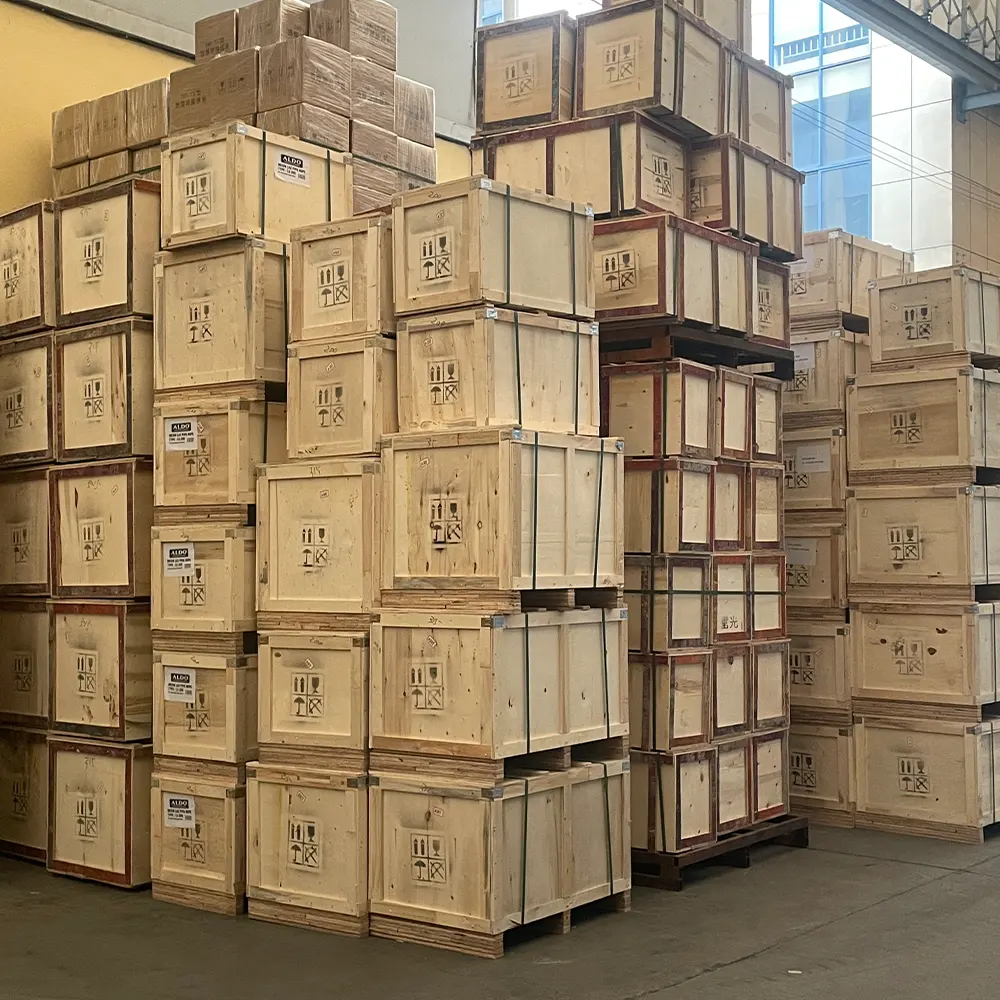
Key criteria to vet HDPE welder wholesalers
• Certification & compliance: Ask for CE marking, ISO 9001 records, and evidence of compliance with ÖNORM or EN standards relevant to pipe fusion.
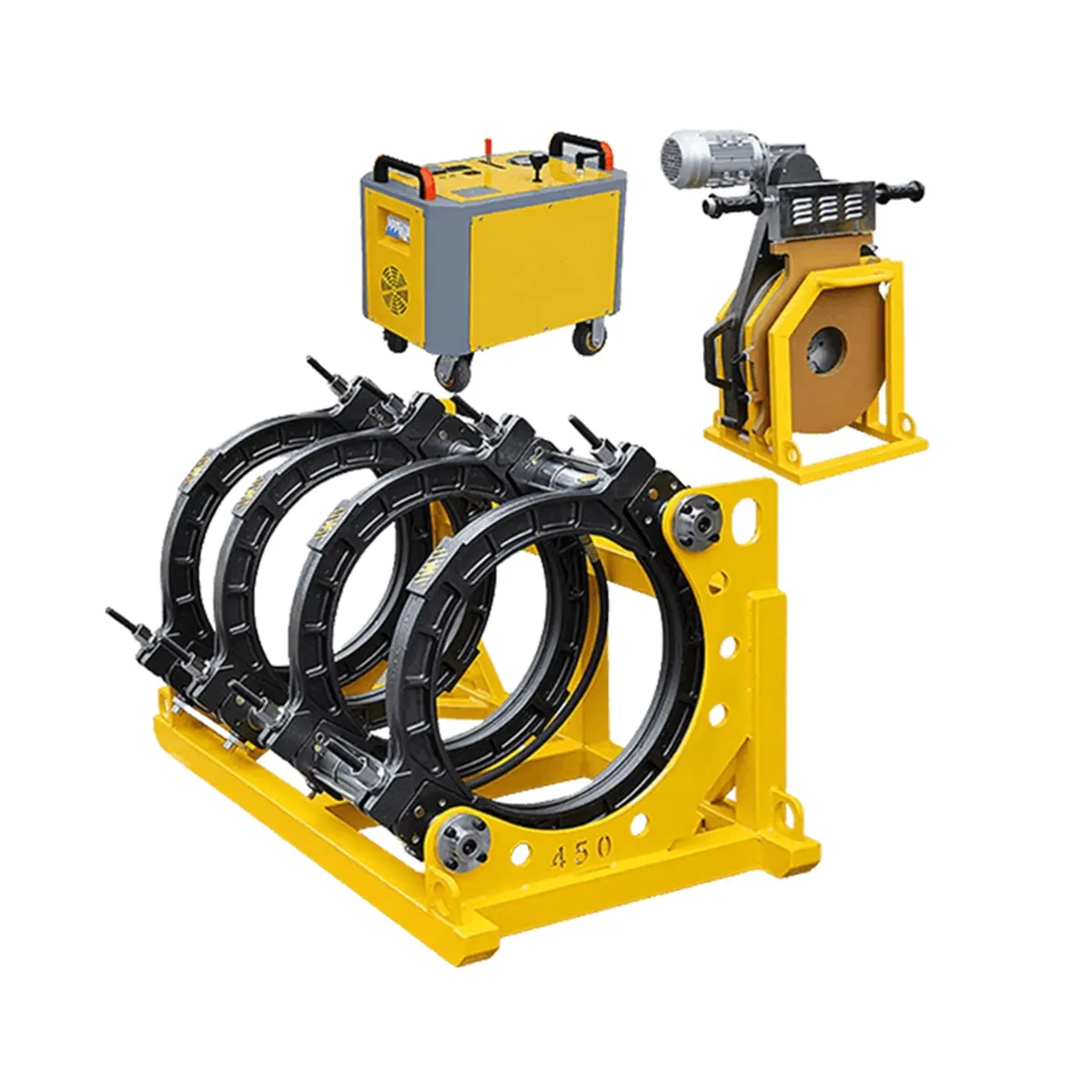
• Product range & spare parts: Confirm availability of manual, hydraulic and automatic butt fusion machines and electrofusion units across the diameters you need.
• Local support & training: Prioritize wholesalers who can provide German-language manuals, on-site training, or a local technician network.
• Warranty & service terms: Verify clear warranty periods, spare parts lead times within the EU, and repair policies.
• References & project experience: Request recent Austrian or nearby EU project references—municipal water utilities and gas network contractors are valuable indicators.
Quick comparison table: what to ask and why it matters
| What to check | Detail to request | Minimum expectation |
|---|---|---|
| Certifications | CE, ISO 9001, test reports | Valid CE + traceable QA |
| Spare parts | Local stock list & lead times | EU delivery within days/weeks |
| Technical support | German-speaking support & training plan | On-site or remote training available |
| Service network | Authorized repair centers in EU | At least one EU service partner |
Where to search: targeted channels for Austria
• Local distributors and trade shows: Attend Fachmessen or industry fairs in Austria and southern Germany to inspect machines in person.
• Industry associations & public tenders: Check ÖVGW and municipal procurement portals—successful tender participations prove capacity for large infrastructure projects.
• Specialized online marketplaces and B2B portals: Look for suppliers with EU warehouses and verified trade history.
Negotiation, logistics and total cost of ownership
• Ask for bundled quotes that include training, shipping to an Austrian address, VAT handling and spare parts kits.
• For Alpine installations consider machines with robust heating plates and cold-climate operating specs; this reduces rework and downtime.
• Factor in long-term costs: replacement heaters, hydraulic oil, calibration and periodic maintenance—these often add more to lifecycle cost than initial price.
Practical next steps for procurement teams
• Shortlist 3 wholesalers and request technical data sheets, EU compliance documents, and a local reference.
• Arrange a demo or remote video inspection; test cycle logs and quality control records.
• Confirm lead times and spare parts shipping options within the EU to avoid project delays.
Final tip & a local resource
When comparing offers, prioritize suppliers who combine verified certifications, EU-based logistics, and German-language technical support. For reliable manufacturers and global supply—suitable for Austrian projects—consider contacting JQ-Fusion for product details and availability: https://jq-fusionwelding.com/.



