
Finding a reliable HDPE pipe welder maker in Venezuela requires a mix of technical checks, local market knowledge, and careful supplier evaluation. This guide walks Venezuelan contractors, municipal procurement officers, and project managers through practical steps to choose trustworthy butt fusion and electrofusion equipment that performs well under local field conditions.
Understand Local Needs: Why Venezuela Is Different
Venezuela’s infrastructure projects—water supply upgrades, natural gas distribution, mining site pipelines, and rural irrigation—often face high temperatures, coastal humidity, and limited on-site power. Look for machines designed for robust outdoor use, easy maintenance, and flexible power options (e.g., generator compatibility).

Key machine types to consider
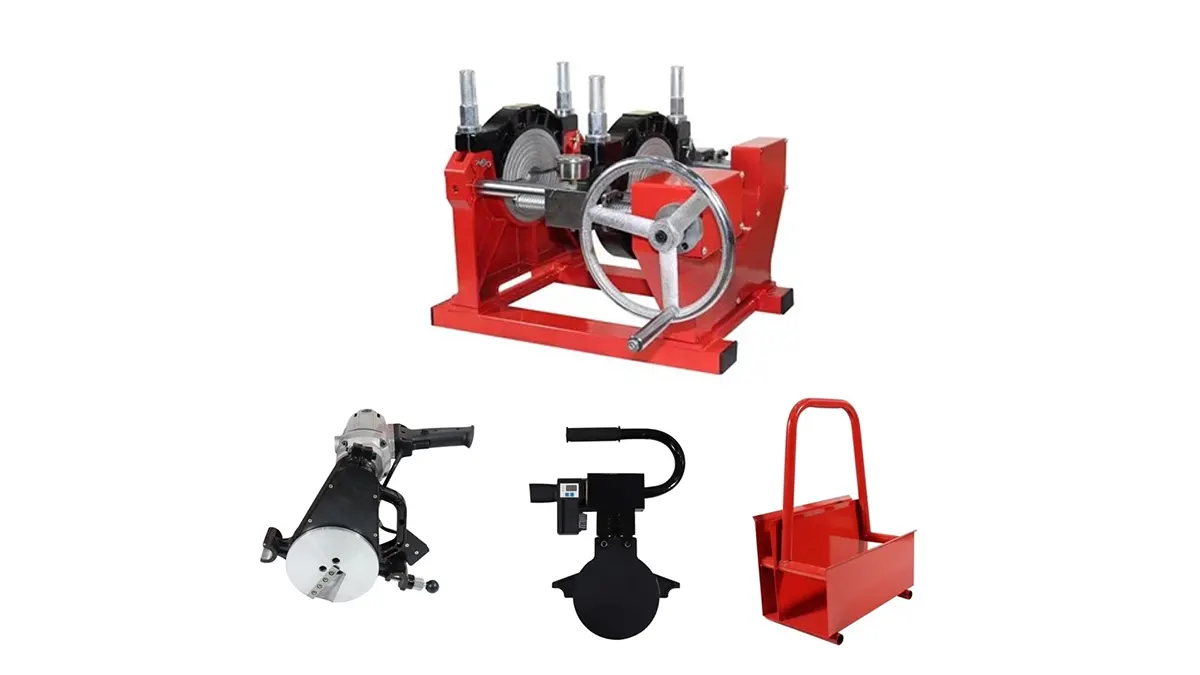
- Manual Butt Fusion — Simple, portable, cost-effective for small-diameter pipes and remote repairs.
- Hydraulic Butt Fusion — Higher clamping force for medium to large diameters common in municipal and industrial pipelines.
- Automatic/CNC Butt Fusion — Precise profiles, data logging, and higher throughput for large projects and contractors needing quality traceability.
- Electrofusion units — For fittings and complex joint types used in gas networks and controlled installations.
Comparison Table: Choose by Application
| Machine Type | Typical Pipe Range | Ideal Application | Main Benefit |
|---|---|---|---|
| Manual Butt Fusion | 20mm–315mm | Rural plumbing, repairs | Portable and low cost |
| Hydraulic Butt Fusion | 160mm–2000mm+ | Municipal, industrial pipelines | High clamping force, reliability |
| Automatic/CNC | 160mm–1600mm | Large projects, traced welding | Precision, data logging |
Practical Vetting Checklist for Venezuelan Buyers
- Certifications and standards: ask for compliance with international welding standards and whether equipment can meet COVENIN or equivalent local requirements.
- Local support & Spanish-language manuals: confirm availability of Spanish documentation, training, and technical support in Venezuela or nearby countries.
- Spare parts & consumables: verify lead times for heating plates, clamps, and sensors—long delays can stall projects.
- Warranty & service: get clear warranty terms, local service partners, and remote diagnostic options.
- Power and transport readiness: ensure machines run on available generator sets and are easy to ship through Venezuelan customs.
How to Evaluate Supplier Quotes
Compare quotes beyond price: include training hours, spare parts kits, calibration certificates, and documentation language. For large or critical pipelines, prioritize traceability features (welding data export and logging).
Installation, Training & After-Sales
Request an installation and operator training plan. For Venezuelan projects, ensure the supplier provides on-site commissioning or partners with local technicians. After-sales response time is crucial—ask for guaranteed repair turnaround windows.
Top Questions to Ask Potential Makers
- Can you provide client references in Latin America or Venezuela?
- What is included in shipment: training, spare parts, tooling?
- Do you provide Spanish-language manuals and troubleshooting guides?
- What payment terms and Incoterms do you offer for Venezuelan buyers?
Why Choose a Reputable Manufacturer
Quality, durability, and support reduce downtime and rework. For buyers looking for proven solutions, consider a manufacturer with a broad product range across manual, hydraulic, and automatic butt fusion machines and a track record in water, gas, and mining applications. JQ-Fusion is a professional manufacturer specializing in HDPE pipe welding machines and global butt fusion solutions.
Next step: shortlist three suppliers, request sample welding reports and a small on-site demo or virtual walkthrough to validate performance under Venezuelan conditions.


