
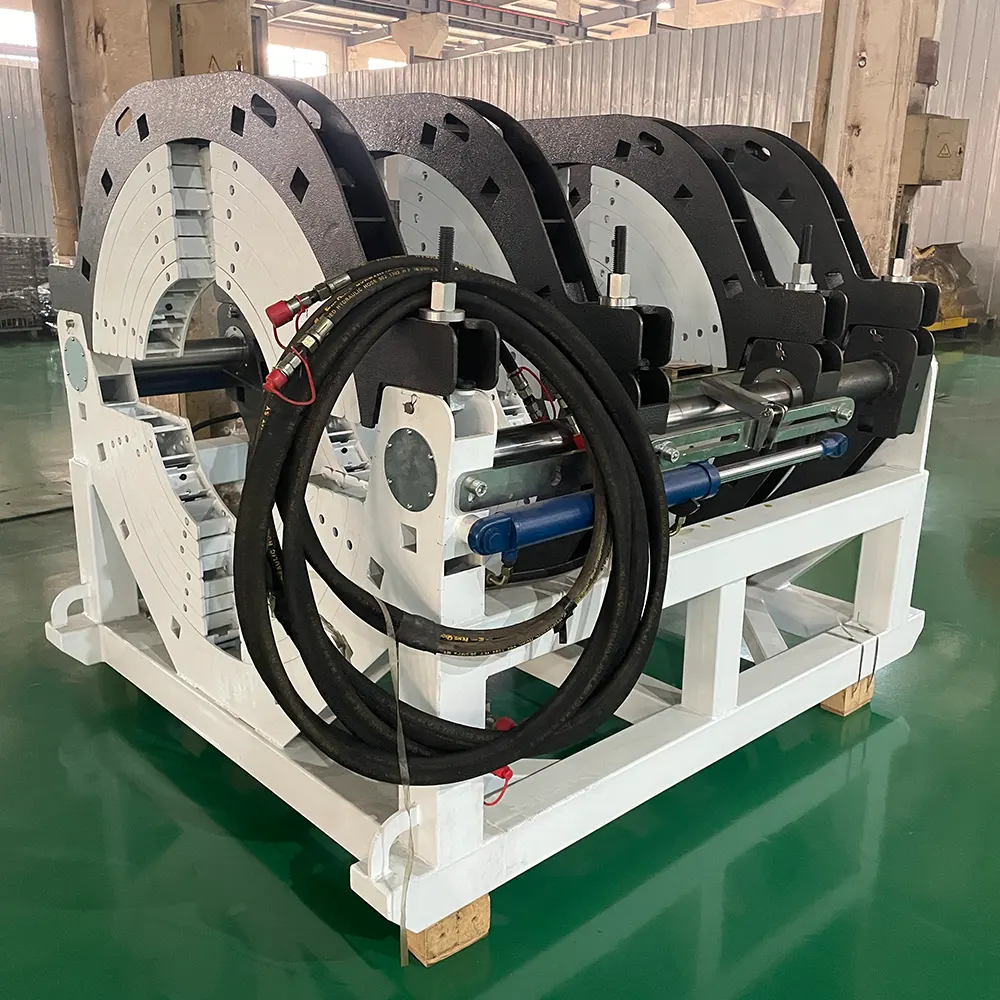
Choosing the right pipe fusion machine is one of the most important decisions in any pipeline project. Whether you are building a municipal water line, a gas distribution network, or an industrial piping system, the machine you select will directly affect weld quality, installation speed, project safety, and long-term operating costs. A well-matched machine helps your team work efficiently and consistently, while the wrong choice can lead to rework, delays, and unnecessary expenses.
Pipe fusion technology is widely used for joining thermoplastic pipes, especially HDPE pipes, because it creates strong, leak-resistant joints that perform well under demanding conditions. However, not every fusion machine is suitable for every job. The best solution depends on pipe diameter, material, site conditions, operator skill, production requirements, and budget. That is why project managers, contractors, and distributors need a practical way to compare machine types and choose with confidence.
Before making a purchase, it helps to understand the main categories of fusion equipment and how they fit different applications. If you are comparing models or looking for a trusted butt fusion machine supplier, it is worth paying close attention to welding accuracy, hydraulic stability, customization options, and after-sales support. These factors are often more important than price alone.
What Is a Pipe Fusion Machine?
A pipe fusion machine is used to join plastic pipes and fittings by heating the pipe ends and pressing them together under controlled force. The result is a homogeneous joint that can be as strong as, or stronger than, the pipe itself when performed correctly. This method is commonly used for HDPE pipelines because it supports long-distance transport of water, gas, slurry, and industrial media.
There are several fusion methods, but butt fusion is one of the most widely used for medium to large diameter pipelines. It is favored because it provides dependable joints, good efficiency, and compatibility with many project environments. For this reason, many contractors choose machines designed specifically for butt fusion work.
⭐ Key point: A good fusion machine is not just a tool; it is a quality-control system for the entire pipeline project.
Know Your Project Requirements First
Before selecting a machine, define your project conditions clearly. The most suitable equipment for a small farm irrigation line may be completely different from the machine needed for a city gas pipeline or a mining slurry system. Start by identifying the following:
1. Pipe diameter range — The machine must cover the pipe sizes used in your project. Small-diameter equipment is easier to transport, while larger machines are necessary for major infrastructure work.
2. Pipe material and wall thickness — HDPE is the most common material for butt fusion, but the exact pipe specification affects heater size, clamping force, and tooling requirements.
3. Jobsite environment — Indoor workshops, open fields, mountains, mines, and remote construction zones each create different demands for portability, power supply, and durability.
4. Production volume — A short-term repair job may only need a manual model, while a high-volume project may benefit from a hydraulic or CNC automatic system.
5. Operator experience — Skilled teams can work efficiently with manual systems, but automatic machines reduce dependence on operator judgment and improve consistency.
Understand the Main Machine Types
Pipe fusion machines generally fall into three main categories: manual, hydraulic, and CNC automatic. Each has its own advantages, and the right choice depends on how much control, automation, and productivity your project requires.
Manual Butt Fusion Machines
Manual machines are often selected for smaller projects, budget-sensitive purchases, or teams that need simple operation. They are easier to maintain and usually cost less than more advanced systems. However, they rely more heavily on operator skill, which means weld consistency can vary if the crew is inexperienced.
Best for: small pipe diameters, low-volume jobs, temporary installations, and projects with limited budgets.
Hydraulic Butt Fusion Machines
Hydraulic machines are a popular middle ground because they provide better pressure control and improved weld uniformity. They are widely used in water supply systems, gas distribution networks, and industrial projects. The hydraulic system helps maintain stable clamping force and reduces the risk of irregular welds.
For many contractors, hydraulic equipment offers the right balance of performance, reliability, and affordability. It is also a practical choice when pipe sizes vary across different project stages.
CNC Automatic Butt Fusion Machines
CNC automatic machines are designed for high precision and repeatable performance. They reduce human error by controlling key welding parameters automatically, which is especially valuable for large-scale and strict-specification projects. Although these systems usually require a higher investment, they can lower long-term labor costs and improve quality assurance.
If your project demands strict process control, traceability, and production efficiency, automation may be the smartest investment. This is especially true for contractors handling multiple welds each day or working under demanding technical standards.
Key Factors to Compare Before Buying
When comparing different models, focus on the features that influence real-world welding performance. A machine may look similar on paper, but small differences in construction quality and control systems can have a major impact on results.
Welding temperature accuracy is one of the first things to evaluate. The heating plate must provide stable and even heat so the pipe ends soften properly. Poor temperature control can weaken the joint or create uneven fusion surfaces.
Hydraulic pressure stability is equally important for machines that rely on hydraulic operation. Pressure should remain consistent throughout the weld cycle, because sudden changes may affect bead formation and final joint strength.
Clamp alignment quality also matters. If the pipe ends are not aligned correctly, the resulting weld can become weak or distorted. Precision clamping reduces this risk and improves overall joint reliability.
Machine build quality should not be overlooked. A well-built frame, durable hydraulic components, and reliable electrical parts help extend service life and reduce maintenance costs.
✔ Practical advice: Do not choose a fusion machine only by price. Compare performance, service support, spare parts availability, and how well the machine matches your project size.
Portability, Installation, and Site Conditions
Some projects take place in fixed workshops, but many are installed in remote or difficult locations. In these cases, portability becomes a major factor. A machine that is easy to transport, assemble, and reposition can save time and reduce labor burden on site.
For remote projects, it is also important to evaluate power supply compatibility, weather resistance, and machine stability on uneven ground. Equipment with a compact structure and strong frame may be easier to deploy in challenging environments such as mines, mountain pipelines, and temporary construction sites.
Why Customization Matters
Every project has unique requirements, and standard equipment is not always the best answer. Customization can make a big difference in efficiency and convenience. Many manufacturers offer OEM and ODM services to help customers adjust machine size, voltage, color, branding, and configuration according to market or project needs.
This is especially valuable for distributors who want to build their own brand identity, or for contractors who need special configurations for specific pipeline standards. Customized solutions can also improve the working experience by matching the machine more closely to the actual jobsite conditions.
JQ-Fusion is known for flexible OEM and ODM support, which helps clients develop equipment that fits both technical requirements and business goals. Their experience in HDPE pipe welding machines makes them a useful reference point for companies seeking dependable and adaptable fusion solutions.
How Manufacturer Strength Influences Your Purchase
Choosing the right machine is only part of the decision. The manufacturer behind the machine is equally important. A strong manufacturer can provide better product consistency, technical guidance, parts supply, and long-term service support. These advantages are especially valuable when your project spans multiple regions or requires fast turnaround.
Look for a supplier with proven manufacturing capability, strict quality inspection, and a clear commitment to after-sales support. Companies with modern production lines and experienced engineering teams are usually better able to maintain stable product performance. This can reduce the risk of delays and improve confidence during installation.
JQ-Fusion, for example, focuses on reliable butt fusion solutions for global pipeline projects and has over 20 years of industry experience. Their product range includes hydraulic butt fusion welding machines, automatic butt fusion welding machines, electrofusion welding machines, and multi-angle pipe fitting welding machines. For buyers who need a dependable long-term partner, these capabilities are worth considering.
Certifications, Testing, and Quality Assurance
Certifications help confirm that a machine is built to recognized standards, but the testing process is just as important. Before delivery, each unit should undergo inspection for temperature accuracy, hydraulic pressure stability, and clamp alignment. These checks help ensure the machine performs reliably in real project conditions.
Products certified by organizations such as SGS provide additional reassurance for global buyers. When working on international projects, compliance with accepted standards can simplify procurement and reduce technical risk. It also shows that the manufacturer takes product reliability seriously.
Important: A reliable supplier should explain how each machine is tested before shipment and what support is available after installation.
Support, Training, and Delivery Time
Even a high-quality machine may underperform if the team does not receive proper guidance. That is why technical support and training are essential. Good suppliers help with product selection, operational instruction, installation, and troubleshooting. This support can shorten the learning curve and reduce costly mistakes.
Delivery speed is another practical concern. Large projects often operate under strict timelines, so stable stock supply and efficient logistics are major advantages. If a supplier can provide fast shipping and responsive service, it becomes easier to keep the project moving without unnecessary downtime.
A Simple Selection Checklist
To choose the right machine, use a practical checklist during procurement:
• Match the machine to pipe diameter and material.
• Decide whether manual, hydraulic, or CNC automatic control is best.
• Check temperature, pressure, and clamp alignment performance.
• Confirm portability and power compatibility for the jobsite.
• Evaluate customization, spare parts, and technical support.
• Review certifications and factory quality control procedures.
When these points are considered together, the buying decision becomes much clearer. The goal is not simply to purchase a machine, but to secure a stable and efficient welding process for the entire project lifecycle.
Conclusion
Choosing the right pipe fusion machine requires a balance of project needs, machine performance, supplier reliability, and long-term operating value. Manual machines may suit smaller and simpler jobs, hydraulic systems offer strong all-around performance, and CNC automatic machines are ideal for precision-driven or high-volume work. By focusing on weld quality, site conditions, customization, support, and manufacturer capability, you can make a choice that improves both productivity and reliability.
For contractors, distributors, and project owners, the best machine is the one that aligns with the actual job rather than the cheapest option on the market. A thoughtful purchase today can reduce welding issues, improve workflow, and protect your investment for years to come.
Frequently Asked Questions
Q1: Which pipe fusion machine is best for small projects?
A manual butt fusion machine is often the best choice for small projects because it is simple, affordable, and easier to maintain.
Q2: Why should I choose a hydraulic machine instead of a manual one?
Hydraulic machines provide better pressure control and more consistent welding results, which makes them suitable for many medium-sized and professional pipeline jobs.
Q3: Are CNC automatic machines worth the higher cost?
Yes, especially for large projects or strict technical applications, because they improve precision, reduce operator error, and support repeatable quality.
Q4: What quality checks should a good supplier provide?
A reliable supplier should test temperature accuracy, hydraulic pressure stability, and clamp alignment before shipment.
Q5: Can fusion machines be customized for different markets?
Yes, many manufacturers offer OEM and ODM customization for size, voltage, color, branding, and project-specific configurations.



