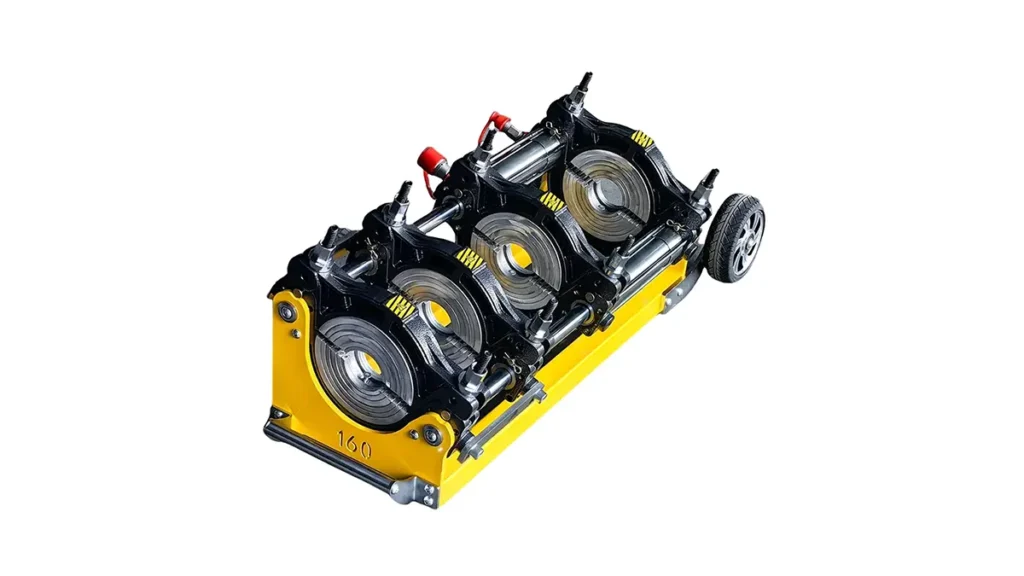
Selecting the right polyethylene welding machine is a critical decision that directly impacts the integrity and longevity of your piping system. Whether you are working on municipal water supply, gas distribution, or industrial applications, understanding the nuances of different welding technologies ensures you achieve consistent, high-strength joints. This guide breaks down the essential factors to consider, from machine types and pipe specifications to international quality standards.
Understanding the Main Types of Polyethylene Welding Machines
Before evaluating technical specifications, it’s important to identify which fusion method best suits your workflow. The three primary categories—butt fusion, electrofusion, and multi-angle fitting machines—each serve distinct purposes in the field.
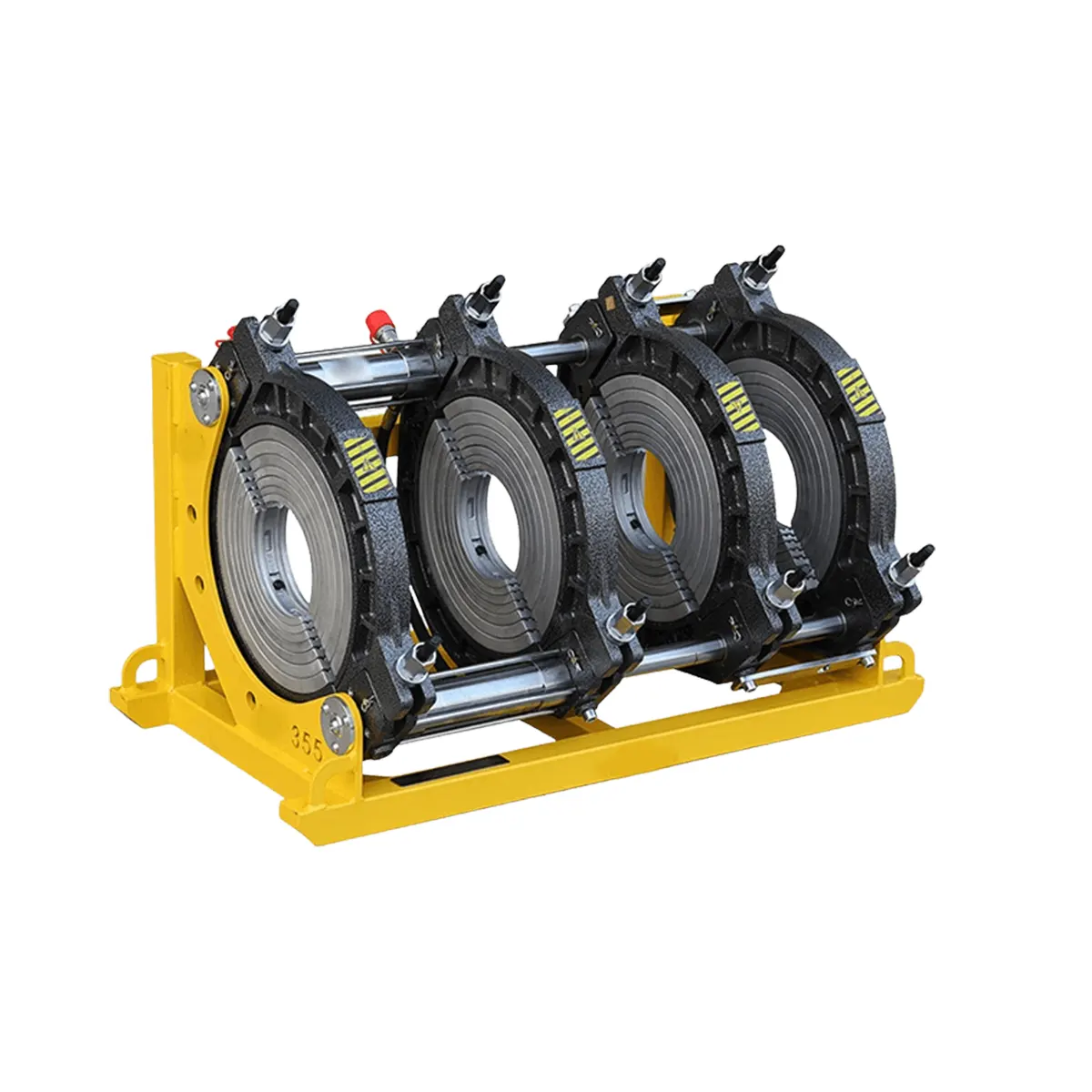
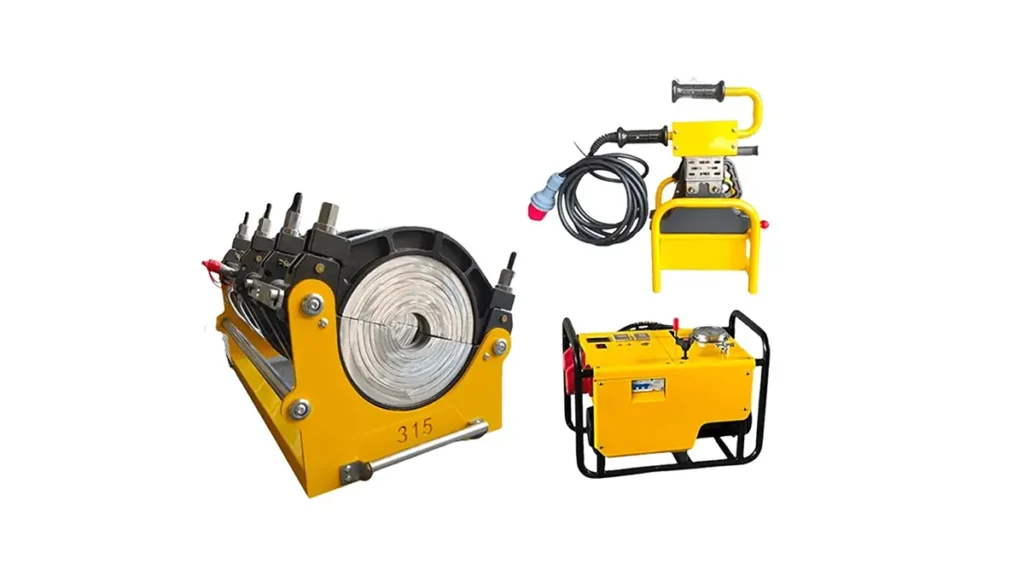
Hydraulic Butt Fusion Machines
These machines are the industry standard for joining HDPE pipes from small diameters up to 2250mm. A hydraulic butt fusion welding machine utilizes a controlled heating plate to melt the pipe ends before pressing them together under precise pressure. The key advantage lies in its ability to handle high-pressure applications with exceptional reliability. Modern units feature data-logging capabilities that record every parameter of the welding cycle, providing full traceability for quality assurance documentation.
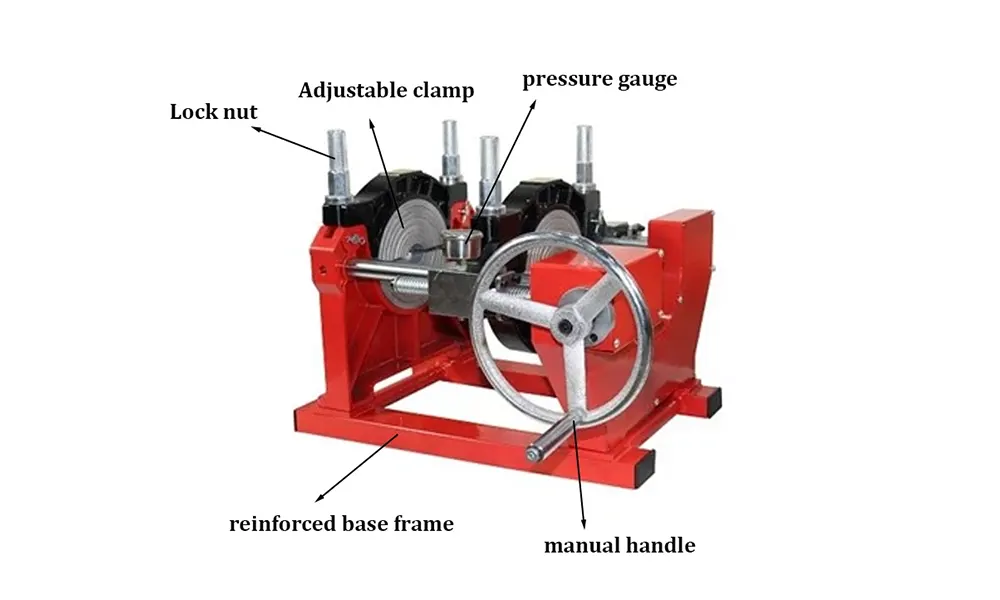
Manual Butt Fusion Machines
For smaller diameter pipes typically ranging from 40mm to 315mm, manual butt fusion welding machines offer a cost-effective and portable solution. They require the operator to manually apply the force needed for the heating and fusion stages. These machines are particularly popular among contractors who need to move quickly between job sites and value simplicity over automation.
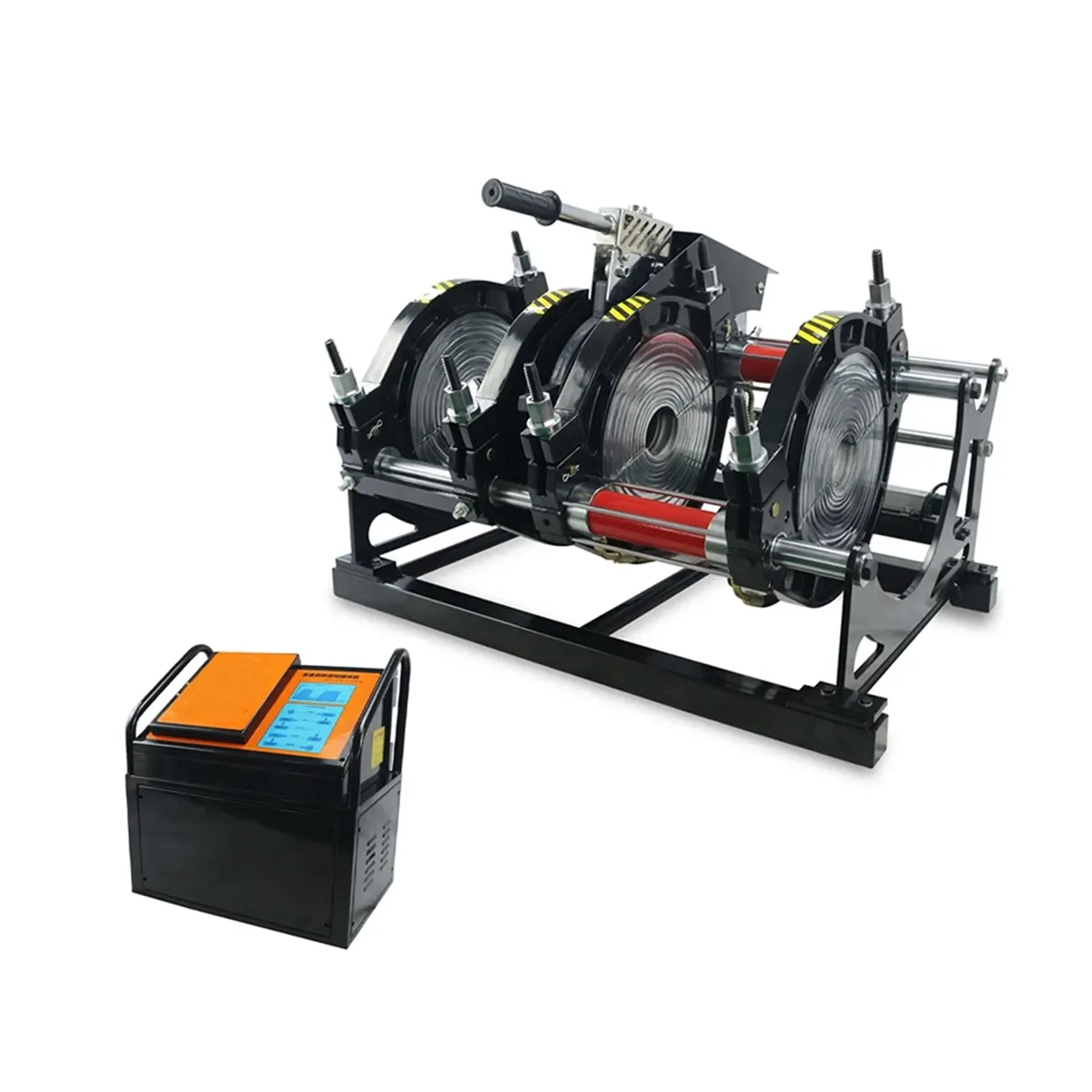
CNC Automatic Butt Fusion Machines
When projects demand absolute consistency and minimal operator intervention, CNC automatic butt fusion welding machines are the preferred choice. These systems automate the entire welding process, from facing and heating to fusion and cooling. By removing human variables, they significantly reduce the risk of procedural errors. This is particularly critical for large-scale infrastructure projects governed by strict regulatory standards.
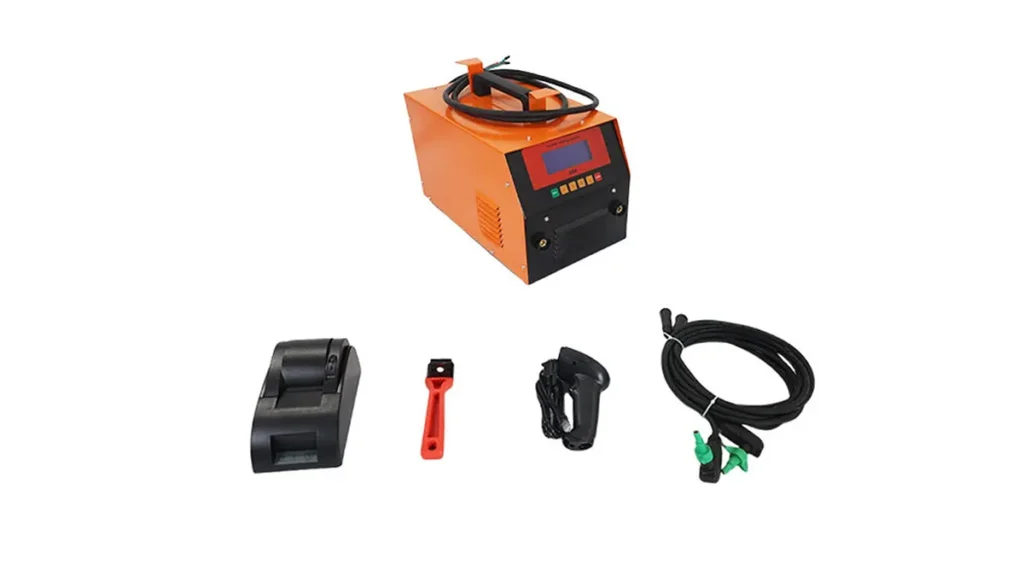
Electrofusion Machines
Electrofusion is a different approach that uses special fittings with embedded heating coils. An electrofusion machine sends an electric current through these coils, melting the fitting and the pipe surface together. This method excels in tight spaces, repair scenarios, or when joining pipes of different wall thicknesses, as it does not require the large axial movements needed for butt fusion.
Key Project Factors to Evaluate
To narrow down your options, match the machine capabilities to the specific demands of your project. The following table provides a quick reference for aligning machine types with common application requirements.
| Selection Criteria | Hydraulic Butt Fusion | Manual Butt Fusion | CNC Automatic | Electrofusion |
|---|---|---|---|---|
| Pipe Diameter Range | 160mm – 2250mm | 40mm – 315mm | 160mm – 630mm | 20mm – 800mm |
| Pressure Rating Suitability | High (SDR 11, SDR 9) | Medium to High | High (SDR 11, SDR 9) | All pressure classes |
| Operator Skill Level | Trained operator required | Experienced operator needed | Minimal training needed | Trained operator required |
| Data Logging | Often available | Rarely available | Built-in standard | Built-in standard |
| Typical Applications | Water mains, mining | Plumbing, irrigation | Gas distribution, critical lines | Repairs, tight spaces |
Technical Specifications and Standards Compliance
A high-quality polyethylene welding machine must adhere to recognized international standards. Compliance ensures that the equipment can produce joints meeting the mechanical and chemical resistance requirements for long-term service. Look for machines that reference PE butt fusion equipment standard ISO 12176-1 and procedures aligned with ISO 21307 butt fusion procedures.
For projects in North America, verifying compliance with ASTM F2620 heat fusion standards is equally important. Key technical features to inspect include the temperature control accuracy of the heating plate (typically within ±5°C), the alignment precision of the clamps, and the consistency of the hydraulic pressure system. Manufacturers that provide detailed certification documentation demonstrate a commitment to quality that translates into field reliability.
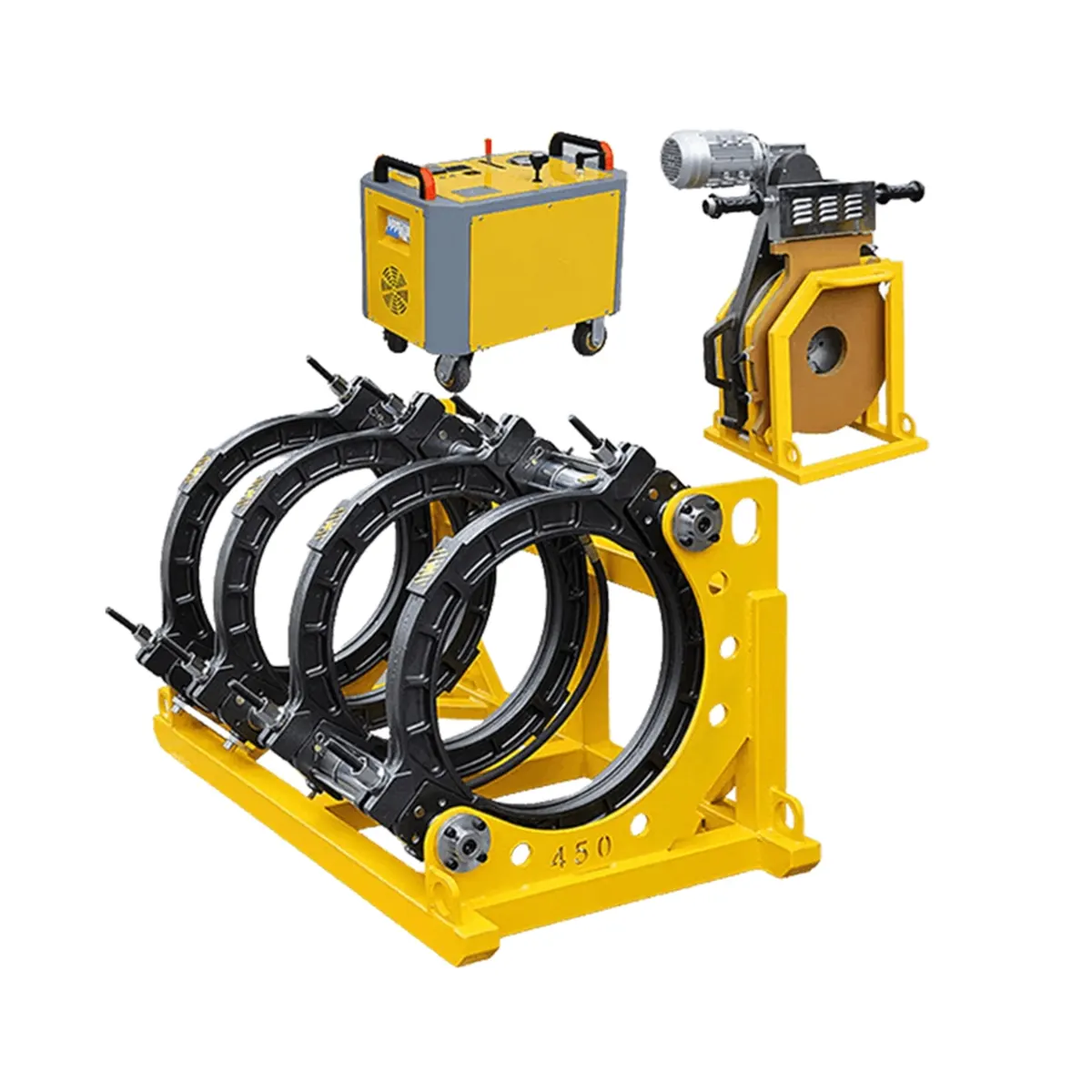
Evaluating Machine Construction and Durability
The working environment for pipe welding is often harsh, involving mud, dust, and extreme temperatures. The construction of the machine frame and clamps directly affects its lifespan and the quality of the welds.
- Frame Material: A rigid steel frame with corrosion-resistant coating prevents flexing that could misalign pipes during the fusion cycle.
- Clamp Design: Look for machines with drop-forged or precision-machined clamps that provide secure gripping without damaging the pipe surface. Aluminum clamps offer a good balance of strength and weight for portability.
- Heating Plate Coating: Non-stick PTFE (Teflon) coating on the heating plate is essential to prevent molten polyethylene from adhering, which would contaminate subsequent joints and slow down operations.
- Trimmer Design: A robust, sharp trimmer ensures perfectly flat and parallel pipe ends, a fundamental prerequisite for a strong butt fusion joint.
Assessing Long-Term Total Cost of Ownership
While the initial purchase price of a polyethylene welding machine is an important consideration, the total cost of ownership extends far beyond that. A lower-priced machine might lack durability, leading to frequent breakdowns, downtime, and inconsistent weld quality that could result in costly pipeline failures or rework.
Consider the following long-term cost factors:
- Consumables and Spare Parts: Evaluate the availability and pricing of heating plates, trimmer blades, and hydraulic seals. A machine with readily available, standardized parts reduces maintenance delays.
- Operator Training and Efficiency: Automatic and CNC machines reduce the reliance on highly specialized (and expensive) labor. A machine that is intuitive to operate can improve daily productivity significantly.
- Warranty and Manufacturer Support: A manufacturer with a responsive support network, including technical guidance and after-sales care, minimizes the impact of any operational issues. JQ-Fusion, for instance, is committed to providing durable and customizable welding equipment with rigorous quality assurance processes, ensuring that each unit meets stringent performance criteria before delivery.
Integration with Project Workflow and Logistics
Your choice should also reflect the practical realities of your job site logistics. For projects in remote locations or those requiring frequent relocation of equipment, the portability of the machine becomes a primary concern. Manual and smaller automatic machines with integrated carts or lifting eyes simplify transportation. For large-diameter piping systems, the logistical planning for moving a heavy hydraulic butt fusion machine into and along the trench line must be factored into the equipment specification process.
Generators or direct power supply requirements also vary. Electrofusion machines typically operate on standard portable generators, while larger hydraulic power packs may require more substantial power sources. Ensuring compatibility between your site’s power infrastructure and the machine’s requirements prevents critical delays during the fusion process.
Making the Final Decision
Selecting the best polyethylene welding machine is a strategic investment in the quality and profitability of your infrastructure projects. Start by clearly defining your pipe diameter range, required pressure ratings, and the working conditions. Match these requirements against the capabilities of manual, hydraulic, CNC automatic, and electrofusion systems. Always prioritize machines that demonstrate compliance with established standards and are backed by a manufacturer known for quality and responsive support. For further information on specific models and applications, you can explore the full range of butt fusion and electrofusion products available from specialized manufacturers.