

Choosing the best polyethylene (HDPE) welding machine company in Morocco is critical for contractors, municipal engineering teams, and private developers working on water, gas, mining, or agricultural irrigation projects. This guide explains the practical factors Moroccan buyers should evaluate so they can select reliable butt fusion solutions that suit local climates, logistics, and labour skills.
Understand the Local Project Landscape
Morocco’s infrastructure needs vary from urban water networks in Casablanca and Rabat to rural irrigation schemes in Souss-Massa and large industrial pipelines in the north. When evaluating suppliers, prioritize companies that understand local installation conditions: high temperatures in summer, dusty coastal sites, and variable access to power and workshop facilities. Experienced vendors will recommend equipment that balances mobility, durability, and welding precision.
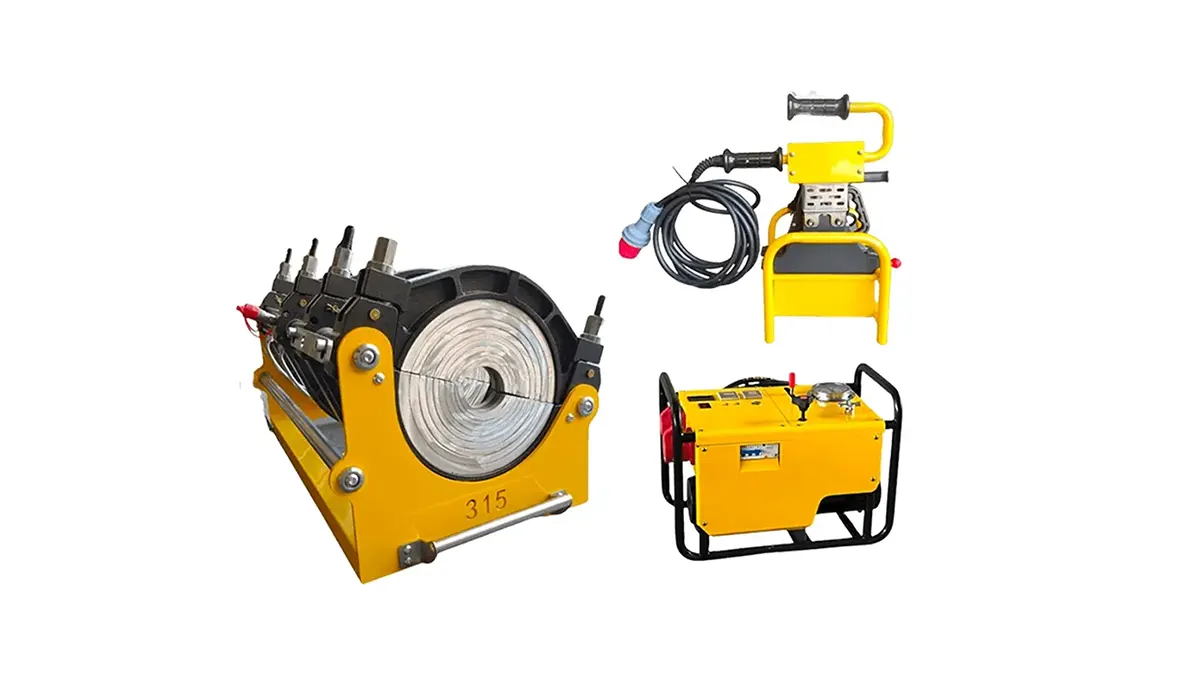
Key performance areas Moroccan buyers focus on
Durability for harsh sites, portability for remote roads, and consistent weld quality for long-term pipeline integrity. Local teams also prefer machines with easy-to-source spare parts and clear training materials in French or Arabic.
Seven Criteria to Evaluate Polyethylene Welding Machine Suppliers
1. Product Range and Specialization
Check whether the supplier offers manual, hydraulic, and automatic butt fusion options to match small municipal jobs and large industrial pipelines. A diverse range indicates manufacturing depth and the ability to deliver the right tool for each pipe diameter.
2. Quality Control & Certifications
Look for ISO or CE marks and documented welding test reports. Proven quality control reduces rework and downtime—especially important where project schedules are tight and field repairs are costly.
3. Spare Parts & Local Service
Fast access to wear parts (heating plates, clamps, hydraulic seals) and technical support in the same time zone is a major advantage. Consider suppliers with partnered distributors or service agents in Morocco or nearby North African markets.
4. Training & Documentation
On-site or virtual operator training, plus clear manuals in French/Arabic, speeds up deployment and improves weld consistency across teams with varying experience levels.
5. Shipping & Logistics
Freight-friendly packaging and exporters familiar with Moroccan customs procedures reduce lead times and import costs. Confirm packaging for long-haul sea or road transport and availability of export documentation.
6. Warranty & After-sales Support
Robust warranty terms and a responsive spare-parts channel are essential. Prioritize vendors who provide multi-year support and flexible warranty options for commercial projects.
7. Local References & Case Studies
Ask for regional project examples or references from other African countries. Suppliers who can demonstrate successful installations in similar climates bring practical solutions to Moroccan projects.
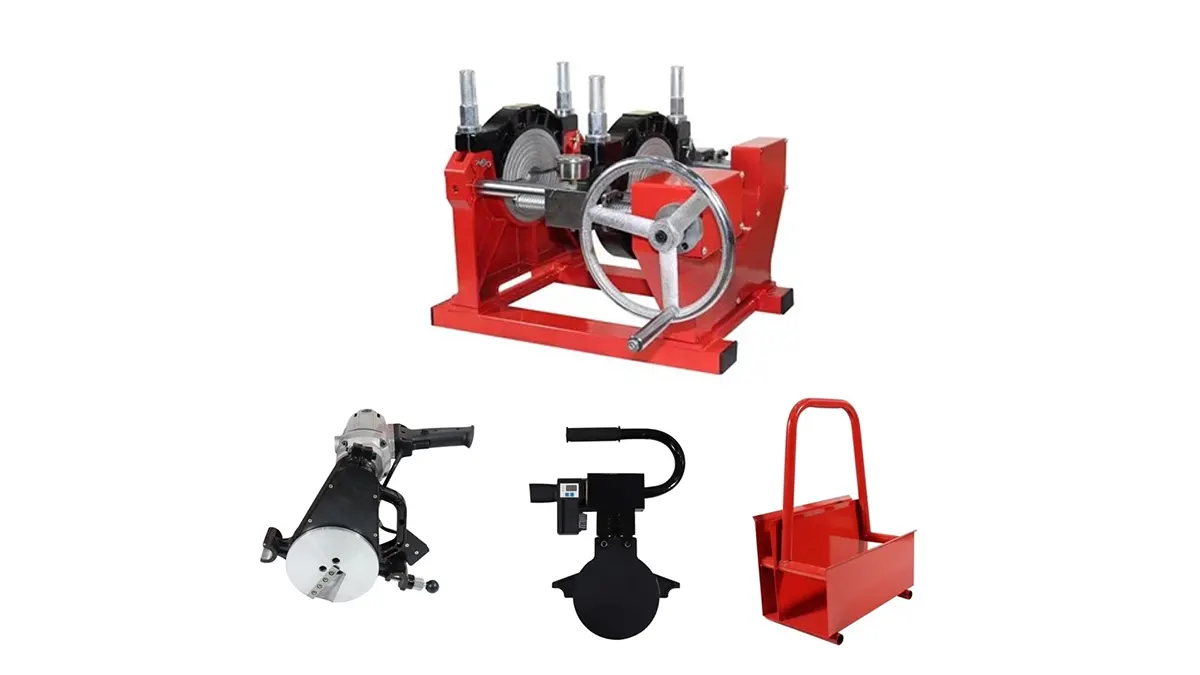
Quick Comparison Table: Machine Types (At-a-Glance)
| Machine Type | Best For | Key Benefit | Typical Pipe Range |
|---|---|---|---|
| Manual Butt Fusion | Small sites, limited budget | Simple, low-maintenance | 20mm – 630mm |
| Hydraulic Butt Fusion | Medium to large diameter pipelines | Stable pressure control, higher force | 160mm – 2250mm |
| Automatic/CNC Butt Fusion | High-volume production, precision | Repeatable weld cycles, digital records | 63mm – 1600mm+ |
Local Considerations Unique to Morocco
Project planners should factor in seasonal weather (heat and occasional heavy rain), workforce language preferences (French and Arabic), and available transport infrastructure. Coastal projects need corrosion-resistant fittings and attention to sand/dust tolerance in moving parts. For inland and mountainous regions, choose equipment that is easy to disassemble and move by smaller vehicles.
Procurement & Financing
Public tenders in Morocco often require warranty guarantees and delivery timelines. Private contractors may benefit from flexible payment terms or leasing options—discuss financing directly with the supplier or their local distributor.
About the Manufacturer
JQ-Fusion is a professional manufacturer specializing in HDPE pipe welding machines, offering manual, hydraulic, and CNC automatic butt fusion equipment that covers a wide range of pipe sizes used in water supply, gas distribution, mining, and industrial pipelines. They emphasize durable, customizable machines, strict quality control, and responsive service to support global infrastructure projects.
Final Checklist Before You Buy
Before placing an order, confirm the following: delivery lead time to Morocco, spare parts list and shipping plan, on-site or virtual training availability, warranty terms, and whether installation support is offered. Request demonstration videos or local references to verify performance under conditions similar to your job sites.
Ready to Decide?
Evaluating welding machines by technical fit, local serviceability, and proven regional experience will help Moroccan teams deliver pipelines that last. Prioritize vendors who combine robust product lines with clear after-sales commitment and logistics expertise for North African projects.



