
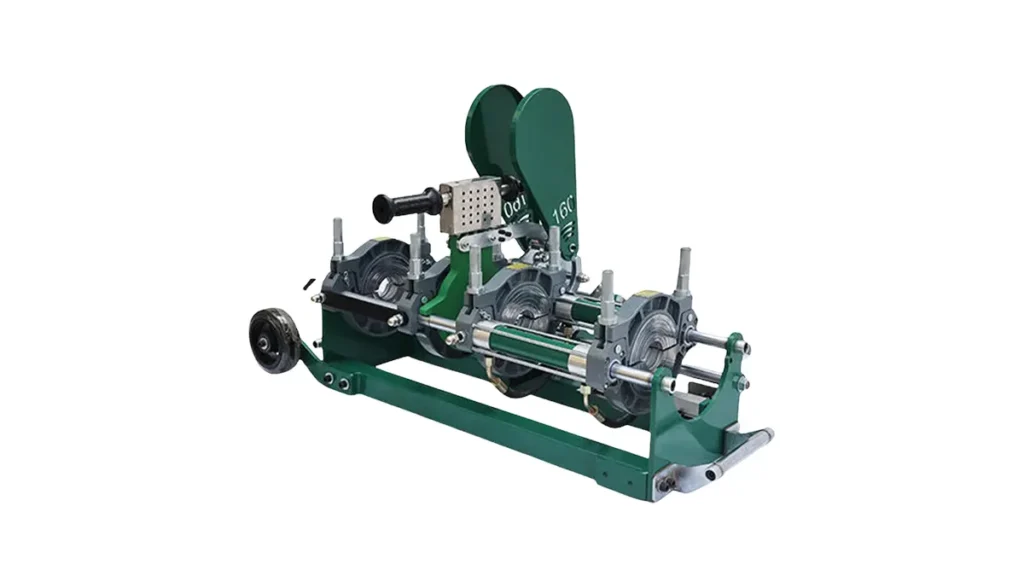
Finding the best HDPE pipe welding machine supplier in Nigeria affects project quality, schedule, and long-term maintenance costs. Whether you’re installing drinking water networks in Lagos, gas distribution in Port Harcourt, or irrigation systems in the north, choosing the right partner for butt fusion equipment ensures safer joints, higher productivity, and predictable project outcomes.
Understand Your Project Needs: Machine Type & Capacity
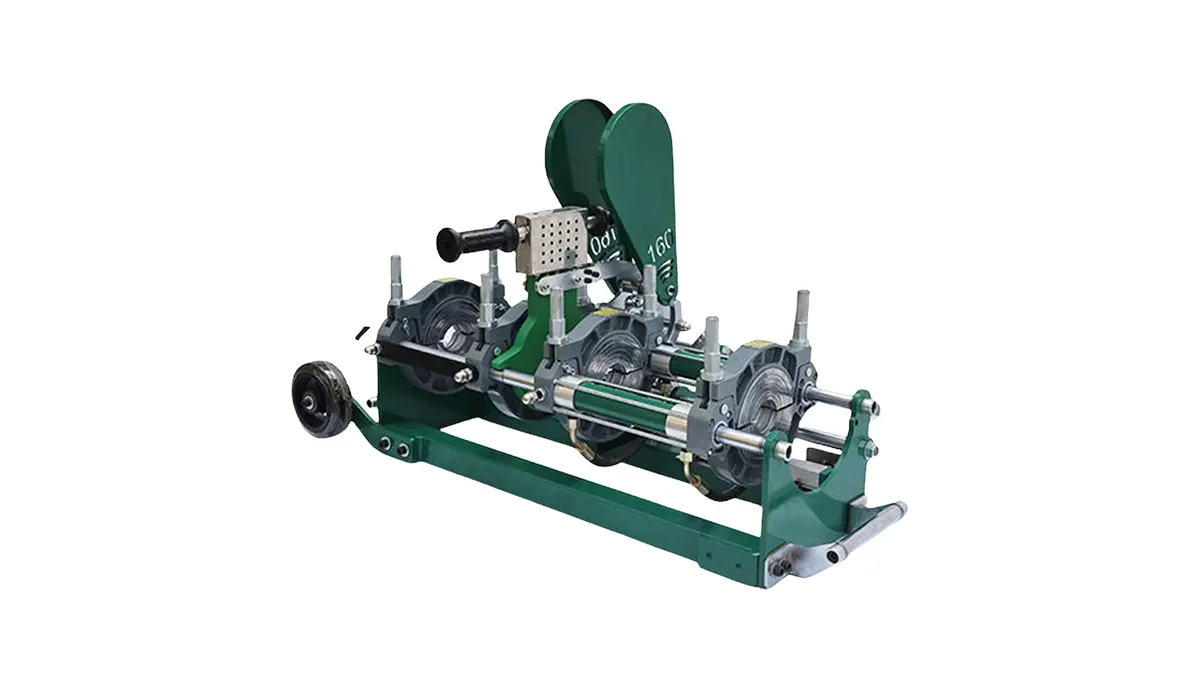
Start by mapping pipe sizes, job locations, and daily welding volume. For small municipal repairs and remote sites, manual and portable hydraulic machines are cost-effective and easy to move. For large civil works or industrial pipeline projects in Nigeria’s growing infrastructure sector, consider automatic/CNC butt fusion machines that deliver consistent weld quality and faster cycle times.
Quick checklist
Pipe diameter range, required weld cycle time, power availability on site, and whether multi-angle or large-diameter capability is needed — these determine model selection and budget.
Key Supplier Criteria for Buyers in Nigeria
When evaluating vendors, compare technical performance and after-sales strengths. Nigerian projects often face logistics, power and environmental challenges — prioritize suppliers who can address them.
What to evaluate
Product quality (materials, heating plate accuracy), local support and spare parts, clear warranty terms, and evidence of successful deliveries to similar African projects. Also ask about user training, on-site commissioning, and technical documentation in English.
Supplier Comparison Table — What Matters Most
| Evaluation Criteria | Why it matters | What to ask |
|---|---|---|
| Machine reliability & accuracy | Ensures consistent welds, fewer reworks | Calibration specs, tolerance on heating plate temp |
| After-sales & spare parts | Reduces downtime, critical in remote Nigerian sites | Spare list, lead times, local stock |
| Training & documentation | Improves weld quality and safety on site | On-site training availability, manuals, weld procedures |
| Shipping, customs & local support | Affects cost and delivery time to ports like Lagos | Incoterms, local partner, import experience |
Certifications, Standards & Local Compliance
Nigerian projects often require adherence to national and international standards. Ask suppliers for material certificates, ISO quality evidence, and documented weld procedures. Certifications reduce surprises during project approvals and help meet standards set by agencies such as the Standards Organisation of Nigeria (SON) and project owners.
Environment & site conditions
Account for Nigeria’s high humidity and coastal salt exposure for storage and maintenance planning. Suppliers that recommend suitable storage, corrosion-resistant components, and protective packaging will save you long-term costs.
Logistics, Lead Time & Cost Transparency
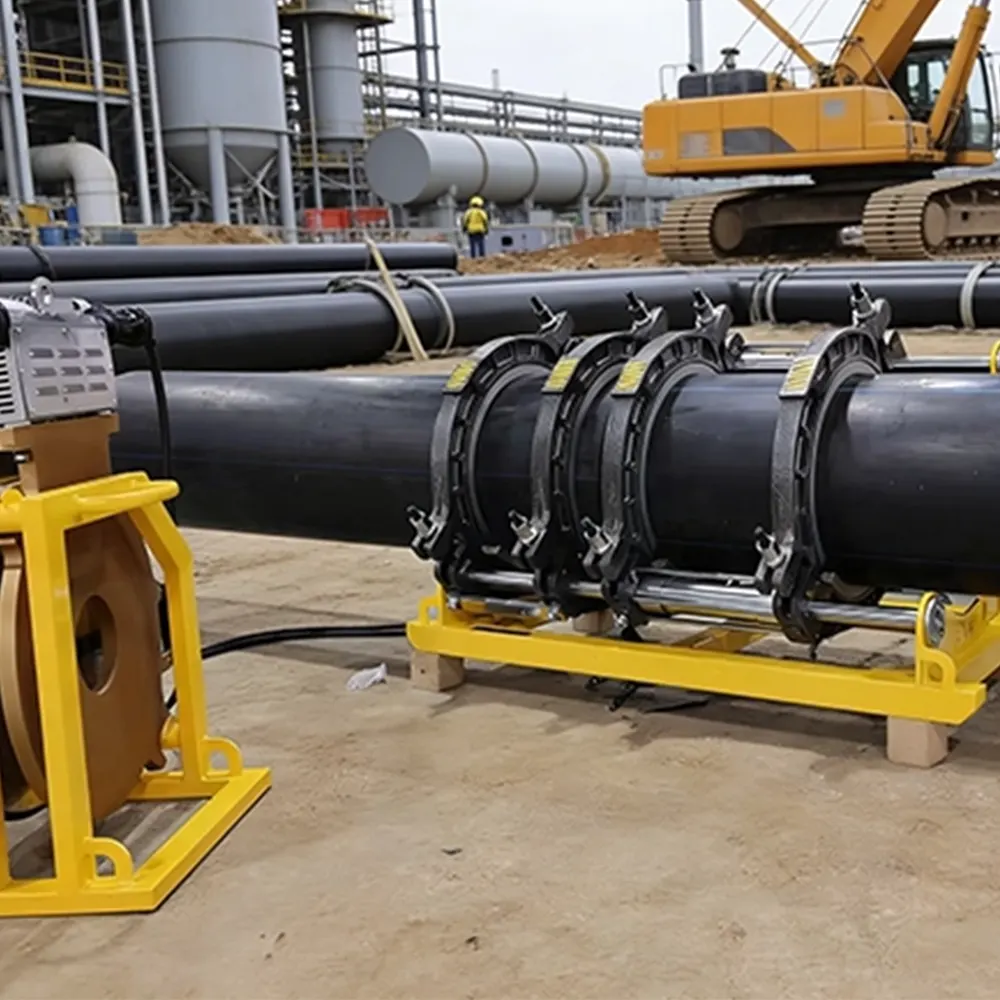
Delivery times to Nigerian project sites can be affected by port congestion, customs inspections, and inland transport. Choose suppliers that provide clear lead times, shipping options (FOB, CIF), and documentation for quicker customs clearance. Transparent pricing should include optional items like clamps, heaters, and spare heating plates.
Payment & warranty
Negotiate payment milestones linked to delivery and acceptance tests. Verify warranty coverage for critical parts and whether on-site repairs or replacement parts will be shipped from local stock or overseas.
Service & Training: A Non-Negotiable
Proper training on butt fusion procedures, machine maintenance, and safety reduces weld failures. Suppliers offering on-site commissioning, operator training, and clear troubleshooting guides improve first-pass yield — especially important for contractors working across Nigeria’s diverse regions.
References, Case Studies & Local Projects
Ask for references from past African or Nigerian projects. Case studies that show installations in water supply, oil & gas or mining contexts demonstrate real-world performance. Photographs, weld logs, and client contacts help validate supplier claims.
One reliable manufacturer to consider
JQ-Fusion is a manufacturer specializing in HDPE pipe welding machines, offering manual, hydraulic, and CNC automatic butt fusion machines with global project experience and customizable solutions — useful for Nigerian infrastructure and industrial pipeline needs. Visit their site for model details and support options: https://jq-fusionwelding.com/
Final Selection Tips — Make a Risk‑Smart Choice
Prioritize suppliers that combine proven machine performance, clear spare-parts logistics, local or regional support options, and training. For large contracts, request sample welds, factory acceptance tests (FAT), and detailed delivery schedules to minimize risk. A supplier that stands behind their machines with timely service will save money and time on Nigerian projects.
Ready to compare models?
Collect quotes, compare the table above, and request references specific to your project type (water, gas, mining). The right HDPE pipe welding machine supplier will be a partner — not just a vendor — helping your Nigerian project finish on time and on spec.



