
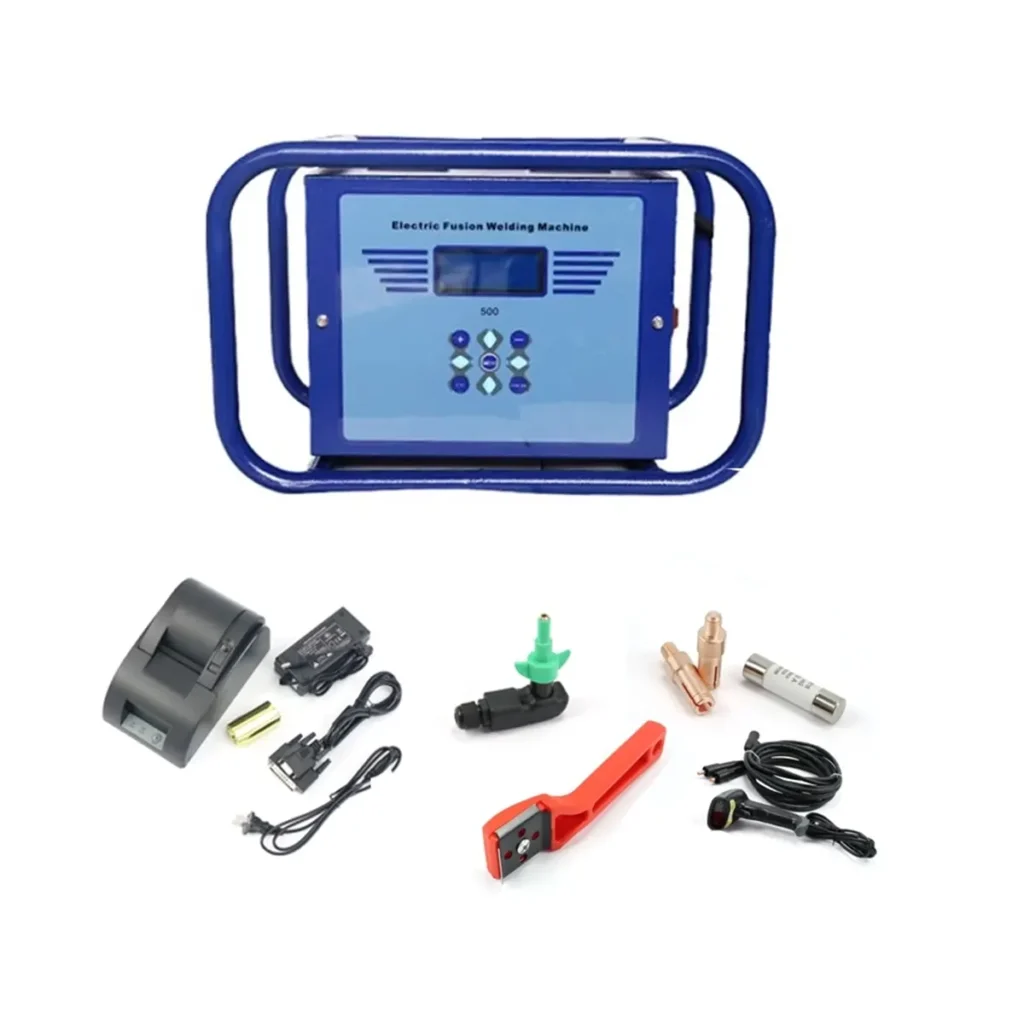
When buying an electrofusion machine in Bulgaria, decision-makers from municipal utilities, pipeline contractors, and agricultural irrigation companies want equipment that matches EU standards, handles local climate extremes, and delivers reliable joint quality for water, gas, and industrial networks. This guide helps engineers, procurement teams, and site managers in Bulgaria choose the best electrofusion machine maker, focusing on certifications, service, and value for projects funded by EU grants or local budgets.
Understand Bulgarian Project Needs First
Project scale matters: municipal water upgrades and regional gas connections require different machine capacities than small farm irrigation works. In Bulgaria, seasonal temperature swings and rugged rural access demand robust, easy-to-service equipment that performs in cold winters and warm summers.
Key local considerations
Look for machines and suppliers that understand local pipe standards (EN 12201, EN 1555), offer welding procedures compatible with PE100/PE80 pipes common in Bulgaria, and can supply documentation needed for EU-funded projects or local permitting.
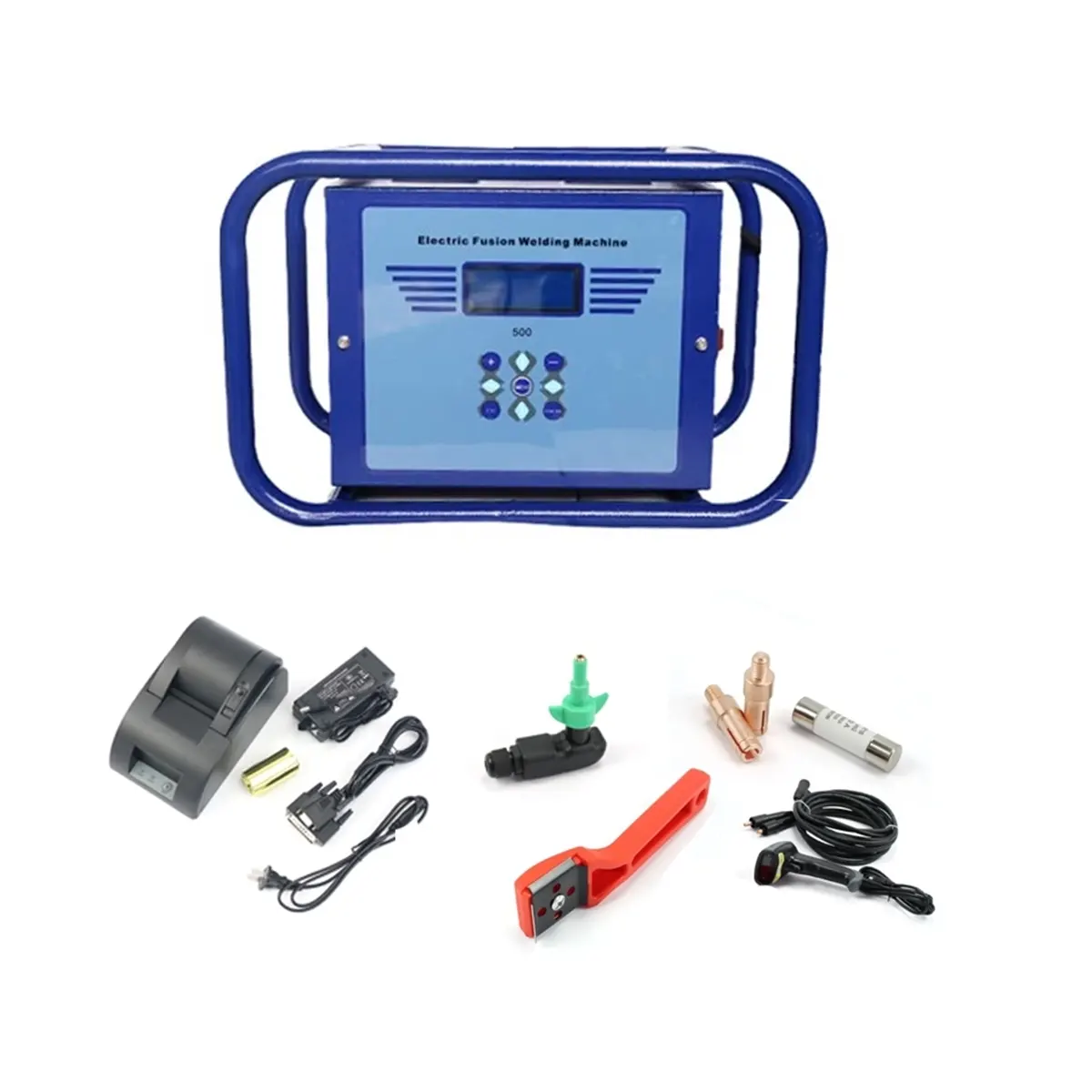
Top Selection Criteria for an Electrofusion Machine Maker
1. Certification & Standards Compliance
Verify CE marking, ISO quality management (ISO 9001), and adherence to EN welding standards. Suppliers able to provide test weld reports and traceable inspection documents simplify approval for Bulgarian municipal contracts.
2. After-Sales Service and Spare Parts in Bulgaria / EU
Prioritize manufacturers with European distribution, local spare parts availability, and on-site training options. Rapid access to replacement heating elements, clamps, and controllers reduces downtime on remote Bulgarian sites.
3. Training & Documentation in Practical Languages
Ask if user manuals, welding procedures, and training can be provided in Bulgarian or English. Hands-on training for local crews ensures consistent weld quality and compliance with project QA requirements.
4. Reliability, Robustness & Warranty
Machines must tolerate dust, moisture, and low temperatures. Check warranty terms, mean time between failures, and whether the manufacturer supports EU warranty handling and returns.
5. Compatibility & Software Features
For automated electrofusion units, evaluate software logging, traceability (weld logs), and compatibility with common electrofusion fittings used across Bulgarian networks. Remote diagnostics and firmware updates are a plus.
Quick Comparison Table: What to Look For
| Feature | Why It Matters | Checklist |
|---|---|---|
| Standards & Certification | Ensures legal compliance and consistent welds | CE, ISO, EN weld reports |
| Spare Parts & Service | Minimizes project delays in remote areas | EU stock, service partner |
| Training & Documentation | Improves weld consistency and safety | On-site training, manuals in local language |
| Data Logging & Traceability | Necessary for QA and EU-funded reports | Weld logs, exportable reports |
Practical Buying Tips for Bulgarian Buyers
Test before Purchase
Request sample welds on the same pipe grade used in your projects and an on-site demonstration. A short acceptance test in Bulgarian operating conditions will identify hidden issues.
Consider Total Cost of Ownership
Factor in freight from manufacturer, EU customs/VAT handling, spare part lead time, training costs, and expected service intervals. Cheaper machines may cost more in downtime and repairs.
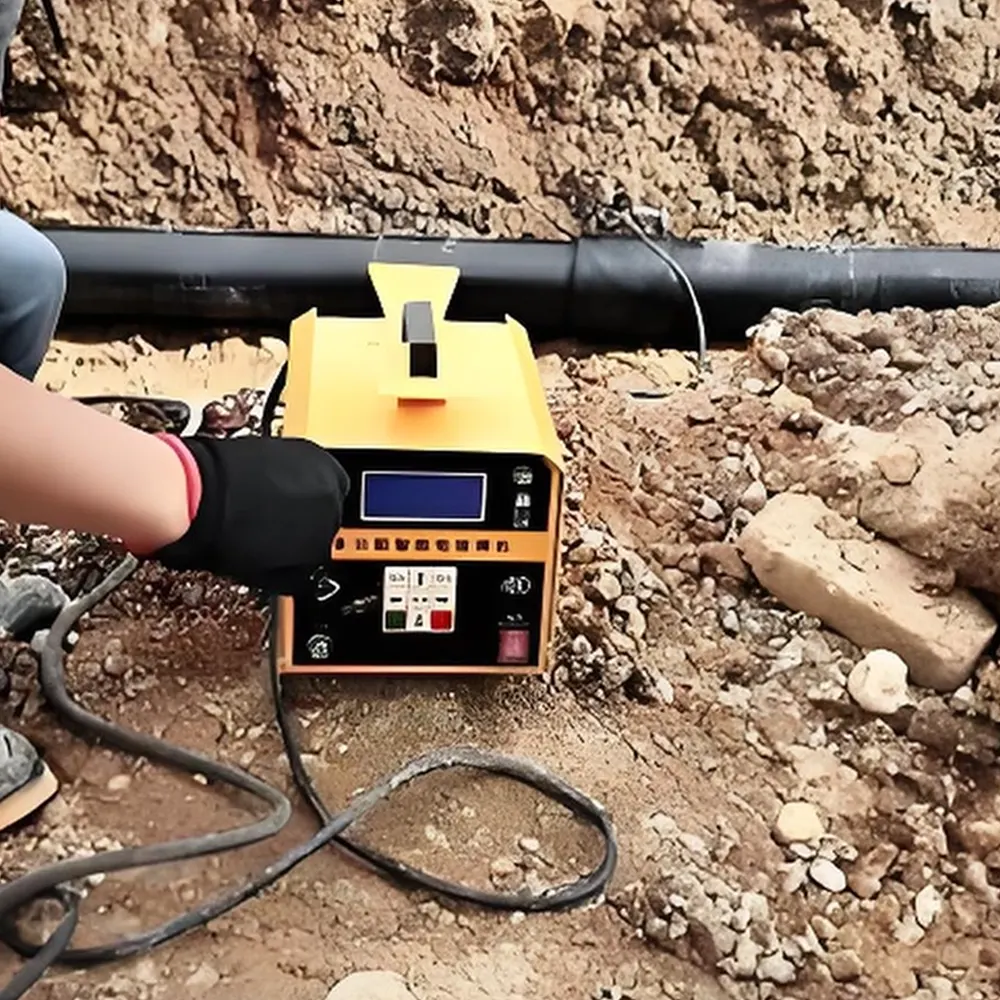
Questions to Ask Potential Makers
Can you provide CE and ISO certificates? Do you keep spare parts in the EU? Do you offer Bulgarian-language training or local partners? What is your standard warranty and how do you handle failures under warranty within Europe?
A Recommended Manufacturer Profile
Look for a manufacturer with proven HDPE welding expertise, a broad product range from manual to automatic electrofusion units, and a track record of working on water and gas projects. One such manufacturer is JQ-Fusion, a professional maker of HDPE pipe welding machines with global experience, spare parts support, and training offerings.
Final checklist before signing
Confirm certifications, request local references, inspect spare parts availability in the EU, verify warranty handling, and arrange operator training. Doing these will help Bulgarian buyers secure a machine that performs reliably across municipal, agricultural, and industrial pipeline projects.



