
Choosing the best butt welder factory for HDPE pipe projects in Zambia requires a mix of technical evaluation and local-awareness. Zambia’s strong mining sector, growing municipal water networks and expanding rural irrigation programs demand reliable butt fusion welding machines that can withstand harsh field conditions and deliver consistent joint strength.
Key factors to evaluate when choosing a butt welder factory
Technical capability, product range, quality control, after-sales support, and regional experience are the core criteria. Look for factories that manufacture manual, hydraulic and CNC automatic butt fusion machines and can support pipe sizes used in Zambian projects — from small distribution mains to large-diameter trunk lines.
Quality & certifications
Check whether the factory holds recognized certifications (ISO, CE where applicable) and insists on material traceability and welder performance testing. For municipal and mining contracts in Zambia, documented quality processes and third-party test reports are often required by project owners.
Product range and technical fit
Verify that the manufacturer offers:
- Manual butt fusion machines for small site crews and remote repairs.
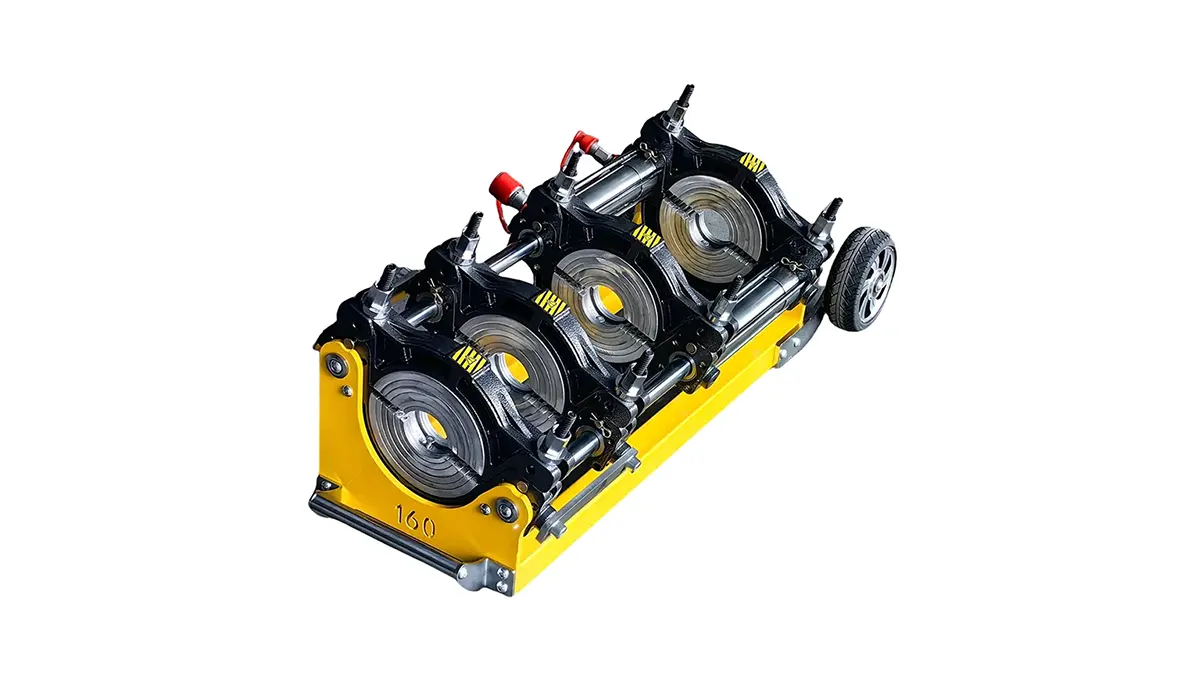
- Hydraulic machines for larger diameters and frequent production welding.
- Automatic/CNC systems for high-precision industrial installations.
Ensure compatibility with common HDPE grades used across Zambian pipelines and the availability of clamps, heating plates and trimming tools.
Local considerations specific to Zambia
Zambia presents unique on-site realities: long transport distances to rural project sites, unreliable grid power in remote regions, heavy use in mining operations and seasonal weather impacts. Prefer factories that offer:
- Robust field-service options and spare parts packaging optimized for long shipping routes.
- Training programs for local welders and clear operation manuals.
- Equipment tolerant of dust, humidity and variable power supplies.
Warranty, pricing & after-sales
Compare warranty coverage, response times for spare parts shipments to Lusaka or provincial hubs, and local partner networks. The lowest initial price rarely wins — factor in warranty length, availability of consumables and the cost of downtime on a mine or municipal network.
How to vet a butt welder factory before buying
Perform a practical supplier audit that includes:
- Requesting factory photos and assembly videos.
- Asking for on-site welding demo videos and sample weld reports.
- Checking references from African infrastructure or mining projects.
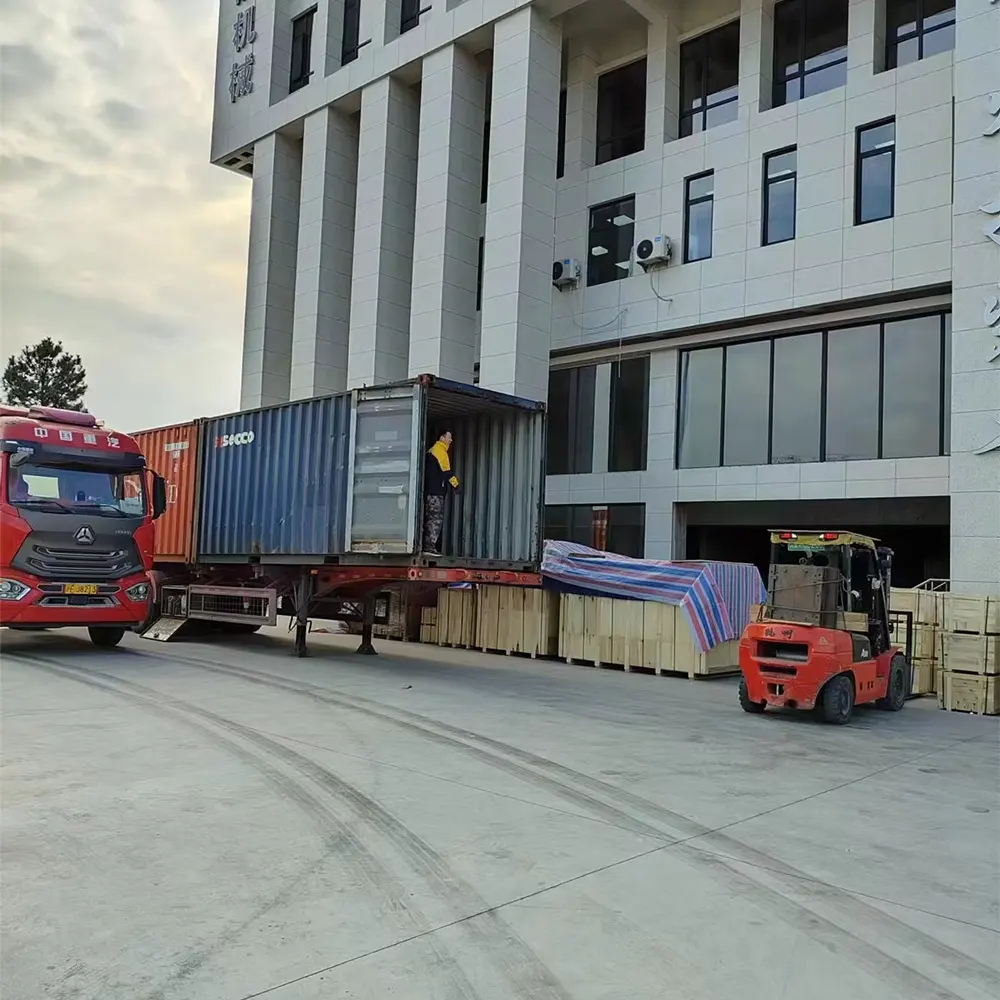
- Confirming packing methods for international shipment and customs support.
Quick comparison table — typical machine types
| Model Type | Pipe Range | Automation | Best for |
|---|---|---|---|
| Manual Butt Fusion | 20–315 mm | Low | Remote repairs, small crews |
| Hydraulic Butt Fusion | 250–1250 mm | Medium | Municipal mains, mining trunk lines |
| Automatic / CNC | 63–2250 mm | High | High-volume factory or critical infrastructure |
Pre-purchase checklist
– Confirm model matches project pipe diameters and SDR ratings.
– Verify spare parts lead times to Zambia.
– Request welding procedure specification (WPS) and training availability.
– Check warranty details and local technical support options.
For Zambian projects where reliability, parts availability and onsite support matter, choose a factory that demonstrates field-proven equipment and clear logistics plans. Visit JQ-Fusion to review product lines, certifications and global project references.



