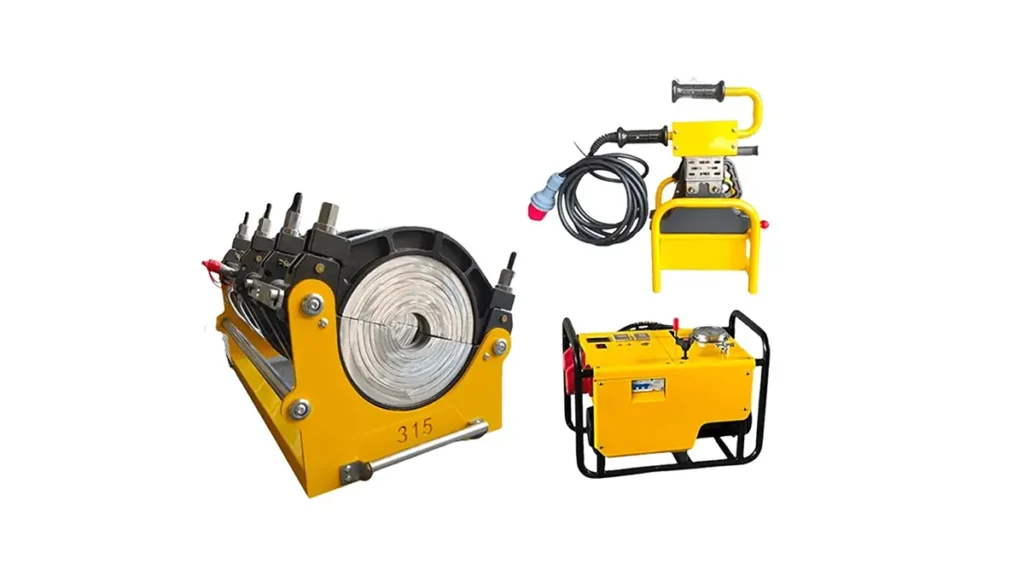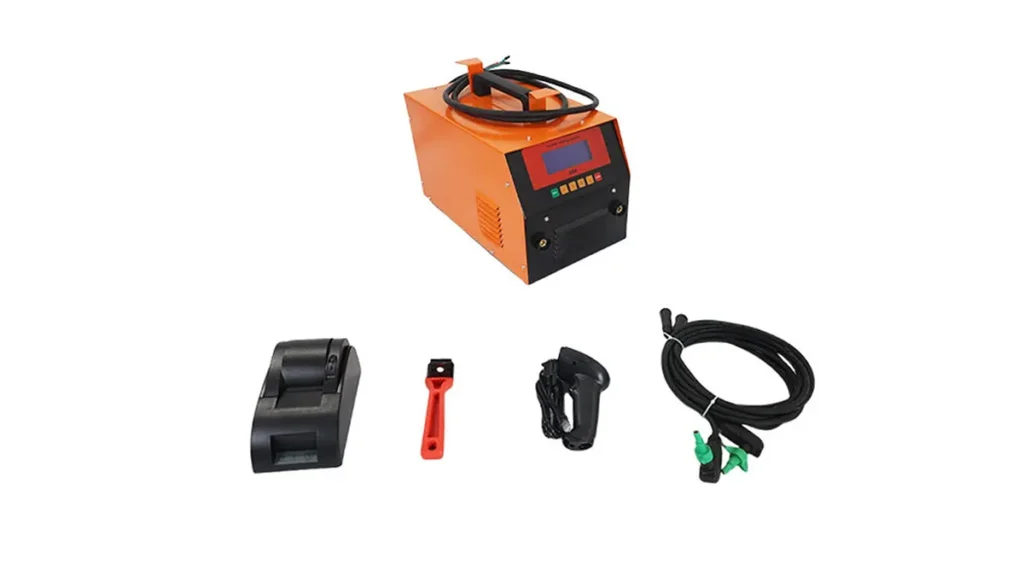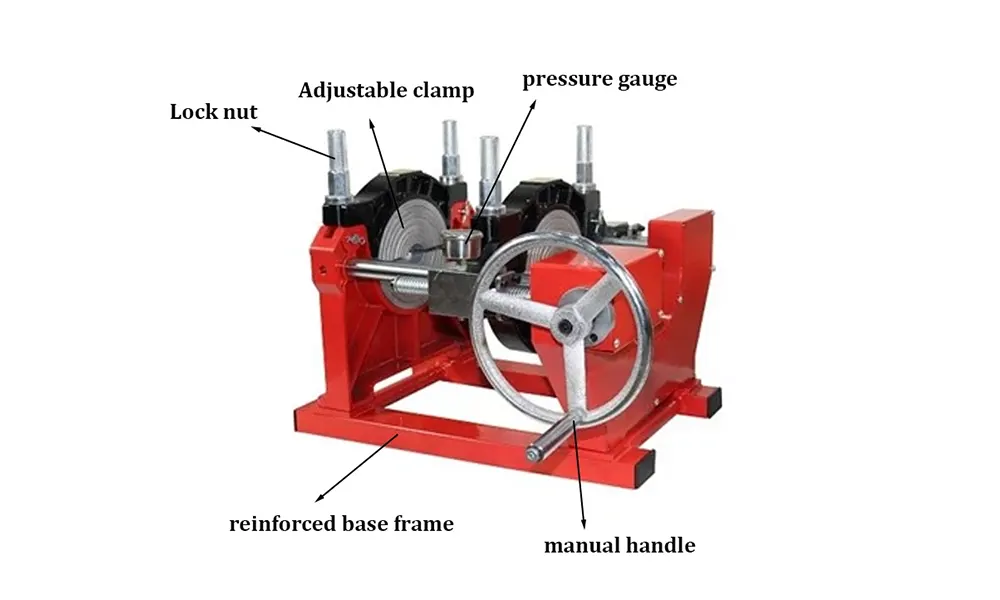
Electrofusion is a critical joining method for polyethylene (PE) piping systems, used extensively in gas distribution, water supply, and industrial applications. Selecting the right electrofusion machine is essential for achieving reliable, leak-free joints that withstand pressure and environmental stress for decades. A poor choice can lead to joint failures, costly repairs, and project delays. This guide breaks down the key factors to consider, helping you make an informed decision whether you are a contractor expanding your fleet or a procurement manager sourcing equipment for a major utility project.
1. Understand Your Project Requirements and Pipe Range
Every project has unique demands. Before comparing models, define the diameter range of pipes and fittings you will be working with. Electrofusion machines are designed to deliver precise electrical energy to heat the wire coil embedded in the fitting. Smaller machines may cover diameters from 20 mm up to 315 mm, while heavy-duty units handle large diameters exceeding 630 mm.
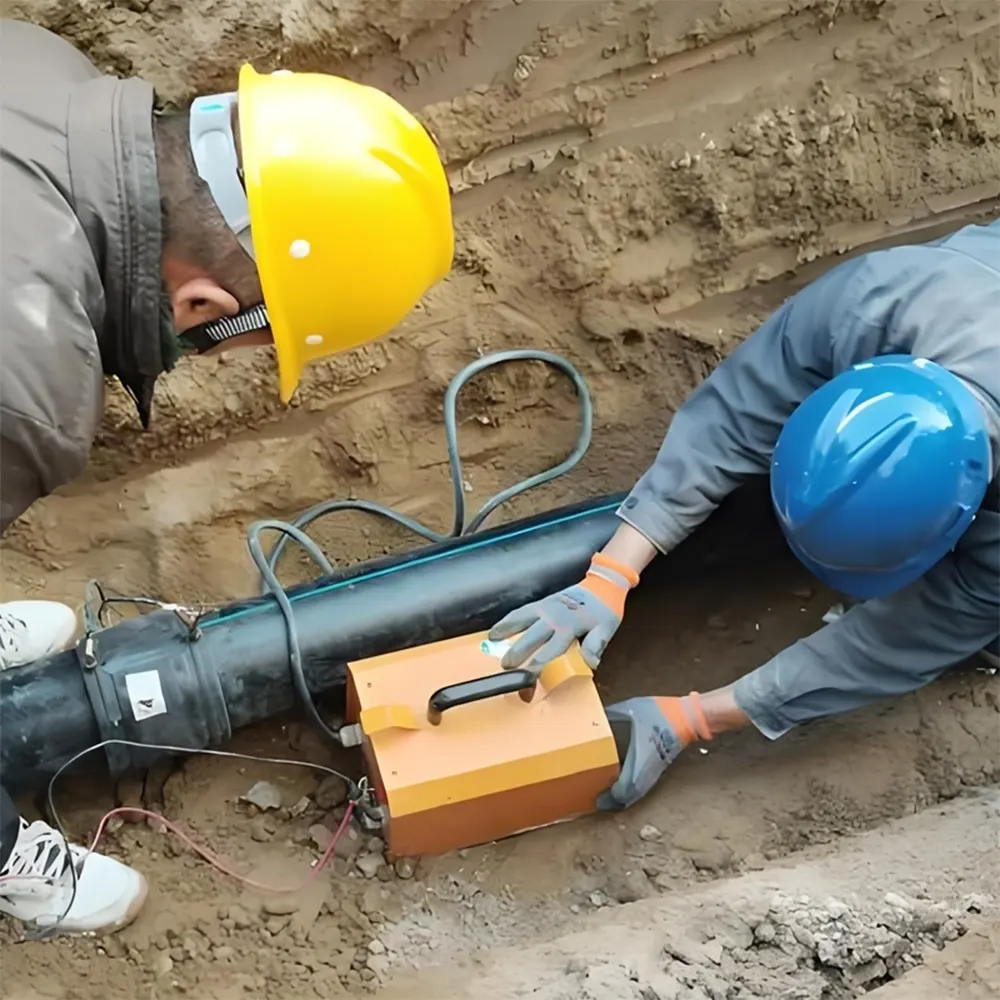
Consider the working environment. Will the machine be used in a trench, on a construction site, or inside a prefabrication workshop? Portability, weight, and ruggedness are vital for field use. You should also check the input power availability—single-phase or three-phase—to match site conditions without needing extensive generator support.
2. Evaluate Key Technical Parameters
An electrofusion machine’s core function is to control welding energy accurately. When you analyze specifications, pay close attention to these technical aspects:
| Parameter | Why It Matters |
|---|---|
| Output Voltage Range | Must match the fitting manufacturer’s requirement, typically 8 V to 48 V for standard PE fittings. A wider range offers greater flexibility across different fitting brands. |
| Maximum Output Current | Determines the largest fitting the machine can fuse. For larger diameters, higher current output is essential to complete the fusion cycle efficiently. |
| Fusion Time Control | Accurate time regulation prevents under or over-heating. Look for machines with automatic compensation for ambient temperature and historical data recording. |
| Data Logging Capacity | Essential for quality assurance. The machine should store jointing records (date, time, operator ID, energy delivered) and allow easy transfer to PC or cloud storage. |
3. Ease of Use and Operator Interface
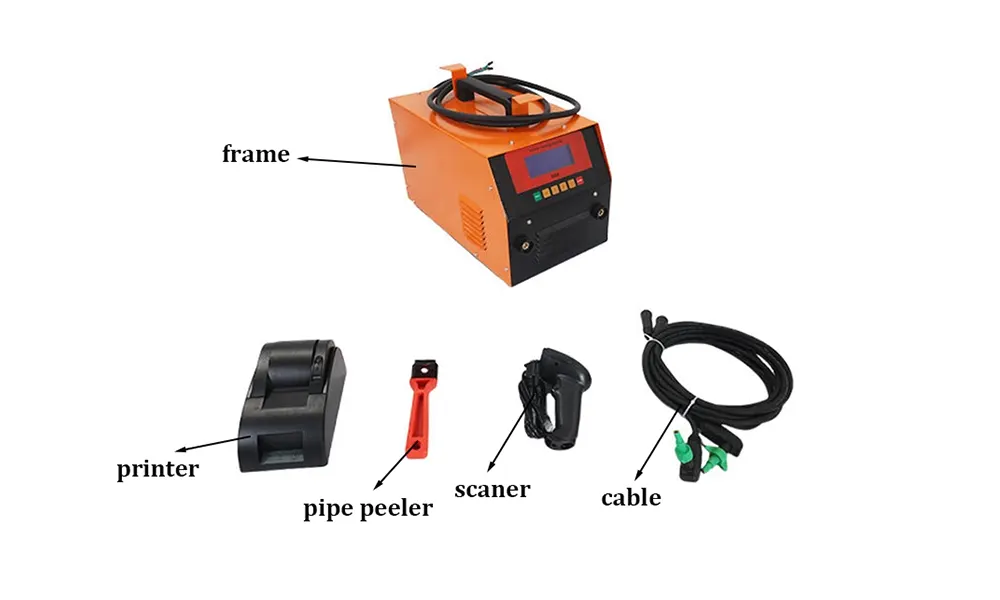
A user-friendly interface reduces training time and minimizes errors on site. Modern electrofusion machines feature digital displays and intuitive menu navigation. When evaluating options, check if the machine supports barcode scanning or manual input of fusion parameters. This feature automatically reads the fitting’s required energy from a barcode label, eliminating guesswork and manual data entry mistakes. Clear visual and audible prompts during the fusion cycle boost operator confidence and productivity, especially in noisy or dimly lit work areas.
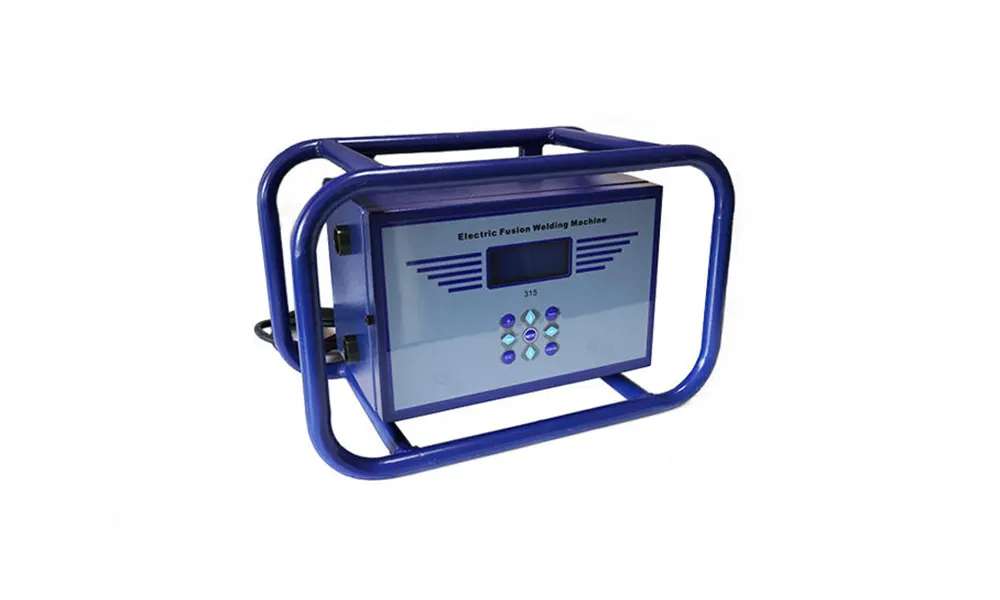
Additionally, the display should be readable in direct sunlight. A brightly lit screen with large fonts is a practical advantage for outdoor fieldwork. Some models, like those available from specialized manufacturers such as JQ-Fusion, include rugged casing designed to withstand tough handling.
4. Data Management and Traceability Features
For utilities and certified contractors, traceability is non-negotiable. You need to prove that every joint was made according to validated procedures. Advanced electrofusion machines can record a wealth of information for each weld, including the fitting manufacturer, fusion time, actual energy applied, and operator ID. According to the PE fusion traceability standards, such records are the backbone of pipeline integrity management.
Check if the machine uses USB, Bluetooth, or GPS functionality. GPS tagging is particularly useful for long-distance pipelines, allowing you to map every joint with its exact location and fusion data. This links the quality record directly to a geographic coordinate, making future inspections and maintenance hassle-free.
5. Compliance with International Standards
Never compromise on standards. Your electrofusion equipment should comply with recognized norms to guarantee performance and safety. The primary standard governing electrofusion equipment is ISO 12176-2, which specifies requirements for machines used to join PE pipes and fittings. Additionally, the joining procedure itself must align with ASTM F1290 electrofusion practices.
Using compliant machines ensures your joints meet the mechanical and endurance test criteria required by pipeline network owners. Requesting a certificate of conformity or calibration from the equipment supplier is a standard practice and provides added assurance before purchase.
6. After-Sales Support, Calibration, and Spare Parts
Even the most robust machine requires periodic calibration to maintain accuracy. The availability of technical support and original spare parts is a deciding factor. Circular connectors, cooling fans, and display screens are components that may need replacement after heavy usage. A supplier with a global distribution network and responsive service team makes a significant difference in reducing downtime. Check the warranty terms and whether remote diagnostic support is offered to troubleshoot issues quickly without sending the unit back to the factory.
7. Portability and Power Supply Options
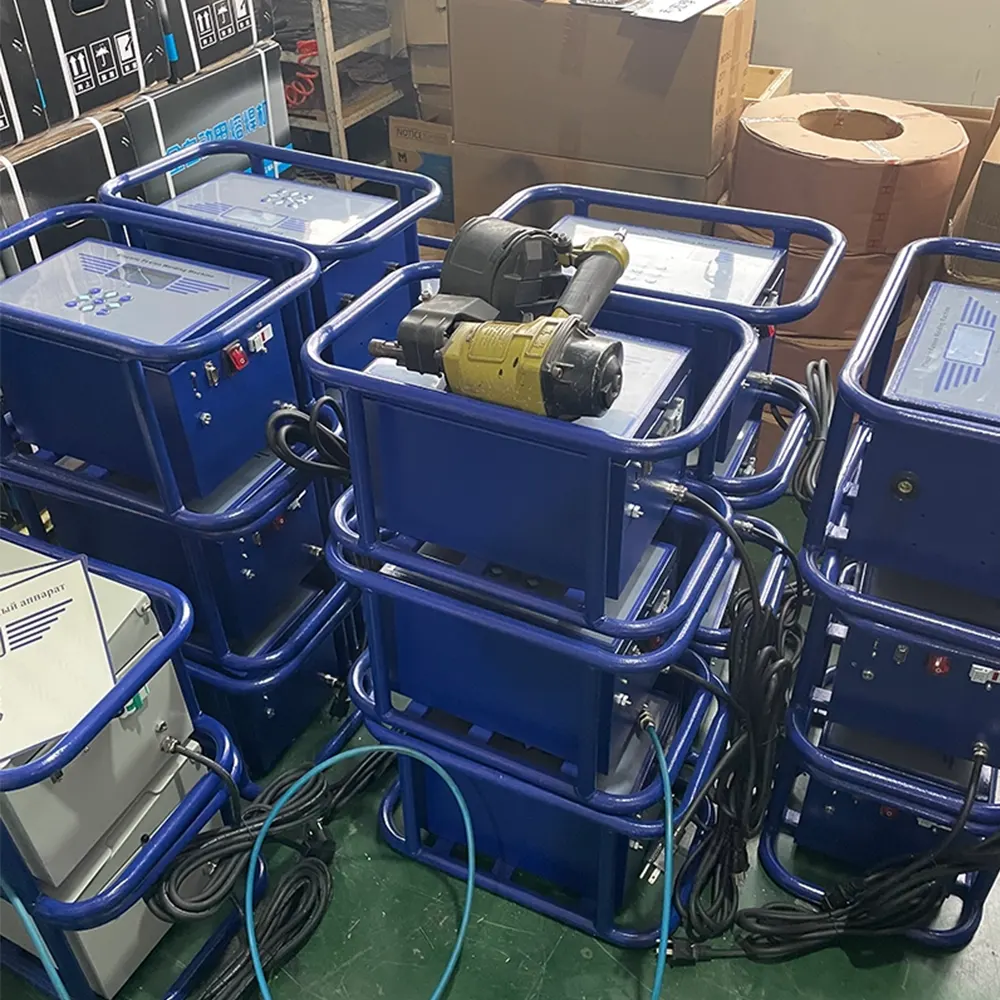
Electrofusion work often happens in remote or difficult terrain. The machine’s physical design matters. Compact, lightweight units with a shoulder strap are excellent for repair crews moving between multiple small-diameter joints. For larger diameters, a wheeled frame or trolley-mounted design helps transport heavier power sources. Always verify the operating temperature range, as extreme cold or heat can affect electronic components and battery performance. A robust machine should operate reliably in conditions ranging from -15°C to +45°C or beyond, suited to the local climate where you work.
8. Budget Versus Long-Term Value
Price is a crucial factor, but the lowest initial cost can be misleading. A cheaper machine lacking proper data logging or with poor voltage stability may produce inconsistent joints, leading to expensive repairs and liability claims. Consider the total lifecycle cost: calibration intervals, connector lifespan, and the cost of consumable adapters. Investing in a high-quality electrofusion unit from a reputable manufacturer pays off through fewer rejected welds, reduced field rework, and stronger compliance with pipeline safety audits. Evaluate the price in the context of the machine’s features, durability, and the supplier’s long-term manufacturing expertise.
9. Compatibility with Multiple Fitting Brands
Not all fittings are identical, and a universal machine capable of fusing fittings from different manufacturers provides operational flexibility. The machine should allow manual input of custom parameters for fittings not in its pre-loaded library. Universal adapters for various terminal styles reduce the need to carry multiple cables. Check the machine’s internal memory capacity for storing custom profiles. This is especially important for contractors who source fittings from multiple suppliers across different projects.
10. Choosing the Right Model: A Quick Reference
Your final selection should align with the pipe materials (PE80, PE100, PE100-RC), diameters, and project documentation requirements. Below is a simplified decision guide to help you focus on the right features for your workload:
| Your Priority | Recommended Feature |
|---|---|
| Field Service & Repairs | Lightweight design, single-phase power, barcode scanner, simple data logging. |
| Large Diameter Gas/Water Mains | High current output, stable voltage regulation, robust trolley frame, advanced data export. |
| High-Documentation Utility Projects | GPS tagging, comprehensive traceability software, ISO 12176-2 compliance certificate. |
| Multi-Brand Fitting Compatibility | Universal adapter terminals, manual parameter input, large custom profile memory. |
By carefully weighing these factors, you can choose an electrofusion machine that not only meets your immediate technical needs but also supports your long-term quality and productivity goals. Taking the time to match the equipment to your project’s specific demands ensures joint integrity, regulatory compliance, and overall peace of mind on every job site.