
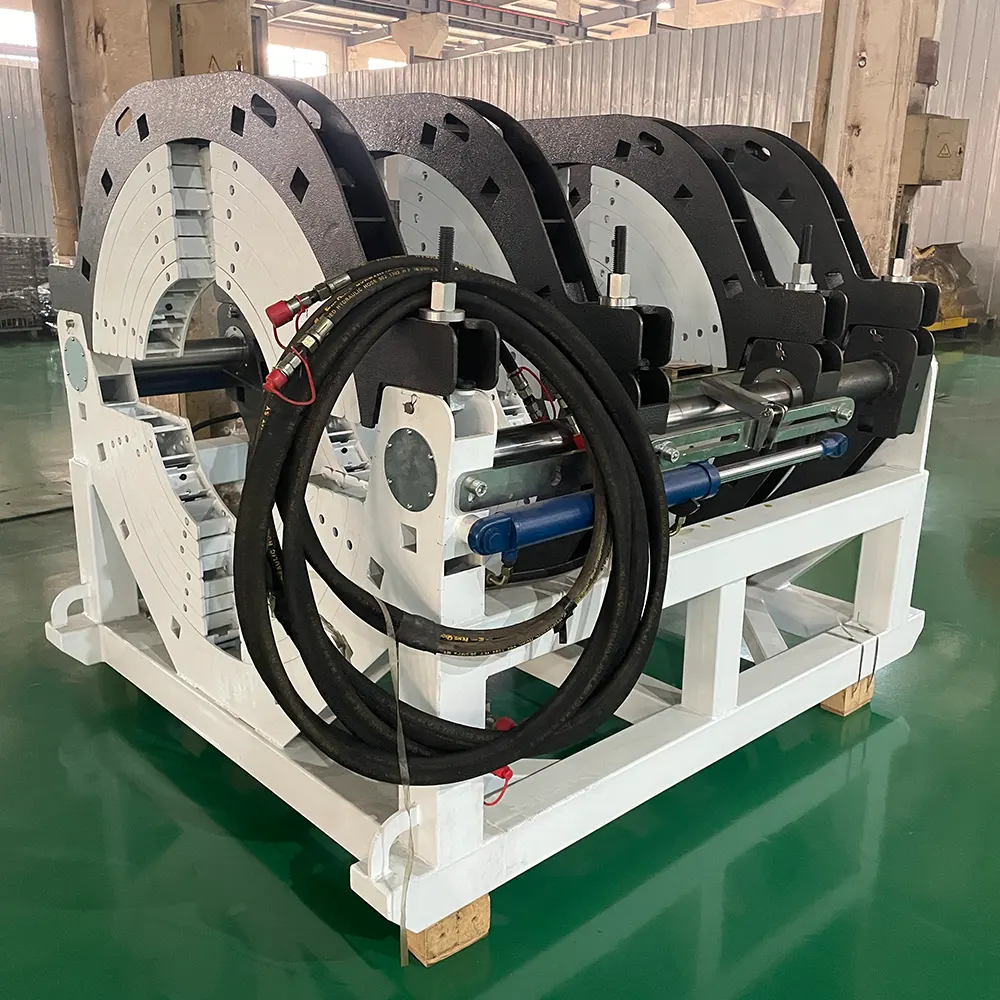
A welding machine is more than a workshop tool; it is a production asset that affects quality, safety, and delivery schedules. Whether you use it for fabrication, repair work, or large-scale pipeline projects, one question matters sooner or later: how long does a welding machine last? The answer is not the same for every machine, because lifespan depends on usage intensity, maintenance habits, operating conditions, and the quality of the equipment itself.
In practical terms, a well-maintained welding machine can last many years, while a neglected unit may lose performance far earlier than expected. Understanding the factors that influence lifespan helps businesses reduce downtime, avoid unnecessary replacement, and choose equipment that fits long-term project needs. For companies working with pipe installation and industrial joining tasks, this is especially important because stable welding performance directly affects project safety and cost control.
For example, many contractors compare equipment durability before making purchasing decisions, especially when selecting a butt fusion machine for water supply, gas distribution, or mining pipelines. The same logic applies to all welding systems: durability is not only about the brand, but also about how the machine is built, used, and serviced over time.
What Determines a Welding Machine’s Lifespan?
The lifespan of a welding machine is typically measured in years of reliable service rather than a fixed number of operating hours. A light-duty machine used occasionally in a controlled environment may last much longer than a machine running daily under heavy industrial loads. The most important factor is not just age, but how much stress the machine experiences during each phase of use.
Key point: a welding machine fails slowly in most cases. Performance usually declines before complete breakdown, which means operators can often spot warning signs early if they know what to look for.
Machine type also matters. Manual systems may have fewer electronic components, while hydraulic and CNC automatic machines depend on more precise control modules, sensors, and power systems. More advanced units can provide greater consistency and productivity, but they also require disciplined maintenance to achieve a long service life.
1. Build Quality and Component Reliability
A machine built with high-quality mechanical parts, stable electrical systems, and precision assembly will generally last longer. Motors, transformers, hydraulic units, heating elements, clamps, and control boards all influence durability. If any core component is poorly manufactured, the entire system can become unreliable much sooner.
This is why industrial buyers often look for manufacturers with strict quality control, testing procedures, and proven production capability. Equipment designed for demanding pipe projects must handle repeated cycles without overheating, losing alignment, or producing unstable output.
2. Frequency of Use
A machine used a few times a week will generally last much longer than one running continuously across multiple shifts. Heavy-duty use accelerates wear on contact points, cables, connectors, seals, and moving parts. Even when the machine is designed for industrial workloads, constant operation increases the need for inspection and replacement of consumable parts.
To make the most of service life, companies should match the equipment to the project volume. Overloading a machine that is not intended for continuous operation will shorten its lifespan regardless of its original price.
3. Operating Environment
Worksite conditions have a major impact on how long a welding machine lasts. Dust, moisture, vibration, heat, and unstable power supply can all damage internal components. Machines used outdoors or in remote project areas often face harsher conditions than those in a controlled factory environment.
Tip: keep the machine clean, dry, and properly ventilated. Small improvements in storage and site setup can significantly extend useful life.
4. Maintenance and Service Habits
Regular maintenance is one of the biggest predictors of lifespan. Cleaning dust and debris, checking electrical connections, replacing worn parts, calibrating output, and inspecting hydraulic systems all prevent minor issues from becoming major failures. A machine that receives scheduled care will almost always outperform one that is only repaired after something breaks.
Maintenance records are also useful for predicting replacement time. If a machine needs repeated repairs, loses accuracy, or becomes unstable under normal loads, it may be cheaper to replace it than continue patching individual problems.
Typical Lifespan Expectations
There is no universal expiration date for a welding machine, but many industrial units can remain useful for a long time when properly maintained. Light- and medium-duty machines often serve for several years in commercial workshops, while robust industrial machines can last much longer under disciplined maintenance programs.
That said, lifespan should not be judged only by whether the machine still powers on. A machine that produces inconsistent welds, overheats frequently, or struggles to hold settings may be nearing replacement even if it still operates. In industrial work, stable output matters more than simply keeping the machine running.
For pipeline applications, especially in water, gas, and mining projects, precision and repeatability are critical. A machine that loses temperature accuracy or clamping stability can affect weld quality, increase rework, and raise safety risks. That is why many buyers prefer equipment from manufacturers that emphasize testing and long-term performance.
When Should a Welding Machine Be Replaced?
Replacement is usually necessary when repair costs become too frequent, output quality drops below acceptable standards, or critical components are no longer reliable. In some cases, modern replacement is also justified by energy efficiency and productivity gains. Newer equipment may offer better control, faster cycle times, and lower maintenance overhead.
Watch for these signs: unstable heat, uneven welds, repeated tripping, oil leaks, damaged cables, excessive noise, or failure to hold calibration. These symptoms often indicate that replacement is approaching.
A practical replacement decision should consider total ownership cost. If the machine requires constant service interruptions, consumes more labor time, and creates quality issues, continuing to use it may be more expensive than investing in a new unit. This is especially true for contractors with tight deadlines, where downtime can affect multiple project stages.
How to Extend Service Life
The best way to extend lifespan is to combine good operation with structured maintenance. Operators should follow the manufacturer’s instructions, use the machine within rated limits, and avoid shortcuts that stress the system. Training is important because improper use often causes preventable damage.
Here are several practical habits that help:
- • Inspect cables, connectors, and clamps before every job.
- • Keep the machine clean and free from dust buildup.
- • Store equipment in a dry and stable environment.
- • Replace worn consumables before they affect weld quality.
- • Use voltage and settings that match the job requirement.
It is also wise to work with suppliers that can provide technical support, spare parts, and customization options. In industrial procurement, after-sales support can be just as important as the machine itself because it affects how quickly problems are resolved and how long the machine stays productive.
Why Buying from a Reliable Manufacturer Matters
Not all welding machines are equal, even if they look similar on the surface. A reliable manufacturer invests in engineering, testing, and quality control to ensure that every unit performs consistently. This is particularly important for businesses that need dependable service across different project sites and operating conditions.
Manufacturers with long industry experience often offer stronger product development, better customization, and more stable supply. They may also provide options such as manual, hydraulic, and CNC automatic systems for different pipe diameters and project demands. For buyers, this flexibility reduces the risk of choosing equipment that is either underpowered or unnecessarily complex.
When evaluating suppliers, it is smart to review product range, certifications, stock availability, and technical service. A machine from a trusted producer is more likely to deliver the balance of durability, accuracy, and support needed for long-term use.
Common Questions About Welding Machine Lifespan
Q1: How can I tell if my welding machine is still worth repairing?
If repairs are infrequent and the machine still meets quality standards, repair is usually worthwhile. If faults keep returning or weld quality is no longer stable, replacement may be the better choice.
Q2: Does regular cleaning really extend machine life?
Yes. Dust, dirt, and moisture are common causes of electrical and mechanical failure. Clean equipment generally lasts longer and performs more consistently.
Q3: What shortens a welding machine’s lifespan the fastest?
Overloading, poor maintenance, unstable power, and harsh site conditions are among the biggest causes of premature wear.
Q4: Is it better to buy a more advanced machine for longer life?
Not always. The best choice is a machine that matches your workload, environment, and maintenance capability. Advanced systems can last a long time if they are used correctly.
Q5: What is the smartest replacement strategy?
Replace the machine before repeated failures start affecting project quality, safety, and delivery timelines. Planned replacement is usually cheaper than emergency downtime.
In the end, a welding machine lasts as long as its design quality, operating conditions, and maintenance discipline allow. The most cost-effective approach is not to wait for failure, but to manage performance over time. With proper care, a reliable machine can serve for many productive years and support consistent results across demanding industrial projects.



