
HDPE piping systems are trusted in water supply, gas distribution, mining, and industrial projects because they are durable, corrosion-resistant, and easy to install. Yet even with high-quality material and skilled operators, welding alignment issues can still happen during butt fusion. When the pipe ends are not perfectly aligned, the weld bead can become uneven, the fusion area may not be fully bonded, and the final joint may lose strength. In field construction, even a small alignment error can cause long-term performance problems, so understanding how to fix it is essential for every installer, contractor, and project manager.
⚠ Key point: HDPE welding alignment is not only about appearance. It directly affects weld quality, pressure resistance, and the service life of the pipeline system.
Why Alignment Matters in HDPE Butt Fusion
In butt fusion welding, two pipe ends are heated and pressed together under controlled pressure. If the ends are offset, tilted, or clamped unevenly, the heat distribution and fusion pressure will not be uniform. This can create thin spots, internal stress, or weak fusion zones. Over time, these defects may lead to leaks, deformation, or even joint failure, especially in systems carrying high pressure or working in harsh environments.
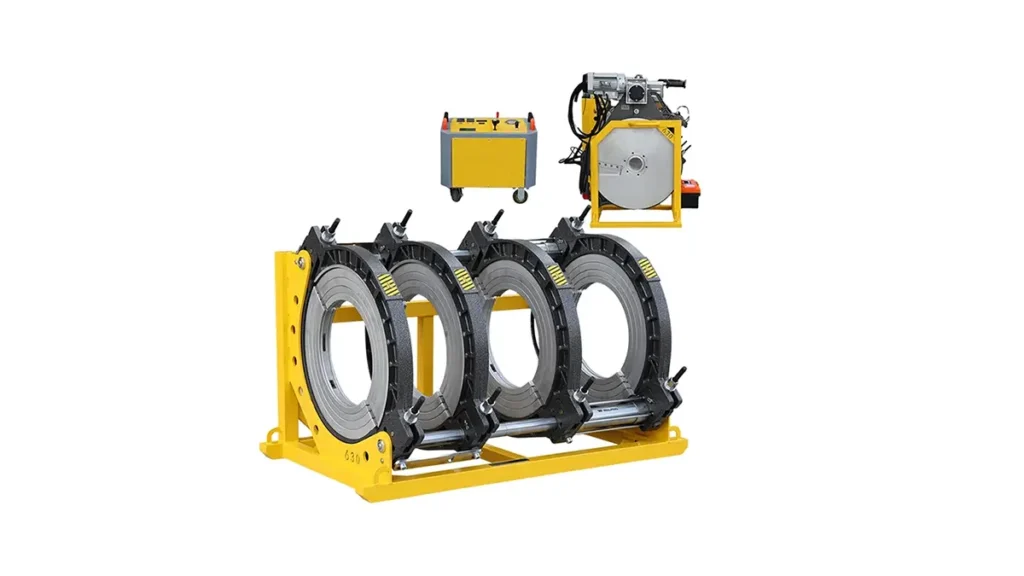
A good weld begins long before heating starts. Proper pipe preparation, accurate machine setup, clean cutting, and correct clamping all work together to ensure alignment. That is why contractors often rely on a well-calibrated butt fusion machine to maintain precision from start to finish.
Common Causes of Welding Alignment Issues
Alignment problems usually come from a few predictable sources. Identifying the root cause helps you fix the issue faster and prevent it from happening again.
1. Incorrect pipe cutting: If the pipe ends are not cut square, the faces will not meet evenly in the clamp.
2. Dirty or damaged pipe ends: Dirt, moisture, grease, or scratches can stop proper contact and shift the pipes out of position.
3. Uneven clamping pressure: If the clamps are worn, loose, or adjusted incorrectly, the pipes may move during facing or heating.
4. Machine misalignment: A poorly maintained frame, loose guide bars, or inaccurate jaws can create an offset between pipe ends.
5. Operator error: Rushing the setup or skipping alignment checks often leads to preventable welding defects.
How to Fix Welding Alignment Issues Step by Step
Once an alignment issue is detected, the safest approach is to stop, inspect, and correct the problem before welding continues. A rushed repair can make the defect worse. Follow a structured process to return the pipes to a proper fusion position.
1. Stop the process and inspect the joint
If the pipe ends appear offset, do not begin heating. Open the clamps, check both ends, and confirm whether the issue is caused by cutting error, clamp slippage, or machine setup. Look for visible gaps, uneven end faces, or axial misalignment along the pipe centerline.
Tip: Use a straight edge or alignment gauge when available. Even a small offset can become a serious defect after fusion pressure is applied.
2. Re-cut or re-face the pipe ends if needed
If the pipe ends are not square or have been damaged, use a facing tool to remove the uneven section. The goal is to create clean, parallel surfaces that fit together precisely. Make sure the facing operation is uniform and that both ends meet the same plane.
3. Clean and prepare the fusion area
After facing, clean the pipe ends thoroughly. Remove dust, oil, moisture, and any remaining shavings. Contaminants can prevent correct seating in the clamp and interfere with fusion quality. In field conditions, a clean joint is one of the easiest ways to improve alignment consistency.
4. Re-check clamp positioning and pressure
The pipe must sit firmly in the clamps without side movement. Tighten the jaws evenly and confirm that both ends are centered. Unequal clamping force can pull one side out of line when the machine begins facing or heating. For large-diameter pipes, the support arrangement should also be checked to prevent sagging or rotation.
5. Verify machine calibration
If the same misalignment keeps happening, the welding equipment may need calibration or maintenance. Check the frame, clamp parallelism, hydraulic pressure stability, and guide rail condition. Professional machines with strict inspection standards make this easier to control. For example, manufacturers like JQ-Fusion emphasize temperature accuracy, hydraulic consistency, and clamp alignment inspection to support stable welding results.
Best Practices to Prevent Alignment Problems
Fixing alignment issues is important, but preventing them saves time, material, and labor. A disciplined setup routine is the most reliable way to avoid repeated welding defects.
✅ Use accurately cut pipe ends. Square cuts reduce offset and improve face-to-face contact.
✅ Keep the clamps clean and stable. Dirt or wear in the clamp area can shift the pipe during the weld cycle.
✅ Support long pipes properly. External supports help prevent drooping and angular movement.
✅ Follow the welding procedure closely. Heating time, pressure, and cooling time all influence final alignment quality.
✅ Train operators regularly. Skilled handling reduces setup errors and improves repeatability.
How Equipment Quality Affects Alignment
The quality of the butt fusion machine has a direct impact on how well the pipe ends stay aligned. A stable frame, precise jaws, and reliable hydraulic control help maintain the correct position throughout the welding cycle. In larger pipeline projects, where pipe diameter and wall thickness increase, machine rigidity becomes even more important.
This is why many contractors choose equipment from experienced manufacturers with strong quality assurance systems. Reliable production, inspection, and after-sales support can reduce downtime and improve weld consistency. A proper setup using a dependable machine is especially valuable in critical applications such as gas networks, mining lines, and industrial water systems.
Important: Even the best welding procedure cannot fully compensate for poor equipment alignment. Precision machinery makes a noticeable difference in field results.
When to Replace a Weld Instead of Repairing It
Not every alignment problem can be corrected safely. If the pipe ends have already been fused with a major offset, the joint may need to be cut out and redone. Repairing a compromised weld may not restore full structural integrity, especially in pressure-bearing systems. The decision depends on the severity of the defect, project specifications, and inspection requirements.
If visual inspection shows major bead irregularity, severe pipe mismatch, or evidence of contamination during fusion, it is usually safer to remove the joint and start again. This protects the pipeline from future leakage and ensures compliance with quality standards.
Choosing the Right Partner for Reliable HDPE Welding
For contractors and distributors, selecting a dependable supplier is part of preventing alignment problems from the start. JQ-Fusion provides manual, hydraulic, and CNC automatic butt fusion solutions designed for different pipe sizes and project needs. Their experience in manufacturing and customization helps clients match equipment to site conditions, reducing the chance of setup errors and improving overall welding performance.
Their product range includes hydraulic butt fusion welding machines, automatic butt fusion welding machines, electrofusion welding machines, and multi-angle pipe fitting welding machines. With certifications such as SGS compliance and a focus on OEM and ODM customization, they support stable performance across global pipeline projects.
Frequently Asked Questions
Q1: What is the most common cause of HDPE welding misalignment?
Uneven pipe cutting and improper clamping are among the most common causes. Both can make the pipe ends shift out of center before welding begins.
Q2: Can a small alignment error really affect weld strength?
Yes. Even a small offset can create uneven pressure and weak bonding, especially in high-pressure pipeline systems.
Q3: Should I continue welding if the pipe ends look slightly misaligned?
No. The joint should be corrected before heating. Continuing with misalignment can permanently weaken the weld.
Q4: How can I reduce alignment problems on site?
Use accurate pipe cutting, proper cleaning, stable clamping, correct support, and a well-maintained butt fusion machine.
Q5: When should a faulty weld be redone?
If the offset is severe, contamination is present, or the weld fails inspection, the safest solution is to cut out the joint and redo it.



