
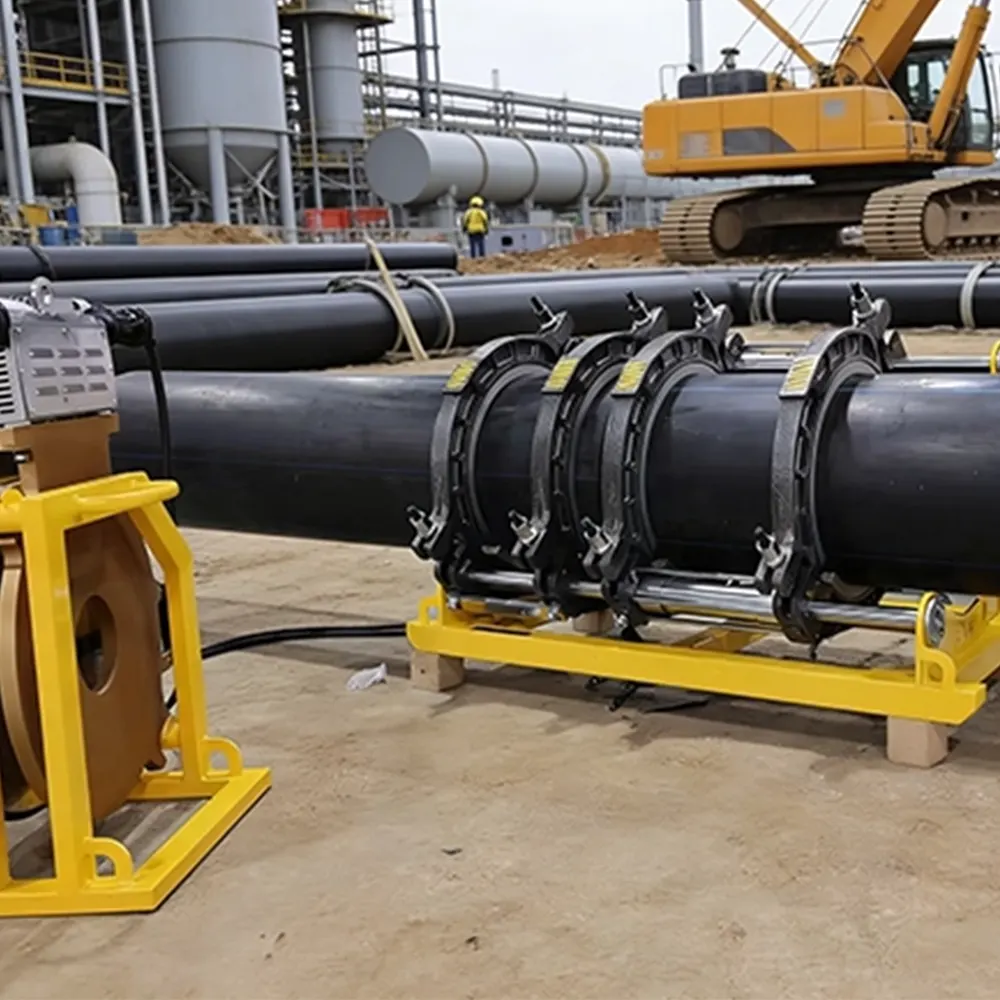
HDPE pipe fusion projects depend on one thing above all: consistency. When a weld fails, the cause is often not a single mistake but a combination of issues in preparation, machine setup, heating, alignment, or cooling. That is why a clear troubleshooting checklist is essential for installers, contractors, and maintenance teams. It helps you identify problems faster, reduce scrap, and keep pipeline work on schedule.
Whether you are working on water supply lines, gas distribution networks, mining infrastructure, or industrial piping, the same principle applies: a strong fusion joint starts long before the pipe ends touch the heater. In this guide, we will walk through the most common HDPE welding issues, how to diagnose them, and how a practical checklist can save both time and cost on site.
A good starting point is to understand the equipment itself. Reliable fusion performance depends on stable temperature control, proper clamp alignment, and consistent hydraulic pressure. If the machine is not functioning correctly, even skilled operators can struggle to produce high-quality welds. For contractors looking for dependable equipment, a proven butt fusion machine can make troubleshooting far easier by reducing variability in the welding process.
Why a Checklist Matters in HDPE Welding
HDPE welding issues often appear similar on the surface. A weak joint may be caused by low temperature, poor trimming, dirty pipe ends, hydraulic instability, or insufficient cooling time. Without a structured method, teams can waste hours guessing. A checklist gives operators a repeatable path to follow before, during, and after each weld.
Key benefit: a checklist does not just solve problems faster; it also improves welding discipline, supports training, and reduces the risk of repeated defects across large pipeline sections.
Common HDPE Welding Problems and What They Usually Mean
1. Uneven bead formation often suggests improper alignment, inconsistent pressure, or uneven pipe preparation. If one side of the joint forms a larger bead than the other, inspect the clamps and verify that the pipe faces are truly parallel.
2. Cold weld or weak fusion may point to heater plate temperature problems, insufficient heating time, or contamination on the pipe surface. HDPE needs a controlled thermal cycle to fuse correctly, and even small deviations can reduce joint strength.
3. Excessive melt squeeze-out can happen when the fusion pressure is too high or the pipe ends are overheated. While some bead is normal, excessive material can indicate poor parameter control.
4. Misalignment after cooling is usually linked to unstable clamping, movement during the cooling phase, or poor setup on uneven ground. A joint must stay fixed until the weld has fully stabilized.
5. Surface contamination from dust, oil, moisture, or oxidation can prevent proper bonding. This is one of the most preventable causes of failure and should always be checked first.
Step-by-Step Troubleshooting Checklist
1) Confirm the Machine is Ready
Before troubleshooting the weld, confirm that the machine is operating within the required range. Check power supply, hydraulic system condition, heater plate response, and clamp movement. If the machine cannot deliver stable temperature and pressure, the final joint quality will always be inconsistent.
⚙️ Checklist item: verify voltage, heater calibration, hydraulic pressure, and emergency stop function before any welding begins.
2) Inspect the Pipe Ends
Pipe ends should be clean, dry, square, and free of damage. Poor-facing results create gaps or uneven contact, which can weaken the weld. Use proper facing tools and remove all oxidation before the heating cycle. Never rush this step, especially on larger diameter pipes where small alignment errors become more serious.
Important: if the pipe surface shows scratches, oil, sand, or moisture, stop and re-clean it. Reusing a contaminated end is a common reason for weld failure.
3) Check Alignment and Clamping
Proper alignment is critical for strong fusion. The pipe ends must be centered and secured firmly in the clamps. Loose clamping can cause movement during heating or cooling, while poor alignment can produce stress concentration at the joint. If the machine has adjustable clamps, confirm they are set correctly for pipe size and wall thickness.
4) Validate Heater Plate Temperature
Temperature errors are among the most common welding problems. If the heater is too cold, fusion will be incomplete. If it is too hot, the material may degrade. Use a reliable temperature check process and make sure the heater plate reaches and maintains the correct range throughout the operation.
In many real projects, temperature inconsistency comes from poor maintenance or worn heating elements. Regular inspection and calibration are essential if you want stable outcomes over long production cycles.
5) Review Heating and Cooling Times
Even if temperature is correct, the welding cycle can still fail if timing is wrong. Too little heating time can lead to weak bonding, while excessive heating may create distortion. Cooling time is equally important. Do not move or disturb the joint before the material has fully set, or the weld may lose integrity later in service.
6) Confirm Pressure Settings
Incorrect fusion pressure can create a number of visible and hidden defects. Low pressure may prevent full contact, while high pressure may force out too much molten material. Always use the pressure recommended for the specific pipe dimensions and machine setup. Accurate pressure control becomes even more important in demanding field conditions.
📌 Practical tip: record pressure values for each weld. Comparing results across the job site helps identify patterns and locate equipment or operator issues quickly.
Operator Errors That Often Get Overlooked
Many HDPE welding problems are not caused by the machine alone. Operator habits can also affect the result. Common mistakes include skipping surface cleaning, touching prepared pipe ends with bare hands, moving the joint too soon, or failing to follow the exact fusion cycle. Training and discipline are as important as equipment quality.
This is especially true in fast-moving projects where deadlines are tight. Even experienced teams can slip into shortcuts when work pressure rises. A simple written checklist helps keep every operator aligned with the same standard.
How Equipment Quality Affects Troubleshooting
High-quality machinery makes troubleshooting much easier because it reduces uncertainty. A stable hydraulic system, accurate heating control, and precise clamp alignment all contribute to repeatable welds. In contrast, poorly built equipment may create irregular pressure or uneven heating, making every job more difficult to diagnose.
Manufacturers with strong production systems, testing procedures, and technical support can help contractors reduce downtime. For example, companies with strict quality control and global service support are often better positioned to serve pipeline projects that demand reliable results over long periods.
🔍 Look for machines with: stable performance, proven temperature accuracy, pressure consistency, and easy maintenance access. These features improve both weld quality and troubleshooting speed.
Recommended Pre-Weld Checklist
Use this short sequence before every weld:
✅ Verify machine power and hydraulic function
✅ Check heater plate temperature
✅ Confirm correct pipe size and wall thickness
✅ Clean and face both pipe ends
✅ Align and secure the pipes in the clamps
✅ Set pressure and timing parameters correctly
✅ Keep the joint stable through the cooling phase
When to Stop and Rework the Joint
Some welds cannot be corrected by minor adjustment. If you notice major contamination, severe misalignment, visible burning, or a clearly failed bead structure, the safest choice is to cut out the section and start again. Attempting to save a compromised joint can create much larger problems later in the pipeline lifecycle.
A disciplined team knows when to rework instead of risking the project. This mindset protects asset integrity, reduces future maintenance costs, and supports long-term system reliability.
How Better Planning Reduces Welding Problems
Troubleshooting becomes much simpler when the job is planned properly from the beginning. That means choosing the right machine model, matching pipe size to the equipment capacity, preparing a stable work area, and training operators before field installation starts. Projects with large pipe diameters or demanding conditions benefit especially from careful planning and customized configurations.
Contractors who work with experienced manufacturers often gain an advantage through technical guidance, customization, and after-sales support. This can be valuable for water supply systems, gas networks, mining sites, and industrial pipeline installations that require dependable fusion performance under varied conditions.
Final Thoughts
Troubleshooting HDPE welding issues is not about guessing. It is about following a logical checklist that checks the machine, the pipe, the environment, the settings, and the operator process in the right order. By using a repeatable method, teams can find the root cause faster and produce stronger, more reliable joints.
When the right equipment and the right procedure work together, HDPE fusion becomes far more predictable. That is the real value of a checklist: fewer defects, better productivity, and a safer pipeline system.
FAQs
1. What is the most common cause of HDPE welding failure?
The most common causes are poor surface preparation, incorrect temperature, and inaccurate pressure settings. Contamination and misalignment are also frequent problems.
2. How can I tell if a weld is too weak?
Signs may include uneven bead formation, visible gaps, distortion, or failure during inspection. If the joint looks inconsistent or was made with questionable settings, it should be reviewed carefully.
3. Why is heater plate temperature so important?
Because HDPE fusion depends on controlled heat. If the heater is too cold or too hot, the material may not bond properly, which can reduce joint strength.
4. Can a bad weld be fixed without cutting it out?
Minor issues may sometimes be corrected during the process, but major defects usually require rework. If contamination, misalignment, or overheating is severe, the safest solution is to remove the joint and weld again.
5. How do I make troubleshooting faster on site?
Use a structured checklist, keep records of parameters, inspect equipment before each shift, and make sure operators are trained to follow the same procedure every time.



