
Choosing the right pipe welding equipment is not only about buying a machine; it is about protecting weld quality, improving productivity, and keeping your project on schedule. Whether you are working on water supply, gas distribution, mining pipelines, or industrial installations, the tools you choose will directly affect joint strength, operator safety, and long-term reliability.
For contractors, distributors, and project managers, the key is to match the welding method, pipe size, material type, and jobsite conditions with the right equipment. A smart selection process can reduce rework, lower maintenance costs, and help teams achieve consistent results across different projects.
Tip: The best equipment is not always the most expensive one. It is the tool that fits your pipe diameter range, welding standard, operator skill level, and project environment.
1. Start with Your Pipe Material and Application
Before comparing models, identify the pipe material you will weld most often. HDPE, PP, and similar thermoplastic pipes each have specific fusion requirements. If your project involves pressure pipelines, the equipment must deliver accurate temperature control, stable pressure, and proper alignment to ensure a strong bond.
Different industries also demand different levels of automation. A small municipal repair team may prefer a manual system for flexibility and portability, while a large contractor handling long pipeline routes may need a hydraulic or CNC automatic solution for speed and repeatability.
Icon guide: ● Material compatibility first ● Pressure rating second ● Site environment third
Key questions to ask
Will the equipment be used for potable water lines, gas networks, or industrial process systems? Do you need it for field repairs or full-scale construction? Is the pipe diameter range fixed or variable? Clear answers to these questions will guide the rest of your selection process.
2. Match the Welding Method to the Job
One of the most important pipe welding equipment selection tips is choosing the right welding process. Butt fusion, electrofusion, and other joining methods are suited to different applications. If you need strong, seamless joints for large-diameter HDPE pipelines, butt fusion is often the preferred choice. For butt fusion machine users, the main advantage is a stable, durable weld that performs well in demanding conditions.
Electrofusion welding is often used for repairs, branch connections, and situations where space is limited. Multi-angle pipe fitting machines are useful when complex pipeline layouts require more versatile jointing. Selecting the process first helps you avoid overbuying or choosing equipment that cannot meet site demands.
Best practice: Use butt fusion for strong straight-line pipe connections, electrofusion for compact or repair-oriented jobs, and specialized fitting machines for complex installation angles.
3. Evaluate Pipe Diameter Coverage
Pipe diameter is a major factor in equipment selection. A machine that performs well on small pipe sizes may not provide enough force, alignment, or heating capacity for larger diameters. On the other hand, purchasing a machine designed for oversized pipelines may create unnecessary cost and reduce convenience for smaller jobs.
A versatile machine with a wide diameter range can be a strong investment for companies serving multiple clients. Many manufacturers offer manual, hydraulic, and automatic systems covering different pipe sizes, allowing users to select the right configuration based on current and future project requirements.
Important: Never choose equipment based only on the largest pipe size. Check whether the machine can maintain accuracy and stability across the full range you plan to use.
4. Look at Temperature and Pressure Control
High-quality welding depends on precision. Temperature fluctuations can weaken the fusion zone, while unstable hydraulic pressure can create uneven joints. When comparing equipment, pay close attention to heating plate accuracy, pressure stability, and clamp alignment.
For demanding pipeline projects, these features are not optional. They are the foundation of repeatable weld quality. If you need consistent results in the field, choose a machine with clear controls, reliable sensors, and easy calibration. Advanced systems often reduce operator errors and help teams maintain the same standard from one joint to the next.
What to inspect
Temperature uniformity across the heating plate, pressure stability during the fusion cycle, and clamp alignment under load all matter. These three elements determine whether your machine can deliver strong and reliable welds in real project conditions.
5. Decide Between Manual, Hydraulic, and CNC Automatic Systems
Each machine type has its own advantages. Manual butt fusion equipment is usually more affordable and suitable for smaller-scale work or teams that value portability. Hydraulic systems improve force control and are better for medium to large pipes. CNC automatic systems provide the highest level of consistency, making them ideal for high-volume projects and contractors focused on standardization.
Your budget should be considered, but not in isolation. Think about labor efficiency, production speed, training needs, and expected project volume. A lower-cost machine may increase long-term labor and rework costs if it cannot keep up with field demands.
Quick comparison: Manual for simplicity, hydraulic for balance, CNC automatic for precision and repeatability.
6. Check Build Quality and Manufacturing Standards
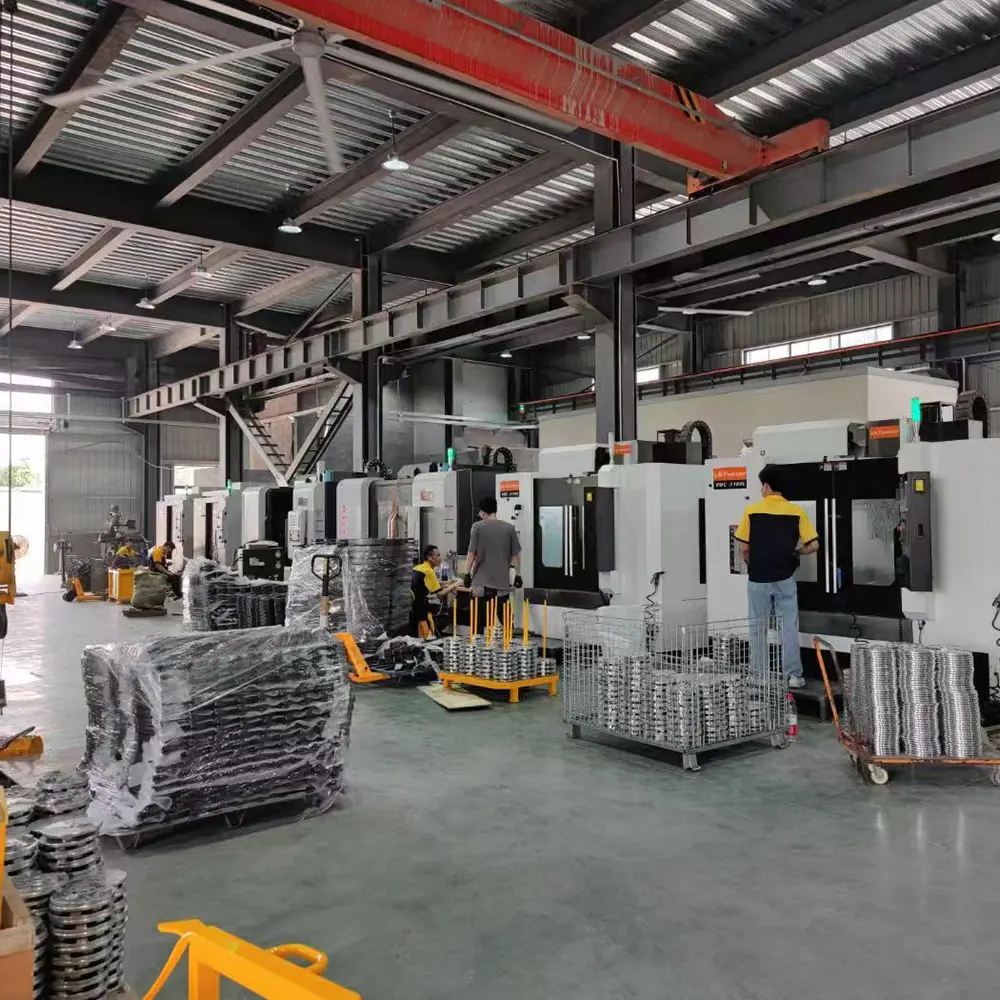
Durability matters, especially for equipment used in harsh construction environments. Strong frames, precision machining, wear-resistant components, and dependable electrical systems contribute to longer service life and fewer breakdowns. A well-built machine also holds alignment better, which supports weld quality over time.
It is wise to ask about the manufacturing process, testing methods, and certification standards before purchasing. A supplier with strict quality control can reduce the risk of operational problems and improve confidence in every project.
Look for: testing records, certification compliance, pressure checks, temperature verification, and clamp inspection before delivery.
7. Consider Customization and OEM Support
In many cases, standard equipment is not enough. Contractors and distributors often need specific voltage options, machine colors, branding, or project-oriented design changes. This is where OEM and ODM capability becomes valuable. Customization helps align the equipment with local market demands and operational preferences.
For distributors, branding support can also create a stronger market presence. For contractors, customized configurations can improve workflow, safety, and compatibility with existing tools. The ability to tailor the machine is a sign that the manufacturer understands real-world application needs.
8. Evaluate Supplier Support and Delivery Capability
Even the best equipment can create problems if the supplier does not provide reliable support. Before buying, check whether the manufacturer can offer technical guidance, spare parts, installation assistance, and after-sales service. Fast response matters, especially when your project schedule is tight.
Inventory and shipping capability are also important. A supplier with ready stock and efficient logistics can help reduce downtime and keep urgent projects moving. This is particularly valuable for international buyers who need dependable delivery timelines and responsive communication.
Strong support means more than answering questions. It also includes helping customers choose the right model, providing training when needed, and solving technical issues quickly after delivery.
9. Compare Total Value, Not Just Price
When choosing pipe welding equipment, price should never be the only factor. A cheaper machine may appear attractive at first, but if it lacks stability, consumes more labor, or requires frequent repair, the total cost of ownership becomes much higher.
Instead, compare the full value: performance, durability, ease of use, support, spare parts availability, and expected service life. In many cases, investing in a reliable machine pays off through fewer failures, better weld quality, and lower project risk.
Smart buying rule: The best choice is the one that reduces long-term cost while improving jobsite efficiency and welding consistency.
10. Practical Checklist Before You Buy
Use this simple checklist to narrow down your options:
✓ Confirm pipe material and welding method
✓ Check pipe diameter coverage
✓ Review temperature and pressure accuracy
✓ Compare manual, hydraulic, and automatic systems
✓ Inspect build quality and certification
✓ Ask about customization, spare parts, and after-sales support
By reviewing these points carefully, you can choose equipment that supports both immediate project needs and future growth.
Frequently Asked Questions
What is the most important factor when selecting pipe welding equipment?
The most important factor is matching the machine to your pipe material, diameter range, and welding method. If those do not align, even a high-end machine may perform poorly for your project.
Is a manual machine enough for professional projects?
Yes, for smaller or simpler jobs a manual machine can be suitable. However, for larger pipelines or projects that require repeatability, hydraulic or automatic systems are often a better choice.
Why is temperature control so important in welding?
Because uneven temperature can weaken the fusion zone and reduce joint strength. Stable heat control helps create consistent, durable welds.
Should I choose price or quality first?
Quality should come first, because the total cost of ownership is usually lower with reliable equipment. A better machine often saves time, labor, and repair expenses over the long term.
How do I know if a supplier is trustworthy?
Check their industry experience, testing standards, certification, delivery capability, customization support, and after-sales service. A trustworthy supplier will be transparent and responsive throughout the buying process.
Final takeaway: Choosing the right pipe welding equipment is a balance of technical fit, durability, support, and long-term value. When you focus on real project needs instead of short-term price alone, you improve welding quality, reduce downtime, and build stronger results for every pipeline installation.



