
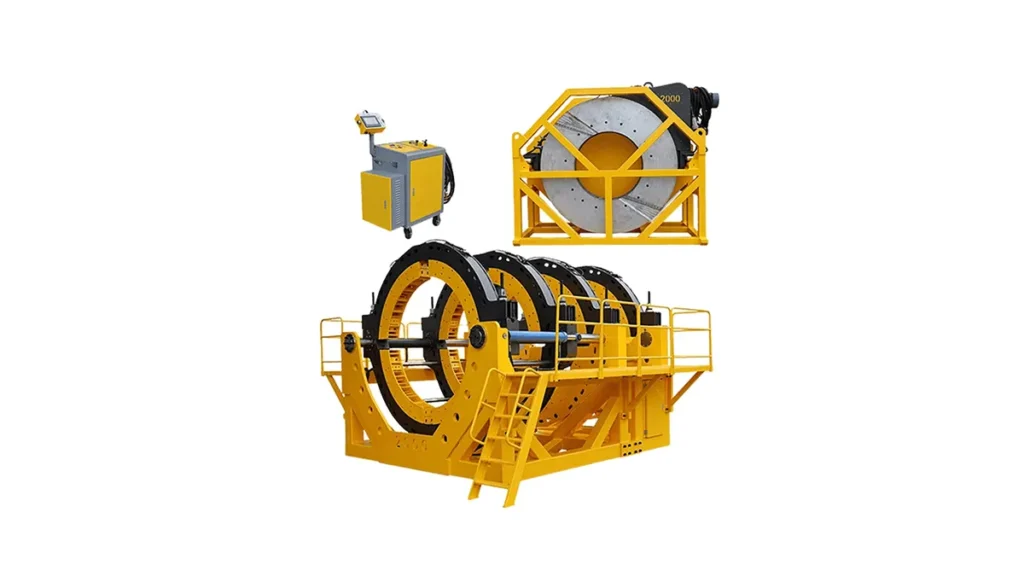
Maintaining a fusion welding machine is not only about keeping equipment clean; it is about protecting welding quality, improving productivity, and reducing the risk of costly failures on the job site. Whether the machine is used for water supply networks, gas distribution systems, mining pipelines, or industrial installations, regular maintenance helps ensure every weld remains strong, precise, and repeatable. For contractors, distributors, and project managers, proper care also extends the service life of the equipment and supports safer daily operation.
A well-maintained machine can deliver stable temperature control, accurate pressure performance, and consistent clamp alignment. These three factors directly affect fusion quality. If any one of them drifts out of range, the welding joint may become weak, uneven, or unsafe. That is why operators should treat maintenance as a core part of the workflow rather than an occasional task.
Key point: Safe operation begins before the first weld. A machine that is inspected, cleaned, and calibrated regularly is far less likely to cause workflow interruptions or defective joints.
1. Start with a Daily Visual Inspection
Before each shift, operators should inspect the machine for visible damage, loose connectors, oil leaks, dust buildup, and signs of wear on the heating plate or hydraulic components. Even a small crack in a cable or a loose bolt can become a serious safety issue during long welding sessions. A quick visual inspection takes only a few minutes, but it can prevent unexpected shutdowns and reduce the chance of operator injury.
Pay special attention to the following areas:
✔ Power cables and plugs for burn marks or exposed wiring
✔ Hydraulic hoses and fittings for leakage or cracking
✔ Clamp surfaces for dirt, deformation, or corrosion
✔ Heating plate surface for scratches, carbon residue, or uneven coating
2. Keep the Heating Plate Clean and Stable
The heating plate is one of the most important components in a fusion welding machine. Its temperature must remain accurate and evenly distributed across the working surface. If residue, dust, or polymer buildup is left on the plate, heat transfer becomes inconsistent and the weld quality suffers. Operators should clean the heating plate only after it has cooled to a safe temperature and should use tools recommended by the manufacturer.
Important: Never use sharp metal objects to scrape the heating plate. This can damage the coating and reduce thermal performance over time.
Temperature calibration should also be checked regularly. If the display shows a value that does not match the actual heating surface, the machine may overheat or underheat the pipe ends. Both problems can weaken the fusion bond. In professional production environments, temperature checks should be documented as part of the quality control routine.
3. Monitor Hydraulic Pressure and Clamp Alignment
For hydraulic butt fusion equipment, pressure stability is critical. Hydraulic systems should operate smoothly, without sudden pressure drops, jerky movement, or abnormal noise. Low-quality pressure control can lead to uneven heating, improper fusion timing, or pipe slippage during the joining process. Regularly inspect the pressure gauge, pump, seals, and oil level to ensure the system stays within the required operating range.
Clamp alignment is equally important. If the pipe ends are not held in a straight and stable position, the fused joint may be misaligned. This can create long-term stress inside the pipeline and may eventually cause leakage or failure. Operators should verify that the clamps move freely, lock securely, and hold the pipe sections perfectly centered.
If your team works with a butt fusion machine, proper alignment checks should be part of every setup process, especially on demanding projects where pipe diameter and wall thickness vary.
4. Protect the Electrical System
Electrical safety plays a major role in the operation of any welding machine. Power supplies should be stable and properly grounded, and all connections must remain tight and free from contamination. Moisture, dust, and vibration can gradually damage electrical components if the machine is used in harsh field conditions. Inspect control panels, switches, indicators, and wiring regularly to ensure reliable operation.
If the machine shows inconsistent startup behavior, blinking indicators, or delayed response, the electrical system may require attention. In such cases, operators should stop using the unit until the issue is diagnosed. Continuing to work with a faulty electrical system may not only reduce welding accuracy but also create a serious safety risk.
Tip: Keep the control panel dry and clean, and use protective covers when the machine is stored outdoors or transported between sites.
5. Use Proper Lubrication and Replace Wear Parts on Time
Moving parts such as guide rods, slides, and hinges require proper lubrication to reduce friction and prevent premature wear. Use only the grease or oil recommended by the equipment supplier, because incompatible lubricants may damage seals or attract excess dust. A good lubrication routine improves smooth movement and reduces stress on mechanical parts.
Wear parts should not be ignored. Heating plate covers, seals, filters, and hydraulic hoses all have service lives and should be replaced before they fail. Waiting until a component breaks can lead to downtime, repair delays, and poor weld outcomes. For high-volume operations, it is wise to keep spare parts in stock to support fast maintenance and uninterrupted production.
6. Train Operators and Maintain Consistent Procedures
Even the best equipment will underperform if operators do not understand how to use it correctly. Training should cover setup, cleaning, pressure adjustment, temperature control, emergency shutdown, and safe handling of hot components. Well-trained staff are more likely to spot early warning signs and follow maintenance procedures accurately.
Standard operating procedures also help improve consistency across different shifts and job sites. When every operator follows the same inspection and cleaning routine, maintenance quality becomes easier to control. This is especially important for companies handling multiple projects or working with international contractors who need dependable results.
Manufacturers like JQ-Fusion support this need with technical guidance, customized equipment options, and reliable service. Their experience in HDPE pipeline welding makes them a useful partner for teams seeking both performance and long-term machine stability.
7. Store the Machine Correctly After Use
Correct storage is often overlooked, yet it has a major impact on machine life. After work is finished, the machine should be cleaned, dried, and placed in a protected area away from rain, direct sunlight, corrosive materials, and heavy impact. The heating plate and other sensitive components should be covered if the machine will not be used for an extended period.
In cold or humid environments, storage conditions become even more important. Moisture can affect electrical systems and hydraulic parts, while low temperatures may change fluid behavior. A controlled storage space helps preserve machine accuracy and reduces the likelihood of startup problems on the next project.
8. Choose Reliable Equipment with Strong Manufacturing Support
Maintenance becomes easier when the machine is built with quality components and proper engineering standards from the beginning. A reliable manufacturer can make a major difference in long-term operation, because accurate machining, stable hydraulic systems, and durable materials all reduce maintenance pressure. Companies with strong manufacturing capability and strict testing procedures typically provide equipment that performs more consistently in the field.
JQ-Fusion, for example, focuses on professional butt fusion solutions and offers a wide range of welding machines for different pipe diameters and project needs. Their product range includes hydraulic butt fusion welding machines, automatic butt fusion welding machines, electrofusion welding machines, and multi-angle pipe fitting welding machines. This variety helps users select equipment that suits both technical requirements and maintenance expectations.
Why this matters: Better equipment design usually means fewer breakdowns, easier servicing, and more stable performance across long project cycles.
For international buyers and project teams, it is also useful to work with suppliers that provide OEM and ODM support, fast shipping, and technical training. Those services help users maintain the machine correctly while also adapting it to local project conditions and production demands. You can learn more about the company’s capabilities and product support through their official website, where technical guidance and product information are available for global customers.
Frequently Asked Questions
Q1: How often should a fusion welding machine be serviced?
A: Daily visual checks are recommended, with deeper maintenance performed according to workload, machine type, and manufacturer guidelines. Heavy-use equipment may require more frequent inspection.
Q2: What is the most important part to clean regularly?
A: The heating plate should be cleaned regularly because residue or damage on its surface can directly affect welding temperature and joint quality.
Q3: Can a machine still be used if hydraulic pressure is unstable?
A: It is not safe to continue using the machine until the pressure issue is identified and corrected, because unstable pressure can damage weld consistency and increase operational risk.
Q4: How can operators extend the service life of the machine?
A: They should inspect the machine daily, clean critical parts, replace worn components on time, store the equipment properly, and follow standardized operating procedures.
Q5: Why choose a professional manufacturer for fusion welding machines?
A: Professional manufacturers offer stronger quality control, better customization, more reliable performance, and technical support that helps maintain safe and efficient operation over the long term.



