
When you build or maintain a drainage network, the way you join HDPE pipes matters just as much as the pipe itself. A strong, clean joint helps the system stay leak-free, resists ground movement, and supports long-term performance in municipal, industrial, and site drainage applications. If the connection is weak, even the best pipe can fail at the joints.
HDPE has become a preferred material for drainage systems because it is lightweight, corrosion-resistant, flexible, and durable. Yet these advantages only fully appear when the pipes are joined correctly. Whether you are working on a stormwater line, a culvert extension, or an industrial discharge system, understanding the right joining method is essential for safe and efficient installation.
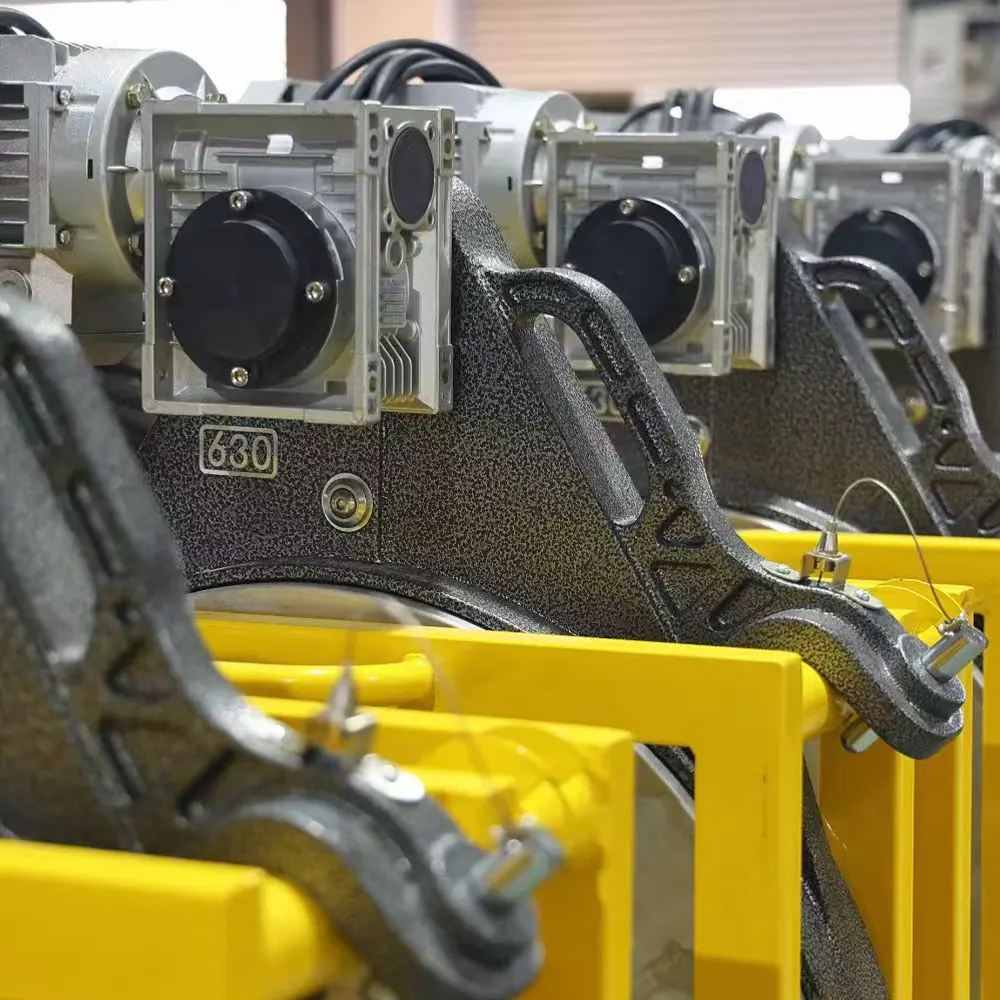
In many projects, the most reliable method is heat fusion, especially when the system needs a continuous, monolithic pipeline with excellent sealing performance. For contractors and distributors looking for dependable equipment, a professional butt fusion machine can make the joining process more stable, accurate, and efficient.
Why HDPE Pipe Joining Is Critical in Drainage Projects
Drainage systems are exposed to water pressure, soil movement, vibration, weather changes, and long service demands. A poor connection can lead to seepage, joint separation, backflow, and expensive repairs. Unlike some materials that rely heavily on mechanical sealing, HDPE pipes can be fused into a nearly seamless line when the process is done correctly.
That is why many engineers and contractors prefer fusion-based joining methods for drainage lines. They reduce leak risks and improve structural integrity. In underground installations, where repairs are difficult and costly, the quality of each joint directly affects the whole system’s service life.
Key point: In drainage applications, a reliable joint is not just a connection point; it is part of the system’s long-term protection against leakage and failure.
Common Methods Used to Join HDPE Pipes
There are several ways to connect HDPE pipes, and the best choice depends on pipe size, site conditions, project budget, and performance requirements. The most common methods include butt fusion, electrofusion, mechanical couplings, and flange connections. Each method has its own application range and advantages.
1. Butt Fusion
Butt fusion is one of the strongest ways to join HDPE pipes. In this process, the pipe ends are heated until they reach a molten state, then pressed together under controlled force. After cooling, the connection becomes a continuous pipe structure with excellent strength and sealing performance.
This method is widely used for drainage systems with medium to large diameter pipes. It is especially suitable when the goal is to create a long, durable line with minimal maintenance needs. Because the joint becomes almost as strong as the pipe itself, it is preferred in demanding projects.
Why contractors like it: Butt fusion reduces leak points, improves flow continuity, and is highly suitable for buried drainage systems.
2. Electrofusion
Electrofusion uses special fittings with built-in heating coils. Once the fitting is positioned on the pipe ends and powered by a fusion control unit, heat is generated internally to create the joint. This method is often used in tight spaces, repair work, or smaller-diameter installations where butt fusion equipment may be less practical.
Electrofusion is valued for its precision and convenience. However, it requires clean pipe surfaces, proper alignment, and strict control of fusion parameters. In drainage systems, it can be especially useful for branch connections, tie-ins, and specialized sections.
3. Mechanical Couplings
Mechanical couplings connect pipes using compression or clamp-type fittings. They are easy to install and can be removed if needed, which makes them helpful in temporary systems or short-term repairs. Still, they are generally less permanent than fusion joints.
For drainage projects that require frequent maintenance or future modifications, mechanical couplings may be a practical option. But for permanent underground lines, they are usually chosen only when fusion is not possible.
4. Flange Connections
Flange connections are typically used when HDPE pipes need to connect to valves, pumps, tanks, or steel piping. They provide a secure transition between different materials and are common in drainage pumping stations or industrial discharge systems.
Although flanges are not the main joining method for long pipe runs, they play an important role in system integration and equipment interfaces.
Why Butt Fusion Is Often the Best Choice for Drainage Systems
For many drainage applications, butt fusion stands out because it creates a joint with high strength, excellent sealing, and long service life. Since drainage lines often run underground or through difficult-to-access areas, reducing the number of weak points is a major advantage. A fused joint avoids many of the sealing issues associated with gasketed or threaded connections.
Another major benefit is flow continuity. Drainage systems depend on smooth internal surfaces to keep water moving efficiently. Butt fusion maintains that continuity and helps reduce turbulence and buildup at the joints. This is especially useful in stormwater systems and large-scale drainage channels.
In addition, butt fusion works well across a wide diameter range. With the right equipment, contractors can join a broad selection of HDPE pipes used in drainage, water supply, mining, and industrial pipe installations.
Important: A properly fused HDPE joint can help the drainage line behave like a single continuous pipe, which is one of the biggest reasons it is trusted in long-life infrastructure projects.
How Butt Fusion Works in Practical Installation
The butt fusion process may look simple, but it depends on careful control of each step. The pipe ends must be clean, aligned, and prepared with proper facing. The heating plate must reach the correct temperature, and the fusion pressure must remain stable throughout the cycle. After the heating phase, the pipe ends are brought together and held while the joint cools.
Several factors affect the quality of the weld, including pipe wall thickness, ambient temperature, operator skill, and machine accuracy. That is why high-performance equipment and trained technicians are both important. Even small mistakes in pressure or alignment can affect the final result.
Using a reliable machine from an experienced manufacturer can improve consistency. Professional equipment is designed to maintain stable temperature, accurate hydraulic pressure, and precise clamp alignment, all of which are necessary for dependable field performance.
Best Practices for Joining HDPE Pipes in Drainage Systems
To achieve strong and long-lasting joints, installation teams should follow a disciplined process. First, make sure the pipe and fittings are the correct specification for the project. Next, inspect the pipe ends for damage, contamination, or deformation. Any dirt, moisture, or irregularity can affect fusion quality.
Second, use the correct equipment for the pipe diameter and joining method. For larger drainage lines, a well-calibrated fusion machine is essential. For smaller or restricted areas, electrofusion may be more practical. Third, follow the manufacturer’s recommended fusion parameters exactly. This includes heating time, pressure, cooling time, and surface preparation.
Finally, never rush the cooling stage. A joint that is moved too early may weaken before it fully sets. Good installation practices save time in the long run by preventing failure and rework.
Pro tip: The quality of HDPE joining depends on both the operator and the machine. Stable equipment plus proper training creates the best result.
Choosing the Right Equipment for the Job
Not every drainage project requires the same type of fusion equipment. Smaller projects may only need manual machines, while larger municipal or industrial systems may demand hydraulic or CNC automatic solutions. The right choice depends on pipe size, output requirements, and the level of control needed on site.
A trusted manufacturer can help match the equipment to the application. JQ-Fusion, for example, focuses on HDPE pipe welding machines for a variety of pipeline projects. Their product range includes manual, hydraulic, and CNC automatic butt fusion welding machines, supporting both small and large diameter pipes.
For teams that need a reliable supply partner, it is useful to work with a manufacturer that offers OEM and ODM customization, technical support, and fast shipping. These services can help contractors and distributors respond faster to project demands and market needs.
Learn more about the company at https://jq-fusionwelding.com/.
Quality Control Matters in Fusion Joining
Even when the correct method is selected, quality control remains essential. A joint should be inspected for visual consistency, proper bead formation, and alignment. In professional projects, machines are often tested for temperature accuracy, hydraulic stability, and clamp alignment before delivery or use.
These checks matter because drainage systems are often buried after installation. Once backfilled, poor joints are difficult to access. Preventing errors before burial is far easier than repairing a failed underground line later.
Manufacturers with strong quality control processes provide added confidence to contractors. Stable performance, durable components, and repeatable welding accuracy all contribute to successful project execution.
Applications Where HDPE Fusion Joints Perform Well
HDPE joined by fusion is used in a wide range of drainage-related applications. It is common in stormwater collection systems, road drainage, industrial wastewater lines, mining dewatering networks, and site drainage for commercial or residential developments. The material’s resistance to corrosion and chemical exposure makes it especially useful in harsh environments.
In mining and industrial projects, drainage lines may carry abrasive or contaminated water. In those cases, strong fused joints help maintain system integrity under challenging operating conditions. For municipal drainage, the ability to handle long buried runs with low maintenance is a major advantage.
The flexibility of HDPE also helps the system withstand settling and movement in the soil. This is particularly important in areas with unstable ground or temperature variation.
What Makes a Reliable Fusion Partner Valuable
For contractors, engineers, and distributors, the machine supplier is more than just a vendor. A reliable partner helps ensure project success through stable equipment, technical guidance, and after-sales support. Strong manufacturing capability, a large inventory, and fast delivery can make a big difference when project schedules are tight.
JQ-Fusion emphasizes more than just machine production. With over 20 years of industry experience, a focus on customization, and a commitment to quality assurance, it supports global pipeline projects with products designed for reliable performance. The company’s range includes hydraulic butt fusion welding machines, automatic butt fusion welding machines, electrofusion welding machines, and multi-angle pipe fitting welding machines.
For international projects, certifications also matter. Compliance with recognized standards and third-party inspection helps build confidence in product safety and performance.
Frequently Asked Questions
Q1: What is the strongest way to join HDPE pipes for drainage?
A: Butt fusion is often considered the strongest method because it creates a continuous joint with excellent sealing and structural performance.
Q2: Can HDPE pipes be joined without welding?
A: Yes. Mechanical couplings and flange connections can be used in certain situations, especially for repairs, transitions, or equipment connections.
Q3: Is electrofusion suitable for drainage projects?
A: Yes. Electrofusion works well for smaller pipes, branch lines, and areas where butt fusion equipment is difficult to use.
Q4: Why is joint quality so important in buried drainage systems?
A: Because buried joints are hard to access after installation, any weakness can cause leaks, soil damage, or costly repairs later.
Q5: What should I look for in a fusion machine supplier?
A: Look for stable machine performance, quality control, customization options, technical support, fast delivery, and proven experience in pipeline projects.



