
Choosing between local and overseas suppliers is one of the most important procurement decisions a business can make. The right choice can improve product quality, reduce delays, and strengthen long-term margins. The wrong choice can create hidden costs, inconsistent supply, and avoidable operational stress. For companies that rely on industrial equipment, components, or project-based sourcing, the decision is rarely only about price. It is about reliability, communication, compliance, lead time, and whether the supplier can support your growth over time.
In many industries, businesses compare local suppliers with overseas manufacturers to determine which option offers the best balance of cost, flexibility, and service. Local suppliers often provide shorter delivery cycles and easier communication. Overseas suppliers may offer broader production capability, stronger customization, and more competitive unit pricing at scale. The challenge is to evaluate which strengths matter most for your current stage of business and your future plans.
Key idea: the “best” supplier is not always the cheapest one. The best supplier is the one that consistently supports your business goals, quality standards, and delivery requirements.
Before making a decision, it helps to define what your business actually needs. If your product demand is steady, your priority may be dependable replenishment and strong after-sales support. If your projects are large, customized, or distributed across multiple regions, you may need a supplier with manufacturing depth and export experience. This is especially true in technical industries such as pipeline construction, where equipment performance affects project safety, efficiency, and compliance.
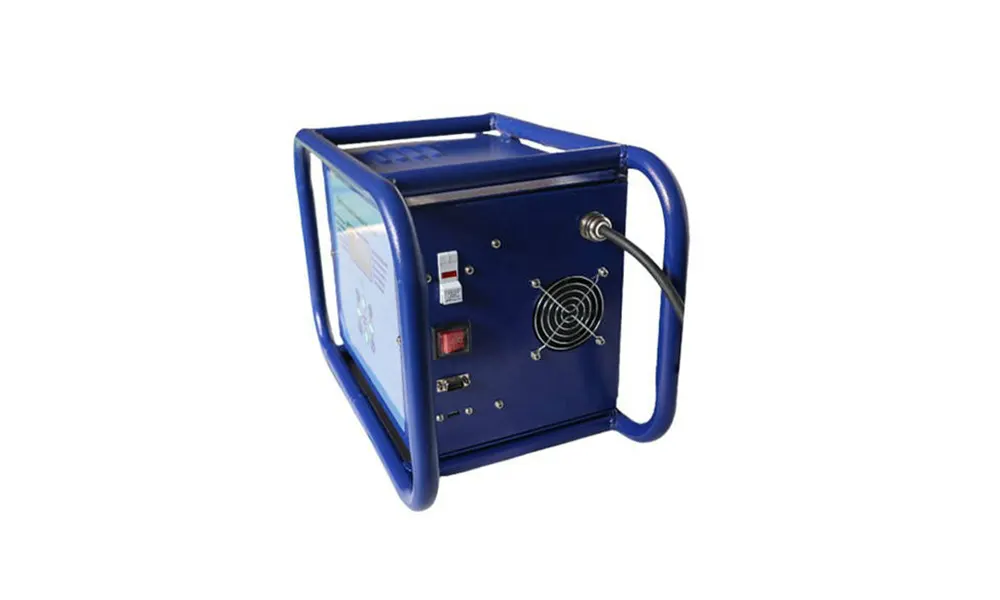
For example, businesses sourcing industrial welding equipment often compare localized service convenience with overseas manufacturing advantages. A specialized supplier such as butt fusion machine manufacturer can provide strong product variety, OEM/ODM customization, and global shipping support, which may be critical for contractors and distributors working on water supply, gas distribution, mining, or industrial pipeline projects.
1. Start with Your Business Priorities
The best supplier choice begins with a clear understanding of your priorities. If your business competes on speed, a local supplier may be more valuable because transportation time is short and communication is easier. If your business competes on cost efficiency or product breadth, an overseas supplier may be better suited to your needs. If your business depends on technical customization, supplier engineering capability becomes more important than geography alone.
Many companies use a simple framework: quality, price, lead time, communication, flexibility, and risk. Rate each factor based on how much it affects your daily operations. A small manufacturer may value quick replenishment above all else, while a project contractor may prioritize custom configurations and stable supply for large-volume orders. Once you know what matters most, the supplier comparison becomes more objective.
Tip: do not compare suppliers using only unit price. Include logistics, defect risk, service response, inventory stability, and replacement costs in your evaluation.
2. Compare Total Cost, Not Just Unit Price
Local suppliers may look more expensive on paper, but the total cost can be lower if delivery is faster, returns are easier, and quality issues are resolved quickly. Overseas suppliers may offer lower production prices, but freight charges, customs duties, insurance, and longer lead times can change the final economics significantly. In some cases, a lower purchase price turns into a higher landed cost.
To make the right decision, calculate the full cost of ownership. Consider shipping fees, import taxes, warehouse costs, defect handling, and the business impact of delays. If your inventory turns quickly, a local source can help reduce stockouts. If your order volumes are large enough, overseas manufacturing may offer stronger economies of scale. The key is to compare what each option costs your business in real terms, not just what appears on the supplier quotation.
3. Evaluate Quality Control and Consistency
Quality consistency is often the deciding factor in supplier selection. A local supplier may be easier to audit in person, but an overseas supplier with a mature quality system can be equally reliable or even stronger. What matters is whether the supplier has documented processes, testing methods, traceability, and a culture of quality control.
In industrial procurement, reliability matters as much as specifications. For example, a manufacturer of pipeline welding equipment should have strict testing for temperature accuracy, hydraulic stability, clamp alignment, and overall performance. A strong supplier will not only produce the equipment but also verify that every unit performs consistently under real working conditions. This is why businesses serving infrastructure projects often prefer suppliers with proven production systems and international certifications.
★ Look for traceable inspection records, sample testing, and clear rejection procedures before you place a large order.
4. Think About Lead Time and Supply Stability
Lead time is more than a shipping number. It includes production time, customs clearance, inland transport, and the possibility of unexpected delays. Local suppliers generally provide shorter and more predictable replenishment cycles, which is useful when customer demand is volatile or urgent. Overseas suppliers may require more planning, but they can still be highly dependable if they maintain inventory, efficient production schedules, and reliable logistics systems.
If your business works on project deadlines, supply stability can be more important than the fastest quote. A supplier with ready stock and organized shipping processes can help you avoid downtime. Businesses in industrial sectors often prefer partners that can support urgent requirements while still maintaining quality. This is where a large inventory and a fast response system create real business value.
Some international manufacturers also provide full support from product selection to installation and after-sales service, which helps offset the distance factor. When this level of support is present, an overseas supplier can be just as practical as a local one.
5. Communication and Cultural Alignment Matter More Than You Think
Clear communication is a major advantage of working with local suppliers. Time zone alignment, language familiarity, and shared business practices can make negotiations easier and faster. This can reduce misunderstandings about product details, delivery expectations, and warranty terms. However, overseas suppliers that serve global customers often have structured communication systems and export teams experienced in cross-border business.
When communication is weak, small issues can become expensive problems. That is why you should test responsiveness before signing a contract. Ask specific questions, request documents, and observe how quickly and clearly the supplier replies. If they answer carefully, provide technical details, and show willingness to customize, that is a good sign. A supplier that is responsive during the early stage is more likely to be reliable after the order is confirmed.
✔ Strong communication indicators: fast replies, clear quotations, complete technical documents, and honest answers about lead times and limitations.
6. Check Customization Capability
Businesses with unique requirements should pay close attention to customization. Local suppliers may be more flexible for small modifications, urgent tweaks, or short-run projects. Overseas suppliers, especially established manufacturers, may offer deeper engineering capability, broader product ranges, and OEM/ODM services that support branding and market differentiation.
Customization is especially important in technical equipment procurement. For instance, a contractor may need a specific voltage, machine size, clamp structure, or project-based configuration. An experienced manufacturer can adapt the product to suit site conditions and operational preferences. This is where global suppliers with engineering teams can become strategic partners rather than just order fillers.
Businesses searching for specialized industrial equipment often benefit from suppliers with a broad product lineup, such as hydraulic systems, automatic models, and supporting welding solutions. A supplier that can match multiple specifications reduces the need to source from different vendors and simplifies procurement management.
7. Assess Risk, Compliance, and Warranty Support
Every sourcing decision carries risk. Local suppliers may be easier to hold accountable under domestic laws, but overseas suppliers can also be dependable if they provide proper contracts, certifications, and warranty terms. The key is to understand what protections are available if something goes wrong.
In regulated industries, compliance is non-negotiable. Look for product certifications, documented testing, and evidence that the supplier follows international standards. If you are buying industrial machinery, ask how they handle spare parts, technical troubleshooting, and warranty claims. A supplier with strong technical support reduces operational risk and helps your team solve problems faster.
Important: a supplier’s ability to resolve problems after delivery is just as important as their ability to win your first order.
8. When Local Suppliers Make More Sense
Local suppliers are often the better choice when speed, convenience, and frequent communication are essential. They are especially useful for businesses that need small batch purchases, urgent replacements, or face-to-face collaboration. If your product needs change quickly, local partners may respond faster to design updates or delivery adjustments.
Local sourcing can also be ideal for companies that are just starting out and need a simpler purchasing process. The reduced complexity of domestic logistics can make it easier to manage cash flow and customer commitments. For high-urgency industries, even a slightly higher unit cost can be acceptable if it prevents project delays or service failures.
9. When Overseas Suppliers Offer a Better Advantage
Overseas suppliers may be the stronger option when your business needs scale, customization, or lower manufacturing costs. Many global manufacturers invest in advanced production lines, precision machining equipment, and dedicated quality control systems. They may also support OEM/ODM development, which is valuable for businesses building their own brand identity.
For example, a specialized international manufacturer may produce manual, hydraulic, and CNC automatic equipment across a wide range of pipe diameters, while also serving global pipeline projects. This makes overseas sourcing attractive for distributors and contractors who need stable performance, technical depth, and consistent product availability. When the supplier has export experience, shipping processes, and large inventory support, distance becomes less of a barrier.
For businesses that value technical support and proven performance in global markets, overseas suppliers can become long-term strategic partners rather than transactional vendors. That relationship can be especially valuable when your business plans to expand into new regions or new product segments.
10. Build a Supplier Evaluation Checklist
To choose wisely, create a structured supplier checklist. Include business registration, production capacity, quality certifications, references, customization ability, shipping terms, warranty policy, and service response time. Score each supplier against the same criteria so the comparison remains fair.
You can also request samples, visit the factory if possible, or run a small trial order before committing to a large purchase. This approach helps you verify whether the supplier delivers what they promise. Over time, a reliable supplier relationship can save money, improve planning, and support stronger customer satisfaction.
Best practice: test a supplier on one small project before trusting them with your biggest order. Real performance is more important than polished marketing.
Conclusion
There is no universal answer to the local versus overseas supplier question. The right choice depends on your product type, urgency, budget, compliance needs, and growth strategy. Local suppliers often win on speed and convenience, while overseas suppliers may win on scale, customization, and cost efficiency. Smart businesses evaluate the total picture rather than focusing on a single factor.
If you are sourcing industrial equipment, the decision becomes even more important because quality and reliability directly affect project outcomes. By comparing total cost, communication, quality control, lead time, and risk, you can choose the supplier that strengthens your operations instead of complicating them. In many cases, the best supplier is the one that can scale with your business and support you consistently over time.
Frequently Asked Questions
1. Is it always cheaper to buy from overseas suppliers?
No. Overseas suppliers may have lower unit prices, but freight, duties, insurance, and longer lead times can increase the total landed cost.
2. Are local suppliers always more reliable?
Not always. Local suppliers can be easier to reach, but reliability depends on their production systems, quality control, and service standards.
3. How can I reduce risk when choosing an overseas supplier?
Request certifications, inspect sample quality, review warranty terms, verify communication speed, and start with a trial order before scaling up.
4. What should I prioritize first when comparing suppliers?
Start with the factors that most affect your business: quality, delivery speed, total cost, customization, and after-sales support.
5. Can an overseas manufacturer provide good technical support?
Yes. Many experienced overseas manufacturers offer professional technical guidance, fast response, training support, and reliable logistics for global customers.



