
In modern pipeline construction, speed and precision are no longer optional—they are essential. Welding teams are expected to deliver consistent results across large projects while keeping documentation accurate, complete, and ready for review. This is exactly where a welding report generation system becomes valuable. By automating recordkeeping, reducing manual input, and standardizing data collection, these systems help supervisors and engineers save time while improving reporting accuracy at every stage of the job.
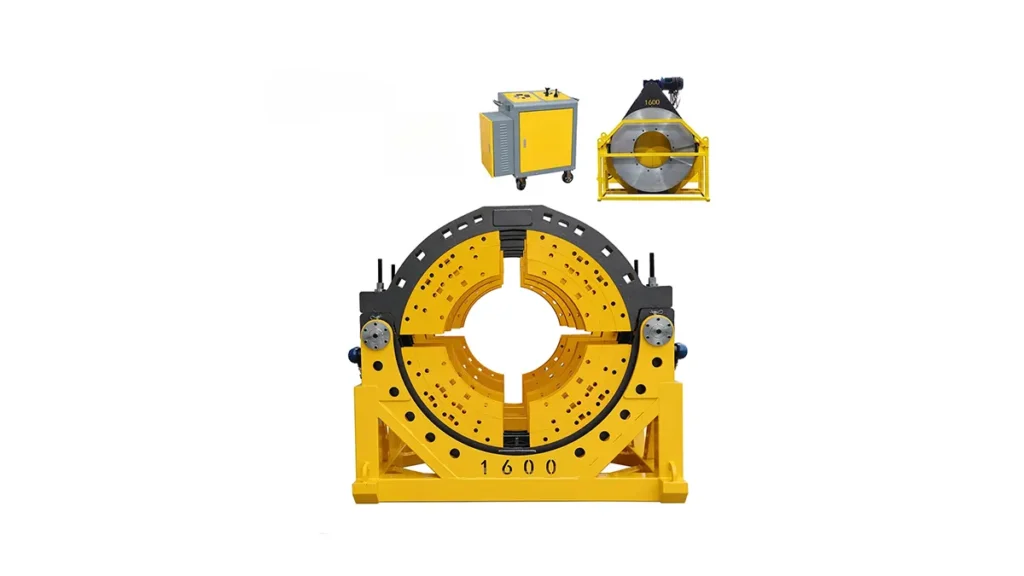
For contractors working on water supply, gas distribution, mining, or industrial pipeline installations, the ability to capture welding data quickly can directly affect project efficiency. Instead of relying on handwritten notes, scattered spreadsheets, or delayed reporting, teams can produce cleaner and more reliable records in real time. For companies using advanced equipment such as a butt fusion machine, a digital report system helps transform field operations into traceable, professional documentation that supports quality control and compliance.
📌 Key idea: the more consistent the welding data is, the easier it becomes to identify problems, verify work quality, and reduce delays caused by missing or incorrect records.
Why Welding Reports Matter More Than Ever
Every welding joint tells a story. It reflects the pipe diameter, temperature settings, pressure values, alignment conditions, operator details, and inspection outcome. When these details are recorded properly, project managers gain visibility into the full welding process. When they are not, even a strong weld can become difficult to verify later.
Traditional reporting methods often depend on manual entry, which increases the risk of errors such as missed fields, inconsistent units, duplicated records, and illegible handwriting. These small issues can create major problems during audits, client handovers, or troubleshooting. A welding report generation system removes much of that burden by organizing data automatically and presenting it in a clear, standardized format.
Benefits of accurate welding reports include:
• Better traceability for each weld joint
• Faster quality checks and approvals
• Easier communication between field and office teams
• Reduced rework caused by documentation mistakes
• Stronger compliance with project and customer requirements
How Automation Improves Accuracy
The biggest advantage of a welding report generation system is automation. Instead of asking operators to manually rewrite the same details again and again, the system can collect, store, and arrange information from preset templates, connected devices, or project databases. This significantly reduces human error and improves the reliability of the final report.
For example, a system can automatically insert project identifiers, operator names, time stamps, machine settings, and inspection results into a formatted document. This not only saves time but also ensures that every report follows the same structure. Standardization is especially important on large-scale projects where multiple crews may be working across different locations.
✔ Accurate records support better decisions. When the report reflects the real welding conditions, supervisors can quickly confirm whether the joint met required standards or needs rework.
Automation also helps eliminate inconsistencies. In manual systems, one worker may record pressure as “1.2 MPa,” while another writes “1.2Mpa” or “1200 kPa.” Though these may refer to the same value, inconsistent formatting can complicate review and analysis. A digital reporting system applies uniform units and labels, which makes the information easier to compare across different jobs.
Saving Time in the Field and Office
Time savings are another major reason welding report generation systems are becoming more popular. On busy construction schedules, every minute matters. If workers spend less time filling out forms, they can spend more time welding, inspecting, and moving the project forward. At the office level, managers also benefit from faster report collection and faster approval workflows.
Instead of gathering paper forms from multiple crews and manually typing them into a spreadsheet, a report generation system can consolidate all information in one digital workflow. This reduces repetitive work and makes it easier to produce daily, weekly, or project-based summaries. In many cases, reports can be generated in just a few clicks.
Time-saving functions may include:
• Pre-built report templates
• Automatic data filling from machine records
• One-click export to PDF or spreadsheet formats
• Real-time synchronization across teams
• Instant retrieval of previous welding records
This time efficiency is especially useful for contractors managing multiple pipe diameters, different site conditions, and varied machine types. Whether the project uses manual, hydraulic, or CNC automatic equipment, the reporting process stays consistent and easier to manage.
Supporting Quality Control and Compliance
Quality control is one of the strongest reasons to invest in digital reporting. Welding records are not just administrative paperwork; they are proof that each joint was produced under acceptable conditions. When a report generation system stores precise data, quality teams can review trends, confirm machine settings, and locate possible issues before they become larger problems.
This is particularly important in projects that require strict standards or third-party certification. A well-structured report can support inspections by showing the conditions of each weld and the results of each test. It also helps companies demonstrate that they follow proper procedures, which is valuable for clients, regulators, and international partners.
🔍 A reliable report can prevent disputes. If a client questions the quality of a weld, accurate records provide evidence and make responses faster and more credible.
For manufacturers and project suppliers, documentation also reflects professionalism. Companies that provide durable and customizable welding equipment can strengthen customer trust by pairing strong machinery with well-organized reporting solutions. This complete approach improves not only jobsite performance but also long-term customer satisfaction.
The Role of Welding Data in Long-Term Project Success
Welding data is more useful when it can be analyzed over time. A report generation system allows companies to compare performance across different crews, machines, and project stages. Patterns may appear that show which settings produce the best results or which conditions lead to delays and inconsistencies.
This long-term visibility helps businesses make smarter decisions. For instance, if reports reveal that a certain machine performs better under specific voltage settings or alignment conditions, teams can adjust standard procedures accordingly. That leads to better weld quality and more efficient use of labor and equipment.
Companies such as JQ-Fusion, with experience in HDPE pipe welding machines and global pipeline projects, understand that stable performance and accurate records go hand in hand. Machines built for manual, hydraulic, and automatic butt fusion applications are even more valuable when their outputs can be tracked through reliable reporting. This combination supports safer workflows and better project planning.
✅ Practical outcome: better data means better maintenance planning, better accountability, and better future project estimates.
Why Mobile-Friendly Reporting Matters
Modern construction teams need tools that work on the move. Mobile-friendly report generation systems allow field operators to input or review data from tablets and smartphones without waiting until they return to the office. This is especially useful in large outdoor sites where supervisors may be spread across long pipeline sections.
A responsive reporting system makes information easier to access, faster to approve, and less likely to be lost. It also helps teams react quickly if a problem appears during the welding process. Instead of discovering an issue after the fact, managers can identify irregularities earlier and take corrective action immediately.
Choosing a Welding Report System That Fits Your Workflow
Not every project needs the same reporting setup. Some teams only need basic record templates, while others require detailed integration with welding machines, inspection tools, and project management software. The right system should fit the size of the project, the level of documentation required, and the technical ability of the team.
When evaluating a system, consider whether it offers customization, easy export options, and support for different job types. If the system can adapt to project-specific needs, it will be easier to implement and more valuable over time. This flexibility is especially important for contractors and distributors handling diverse pipeline applications across global markets.
Look for these core qualities: simple interface, accurate auto-fill, strong data security, mobile compatibility, and clear reporting formats.
When reporting tools and welding equipment work together, the result is a more efficient operation from start to finish. That is why many professional pipeline companies are moving toward systems that combine equipment reliability with digital documentation.
Conclusion
Welding report generation systems improve accuracy and save time by replacing manual, error-prone processes with structured automation. They make it easier to record essential welding data, standardize documentation, support inspections, and accelerate project workflows. For businesses focused on high-performance pipeline construction, digital reporting is not just a convenience—it is a practical tool for better quality, faster delivery, and stronger accountability.
As projects become larger and more demanding, the value of precise reporting continues to grow. Teams that adopt efficient reporting systems gain clearer visibility into operations and spend less time fixing paperwork problems. In the long run, that means more reliable results, smoother coordination, and stronger confidence in every completed weld.
Frequently Asked Questions
1. What is a welding report generation system?
It is a digital tool that collects, organizes, and formats welding data into professional reports, helping teams save time and reduce manual errors.
2. How does it improve accuracy?
It reduces handwriting mistakes, standardizes data entry, and automatically fills in key details such as time stamps, operator names, and machine settings.
3. Can it save time on large projects?
Yes. It speeds up recordkeeping, report creation, and approval workflows, which is especially useful for large pipeline installations with multiple crews.
4. Is it useful for quality control?
Absolutely. Accurate welding reports make inspections easier, improve traceability, and provide evidence of proper welding conditions.
5. What kind of companies benefit most from it?
Pipeline contractors, welding equipment manufacturers, distributors, and industrial project teams all benefit from faster, more reliable reporting.



