
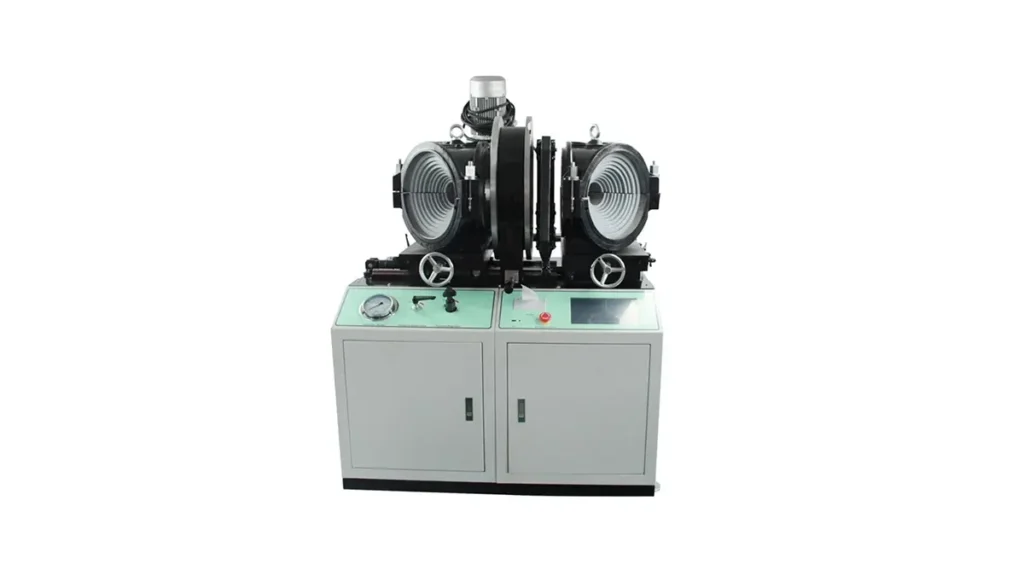
In modern pipeline construction, welding is not just one step in the process; it is the foundation of long-term system reliability. Whether a project involves water supply, gas distribution, mining, or industrial transport, the quality of every joint directly affects safety, durability, and operating costs. That is why contractors and distributors are paying more attention to workflow optimization, especially when using a butt fusion machine for HDPE pipe installation. A well-organized welding workflow helps teams reduce rework, improve productivity, and maintain consistent quality across every project stage.
Optimizing your pipeline welding workflow starts long before the first pipe end is heated. It begins with project planning, equipment selection, operator training, and quality control standards. When these elements are properly aligned, the result is smoother installation, fewer delays, and stronger final joints. For companies handling large-scale infrastructure or urgent deadlines, small improvements in workflow can create significant gains in output and project profitability.
Key idea: an efficient welding workflow is not about working faster at any cost. It is about creating a stable system where every action supports accuracy, repeatability, and safety. In pipeline projects, consistency is often more valuable than speed alone.
1. Start with the Right Equipment Strategy
The first step in improving workflow efficiency is choosing equipment that matches the pipe diameter, jobsite conditions, and production targets. A manual machine may suit smaller or more flexible projects, while hydraulic and CNC automatic systems are better for demanding installations that require repeatable precision. The right machine reduces operator fatigue, shortens setup time, and supports stable welding results under changing field conditions.
JQ-Fusion, a professional manufacturer focused on HDPE pipe welding machines, offers manual, hydraulic, and CNC automatic butt fusion solutions designed for different project requirements. Their product range covers multiple pipe sizes and supports applications in water supply systems, gas distribution networks, mining projects, and industrial pipeline installations. This flexibility makes equipment planning easier for contractors managing different site demands.
Workflow tip: choose machine specifications based on actual project volume, pipe materials, and installation environment. Over-specifying can raise costs unnecessarily, while under-specifying can create bottlenecks and weld quality risks.
2. Organize the Jobsite for Faster Movement and Fewer Errors
A clean and well-planned jobsite has a direct effect on welding efficiency. Pipe handling areas, machine placement, material storage, and inspection zones should all be arranged to minimize unnecessary movement. When workers spend less time searching for tools or repositioning pipes, they can focus more on welding accuracy and safety. Good site organization also lowers the chance of contamination, which is essential for achieving reliable fusion joints.
For mobile projects, compact machine placement and clear access paths are especially important. Operators should be able to move between pipe preparation, alignment, heating, and joining stations without interruption. In large installations, marking separate zones for pipe cutting, cleaning, fusion, and cooling can help the team maintain a steady production rhythm.
Important: even the best welding machine cannot compensate for poor site organization. A smooth workflow depends on both equipment performance and the physical layout of the work area.
3. Standardize Pipe Preparation Before Fusion
Pipe preparation is one of the most important stages in the entire process. If the ends are not cut squarely, cleaned properly, and aligned correctly, the fusion result may be weak or inconsistent. Standardizing these steps helps reduce variation between different operators and different shifts. A clear preparation routine should include pipe inspection, facing, cleaning, clamping, and alignment checks before heating begins.
When teams follow the same preparation procedure every time, they reduce the risk of surface contamination and uneven joint pressure. This is especially valuable in long-distance pipeline projects where even a small percentage of poor welds can create major maintenance costs later. Standard operating procedures should be written clearly and reviewed frequently by supervisors.
Best practice: assign one person or one dedicated team to pipe preparation when possible. Specialization improves consistency and allows welding operators to stay focused on the fusion cycle itself.
4. Improve Operator Skill Through Training and Certification
Technology alone does not guarantee high-quality welding. The operator remains a critical part of the process, and skill differences can create major variations in output. Training should cover not only machine operation but also pipe material behavior, temperature control, pressure settings, timing, and defect recognition. A well-trained operator can detect problems early and prevent wasted materials or rework.
Companies that invest in training often see a faster return through improved productivity and fewer failed joints. In addition, formal certification programs help build a more professional workforce and give clients greater confidence in the project outcome. When operators understand the purpose behind each step, they are more likely to follow procedures carefully and maintain discipline in demanding conditions.
Operator insight: a skilled technician does not just run a machine; they control variables, protect weld integrity, and support the entire project schedule.
5. Use Quality Control as Part of the Workflow, Not After It
Many teams treat quality inspection as a final step, but the most efficient projects integrate quality control throughout the workflow. This means checking machine temperature accuracy, hydraulic pressure stability, and clamp alignment before and during use. It also means documenting each weld so that any issue can be traced quickly if a problem appears later.
JQ-Fusion places strong emphasis on quality control by testing each machine before delivery. Their inspection process includes temperature accuracy verification, hydraulic pressure stability checks, and clamp alignment inspection. This type of manufacturing discipline supports reliable field performance and reduces the chance of jobsite interruptions. For contractors, choosing equipment from a manufacturer with strict quality control can improve both production confidence and long-term weld consistency.
Quality rule: do not wait for failures to inspect performance. Build inspection points into the workflow so problems are identified before they affect the final joint.
6. Match Production Speed with Cooling and Handling Discipline
In pipeline welding, rushing the process can be expensive. Even when heating and joining are completed correctly, moving the welded pipe too early can compromise the joint. Cooling time should be respected, and handling must remain careful throughout the entire process. Efficient workflow is not simply about reducing cycle times; it is about balancing speed with process integrity.
Teams should create realistic production targets based on machine capability, pipe size, ambient temperature, and crew experience. When schedules are planned properly, workers are less likely to ignore cooling requirements or skip safety checks. This balance helps avoid rework and ensures that each joint reaches the required strength before the pipeline is moved or pressurized.
Reminder: a faster welding rhythm is only efficient if the resulting welds remain strong, aligned, and compliant with project standards.
7. Rely on Reliable Supply, Service, and Customization
Workflow efficiency also depends on the manufacturer behind the equipment. Delays in parts, lack of technical support, and poor machine compatibility can all slow down a project. That is why many contractors prefer suppliers that offer fast response, strong logistics, and practical customization. JQ-Fusion supports OEM and ODM customization, including machine size, voltage, color, design, branding, and project-specific configurations, which helps companies adapt equipment to their market needs.
The company also maintains a large inventory of key models for fast delivery, which is particularly useful when projects face tight deadlines or urgent replacements. In addition, its global technical support helps customers move from selection to installation and after-sales service with less friction. These strengths can significantly improve operational continuity for distributors and contractors working across different countries and conditions.
Business advantage: when equipment suppliers can customize and deliver quickly, your welding workflow becomes more adaptable, less delayed, and easier to scale.
8. Build a Workflow That Supports Multiple Project Types
Pipeline welding teams often face very different project demands. One month may involve a small water line, while the next may require a large industrial installation or a gas distribution network. A flexible workflow is essential for handling these changes without sacrificing quality. That means maintaining a product strategy that can cover manual, hydraulic, automatic, and electrofusion applications when needed.
JQ-Fusion’s product range includes hydraulic butt fusion welding machines, automatic butt fusion welding machines, electrofusion welding machines, and multi-angle pipe fitting welding machines. This variety supports contractors who need a practical solution for different pipe sizes, connection types, and site conditions. When the workflow is built around adaptable equipment, teams can respond faster to project changes and reduce idle time.
Explore butt fusion machine solutions that fit different construction requirements and help improve both operational control and welding consistency.
Conclusion
Optimizing your pipeline welding workflow is a combination of planning, equipment selection, skilled operation, and continuous quality control. The best results come from treating each stage as part of one connected system rather than isolated tasks. From pipe preparation and machine setup to cooling and final inspection, every detail influences the final outcome.
For global contractors and distributors, the right machine partner can make a major difference. With over 20 years of industry experience, strict testing standards, OEM and ODM capability, and proven support for international projects, JQ-Fusion provides the kind of equipment foundation that helps teams work more efficiently and achieve more consistent weld quality. In competitive pipeline markets, that combination of reliability and flexibility can create a real advantage.
Frequently Asked Questions
Q1: What is the biggest factor affecting pipeline welding efficiency?
The biggest factor is usually workflow organization. When equipment, pipe preparation, operator skill, and inspection are aligned, productivity improves naturally and rework decreases.
Q2: How can I improve weld quality without slowing production?
Use standardized preparation steps, maintain regular machine checks, and train operators to follow consistent procedures. Quality improves when each step is controlled, not rushed.
Q3: Why is machine selection so important in pipeline welding?
The right machine matches the pipe diameter, jobsite conditions, and production goals. This reduces delays, improves alignment, and helps ensure stable fusion performance.
Q4: Can customization help with welding workflow optimization?
Yes. Customized machine configurations can match voltage, size, branding, and project needs more closely, which improves usability and project fit.
Q5: How do I know if a welding supplier is reliable?
Look for quality testing, industry experience, global support, fast delivery capability, and a product range suitable for different project types. Reliable suppliers help reduce downtime and improve overall workflow stability.



