
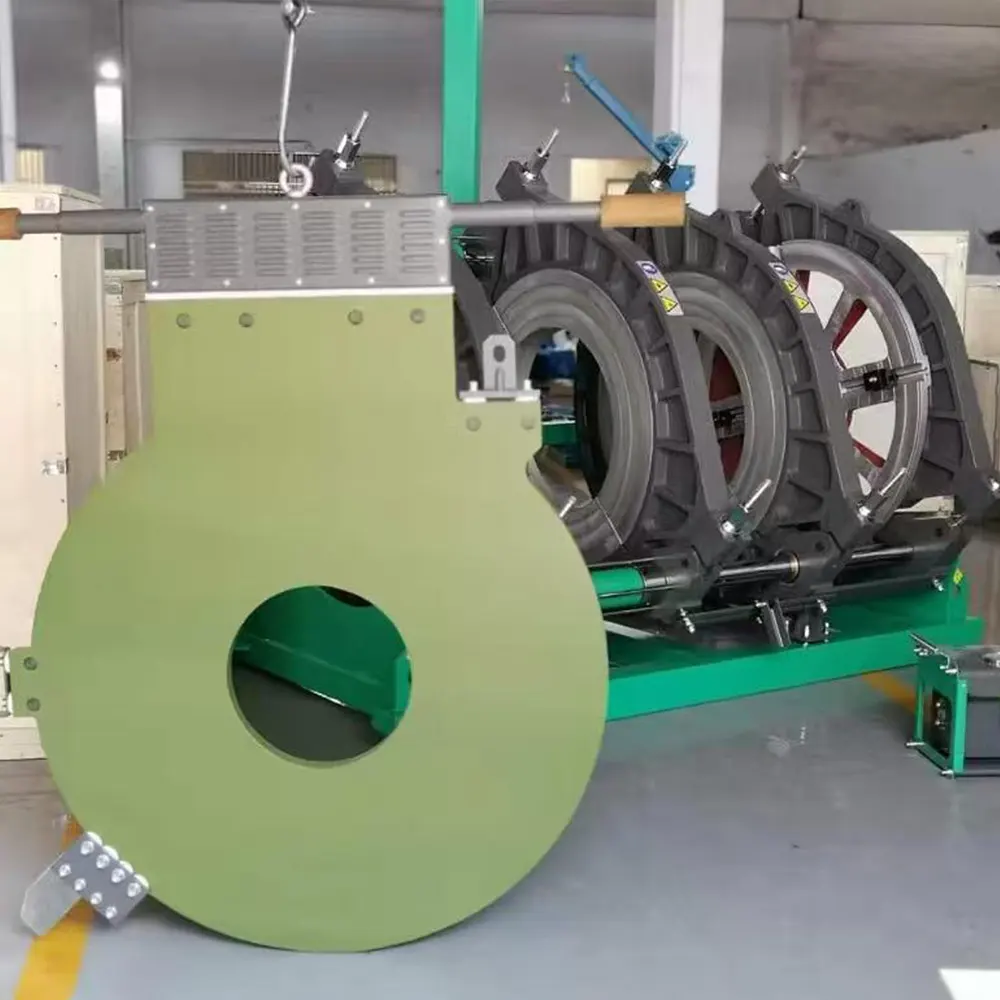
When project teams search for a butt fusion machine, they often want more than a product page. They need proof that the equipment can perform in real pipeline environments, under real deadlines, and across different site conditions. That is where a pipeline installation case study becomes valuable. It shows how a machine was selected, how the installation was completed, what challenges appeared on site, and what results were achieved after commissioning. For contractors, distributors, and engineers, a case study is not only marketing content; it is a practical decision-making tool.
Downloading a pipeline installation case study can help you compare machine types, understand welding workflow details, and evaluate whether a manufacturer has real-world project experience. For example, JQ-Fusion, a professional HDPE pipe welding machine manufacturer, serves water supply systems, gas distribution networks, mining projects, and industrial pipeline installations worldwide. Their experience across different applications makes case studies especially useful for buyers who want to learn how equipment performs in actual projects rather than relying on technical sheets alone.
Tip: If you are preparing a procurement proposal, tender document, or technical review, a well-written case study can strengthen your argument by showing measurable results, site conditions, and operational benefits.
Why a Pipeline Installation Case Study Matters
Pipeline construction is never identical from one site to another. Soil conditions, pipe diameter, temperature, operator skill, schedule pressure, and safety requirements all influence the final welding result. A case study captures these variables in one place. Instead of asking only whether a machine is capable, you can see how it was used in a realistic project and whether it delivered stable welding performance over time.
A strong case study usually includes the project background, pipe materials, diameter range, machine model, installation method, technical challenges, and final outcome. This information can help project managers choose between manual, hydraulic, and CNC automatic butt fusion welding machines. It can also help distributors understand which product category fits different market segments.
For buyers comparing suppliers, a downloadable case study is also a trust signal. Manufacturers with proven project records are generally easier to evaluate because their solutions can be checked against real outcomes. That is one reason why companies such as JQ-Fusion emphasize strict quality control, long-term durability, and field-tested performance.
What You Should Look for Before Downloading
Not every case study is equally useful. Before downloading, check whether the document contains specific technical and project information. A good file should not be vague or full of promotional language. It should provide enough details to support technical comparison and business review.
A useful case study usually includes:
● Project location and industry application
● Pipe material and diameter range
● Welding machine model and configuration
● Installation workflow and operator process
● Quality inspection or testing results
● Final project outcome and customer feedback
If these points are missing, the case study may not be strong enough to guide your purchasing decision. The best documents present technical facts clearly and explain why a particular machine was chosen for the project.
How to Use the Case Study During Procurement
Once you download a pipeline installation case study, use it as part of your internal evaluation process. Share it with your engineering team, procurement department, and project manager so they can review the machine’s suitability. If the project resembles your own application, the document can reveal whether the manufacturer has experience with similar specifications.
For example, if you are planning a water supply pipeline with large-diameter HDPE pipes, you may want to compare the project conditions with the case study’s welding parameters, pressure stability, and clamp alignment performance. JQ-Fusion states that each machine undergoes testing for temperature accuracy, hydraulic pressure stability, and clamp alignment inspection, which are all important details to verify when reviewing a project report.
In addition, a case study can help you estimate installation efficiency. If the document shows that a machine completed welding tasks with stable output and minimal downtime, that information can support your schedule planning and labor allocation. This is especially useful for contractors handling urgent deadlines.
Practical benefit: A case study can reduce purchasing risk by showing how equipment performed in a real job, not just in a brochure or catalog.
Where to Find Reliable Download Sources
The safest way to download a pipeline installation case study is directly from the manufacturer’s official website or from a trusted sales representative. This reduces the chance of receiving outdated information, incomplete files, or misleading technical claims. If the manufacturer is experienced in global pipeline projects, their website may include application pages, product information, and downloadable project references.
JQ-Fusion, for example, positions itself as a manufacturer with more than 20 years of industry experience, offering manual, hydraulic, and CNC automatic butt fusion welding machines. Their product range includes hydraulic butt fusion welding machines, automatic butt fusion welding machines, electrofusion welding machines, and multi-angle pipe fitting welding machines. For a buyer, this broad range means there may be multiple relevant case studies depending on the project scale and technical requirements.
When reviewing a download page, make sure the file appears consistent with the manufacturer’s product line and certifications. JQ-Fusion notes that its products comply with international standards and are certified by SGS, which adds another layer of confidence when evaluating project examples.
Useful source pages may also include project support information, such as OEM & ODM customization, global logistics support, and after-sales service. These details matter because a case study is more valuable when it connects product performance with delivery, installation, and technical assistance.
What a Strong Case Study Can Tell You About the Manufacturer
A case study is not only about the project; it also reveals the manufacturer’s working style. A company that can present detailed site records usually has stronger engineering discipline, better communication with customers, and more confidence in product reliability. This is especially true in pipeline industries where failure can be costly.
For instance, JQ-Fusion highlights several strengths that often appear indirectly in a good case study: advanced manufacturing technology, strict quality control, flexible customization, and reliable global support. If a project report shows that the equipment was customized for voltage, color, design, or configuration, it demonstrates that the supplier can adapt to different market needs.
Likewise, if the case study mentions training, installation guidance, or technical support during commissioning, it suggests the manufacturer is not only selling equipment but also supporting the full project lifecycle. That can be a major advantage for international buyers who need responsive communication and practical assistance.
Key insight: A manufacturer with strong field documentation is usually easier to trust because it can demonstrate consistency across production, testing, shipping, and project execution.
How to Judge Whether the Case Study Fits Your Project
Before you rely on a downloaded case study, compare it carefully with your own application. The most important factors are pipe diameter, pipe material, site environment, welding method, and production target. A project involving municipal water supply may require different operational priorities than one in a mining or industrial setting.
If the case study shows a machine working on similar diameter ranges and materials, it is more likely to be relevant. If it also includes performance indicators such as stable heating, precise pressure control, or fast installation cycles, the document becomes even more useful. These are the kinds of details that contractors and engineers need when choosing between suppliers.
It is also smart to check whether the report explains the final outcome. Did the project finish on time? Was welding quality accepted by inspection? Did the customer repeat the order? These signals are often more important than broad promotional statements.
Why Buyers Prefer Downloadable PDF Case Studies
PDF case studies are popular because they are easy to store, forward, and review offline. A project engineer can open the file during a meeting, a purchasing manager can archive it with vendor documents, and a distributor can send it to potential clients as proof of application experience.
Downloadable files also make it easier to compare different projects side by side. If you are evaluating multiple suppliers, you can check whether each company has documentation for similar applications. That comparison often reveals which manufacturer has stronger market experience and better product fit for your region.
To get the most value, choose case studies that combine text, technical tables, and project context. Even without images, a well-structured document can still be highly persuasive if it explains the job site, equipment performance, and delivery result clearly.
Remember: The best case study is the one that answers your project questions, not the one that simply looks impressive.
How JQ-Fusion Supports Real-World Pipeline Projects
JQ-Fusion describes its factory as equipped with advanced machinery and modern production lines, supported by experienced technicians and strong engineering capability. That kind of manufacturing background is important because a case study is only credible when the supplier has the production strength to match the documented results.
The company also emphasizes large inventory and fast delivery, which can matter greatly when pipeline schedules are tight. If a case study shows timely project completion, that success may be linked to the supplier’s supply chain efficiency and stock readiness. This is especially relevant for global contractors managing transportation, installation, and commissioning across different locations.
In addition, flexible OEM & ODM customization makes it easier to adapt machines to local standards or branding needs. For distributors, this can open opportunities to build their own market identity while still relying on a proven manufacturer platform.
If you want to explore product details and company background directly, you can visit the official website at https://jq-fusionwelding.com/. A direct visit often helps you verify whether the machine options match the case study you downloaded.
A Simple Checklist Before You Download
Before clicking download, confirm these points: the project is relevant to your industry, the document includes technical details, the machine model is clearly identified, and the results are measurable. If the file also mentions testing, certification, or customer support, that is a strong sign of quality.
For buyers in water supply, gas distribution, mining, and industrial pipeline installation, a good case study can shorten decision time and improve technical confidence. It may also help you communicate more effectively with suppliers when requesting quotations or customization options.
Best practice: Save the case study in your project folder, share it with the decision-making team, and compare it with the supplier’s product specifications before placing an order.
FAQ
Q1: Why should I download a pipeline installation case study?
A case study gives you real project evidence, helping you understand how a machine performed in practical conditions and whether it suits your pipeline application.
Q2: What information is most important in a case study?
Look for pipe material, diameter range, machine model, welding method, testing results, and final project outcome.
Q3: Can a case study help me choose a supplier?
Yes. A detailed case study can show whether the manufacturer has relevant project experience, reliable quality control, and strong technical support.
Q4: Is it better to download case studies from the official website?
Yes. Official sources are more likely to provide accurate, updated, and product-specific information.
Q5: How does JQ-Fusion fit into this process?
JQ-Fusion offers HDPE pipe welding solutions, customization, testing, and global support, making its project references useful for buyers who want reliable, field-tested equipment.



