
Ghana’s expanding infrastructure — from urban water networks in Accra to rural irrigation projects and gas distribution in Takoradi — calls for reliable HDPE welding solutions. For contractors, municipal utility teams, and pipeline fabricators, choosing the right HDPE welding machine affects project speed, joint integrity, and long-term system performance.
Why HDPE Butt Fusion Machines Matter for Ghanaian Projects
HDPE butt fusion welding is the preferred joining method for polyethylene pipes because it creates homogenous, leak-free connections that resist corrosion and ground movement. In Ghana, where heavy rains, seasonal ground shifts, and remote pipeline routes are common, durable welding equipment helps ensure networks remain safe and reliable for decades.
Key Benefits for Local Contractors and Utilities
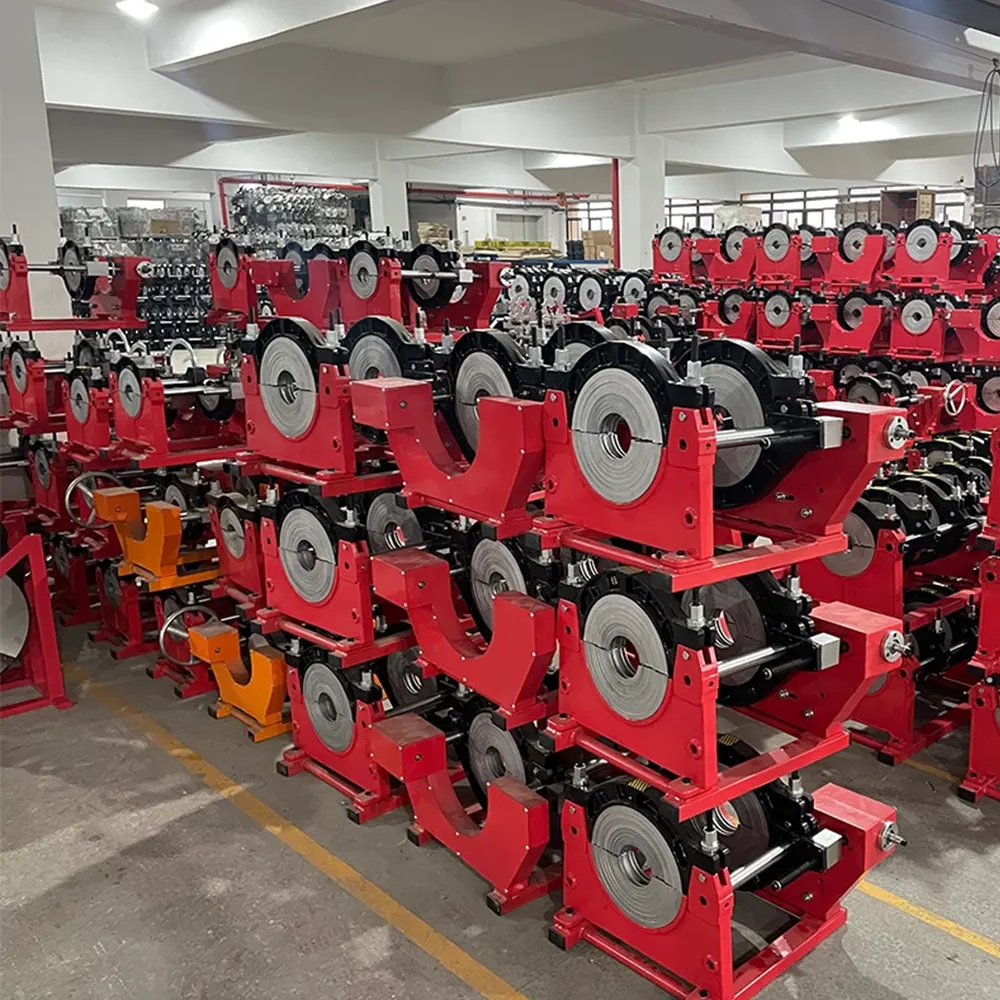
Consistency: Controlled heating and pressure result in repeatable joints for potable water and gas pipelines. Portability: Manual and compact hydraulic units are easy to transport to remote Ghanaian job sites. Scalability: Machines that cover small diameter service lines up to large trunk mains support mixed project scopes.
Product Range and Features
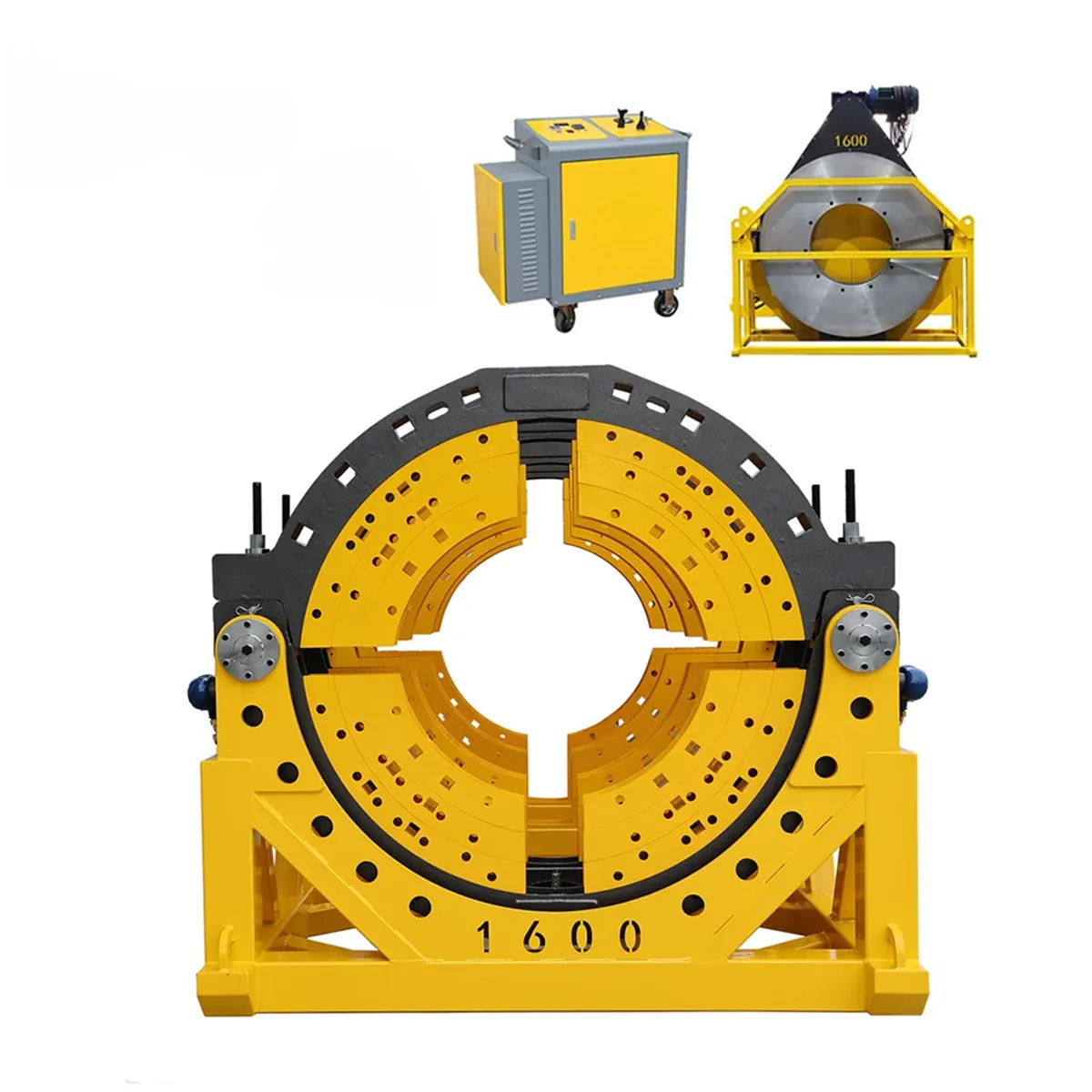
Available solutions include manual clamps for small-diameter pipes, hydraulic butt fusion machines for mid-range projects, and CNC automatic units engineered for large-diameter precision work. Key features Ghanaian buyers look for include robust frames, reliable heating plates, accurate fusion time control, and easy maintenance access.
Applications Across Ghana’s Sectors
HDPE welding machines are widely used in municipal water distribution upgrades, rural irrigation systems, natural gas networks, mining tailings and slurry piping, and industrial process lines. For communities off-grid or sites with limited access, reliable butt fusion equipment reduces the need for frequent repairs and emergency interventions.
Quick Comparison — Typical Models
| Model | Pipe Range (mm) | Best For |
|---|---|---|
| Manual SY Series | 20–630 | Service lines, repairs |
| Hydraulic JQH Series | 160–1600+ | Trunk mains, large-diameter projects |
| Automatic JQA Series | 63–630 | High-volume repeatable welds |
Choosing the Right Machine for Ghanaian Conditions
Assess project logistics (site access, power availability), pipe sizes, and the required production rate. For remote regions, prioritize portable manual or compact hydraulic units; for metropolitan or industrial projects, consider automatic systems that increase throughput while reducing operator variability. Training on proper fusion parameters and preparation is crucial to avoid weak joints and to extend pipeline service life.
After-sales Support, Spare Parts & Certification
Local availability of spare parts, options for on-site training, and clear documentation on fusion procedures accelerate project timelines and reduce downtime. Look for manufacturers that provide calibration support and assist with shipping and customs for deliveries to Ghanaian ports.
About the Manufacturer
JQ-Fusion supplies a full lineup of HDPE butt fusion equipment tailored for global infrastructure needs, combining durable design with customizable options suitable for Ghana’s market.
Next Steps for Procurement Teams
Request detailed specifications for candidate models, confirm available training packages, and verify lead times to Ghanaian ports. Proper selection and operator training ensure long-lasting, leak-free pipeline systems that benefit communities and businesses across Ghana.



