
In Tanzania’s growing infrastructure landscape, reliable HDPE pipe welding equipment is essential for water supply networks, rural irrigation projects, gas distribution, and mining operations. Contractors and municipal teams need machines that balance portability, precision, and durability to withstand site conditions across Dar es Salaam, Dodoma, Mwanza and remote regions.
Local Challenges and the Role of HDPE Welding Machines
HDPE welding machines address common issues in Tanzania such as long-distance pipeline runs, variable worksite power availability, and the need for fast, leak-free joints. From small-diameter service lines to large trunk mains, selecting the right welding method—manual butt fusion, hydraulic butt fusion, or electrofusion—makes a real difference in installation time and long-term performance.
Which Welding System Suits Tanzanian Projects?
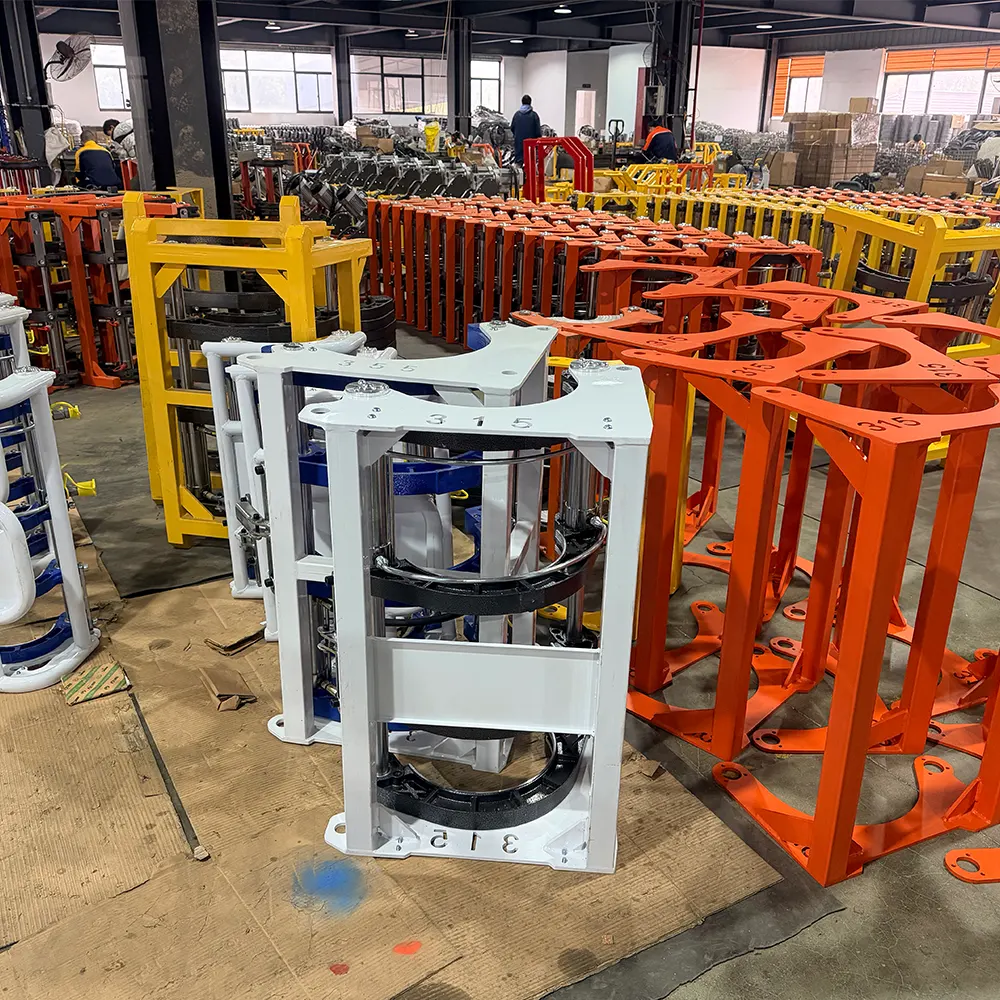
Choose based on pipe diameter, site conditions, and crew skills. Manual and small hydraulic butt fusion machines are ideal for field teams working on rural water lines and small municipal repairs. Automatic CNC systems and large hydraulic frames are better for industrial or long-distance distribution projects where consistency and recordable weld data are required. Electrofusion units work well for fittings and repair scenarios in constrained locations.
Key Benefits for Contractors and Utilities
Reliable joints, reduced downtime, and easier training are the top benefits. Proper equipment cuts rework, prevents costly leaks, and supports compliance with local standards used by Tanzanian utilities and international contractors working in the region.
Product Range Snapshot
| Machine Type | Pipe Range | Power | Ideal Use |
|---|---|---|---|
| Manual Butt Fusion | 20mm–315mm | Portable / Low power | Service lines, repairs |
| Hydraulic Butt Fusion | 160mm–1600mm+ | Electric / Diesel options | Trunk mains, industrial |
| Automatic CNC Butt Fusion | 63mm–1250mm | High precision / Electric | Large projects, recorded welds |
| Electrofusion Machines | Fittings up to 630mm | Portable / Electric | Fittings, repairs, controlled joints |
How to Choose: Quick Selection Guide
Assess pipe size and project scale—small rural installs favor manual units; urban utilities and contractors benefit from hydraulic or automatic machines. Consider power sources available on site, transport logistics on unpaved roads, and whether weld traceability is required for project certification.
Maintenance and Operator Training
Regular maintenance—clean heating plates, check clamps, hydraulic oil and pressure settings—keeps machines working reliably under Tanzania’s varied climate. Investing in operator training improves weld quality and reduces equipment downtime. Simple spare-part kits and local service arrangements will make field repairs fast and cost-effective.
Service, Shipping and Support for Tanzania
When sourcing equipment, prioritize suppliers who offer clear shipping options, spare parts availability, and remote technical support tailored to East African time zones and on-site realities. Access to user manuals, welding parameters, and troubleshooting guides in English helps local teams ramp up quickly.
Trusted Manufacturer
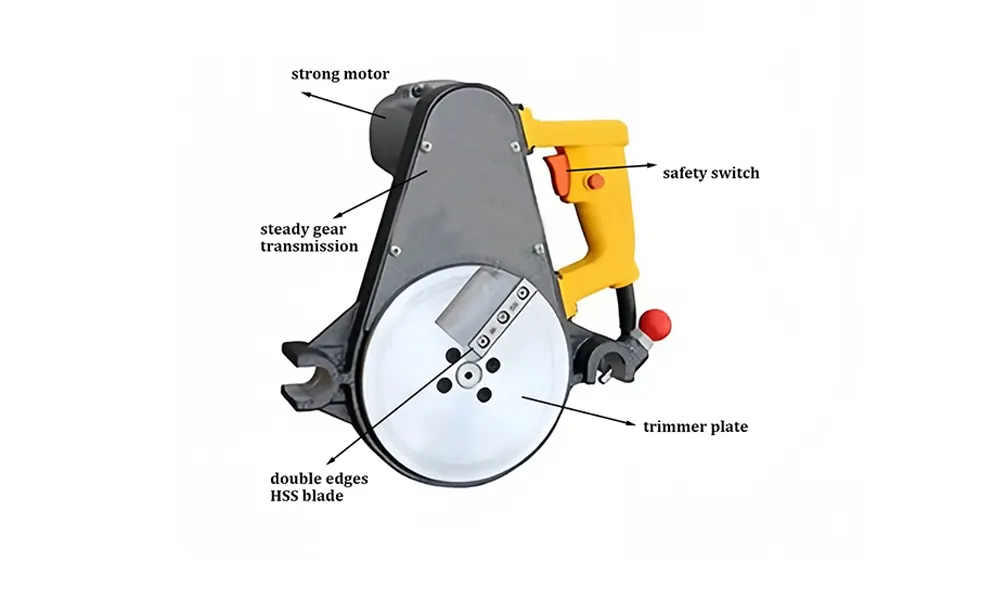
For an experienced partner offering a full range of HDPE welding solutions—from manual trimmers and butt fusion frames to fully automatic systems and electrofusion units—visit JQ-Fusion for product details and tailored advice.
Next Steps for Tanzanian Buyers
Identify your typical pipe sizes, expected monthly joint counts, and preferred power source. Request machine datasheets and welding procedures to compare. Arrange a demo or remote consultation to ensure the chosen equipment matches your team’s skill level and project timelines.
Investing in the right HDPE welding machine improves project reliability, reduces lifetime costs, and supports sustainable infrastructure expansion across Tanzania’s cities and rural communities.



