
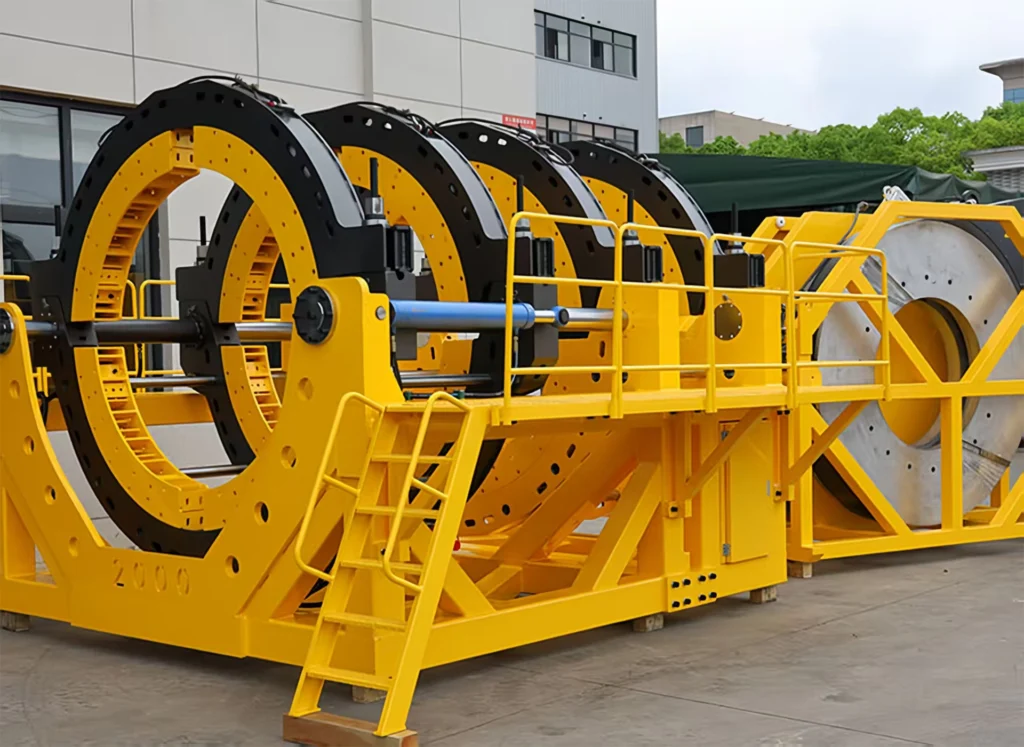
Looking for reliable HDPE welding machine suppliers and expert butt fusion solutions in the Netherlands? This guide explains the key machine types, local applications, procurement tips, and how to choose equipment that meets Dutch infrastructure standards for water, gas, and civil projects.
Understanding HDPE Welding Machines for Dutch Projects
The Netherlands’ dense urban networks, extensive water management systems, and growing renewable gas initiatives demand robust pipe joining solutions. HDPE welding machines—especially butt fusion and electrofusion units—are widely used because they create leak-free, long-lasting joints that withstand soil movement, high moisture, and strict regulatory checks.
Core Types of HDPE Welding Equipment
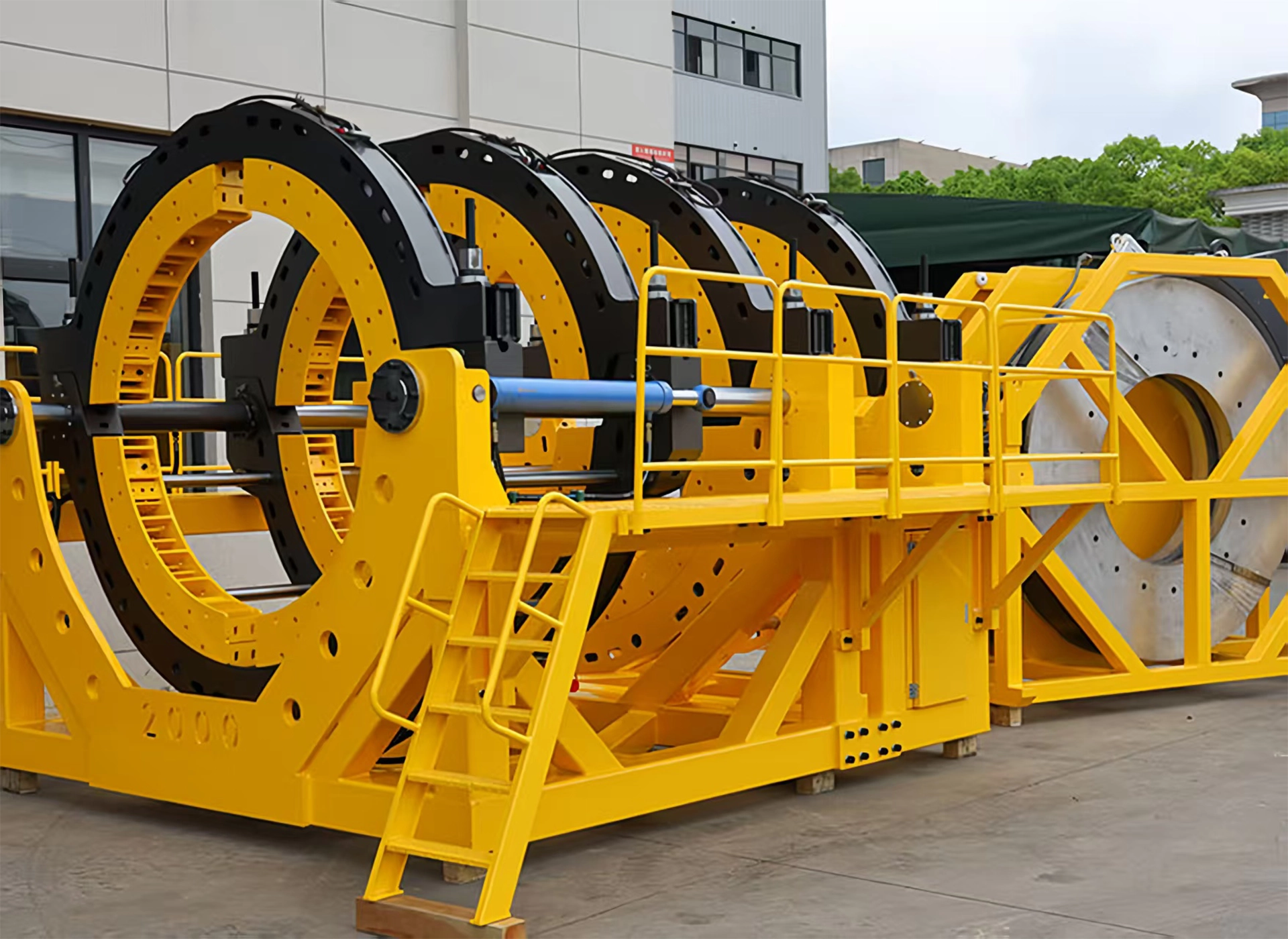
Manual butt fusion machines are ideal for small-diameter pipelines and maintenance crews working in urban settings. Hydraulic models deliver higher clamping force for larger diameters and repeatable welds on construction sites. For large-scale distribution or factory work, automatic/CNC butt fusion machines provide precise control, digital logging, and faster cycle times.
Why Local Dutch Contractors Choose Quality Machines
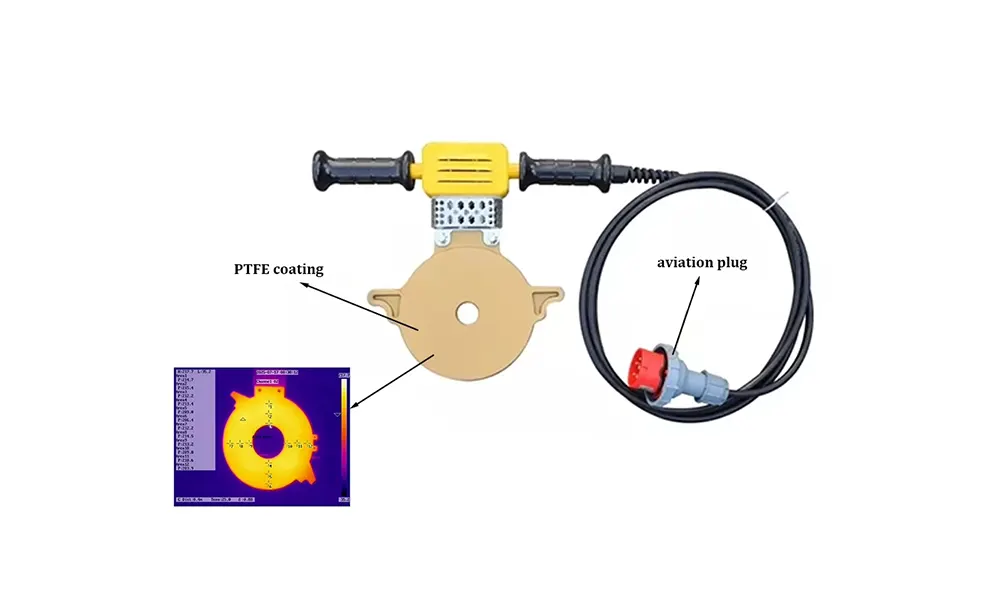
Contractors in the Netherlands prioritize reliability, traceable weld records, and service support. Machines with clear heating plate control, accurate alignment, and durable clamp systems reduce rework on sensitive projects like drinking water networks and coastal installations. Mobility and ease of setup are also valued for worksites with limited access or strict environmental controls.
Key Performance Metrics to Check
When evaluating machines, Dutch buyers focus on heating plate temperature stability, axial alignment accuracy, hydraulic pressure range, and welding cycle documentation. Machines that support ISO/EN fusion procedures and exportable weld logs help satisfy local inspection requirements.
Typical Applications in the Netherlands
HDPE welding machines are commonly used in:
- Municipal water supply and drinking water distribution upgrades
- Natural gas and biogas pipeline installation in rural and urban areas
- Land drainage, stormwater systems, and polder infrastructure
- Industrial and mining pipeline systems requiring chemical resistance
Quick Comparison: Machine Models & Best Use Cases
| Machine | Best for | Diameter Range |
|---|---|---|
| Manual Butt Fusion | Repairs, small jobs, tight sites | 20–400 mm |
| Hydraulic Butt Fusion | Medium to large pipelines | 200–1600 mm+ |
| Automatic/CNC Butt Fusion | High-volume works, factory-line welding | 100–2000 mm+ |
Buying Tips for Dutch Buyers
Verify certifications such as ISO and EN process compliance, request weld logs for sample joints, and check spare parts availability in Europe. For projects near waterways or polders, ask about corrosion-resistant components and machine portability for soggy ground conditions.
Service & Training Considerations
Opt for suppliers that offer on-site commissioning, operator training, and remote support or local service partners. Proper training ensures consistent weld quality and reduces downtime during seasonal projects and tight delivery schedules.
How to Get Started
Review your typical job sizes, frequency of large-diameter welds, and whether you need digital weld reporting. For tailored recommendations, reach out to manufacturers with project details and ask for sample weld records and references from similar Dutch projects.
JQ-Fusion offers a full range of HDPE butt fusion machines and global support; visit their site for model details and technical datasheets.



