
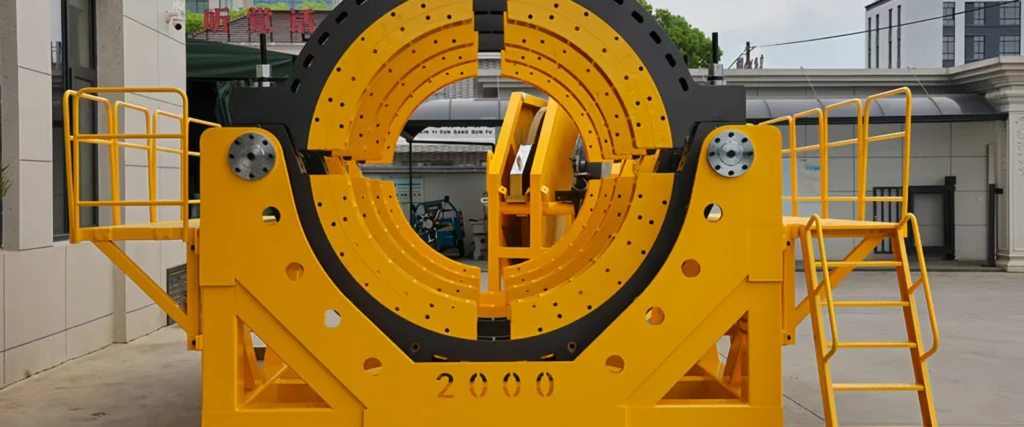
Hungary’s growing demand for reliable water, gas and industrial pipeline solutions has made HDPE welding equipment essential for contractors, municipalities and utility companies. Modern butt fusion and electrofusion machines deliver leak-free joints, fast installation and longevity suited to Hungary’s continental climate and EU regulatory environment.
Reliable HDPE Welding Solutions for Hungarian Infrastructure
From regional waterworks upgrades near Debrecen to agricultural irrigation systems in the Great Hungarian Plain, project teams need welding machines that combine portability, precision and compliance. Butt fusion and electrofusion technologies remain the industry standard for polyethylene pipes (PE100, PE80) used across distribution networks and construction projects in Hungary.
Key HDPE Welding Technologies
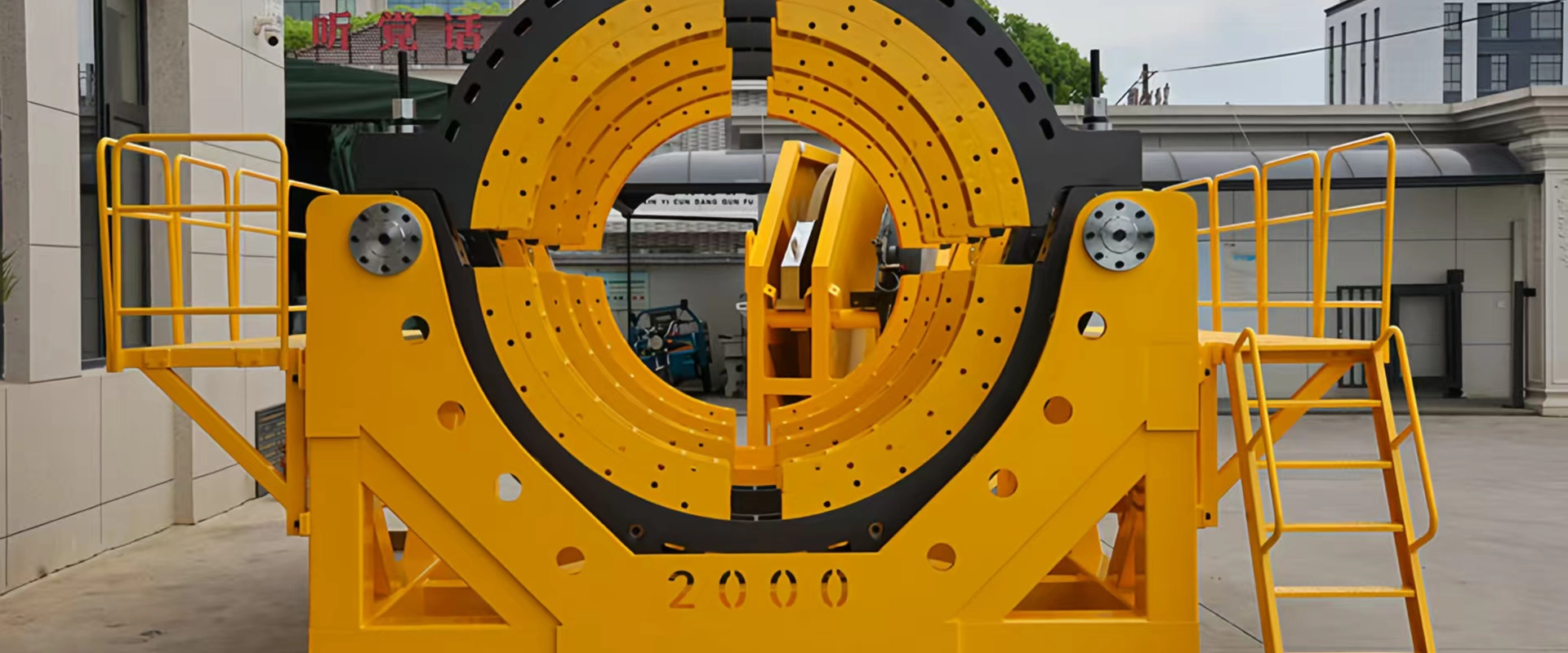
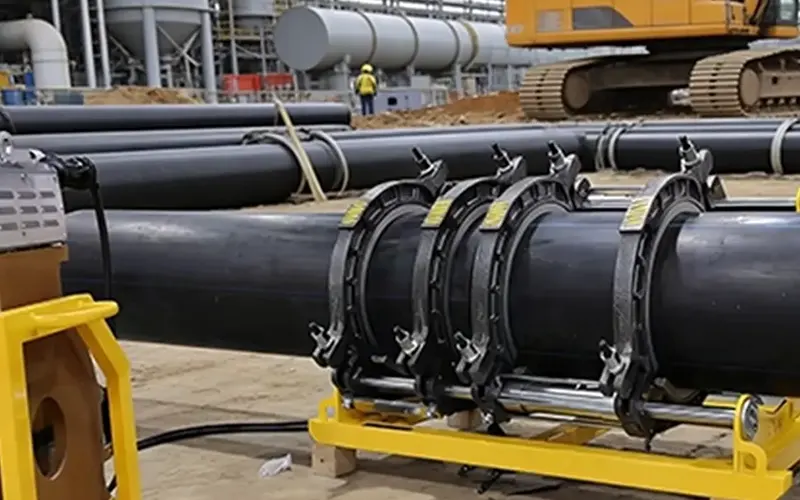
Butt fusion (manual, hydraulic, CNC/automatic) — Ideal for long runs and large-diameter pipe joints, delivering consistent fusion performance for water mains and gas distribution.
Electrofusion — Best for fittings, tees and service connections where controlled heating elements are required for compact joints and repairs.
Multi-angle & fitting welding — Used in pre-fabrication yards and complex networks to reduce onsite assembly time and improve joint accuracy.
What Hungarian Contractors Prioritize
Local teams often look for equipment that is robust in the field, easy to transport across rural sites, and compatible with widely used pipe SDR ratings. Important selling points include CE compliance, traceable welding records, and machines that function reliably in seasonal temperature swings.
Model Selection & Comparison
| Machine Type | Typical Pipe Range (mm) | Best For |
|---|---|---|
| Manual Butt Fusion | 20–400 | Small crews, repair jobs, service connections |
| Hydraulic Butt Fusion | 63–2250 | Large pipes, municipal water mains |
| Automatic CNC Butt Fusion | 90–1600 | High-volume projects, consistent repeatable welds |
| Electrofusion Units | 20–630 (fittings) | Fittings, service taps, confined spaces |
Installation Best Practices in Hungary
Ensure joint procedures align with EN 12201 and local utility specifications. Proper pipe alignment, heating plate cleanliness and controlled cooling times are critical to achieving long-lasting, pressure-rated joints. For colder months, crews should follow adjusted heating profiles and use wind protection to stabilize temperatures during welding operations.
Safety, Certification & Traceability
Certified welders, calibration records and weld logs increase project acceptance from Hungarian regulators and utility owners. Machines that support digital welding records simplify QA/QC and make documentation available for audits, tenders and long-term maintenance planning.
Buying Tips for Hungarian Buyers
When selecting equipment, consider service network availability in the EU, availability of spare parts, on-site training options, and energy efficiency. For contractors operating across Hungary and neighboring EU markets, choose equipment that balances portability for rural work and capacity for industrial-scale pipelines.
Quick Checklist Before Purchase
– Verify CE or equivalent certifications and compliance with EU standards.
– Confirm pipe size range and SDR compatibility.
– Ask about calibration, local technical support and warranty terms.
– Request sample weld logs or references from comparable European projects.
About JQ-Fusion
JQ-Fusion is a professional manufacturer specializing in HDPE pipe welding machines, offering manual, hydraulic and CNC automatic butt fusion solutions for global infrastructure projects. Their product range supports a wide pipe size spectrum and is designed for water supply, gas distribution and industrial pipelines, backed by factory testing and spares availability.



