
HDPE pipe networks are critical for Kenya’s growing water, irrigation, and infrastructure projects. Reliable welding equipment ensures long-lasting joints for urban utilities in Nairobi and Mombasa as well as rural irrigation systems and mining pipelines near Kisumu and the Rift Valley.
Why HDPE Welding Matters for Kenyan Projects
High-density polyethylene (HDPE) is favored across Kenya for its corrosion resistance, flexibility, and cost-effectiveness. Proper butt fusion and electrofusion welding ensure leak-free connections that resist soil movement, heavy rains, and temperature changes common in coastal and highland regions. For contractors, utilities, and small-scale irrigation planners, choosing the right welding method translates to lower maintenance and robust service life.
Key Local Benefits
Reliable water distribution: HDPE welded joints reduce leakage for municipal and rural supply systems.
Durable irrigation networks: Farmers and agricultural projects benefit from flexible pipes and strong welds that handle frequent handling and exposure.
Cost-effective deployment: Portable welding machines allow field crews to join pipes on-site without expensive fittings.
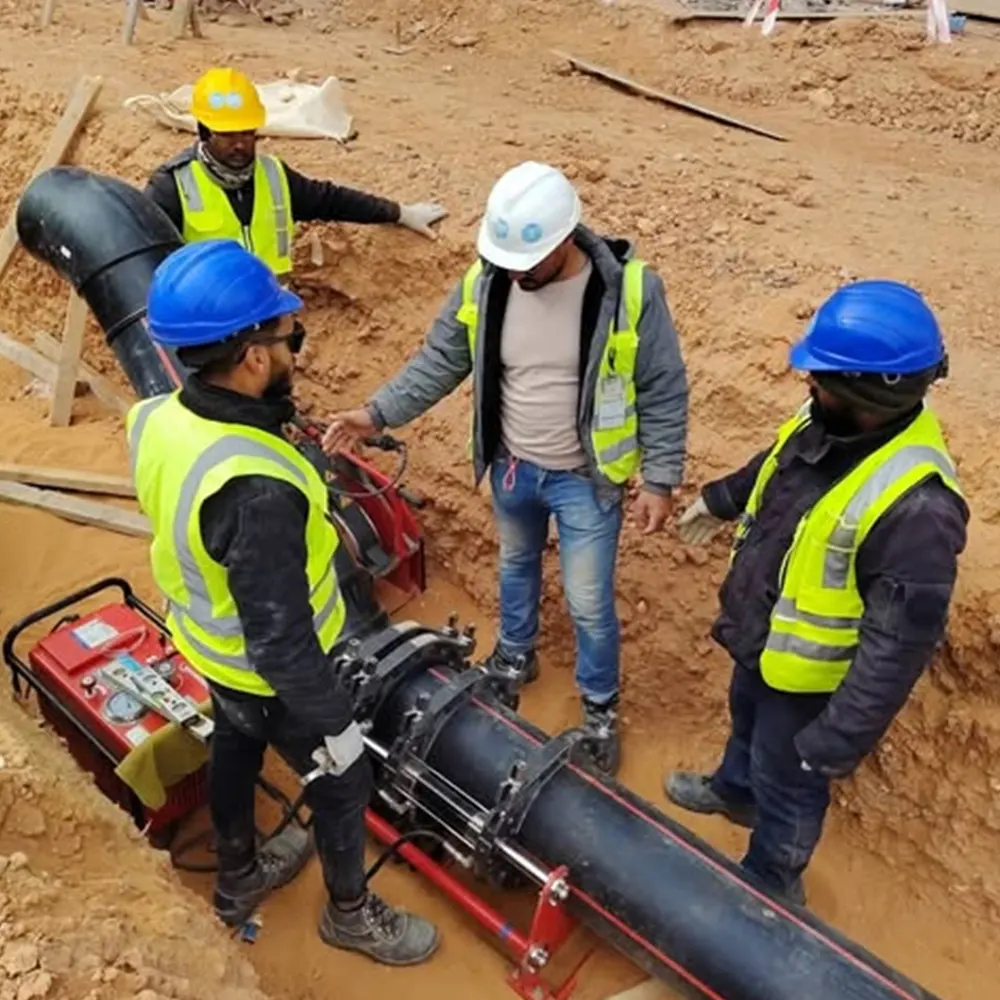
Common HDPE Welding Machines for Kenyan Conditions
Equipment choices should match project scale, site accessibility, and operator skill levels. Below is a simple comparison to guide procurement decisions.
| Machine Type | Typical Pipe Range | Best Use |
|---|---|---|
| Manual Butt Fusion | Ø20mm – Ø400mm | Small projects, repairs, remote sites |
| Hydraulic Butt Fusion | Ø160mm – Ø2250mm | Large-diameter mains, municipal pipelines |
| CNC/Automatic Butt Fusion | Ø63mm – Ø1250mm+ | High-volume production, consistent weld records |
Selecting the Right Machine
Consider these practical points for Kenyan job sites:
-
Site access: Choose portable manual units for hilly or narrow rural roads; hydraulic frames suit open urban worksites.
-
Power availability: Battery-backed or petrol-driven auxiliary units help where grid power is intermittent.
-
Operator skill: Automatic systems reduce operator variance but require trained technicians and maintenance.
-
Documentation and QA: For municipal tenders, equipment that stores or prints weld parameters adds compliance value.
Installation, Training & Local Support
Investing in on-site training for local crews in Nairobi, Mombasa, Kisumu and county hubs increases welding quality and safety. Short courses on fusion parameters, pipe preparation, and equipment maintenance reduce rework and cut lifecycle costs. Where possible, plan spare parts stocking for heaters, trimming cutters, and hydraulic seals to minimize downtime on remote projects.
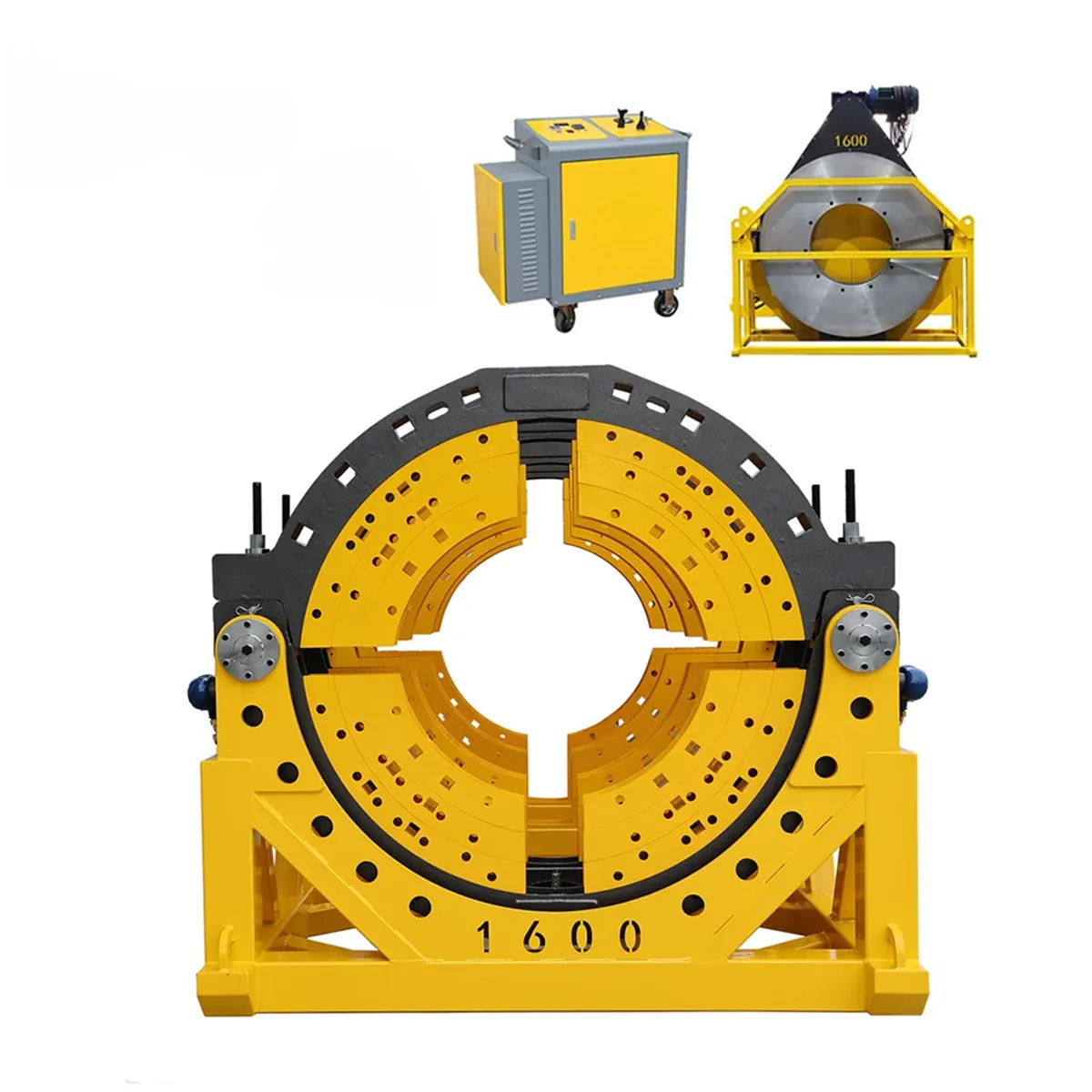
Maintenance Tips for Kenyan Climates
Simple maintenance keeps machines reliable under dust, humidity, and coastal salt air:
– Clean heating plates and clamps after each shift to avoid contamination.
– Store hydraulic units indoors between jobs; inspect seals regularly.
– Calibrate temperature displays and pressure gauges before large projects to ensure weld integrity.
Procurement & After-Sales Considerations
When sourcing welding equipment, prioritize suppliers who provide clear technical documentation, local training options, and accessible spare parts. For more information on tailored HDPE welding solutions and available models, visit JQ-Fusion.



