
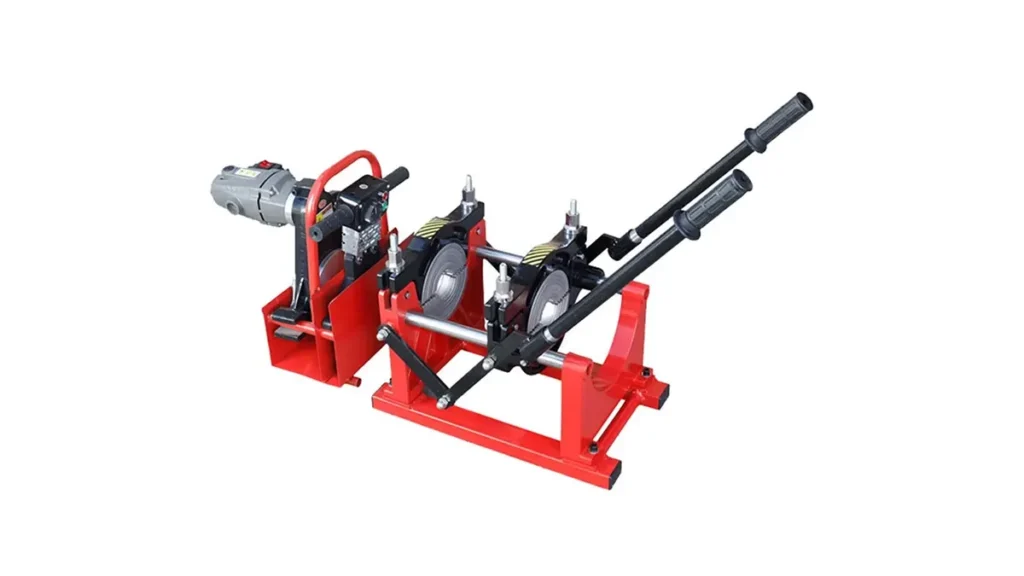
Bolivia’s growing infrastructure and mining sectors demand reliable pipe-joining solutions — from high-altitude Andean projects to remote Amazon basin installations. HDPE welding equipment delivers durable, leak-free joints ideal for water supply, gas distribution, agriculture irrigation and mining slurry pipelines across the country.
Why HDPE Welding Equipment Matters in Bolivia
Durability in diverse climates: HDPE pipes fused with modern welding equipment resist corrosion, chemical attack and UV exposure — essential for Bolivia’s varied environments, from cold highlands to humid lowlands.
Cost-effective pipeline longevity: Proper butt fusion and electrofusion reduce maintenance cycles and losses from leaks, a major advantage for municipal water utilities and rural community projects.
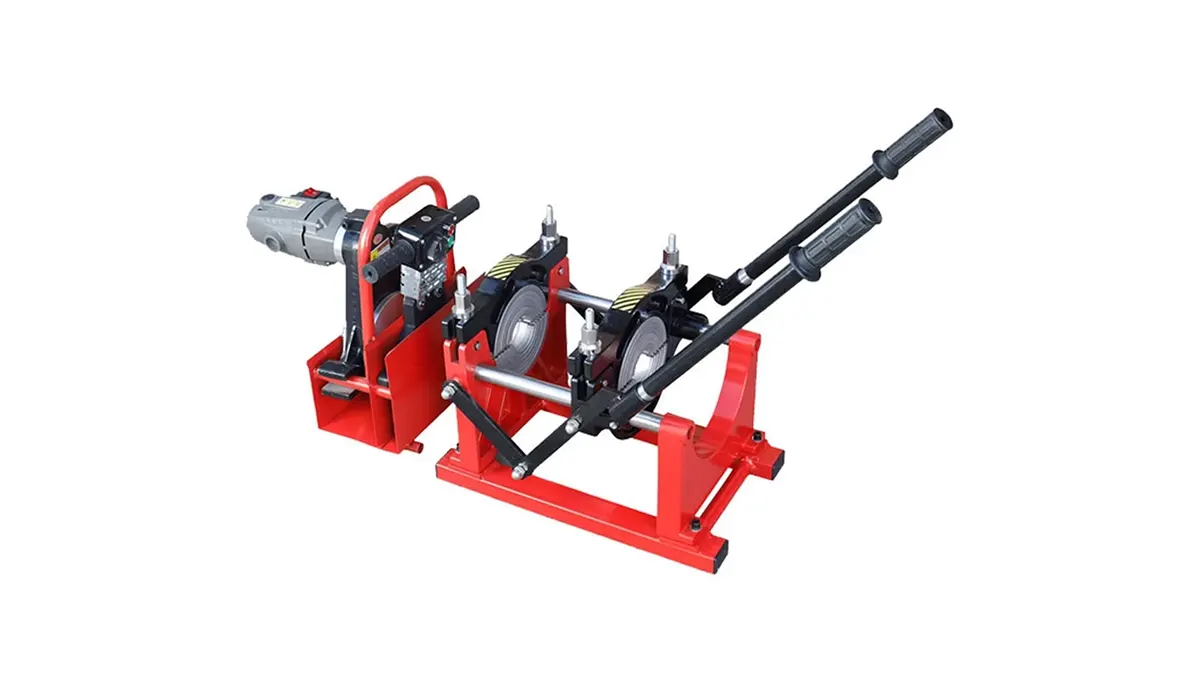
Types of HDPE Welding Machines for Bolivian Projects
Manual Butt Fusion Machines: Lightweight and portable — ideal for small-diameter pipes and field repairs in remote communities and construction sites.
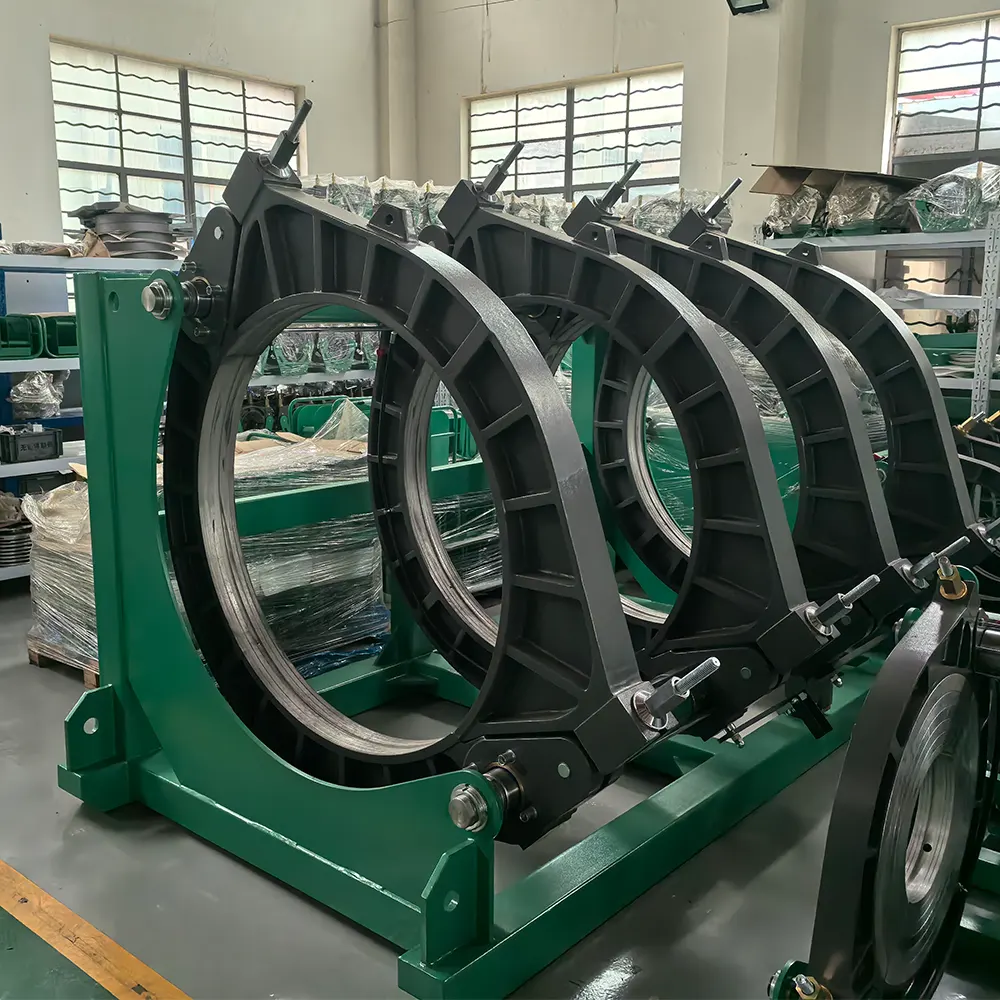
Hydraulic Butt Fusion Machines: Provide higher clamping force for medium to large diameters used in municipal water mains and mining pipeline installations.
Automatic/CNC Butt Fusion Machines: Offer precise, repeatable weld cycles for large-diameter trunklines and industrial projects where consistency is critical.
Electrofusion Units: Best for fittings, repairs and constrained spaces; useful in urban distribution networks and connection points where accessibility is limited.
Key Advantages for Local Contractors and Engineers
Improved joint integrity: Properly fused HDPE joints significantly lower the risk of leaks compared with mechanical fittings — crucial for preserving potable water in Bolivian towns.
Adaptability to terrain: Machines and techniques accommodate steep gradients and rugged access roads encountered in mining and rural projects.
Faster installation: Efficient welding reduces on-site labor time and overall project schedules, an advantage for seasonal construction windows in high-altitude regions.
Selecting the Right Machine: Practical Tips for Bolivian Projects
Match pipe diameter to machine capacity: Review expected pipe sizes (from small distribution lines to large trunk mains) and choose a model with the appropriate clamping range and power.
Consider portability and power: For remote Amazon or Andean sites, choose compact, easy-to-transport units and verify local power availability or choose hydraulically-driven configurations.
Operator training and certification: Well-trained technicians ensure consistent weld quality; invest in training programs tailored to local teams and project specifications.
Quick Comparison — Typical Machine Options
| Model Type | Pipe Range (mm) | Power / Drive | Best For |
|---|---|---|---|
| Manual Butt Fusion | 20–315 | Hand / Mechanical | Rural water lines, repairs |
| Hydraulic Butt Fusion | 63–1200+ | Hydraulic | Municipal mains, mining pipelines |
| Automatic / CNC Butt Fusion | 90–2250 | Electric / CNC | Large projects requiring precision |
| Electrofusion Machines | 20–630 (fittings) | Electric | Fittings, repairs, constrained spaces |
After-sales, Parts and Local Support
Reliable service and spare parts availability keep projects on schedule. For international manufacturers working with Bolivian partners, clear logistics and remote support options are essential. Find manufacturer contacts and product documentation on the official site of JQ-Fusion: https://jq-fusionwelding.com/
Final note: Selecting the right HDPE welding equipment improves pipeline lifespan and reduces lifecycle costs. Whether you’re a contractor building municipal networks in La Paz, a mining firm in Potosí, or an irrigation project in Tarija, invest in machines and training that match your environment and scale.



