
Installing and repairing HDPE pipelines in Peru demands equipment that performs reliably across coastal deserts, Andean altitudes and Amazonian humidity. This article outlines practical solutions for contractors, municipal teams and rural installers who need durable HDPE welding machines for potable water, gas distribution and irrigation projects.
Why HDPE welding matters for Peruvian infrastructure
HDPE pipes are widely used throughout Peru for their corrosion resistance, flexibility and long service life. From Lima’s urban water networks to remote communities in Puno and Loreto, proper fusion welding ensures leak-free joints and reduced maintenance costs. Choosing the right welding method—manual, hydraulic or automatic—affects installation speed and long-term reliability.
Selecting the right machine for Peru’s terrain
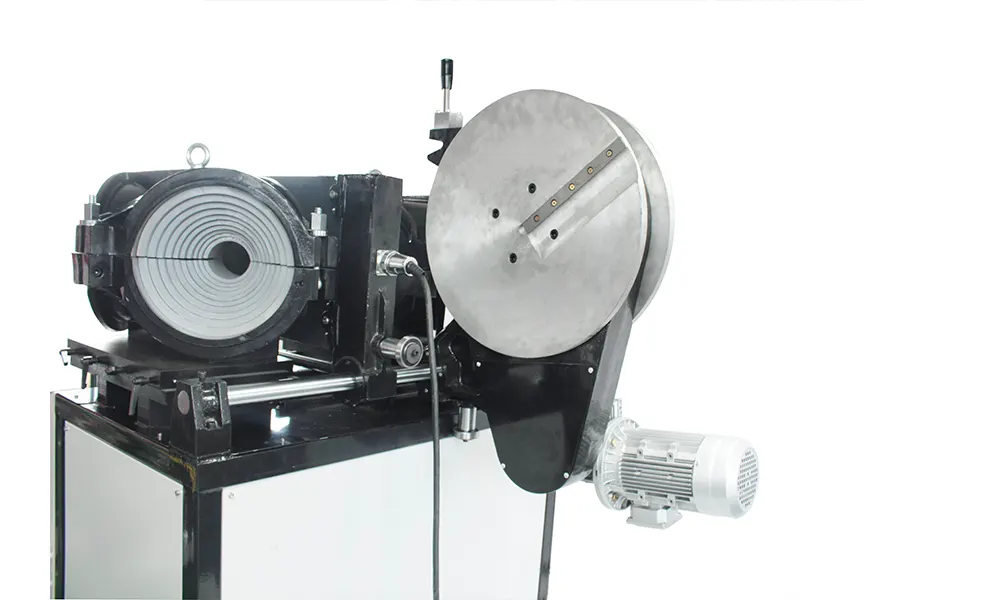
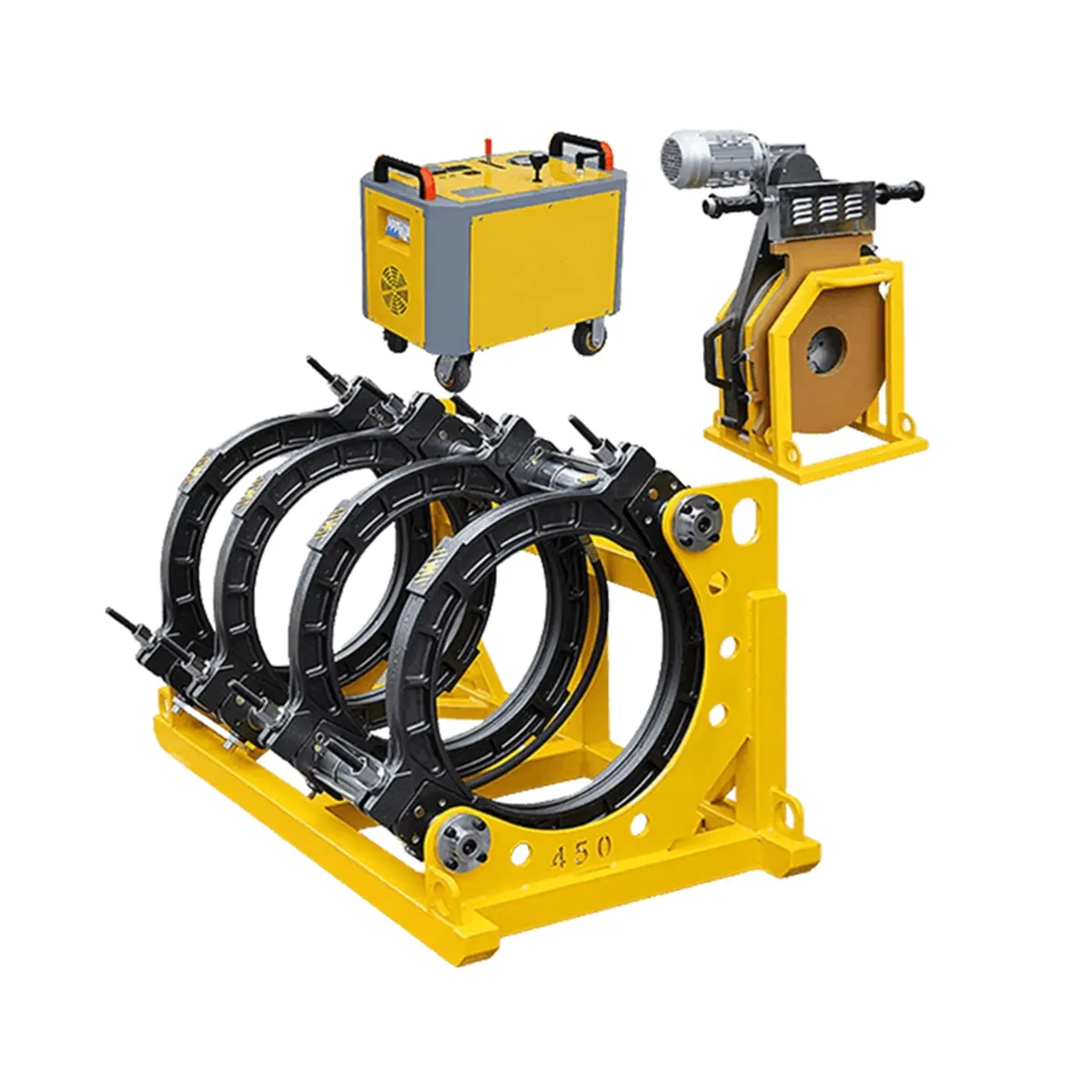
Manual machines are ideal for small-diameter repairs and projects in remote villages where power is limited. Hydraulic units balance portability with higher clamping force for medium-size mains used by regional utilities. Automatic/CNC machines deliver the precision and efficiency needed for large municipal or industrial trunk lines.
Local considerations: climate, transport and workforce
Peru’s varied climate requires machines that tolerate dust on the coast, temperature swings in the highlands and high humidity in jungle zones. Lightweight, rugged frames and easy-to-service components speed deployments for contractors moving between sites. Training local operators ensures weld consistency—especially important for municipal teams and small contractors in departments like Arequipa, Cusco and Junín.
Quick comparison: common HDPE butt fusion options
| Machine Type | Best For | Typical Pipe Range |
|---|---|---|
| Manual Butt Fusion | Rural repairs, small crews | 20–315 mm |
| Hydraulic Butt Fusion | Municipal mains, contractors | 63–1250 mm |
| Automatic/CNC Fusion | Large-diameter pipelines, industrial | 160–2500+ mm |
For procurement teams in regional governments or large contractors, this table helps prioritize machine types based on project scope and common pipe diameters used in Peru’s water and gas networks.
Installation tips for Peruvian conditions
Site preparation matters: level the bedding, clear sand and dust, and protect heating plates from wind and rain during fusion. In high-altitude areas, allow slightly longer heating times and check cooling curves to ensure joint strength. For Amazon regions, store heating plates and electronics in waterproof cases when moving between sites.
Operator training and quality control
Consistent welds come from trained operators and strict quality checks. Use visual inspection, pressure tests and documented fusion parameters for every joint. Encourage local teams to maintain a fusion log—this is especially valuable for municipal projects and regulated utilities.
After-sales support and spare parts in Peru
Reliable local spare parts and responsive service reduce downtime. Consider suppliers that can ship replacement heaters, cutters and hydraulic components quickly to Lima and regional hubs. For international suppliers, confirm shipping lead times to Peruvian ports and inland transport options.
For contractors and utilities seeking dependable butt fusion solutions, JQ-Fusion offers a range of manual, hydraulic and automatic machines engineered for global projects and adaptable to Peru’s diverse environments. Visit the manufacturer’s site for model details and customization options: JQ-Fusion.



