
Hungary’s growing infrastructure projects — from municipal water upgrades to rural irrigation and rising district heating renewals — have increased demand for dependable HDPE welding equipment. Local contractors, utilities, and pipeline fabricators need reliable butt fusion and electrofusion machines that meet EU quality standards while offering fast delivery and responsive on-site support. This guide highlights practical solutions for sourcing HDPE welders in Hungary and how the right equipment improves project uptime and joint integrity.
What Hungarian Contractors Look For
Professionals working across Hungary — from Budapest-based utility teams to regional agricultural installers in the Great Plain — prioritize machines that are durable, easy to operate in seasonal extremes, and compliant with European norms. Key expectations include consistent fusion quality, portable manual units for tight job sites, and heavier hydraulic or automatic systems for larger distribution and industrial pipelines.
Product Types — Match the Machine to the Job
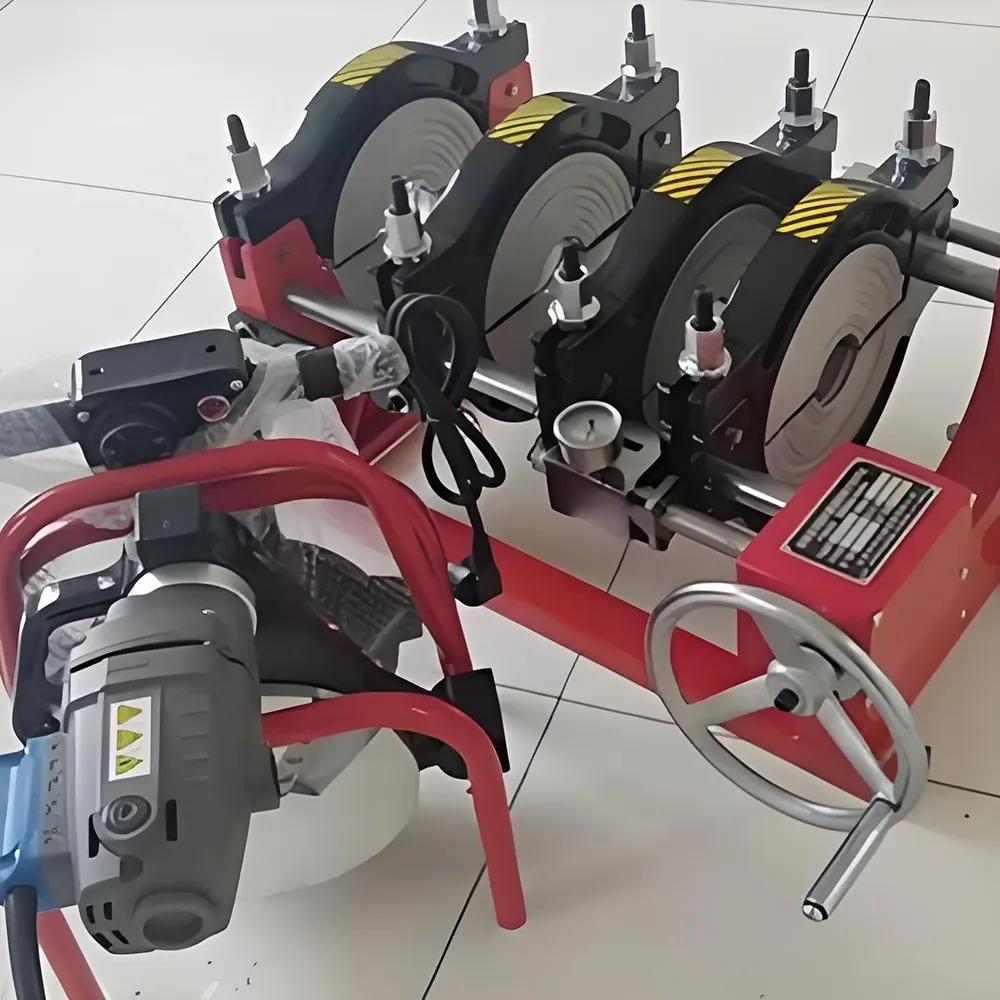
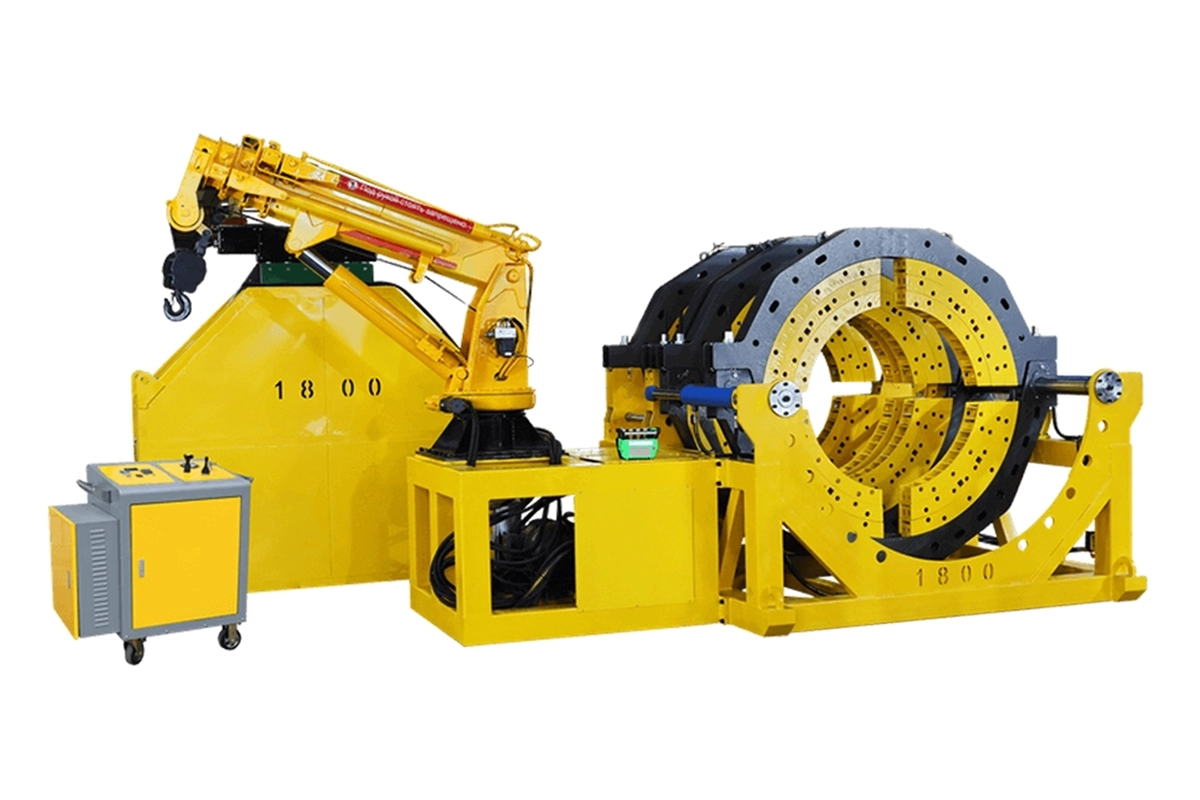
Choosing between manual, hydraulic, and CNC/automatic butt fusion machines depends on pipe diameter, production volume, and site conditions. Manual frame welders are ideal for small-diameter repairs and remote sites. Hydraulic machines bring higher clamping force for medium-to-large mains. Automatic units or CNC-controlled systems are preferred for repeated welds on long pipelines to maximize speed and traceability. Electrofusion equipment complements butt fusion when fittings and sockets are required.
Typical Models & Pipe Ranges
| Machine Type | Pipe Range | Best For |
|---|---|---|
| Manual Butt Fusion | 20mm – 250mm | Repairs, rural installs |
| Hydraulic Butt Fusion | 110mm – 2000mm+ | Large mains, industrial pipelines |
| Automatic / CNC | 160mm – 1000mm | High-volume projects, quality logging |
| Electrofusion | 20mm – 630mm | Fittings, connections in tight spaces |
Common Applications in Hungary
HDPE welding solutions are central to many Hungarian projects:
• Urban and rural water supply mains upgrades across counties.
• Gas distribution network repairs and extensions under EU safety regimes.
• Agricultural irrigation systems supporting vineyards and arable land in the Alföld and Transdanubia regions.
• Industrial and mining pipeline installations requiring robust, leak-free joints.
• Telecom and conduit installations for fibre projects that need protective ducts.
Quality, Certification & Local Support
Ensure machines and accessories meet CE and relevant EU standards. Reliable suppliers should provide calibration, training, spare parts and prompt logistics within the EU. One trusted manufacturer supplying a wide range of butt fusion solutions and global project experience is JQ-Fusion.
How to Choose the Right HDPE Welder
Start by evaluating pipe diameter and the number of daily welds. Consider:
• Portability vs. production capacity — manual for mobility, hydraulic/automatic for throughput.
• Traceability needs — automatic/CNC units can log parameters for quality assurance.
• Local service access — faster repairs and replacement parts reduce downtime.
• Operator training and ease-of-use — safety and consistent welds depend on proper procedures.
Getting Quotes and On-Site Trials
Ask potential suppliers for machine specifications, welding procedures, and case studies from similar EU or Hungarian projects. Request on-site demonstrations or sample welds to confirm fusion quality under your typical field conditions. Competitive quotes should include delivery time to Hungary, spare parts packages, and operator training options.
Ready to compare models or schedule a demo? Reach out through the manufacturer website to request detailed specifications, lead times, and tailored solutions for your Hungarian projects.



