
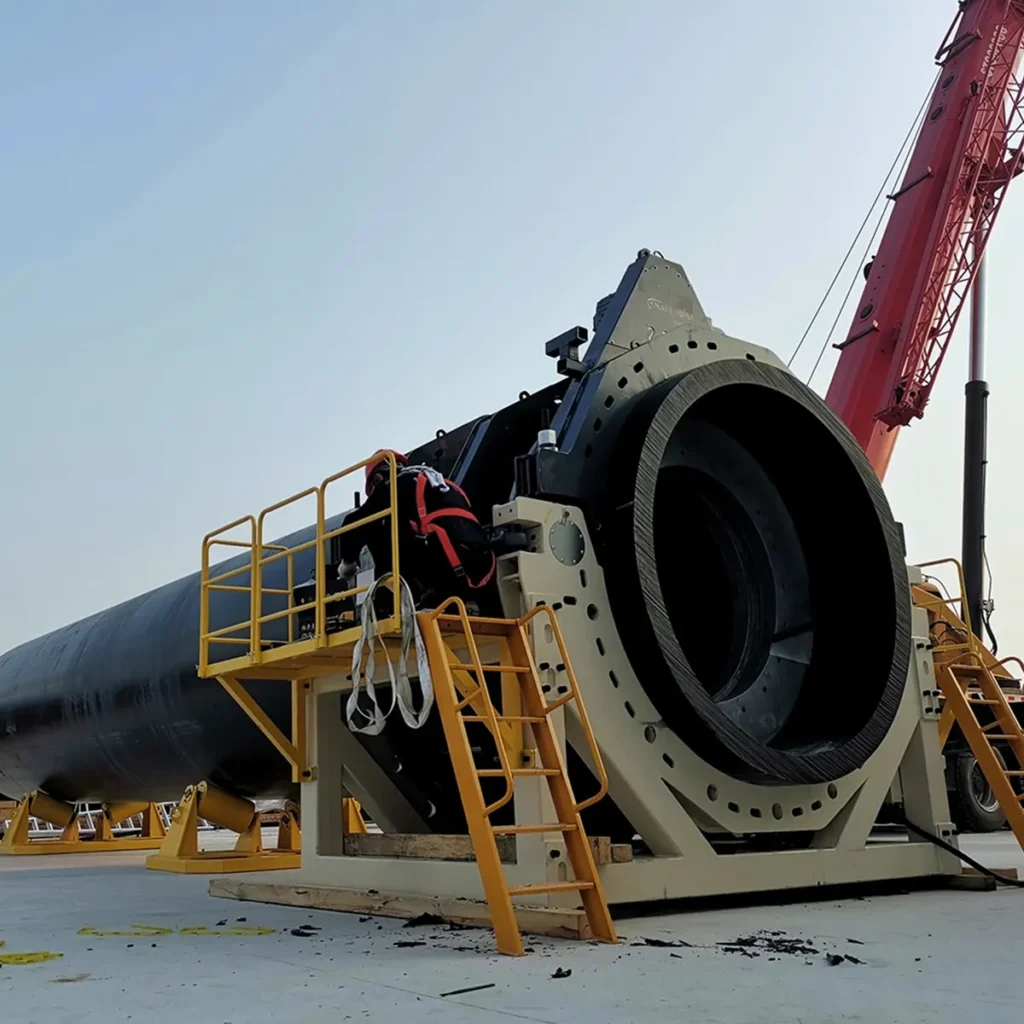
HDPE welding technology is a cornerstone for durable water, gas and mining pipelines across the Democratic Republic of the Congo. As urban areas like Kinshasa and Lubumbashi expand and rural electrification and water projects accelerate, reliable butt fusion and electrofusion machines are essential to build long-lasting infrastructure that withstands tropical humidity, remote-site logistics, and heavy industrial use.
Why HDPE Welding Fits DR Congo Projects
Corrosion resistance: HDPE pipes do not corrode in acidic or alkaline soils commonly found around mining zones and riverine floodplains.
Flexible deployment: Lightweight pipes and portable welding machines allow teams to work in remote areas reached only by unpaved roads or river transport.
Low maintenance: Welded HDPE systems reduce leakage and repair frequency—critical where maintenance crews and spare parts are harder to access.
Local Applications in DR Congo
Urban water networks: Replace aging metal pipes with leak-free HDPE mains to improve distribution efficiency in rapidly growing neighborhoods.
Rural potable water: Use compact manual and semi-automatic welders for community borehole projects and piped systems in remote territories.
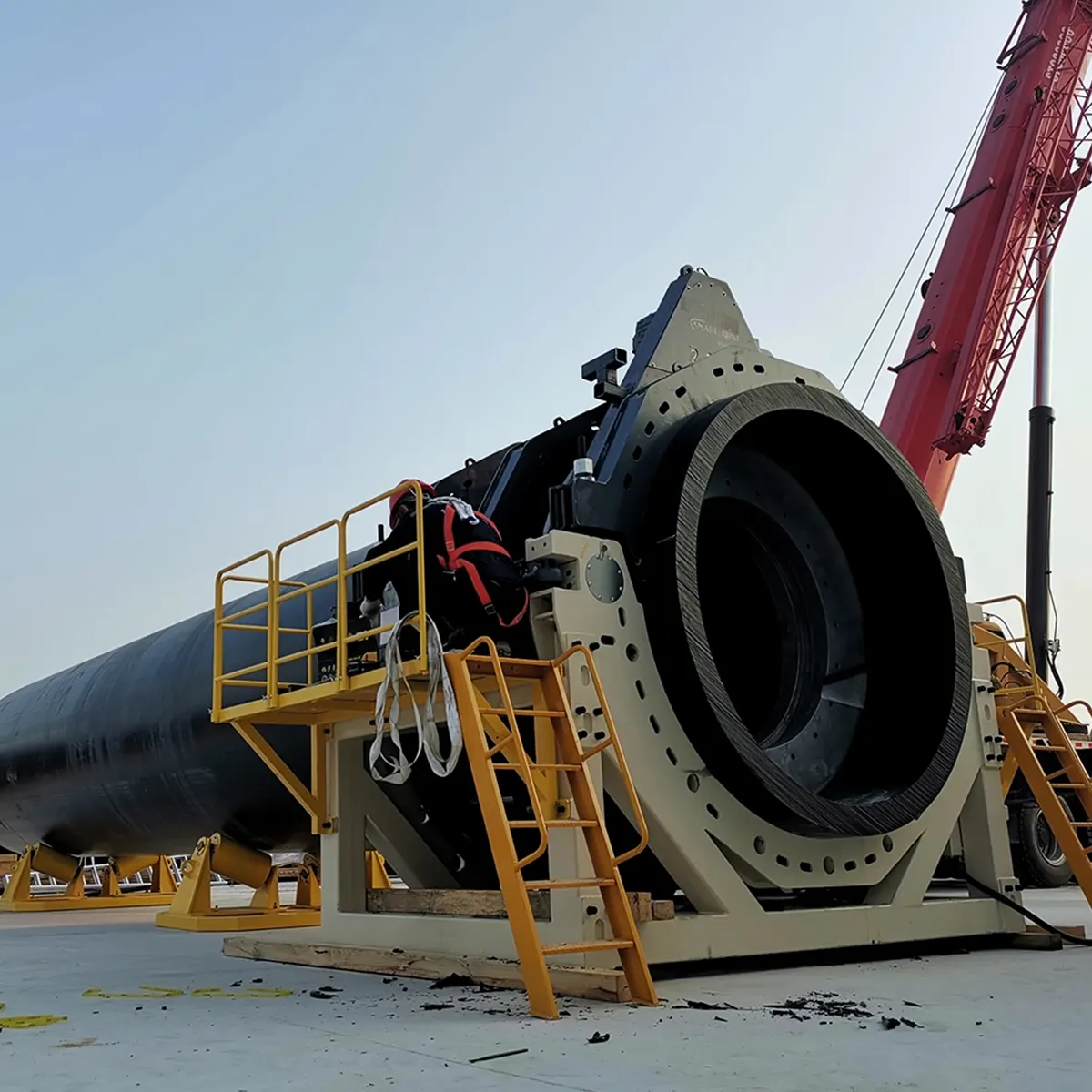
Mining and industrial pipelines: Heavy-duty hydraulic and CNC welders provide precision and strength for slurry, tailings, and process water pipelines.
JQ-Fusion Solutions
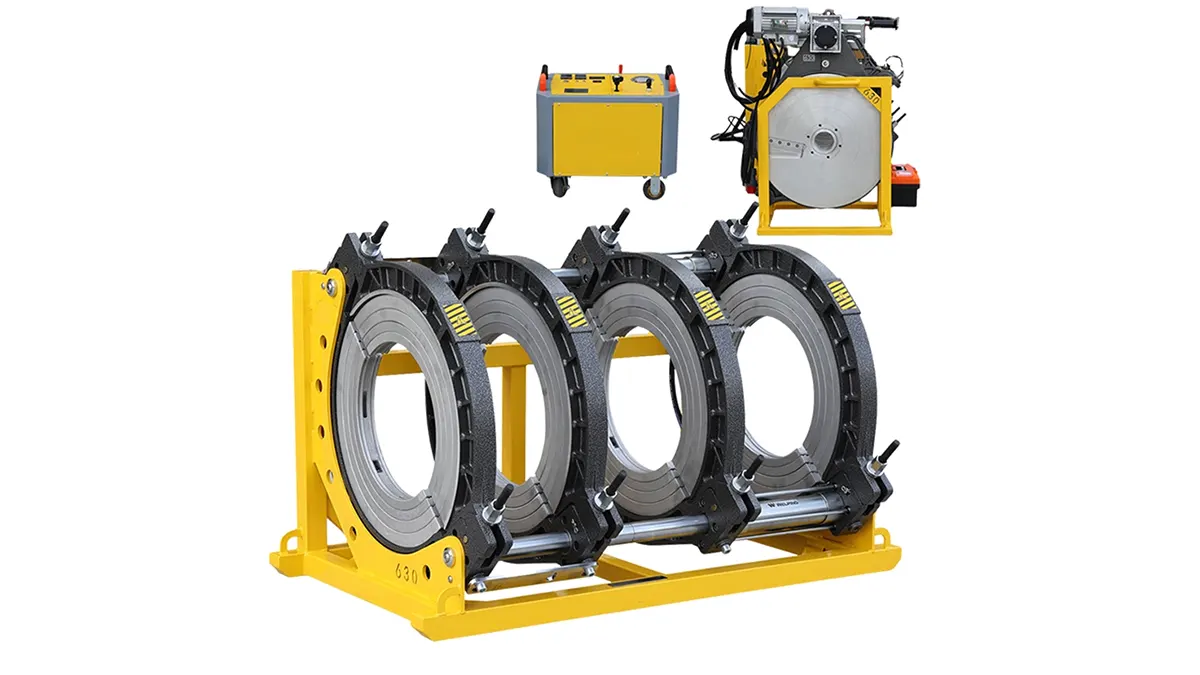
JQ-Fusion manufactures a wide range of HDPE pipe welding equipment—manual, hydraulic, and CNC automatic butt fusion machines—suitable for small to very large diameter jobs commonly required across Congolese infrastructure and mining operations.
| Model | Diameter Range (mm) | Best for | Key Feature |
|---|---|---|---|
| JQH160 | 16–160 | Rural water & small utility | Portable hydraulic drive |
| JQH630 | 160–630 | Municipal mains & industrial | Robust frame for heavy use |
| JQA200 (Auto) | 20–200 | High-volume contractors | Precision automated cycles |
| JQLX Manual | Up to 400 | On-site repairs and fittings | Simple maintenance, low cost |
Installation, Training & After-sales in the DRC
On-site training: Skilled operators are essential—short, practical sessions ensure correct fusion parameters and joint records for long-term integrity.
Spare parts & consumables: Keep heater plates, trims and hydraulic seals stocked to minimize downtime, especially for remote mining concessions and riverine camps.
Logistics & customs: Plan shipments to Kinshasa or Lubumbashi with clear documentation; machines are rugged but require careful handling for safe inland transport.
Choosing the Right Welder for Your Project
Project scale: Small community networks do well with manual or compact hydraulic units; large municipal or mining pipelines benefit from automated and large-diameter hydraulic machines.
Power availability: For sites with limited electricity, consider hydraulic units with portable generators or manual machines that need no grid power.
Budget vs lifecycle: Investing in higher-quality machines reduces leaks and maintenance costs over decades—an important factor where service access is limited.
For equipment specifications, shipping options, and warranty details, request a detailed quote through the website above or contact the regional supplier handling HDPE welding systems and spare parts.



