
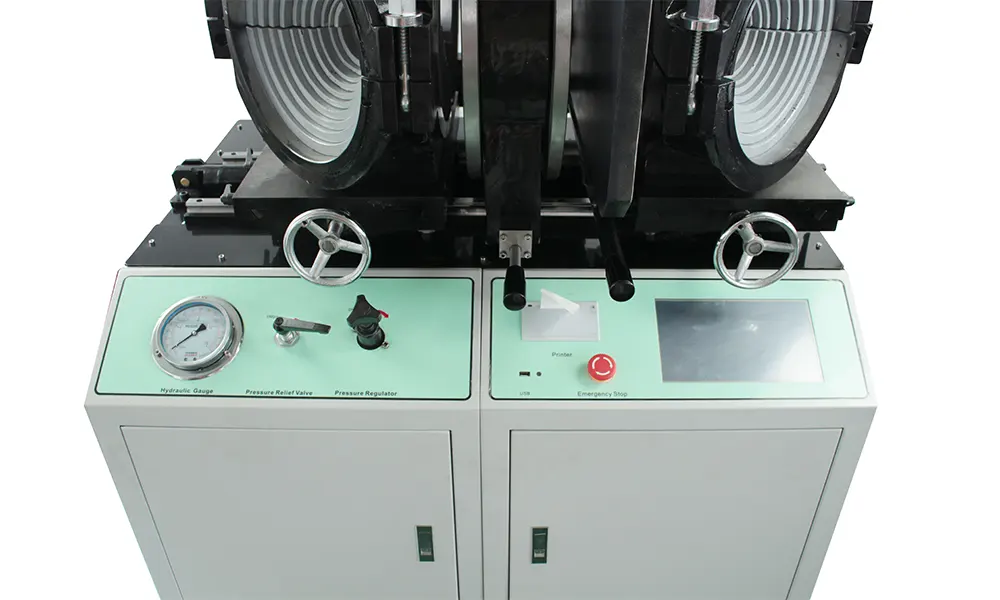
High-Density Polyethylene (HDPE) pipes have become the gold standard for modern water infrastructure projects, from municipal potable water distribution to industrial effluent lines. The integrity of these systems depends entirely on the quality of the pipeline joints, making the HDPE welder for water pipelines the most critical tool on any installation site. A properly executed butt fusion or electrofusion joint creates a monolithic, leak-free system that can outlast the pipe itself, eliminating the risk of water loss and contamination. Selecting the right fusion machine is not just about matching pipe diameters—it is about ensuring long-term hydraulic performance and compliance with international standards like ISO 4427 PE water pipes.
Types of HDPE Welders for Water Pipelines
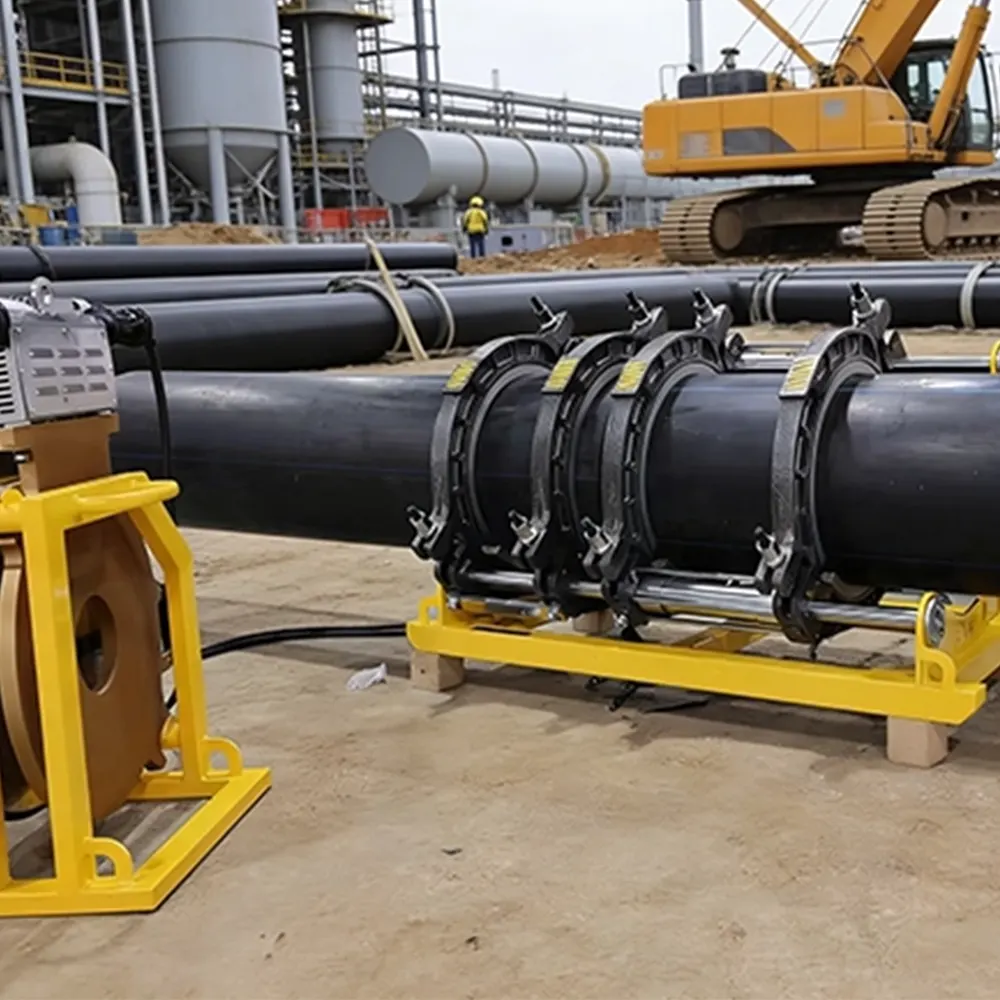
The machine you need depends heavily on your project scope, pipe diameter, and working environment. Municipal water mains often require heavy-duty, high-precision equipment, while rural water supply schemes might demand more portable solutions. Understanding the core categories will help you align the equipment with your operational demands.
Manual Butt Fusion Machines
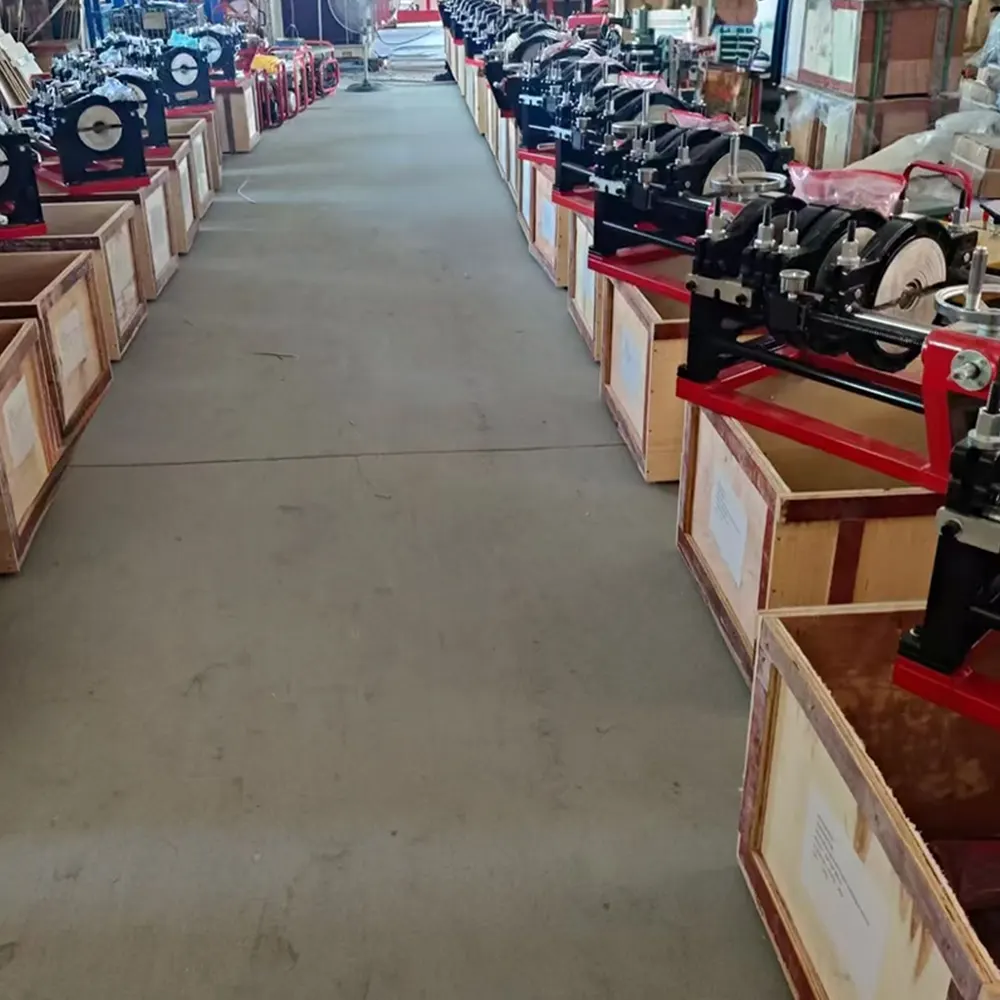
Designed for smaller diameters, typically from 40mm to 315mm, manual butt fusion welding machines operate using lever arms to generate fusion pressure. These HDPE welder for water pipelines units are lightweight, robust, and ideally suited for field repairs, secondary water networks, and branch connections. Their simplicity reduces the risk of mechanical failure, but the operator must be highly skilled to maintain constant ISO 21307 butt fusion procedures regarding bead size and cooling times.
Hydraulic Butt Fusion Machines
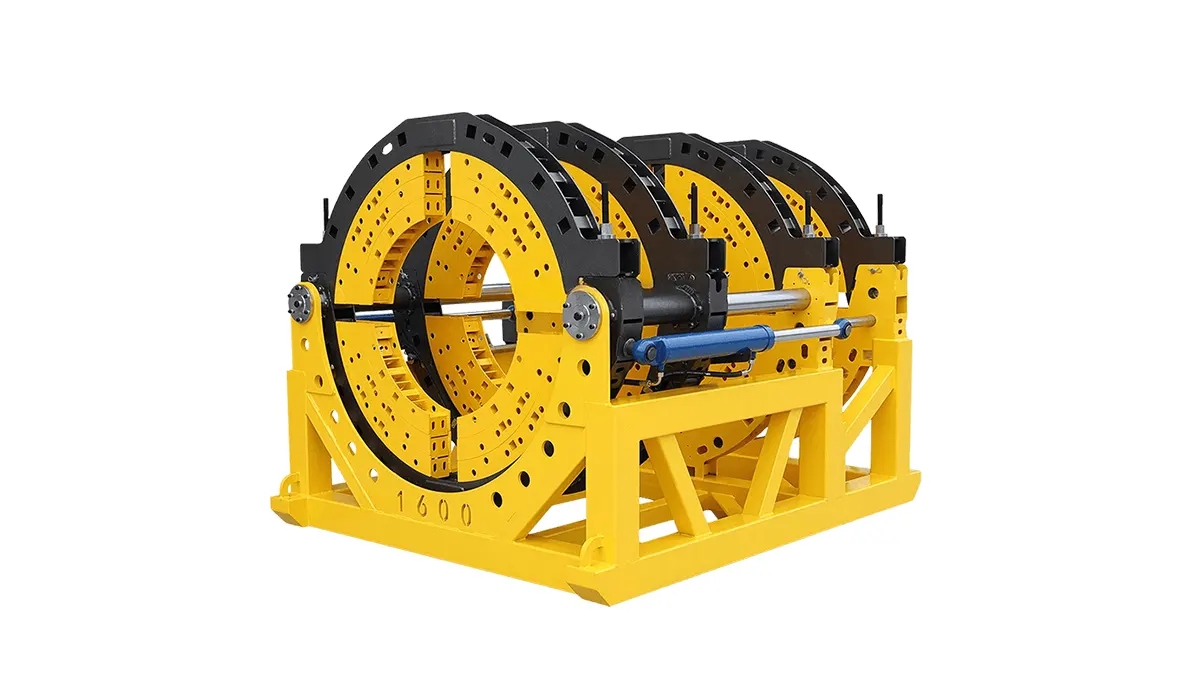
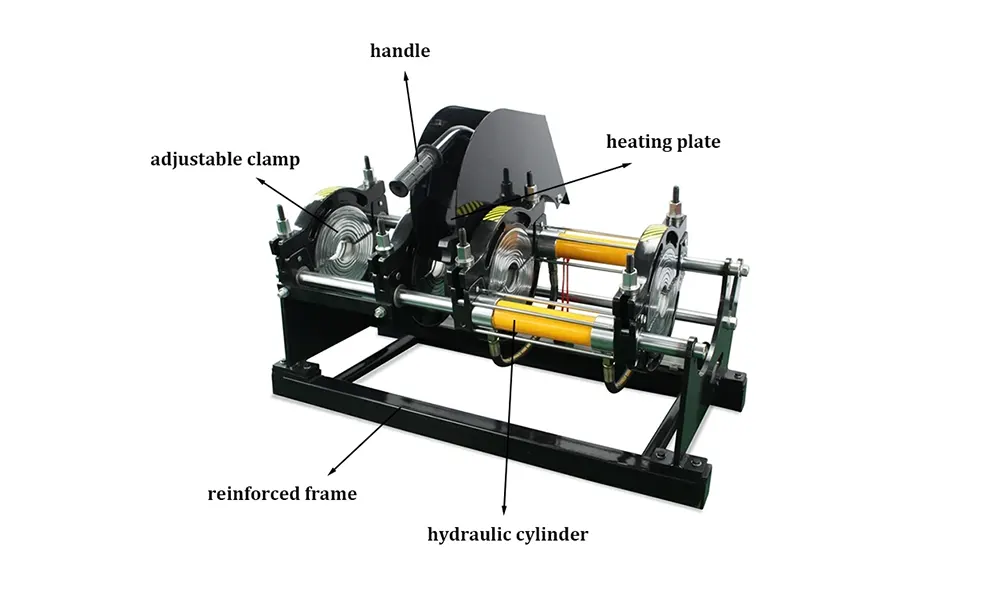
When transitioning to large-diameter transmission mains, hydraulic power becomes essential. These rigs handle pipes from 200mm up to 2250mm, using a hydraulic power pack to deliver controlled, uniform pressure during the heating and fusion phases. For water pipeline contractors laying kilometers of transmission pipe, this type of HDPE welder for water pipelines ensures the structural integrity required under high internal pressure. Look for features like smart pressure control and rigid guide rods to maintain perfect ovality and alignment.
CNC Automatic Butt Fusion Machines
For smart city projects and critical water trunk lines where consistency must be absolute, CNC automatic machines eliminate human variability. The machine automatically tracks and records the PE butt fusion equipment standard parameters for every joint, storing data logs that serve as verifiable quality assurance records for water utility owners. By precisely controlling melt bead formation and soak times, these welders provide the highest level of joint reliability.
Key Selection Criteria for Water Pipeline Fusion Equipment
Selecting an unsuitable machine leads to cold pulls, leaks, and costly excavation repairs. The water sector places unique demands on a HDPE welder for water pipelines, focusing heavily on hygiene, longevity, and consistent fusion pressure. The following table summarizes the main decision factors.
| Selection Factor | Why It Matters for Water Projects | Ideal Machine Feature |
|---|---|---|
| Pipe Diameter Range | Water mains vs. service lines require vastly different clamping force. | Rigid base frame with removable reducing inserts. |
| Terrain and Accessibility | Rural water projects often lack flat ground and crane access. | Track-mounted or wheeled chassis with integrated hydraulic jacks. |
| Data Logging (Traceability) | Municipal inspectors require proof of PE fusion traceability. | CNC controller with USB export and printer connectivity. |
| Heating Plate Uniformity | Uneven temperature causes weak hygiene-sensitive interior beads. | Non-stick coatings and digital thermostatic control with dual sensors. |
Understanding Standards for Potable Water Welding
Potable water pipeline welding is heavily regulated to protect public health. Beyond the physical weld strength, the equipment must not contaminate the pipe material. Always ensure your procedure aligns with ASTM F2620 heat fusion guidelines. A proper HDPE welder for water pipelines needs to maintain exceptionally stable temperature control, as overheating can degrade the polymer additives approved for drinking water contact, potentially affecting taste and odor.
Advantages of Butt Fusion in Water Networks
- Zero Leakage Path: The joint becomes as strong as the pipe, crucial for high-pressure water distribution.
- Chemical Resistance: HDPE and the fusion bead resist chloride and chloramine disinfectants used in water treatment.
- Seismic Performance: Flexible fused joints can survive ground shifts without separating, unlike bell-and-spigot concrete or metallic pipes.
Comparing Manual, Hydraulic, and CNC Welders
To visually distinguish the capabilities, consider the operational scope of each machine type. While a manual kit is sufficient for a water service line repair, installing a 1200mm water transmission main demands the hydraulic clamping force and data recording found in a high-end CNC setup.
| Machine Type | Typical Range | Joint Documentation | Portability |
|---|---|---|---|
| Manual Lever | 40mm – 315mm | Manual log | Excellent |
| Manual Hand-Push | 63mm – 250mm | Manual log | Good |
| Hydraulic | 200mm – 2250mm | Optional data logger | Limited (needs power pack) |
| CNC Automatic | 160mm – 800mm | Full traceable record | Moderate |
Durability and Build Quality Considerations
Water pipeline construction often takes place in muddy trenches and adverse weather. The clamps, heating plates, and frames of an HDPE welder for water pipelines must be rugged. Look for structural frames made of reinforced steel rather than fabricated sheet metal, and hydraulic butt fusion units with chromium-plated cylinder rods to resist rust from moisture and high humidity common near water sources. The heating element must also be protected against thermal shock if used in cold, windy conditions typical of elevated water storage tank areas.
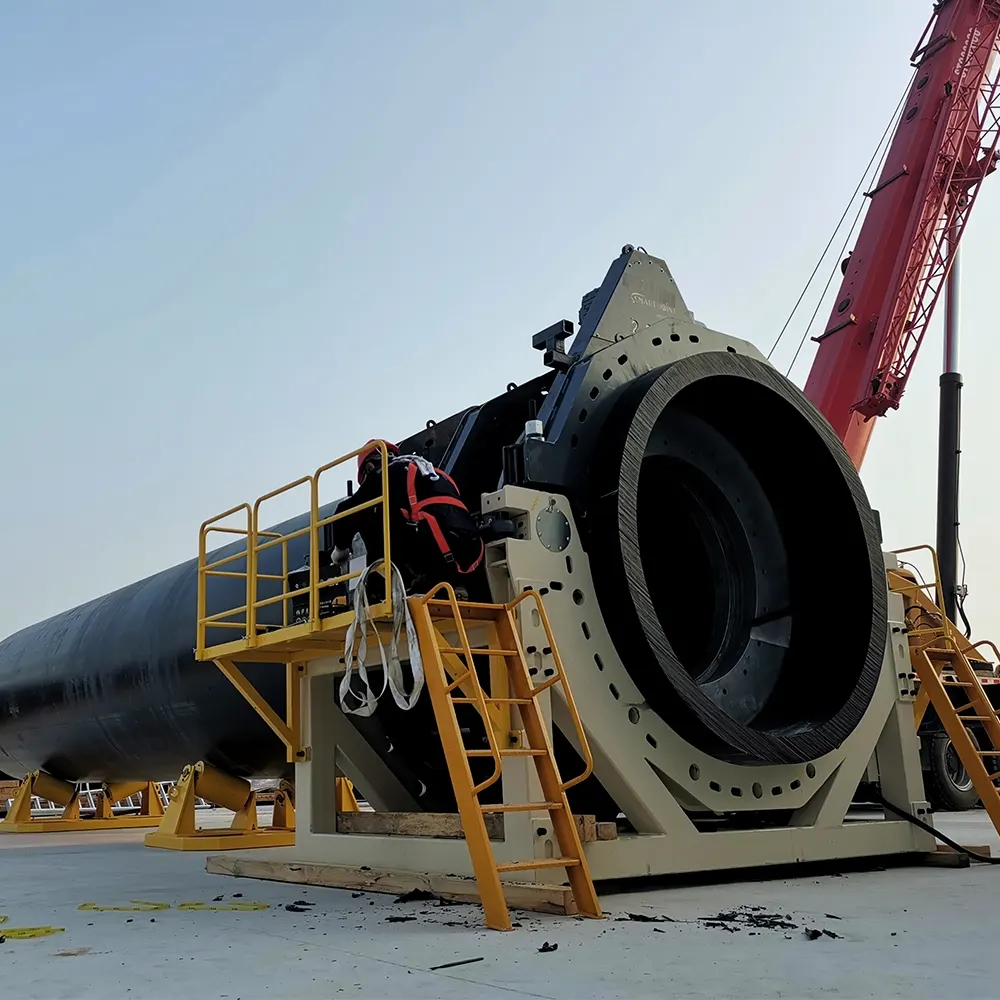
For water infrastructure managers, specifying a high- quality HDPE welder for water pipelines is the foundation of network efficiency. Companies like JQ-Fusion specialize in manufacturing robust welding systems that address the specific challenges of water pipeline projects, from desalination plants to rural distribution grids. By prioritizing stable heating plates, accurate pressure control, and durable chassis construction, you ensure the resulting water network operates leak-free for generations.



