
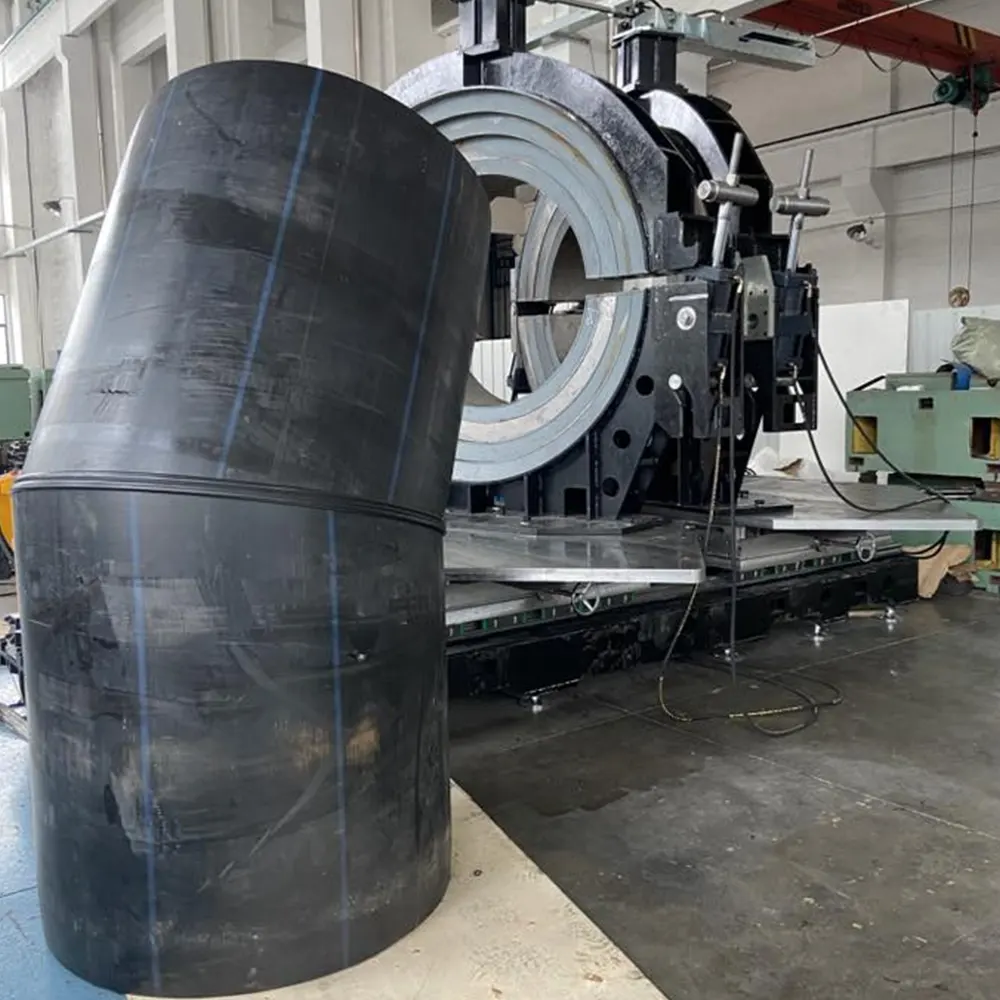
Understanding the core principles of HDPE pipe joining technology explained is fundamental for ensuring leak-free, durable pipeline systems. High-Density Polyethylene (HDPE) pipes have become the industry standard for water, gas, and industrial applications due to their flexibility and corrosion resistance. The integrity of these systems hinges entirely on the quality of the fusion joints. This comprehensive guide explores the primary methods, their distinct advantages, and the best practices for achieving perfect welds.
Understanding HDPE Fusion Principles
Unlike traditional piping materials that rely on mechanical joints or solvents, HDPE joining is a thermal process. The pipe surfaces are heated to a molten state under controlled pressure, then fused together to form a homogeneous bond. When executed correctly, the resulting joint is stronger than the pipe itself. The technology is broadly categorized into butt fusion, electrofusion, and socket fusion, each suited for distinct project scopes and diameters.
Primary Types of HDPE Joining Technology
Selecting the right fusion method depends on factors like pipe diameter, site conditions, and project budget. Modern HDPE pipe joining technology offers versatile solutions from manual setups to fully automated CNC systems.
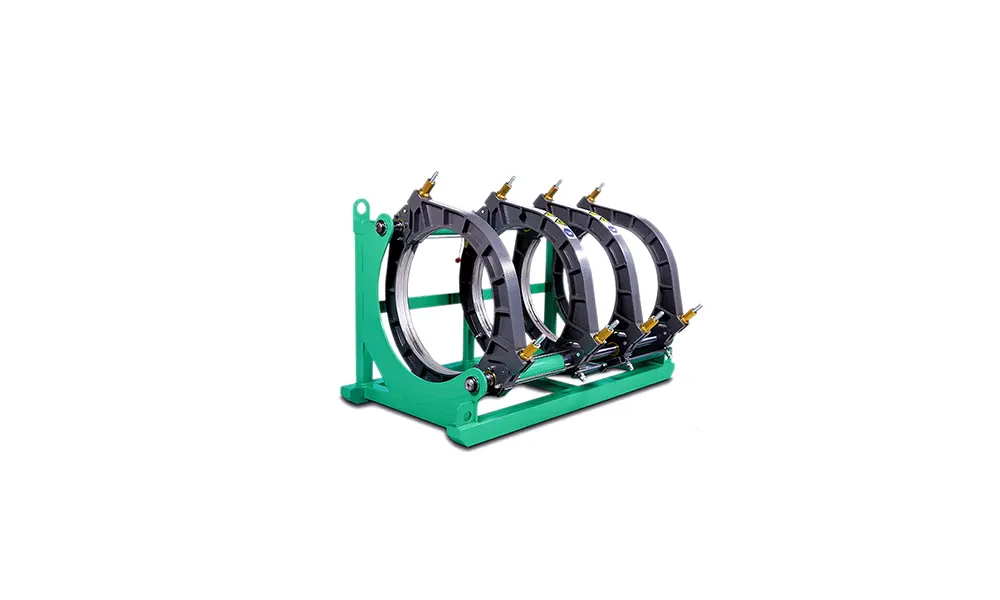
1. Butt Fusion Welding
Butt fusion is the most widely used method for joining pipes and fittings with diameters typically above 63mm. The process involves facing the pipe ends to create parallel surfaces, heating them against a precisely controlled heater plate, and then pressing them together under strictly monitored ISO 21307 butt fusion procedures. This method creates an exceptionally strong, permanent connection with no additional material cost.
2. Electrofusion Technology
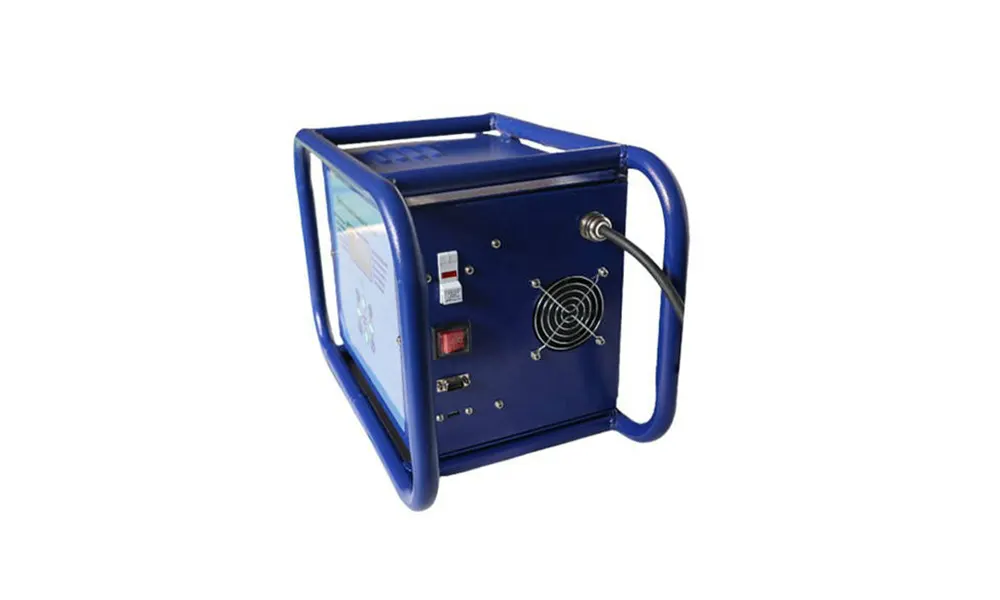
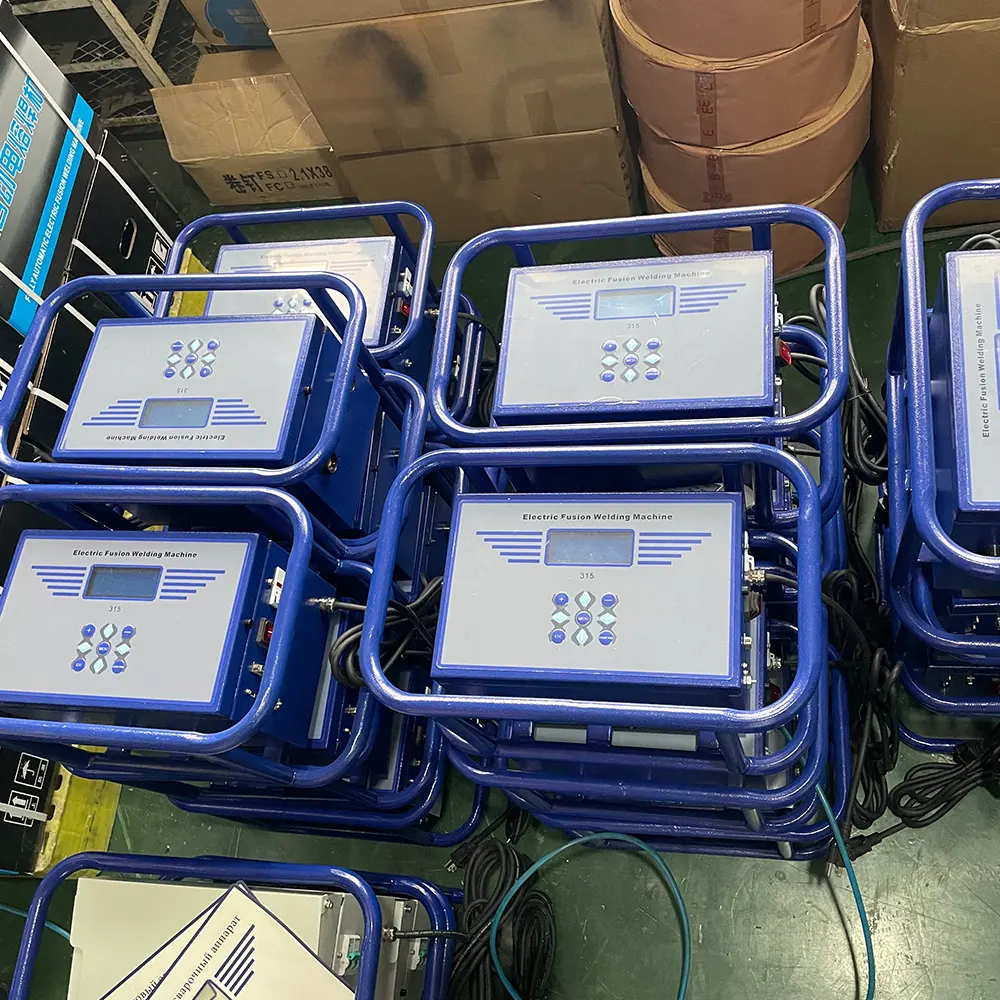
Electrofusion involves using specialized fittings with embedded heating coils. An electrofusion machine passes an electric current through the coil, precisely melting the polymer at the interface. This method is invaluable for repair jobs, tight spaces, or where butt fusion equipment cannot be deployed. It relies on consistent data transfer and barcode scanning to ensure the correct parameters are applied according to PE electrofusion equipment standard guidelines.
3. Socket and Saddle Fusion
Primarily used for service connections and small-diameter pipes, socket fusion heats the external surface of the pipe and the internal surface of a fitting simultaneously. Similarly, saddle fusion is used to create branch outlets on existing mains. While effective, these methods require strict adherence to the PE fusion operator requirements to avoid misalignment and leaks.
Key Benefits of Proper Fusion
- Monolithic System: Eliminates leak paths at joints.
- Zero Material Waste: No adhesives or rubber seals required.
- Longevity: Weld lifespan matches the 50-100 year pipe design life.
- Hydraulic Efficiency: Smooth internal bore maximizes flow rates.
Common Pitfalls to Avoid
- Misalignment due to worn clamps.
- Incorrect interfacial pressure during heating.
- Contaminated pipe ends (dirt or moisture).
- Shortening the standard cooling time.
Best Practices for High-Quality Joints
Achieving a perfect fusion bead requires more than just equipment; it demands process control. Whether you are utilizing hydraulic butt fusion machines or manual tools, the fundamentals remain constant.
| Fusion Stage | Critical Parameter | Best Practice Check |
|---|---|---|
| Facing | Surface parallelism | Continuous shaving removed from both ends |
| Heating | Temperature & Time | Adhere to manufacturer’s heater plate temp (typically 225°C) |
| Fusion | Changeover Speed | Minimize time between heating and joining |
| Cooling | Sustained Pressure | Keep under pressure until completely cool to touch |
Equipment Selection: From Manual to CNC Automatic
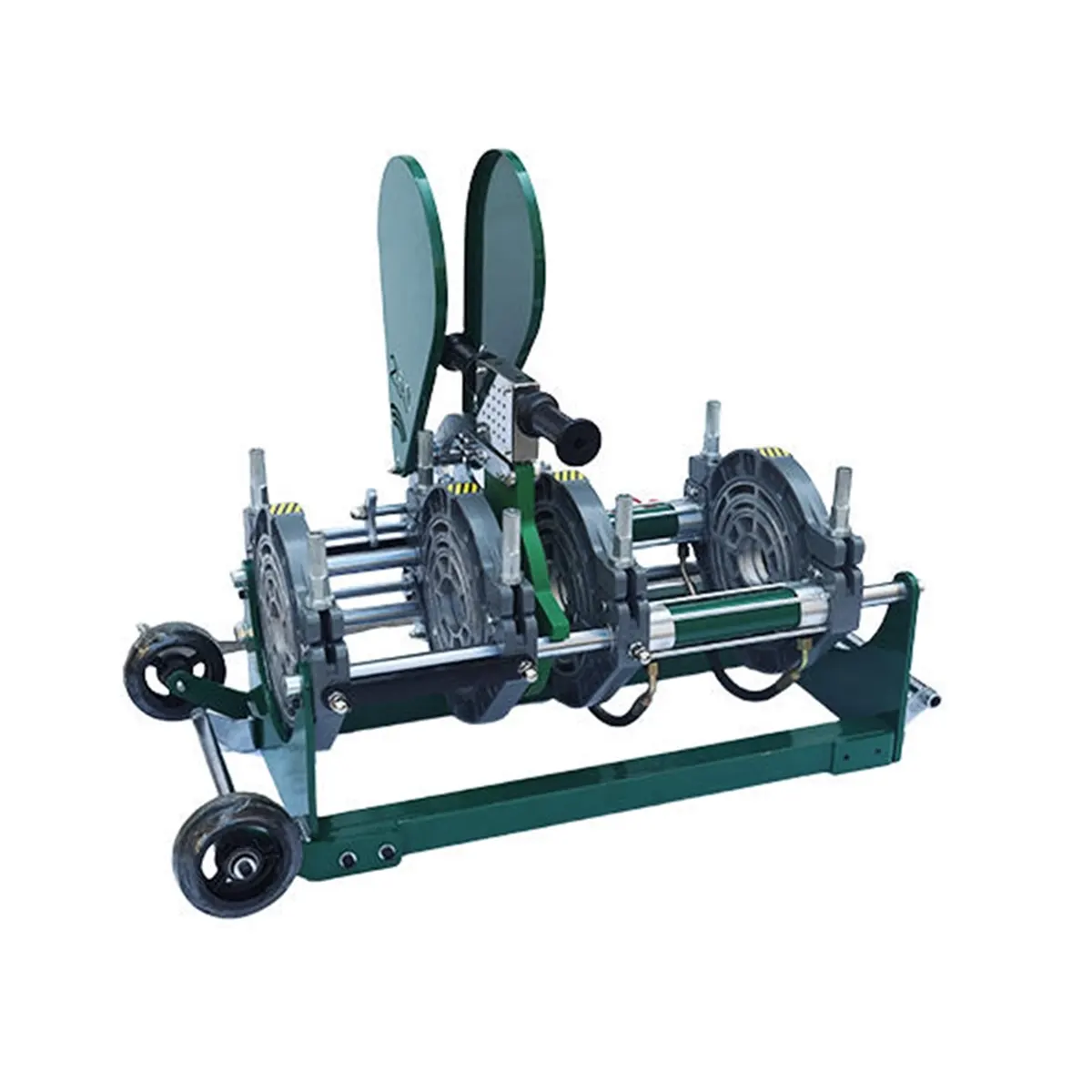
The evolution of HDPE pipe joining technology has brought sophisticated automation to the field. For small-scale utility connections, compact manual machines offer portability and simplicity. For large-diameter municipal water or gas mains, CNC automatic butt fusion welders are indispensable. These automated systems log every parameter—pressure, time, and temperature—ensuring total compliance with ASTM F2620 heat fusion standards and providing traceable quality records.
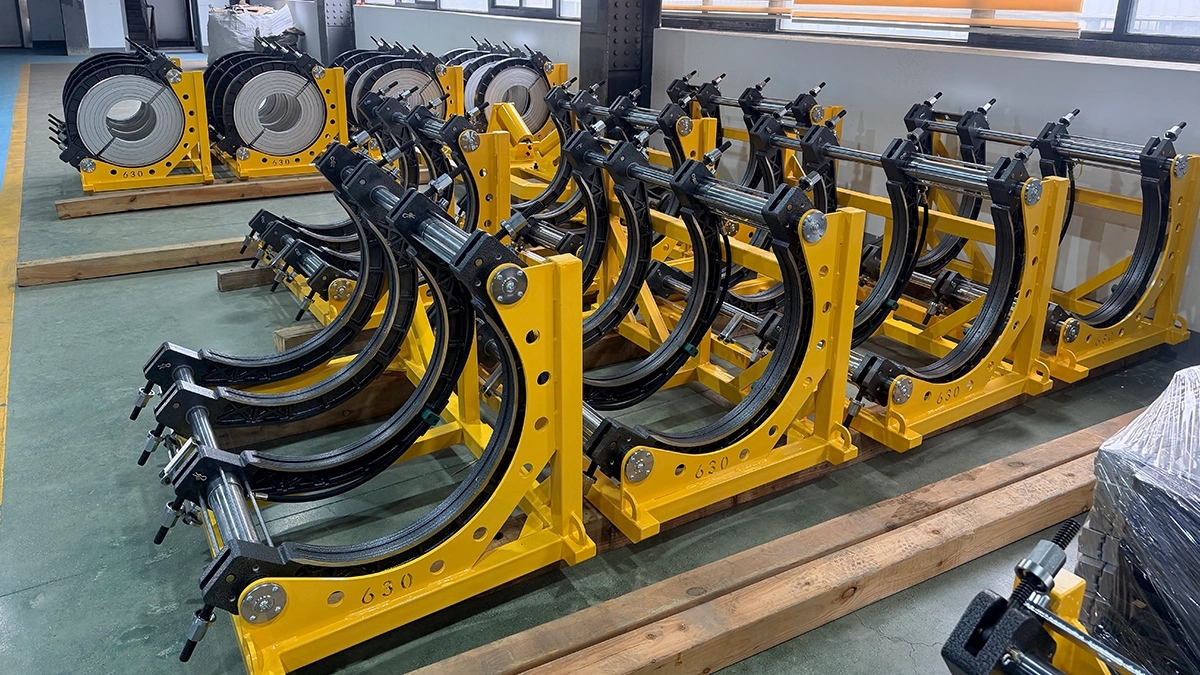
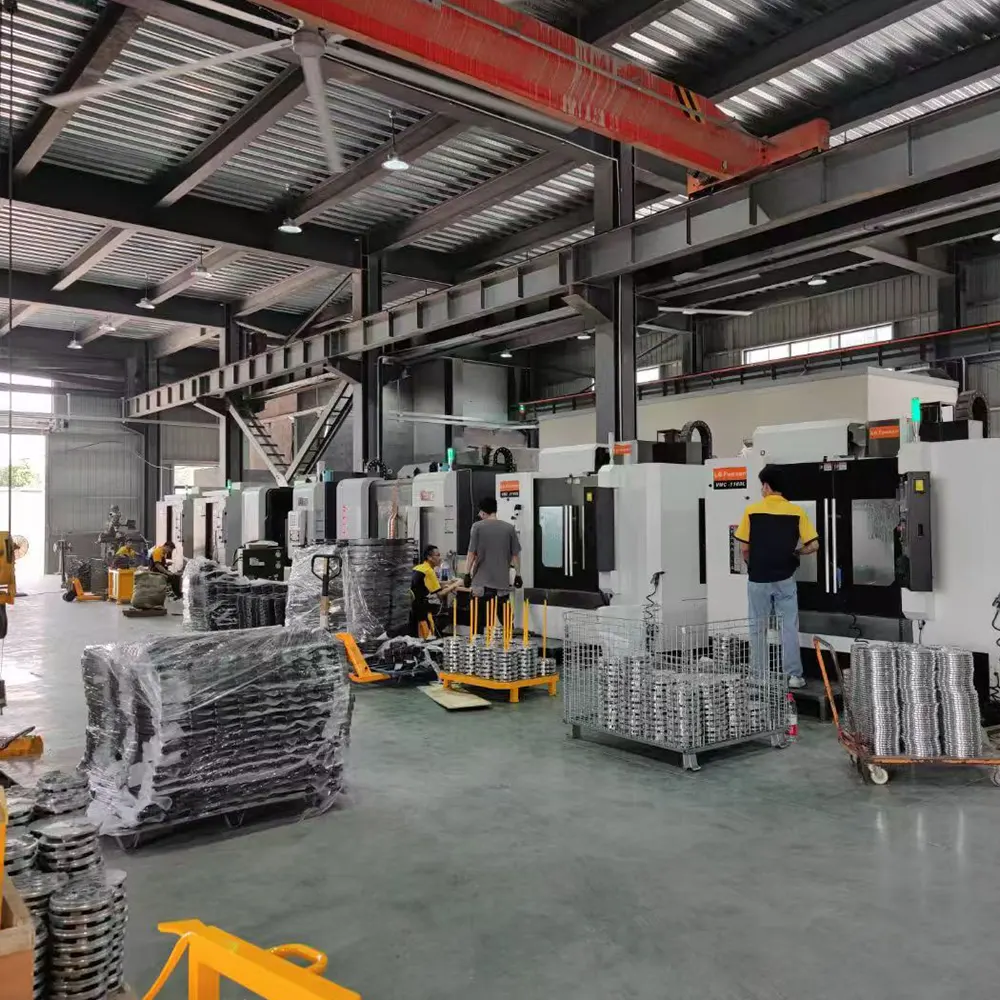
Investing in high-caliber automatic butt fusion welding machines removes human error from the equation, delivering exact interfacial pressures regardless of ambient conditions. For contractors looking to scale their operations, JQ-Fusion stands as a professional manufacturer specializing in reliable butt fusion solutions, offering a complete range of manual, hydraulic, and CNC equipment tailored for global infrastructure projects.
Quality Verification and Documentation
Visual inspection of the double-bead profile is a primary on-site check. However, the backbone of modern quality assurance is data logging. Adhering to the PPI butt fusion procedure requires creating a permanent record of the welding cycle. This traceability is critical for gas distribution systems, where safety is paramount, and aligns with the PE fusion traceability codes outlined in ISO 12176-4.
FAQs on HDPE Joining Technology
Why is clamping force crucial in butt welding?
Proper clamping ensures the pipe cannot slide during the cooling phase. If the pipe slips, micro-cracks can form in the solidifying joint, leading to future brittle failures. This is why high-rigidity frames on HDPE pipe fusion equipment are non-negotiable.
Can different grades of PE be joined?
Generally, mixing different grades (like PE80 and PE100) is not recommended for pressure applications without specific engineering approval, as confirmed by PE pipe compatibility charts. Always consult the PPI Handbook of Polyethylene Pipe for detailed guidance.
What safety protocols are essential?
Beyond standard PPE, electrical safety for electrofusion and hot surfaces for butt welding are critical. Operators must be qualified and understand the heat fusion operator qualification requirements to manage the equipment safely and correctly.
Mastering pipe joining is a science and an art. By combining rigorous standards like ISO 4427 PE water pipes specifications with advanced welding machinery, contractors can deliver infrastructure that lasts for generations. For further inquiries on equipment specifications, refer to the fusion welding support page.



