
Somalia’s rapid infrastructure needs—from water supply networks in Mogadishu to irrigation projects across Jubaland and Puntland—are driving demand for reliable HDPE pipe welding solutions. Contractors, NGOs, and municipal works require durable, easy-to-service welding equipment that performs reliably in hot, dusty, and remote conditions. This guide helps procurement teams and local wholesalers identify the best HDPE pipe welding machine options, find trustworthy suppliers, and secure the best deals for projects in Somalia.
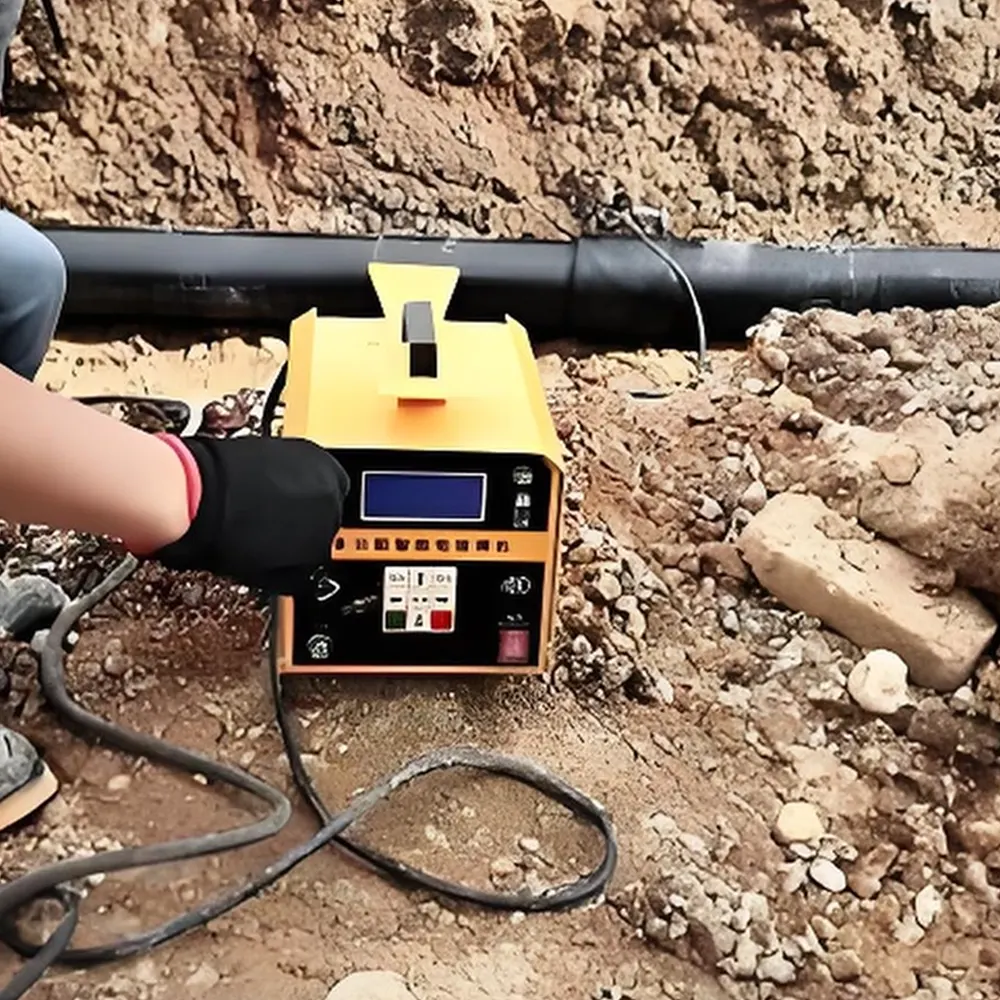
Why Somalia Needs Reliable HDPE Welding Equipment
Durability and consistent weld quality are essential for pipelines that serve remote communities and urban developments. HDPE pipes are widely used for potable water distribution, sewer lines, and gas networks because they resist corrosion and withstand soil movement. In Somalia, where projects often face extreme temperatures and logistical hurdles, choosing the right welding technology—manual, hydraulic, or automatic—can reduce rework, lower maintenance costs, and increase project uptime.
Common Project Types in Somalia
Water supply rehabilitation, borehole distribution networks, irrigation canals, refugee camp utility installations, and small-scale gas distribution for industrial sites. Each project type places different demands on welding accuracy, portability, and power supply options.
Types of HDPE Pipe Welding Machines
Selecting the proper machine depends on pipe diameter, joint frequency, and site conditions. Typical machine categories include:
- Manual butt fusion machines – Simple, lightweight, ideal for small teams and remote locations.
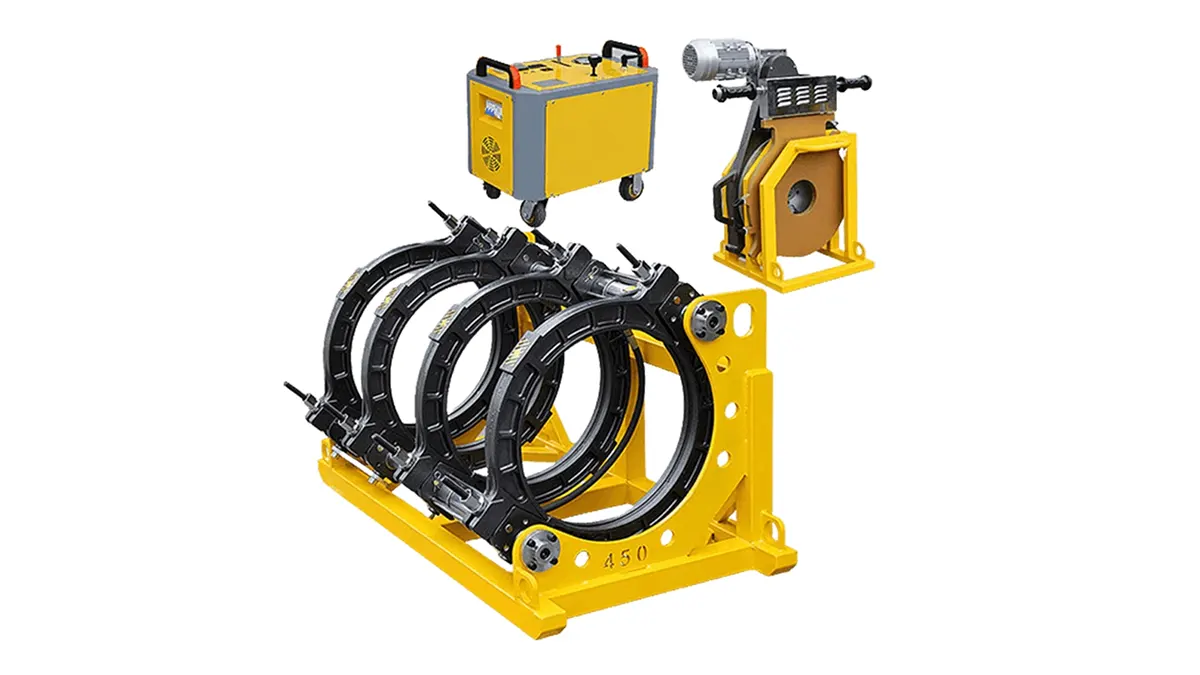
- Hydraulic butt fusion machines – Higher clamping force and precision for mid-to-large diameter pipes.
- Automatic/CNC butt fusion machines – Best for high-volume, repeatable welds with digital controls and quality records.
- Electrofusion machines – Used for fittings and repairs; ideal when limited space prevents butt welding.
What Somali Contractors Prioritize
Local teams and procurement officers typically look for portability, low power consumption, on-site repairability, and clear welding documentation (temps, pressures, times) to satisfy donors and regulators. Machines that tolerate dusty environments and have easy-to-source spare parts earn higher preference.
Product Comparison — Quick Reference
| Model | Type | Pipe Range (mm) | Key Feature | Best For |
|---|---|---|---|---|
| JQSY Manual Series | Manual Butt Fusion | 20–400 | Lightweight, field serviceable | Remote repair teams |
| JQH Hydraulic Series | Hydraulic Butt Fusion | 63–1200+ | High clamping force, durable frame | Municipal and large pipeline projects |
| JQA Automatic Series | Automatic/CNC Butt Fusion | 63–630 | Digital controls, QC logging | High-volume contractors |
| JQEA Electrofusion | Electrofusion Machine | Fittings up to 160 | Precise fitting welds, portable | Repairs, service networks |
How to Choose a Wholesaler in Somalia
When vetting wholesalers, evaluate these factors:
- Local logistics experience — ability to ship to Mogadishu Port, Kismayo, or Bosaso and handle customs clearance.
- After-sales support — spare parts, on-site training, and remote troubleshooting are essential for long-term operations.
- Warranty and quality records — look for suppliers who provide welding procedure documentation and calibration certificates.
- Flexible ordering — staggered shipments and kit-based solutions help manage cash flow for NGOs and contractors.
Logistics Tips for Somali Purchasers
Prefer suppliers who can consolidate shipments, advise on packaging for rough handling, and provide clear HS codes for customs. Regional hubs (Nairobi, Djibouti) may be used for faster responses and spare part staging. Machines with modular designs reduce the need to ship entire units for repair.
Getting the Best Deals
To secure competitive pricing and reliable delivery:
- Request bundled quotes (machine + accessories + training) to reduce overall cost.
- Ask about refurbished or ex-stock units for urgent projects.
- Negotiate on spare parts packages and long-term service agreements.
- Verify lead times during the non-rainy season when port congestion is lower.
Technical Support & Training
Investing in operator training pays dividends: proper fusion technique reduces leak risks and extends pipeline life. Suppliers that offer on-site commissioning, certification courses, and easy-to-follow weld logs align well with donor reporting needs common in Somalia.
Where to Source Machines
For global procurement, consider manufacturers with experience supplying infrastructure projects in challenging climates and with established export logistics. One such supplier is JQ-Fusion, which provides a range of manual, hydraulic, and automatic butt fusion machines and electrofusion equipment suitable for Somali projects.
Final Procurement Checklist
Before placing an order, confirm: machine compatibility with pipe standards (ISO/PE/ASTM), spare parts availability, training options, warranty terms, and realistic delivery timelines to Somali ports or regional hubs.



