
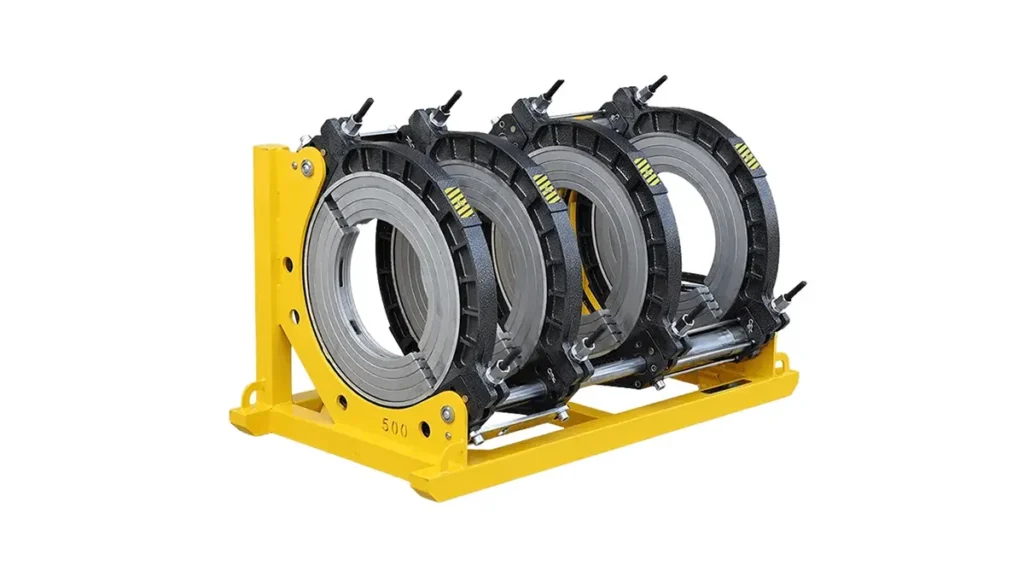
Lebanon’s infrastructure projects—from municipal water networks in Beirut to agricultural irrigation systems in the Bekaa Valley—rely on robust, leak-free piping. For contractors, engineers and procurement teams searching for a dependable HDPE pipe welding machine wholesaler in Lebanon, choosing the right supplier and equipment is critical to long-term performance and project cost control.
Why HDPE Butt Fusion Machines Matter for Lebanese Projects
HDPE (High-Density Polyethylene) piping offers corrosion resistance, flexibility and long service life—advantages especially valuable in coastal zones and regions with variable ground movement. The butt fusion welding process creates joints that match or exceed the strength of the pipe itself. In Lebanon, where water distribution upgrades and new industrial plumbing are ongoing, reliable butt fusion equipment reduces leak risks and speeds installation on tight site schedules.
Types of Welding Machines Commonly Supplied to Lebanon
Manual butt fusion machines – Compact and cost-effective for small-diameter pipes used in local plumbing and irrigation. Ideal where portability is needed.
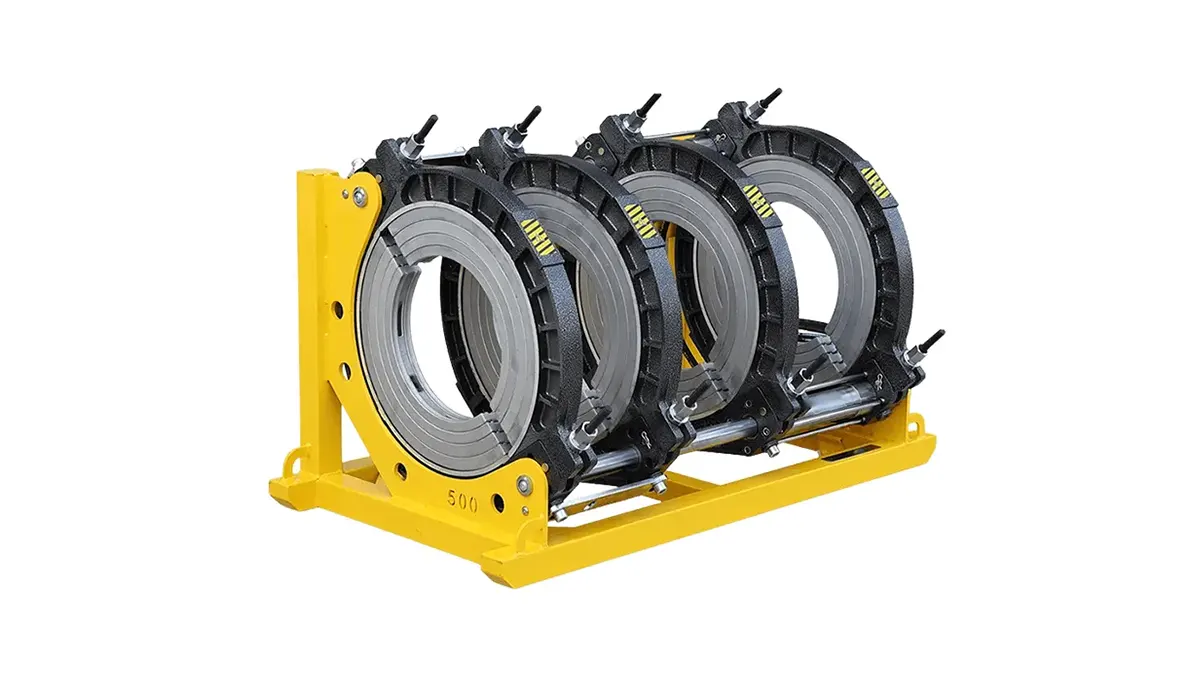
Hydraulic butt fusion machines – Offer higher clamping force and precision for medium to large diameter pipelines used by municipalities and contractors.
Automatic / CNC butt fusion machines – Provide repeatable welding parameters for large-scale industrial, gas, and utility projects that demand tight quality control.
Key Features to Look For
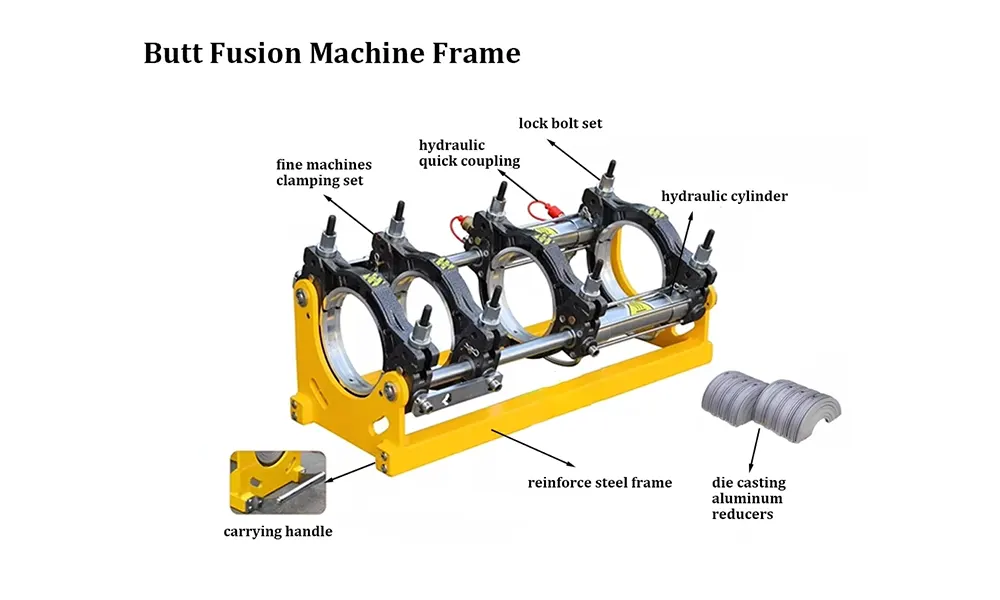
When evaluating suppliers in Lebanon, prioritize machines with: accurate temperature control, stable facing and trimming units, durable clamping frames, and straightforward calibration. These features help teams deliver consistent welds under field conditions, from coastal humidity to mountainous job sites.
Local Considerations for Buyers in Lebanon
Import logistics, spare parts availability, and on-site training are often deciding factors. Lebanese contractors value fast lead times and access to technical support in Arabic and English. Equipment that ships with comprehensive spare part kits and clear operation manuals reduces downtime in remote installations.
Comparative Data: Typical Models for Different Project Scales
| Model Type | Pipe Range | Best Use | Lead Time |
|---|---|---|---|
| Manual (e.g., JQSY series) | 20–160 mm | Residential & small irrigation | 1–3 weeks |
| Hydraulic (e.g., JQH series) | 160–1250 mm | Municipal water & larger mains | 2–6 weeks |
| Automatic / CNC (e.g., JQA series) | 250–2000+ mm | Large infrastructure, gas & industrial | 4–10 weeks |
Service, Training and Warranty Expectations
Suppliers that support installation, operator training and local troubleshooting deliver higher uptime for Lebanese projects. Look for machines backed by clear warranty terms and accessible replacement parts—this saves time during seasonal construction peaks.
How to Choose a Wholesaler in Lebanon
Evaluate wholesalers by product range, stock levels, documented weld records, and responsiveness. Request test weld reports, references from similar regional projects, and a detailed spare parts list. Consider a supplier that offers tailored solutions for coastal, municipal or industrial applications.
Buy with Confidence
For dependable butt fusion equipment and a wide product selection, JQ-Fusion offers manual, hydraulic and automatic HDPE pipe welding machines designed for global infrastructure projects. Visit their site to explore models and request technical specs.
Next Steps for Lebanese Buyers
If you’re specifying equipment for a tender or preparing procurement for a pipeline build, compile pipe diameters, expected daily welding length, and operating environment details. Share these with your wholesaler to receive a tailored recommendation and firm quotation—helping you keep projects on schedule and within budget.



