
What Is a Hydraulic Unit in HDPE Pipe Welding?
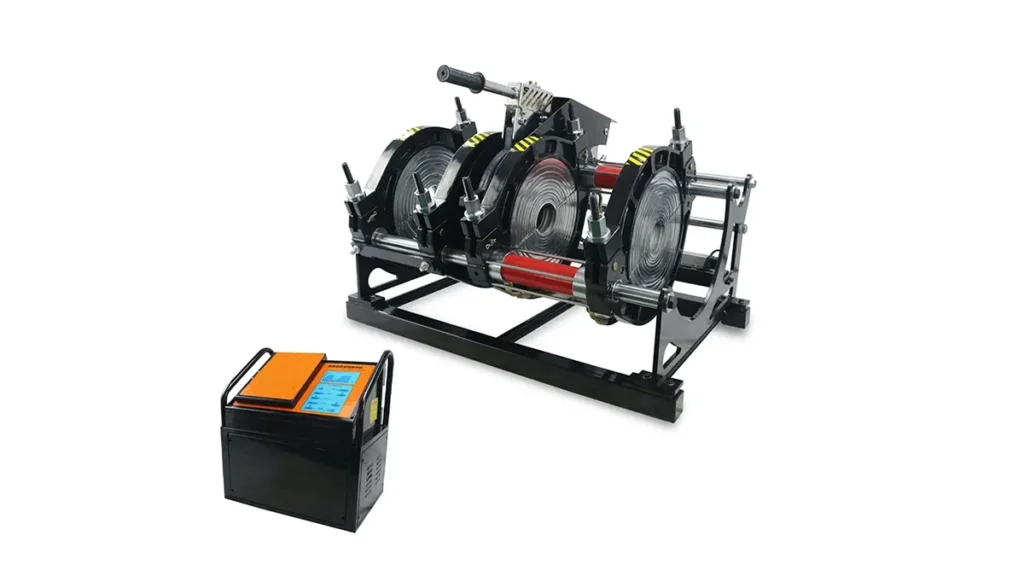
The HDPE pipe welding machine hydraulic unit is the core power system that drives the butt fusion process for polyethylene pipes. In a hydraulic HDPE pipe welding machine, this unit generates the controlled force needed to move pipe clamps, apply precise joining pressure, and maintain alignment during the heating and cooling phases. Unlike manual machines that rely on operator strength, a hydraulic unit ensures consistent, repeatable force across every weld cycle, making it essential for medium to large-diameter pipe projects.
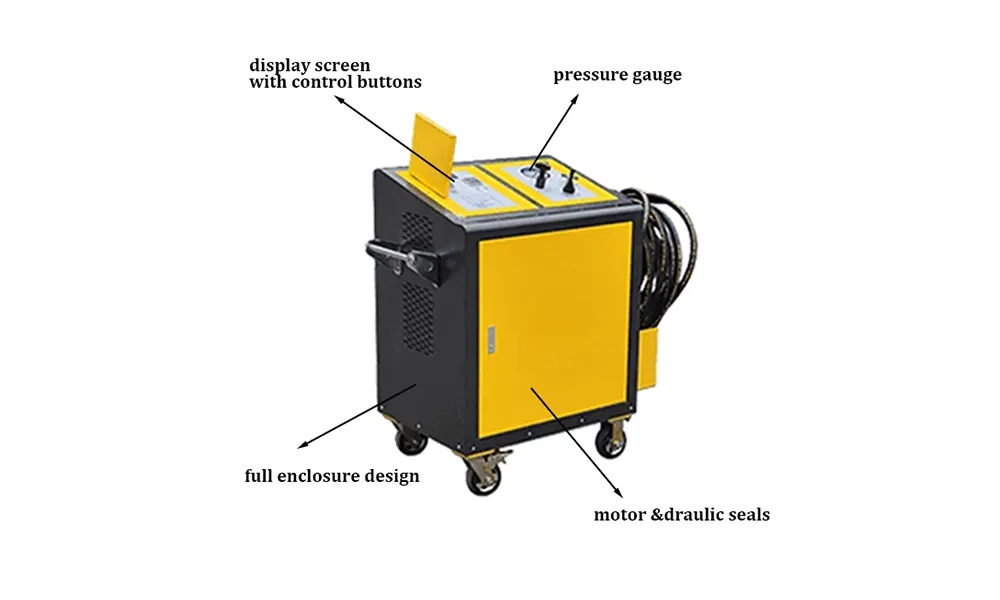
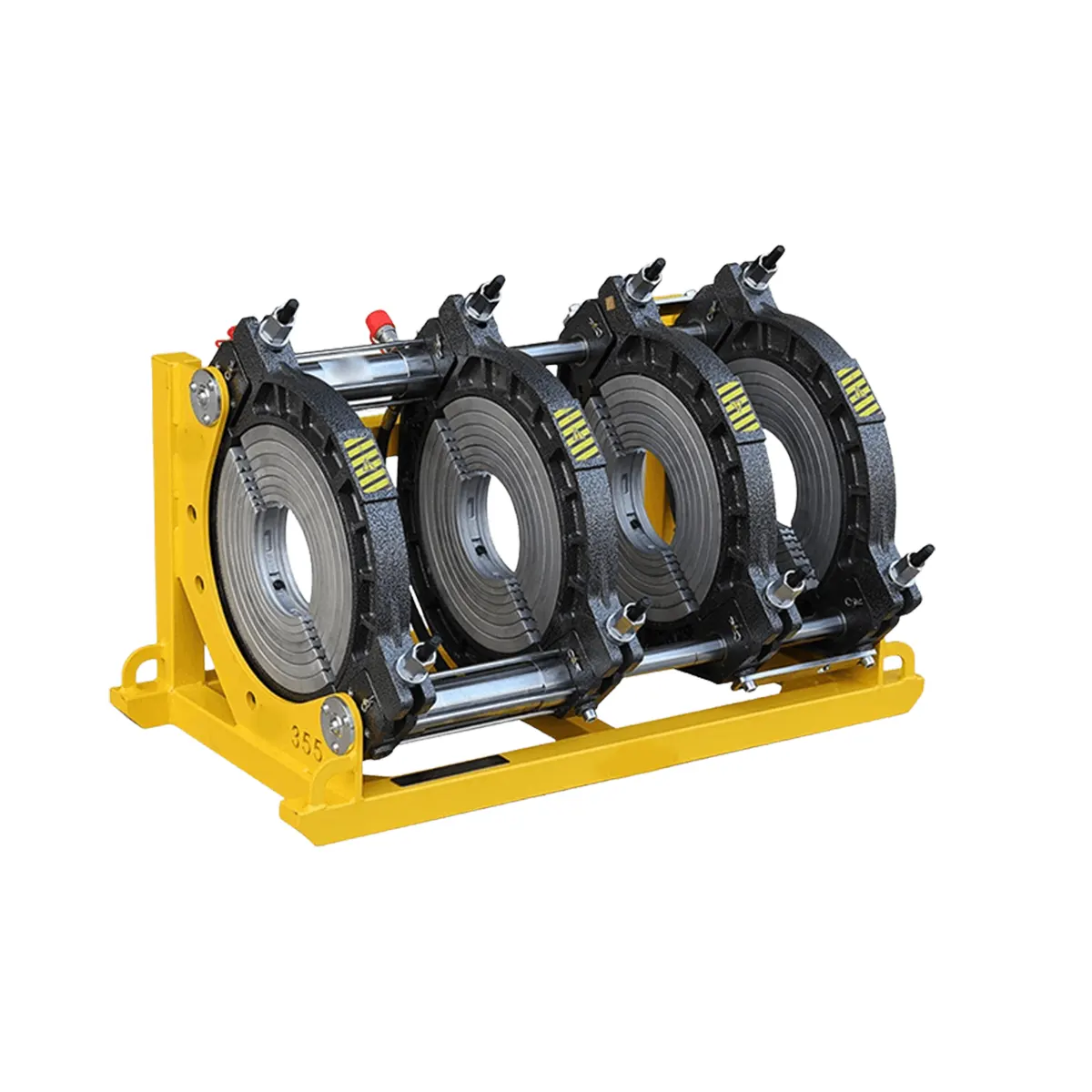
The hydraulic system typically consists of a pump, oil reservoir, pressure control valves, hoses, and quick-connect couplings that interface with the welding machine frame. When you activate the unit, pressurized oil flows to hydraulic cylinders, moving the movable clamp carriage smoothly along the frame. This controlled movement is what makes butt fusion welding equipment capable of producing high-integrity, leak-free joints in water supply, gas distribution, and industrial pipelines.
Key Features of a Quality Hydraulic Unit
Selecting the right hydraulic system requires understanding the features that differentiate professional-grade units from basic alternatives. Below are the critical features that define a reliable HDPE pipe welding machine hydraulic unit.
Precision Pressure Control
Top-tier hydraulic units feature adjustable pressure regulators and accurate gauges that allow operators to dial in the exact force required for different pipe diameters and wall thicknesses. According to the ISO 12176-1 PE butt fusion equipment standard, pressure consistency is vital for achieving proper melt flow and interfacial bonding. Digital control panels on advanced models provide real-time pressure readings, ensuring the weld parameters stay within specification throughout the entire cycle.
Durable Oil Reservoir and Pump Design
A robust hydraulic unit incorporates a sealed oil reservoir with adequate capacity to handle extended welding sessions without overheating. High-efficiency gear pumps deliver smooth flow rates, while built-in filtration systems protect internal components from contamination. The best units use high-grade hydraulic oil and feature easy-access fill ports and sight glasses for quick level checks on the job site.
Quick-Connect Couplings and Hose Management
Field productivity depends on how quickly you can set up and reposition your equipment. Quality hydraulic units include quick-connect fittings that allow fast attachment to the welding frame, minimizing downtime between pipe joints. Reinforced hydraulic hoses with abrasion-resistant jackets ensure reliable performance even in rough terrain conditions typical of pipeline construction sites.
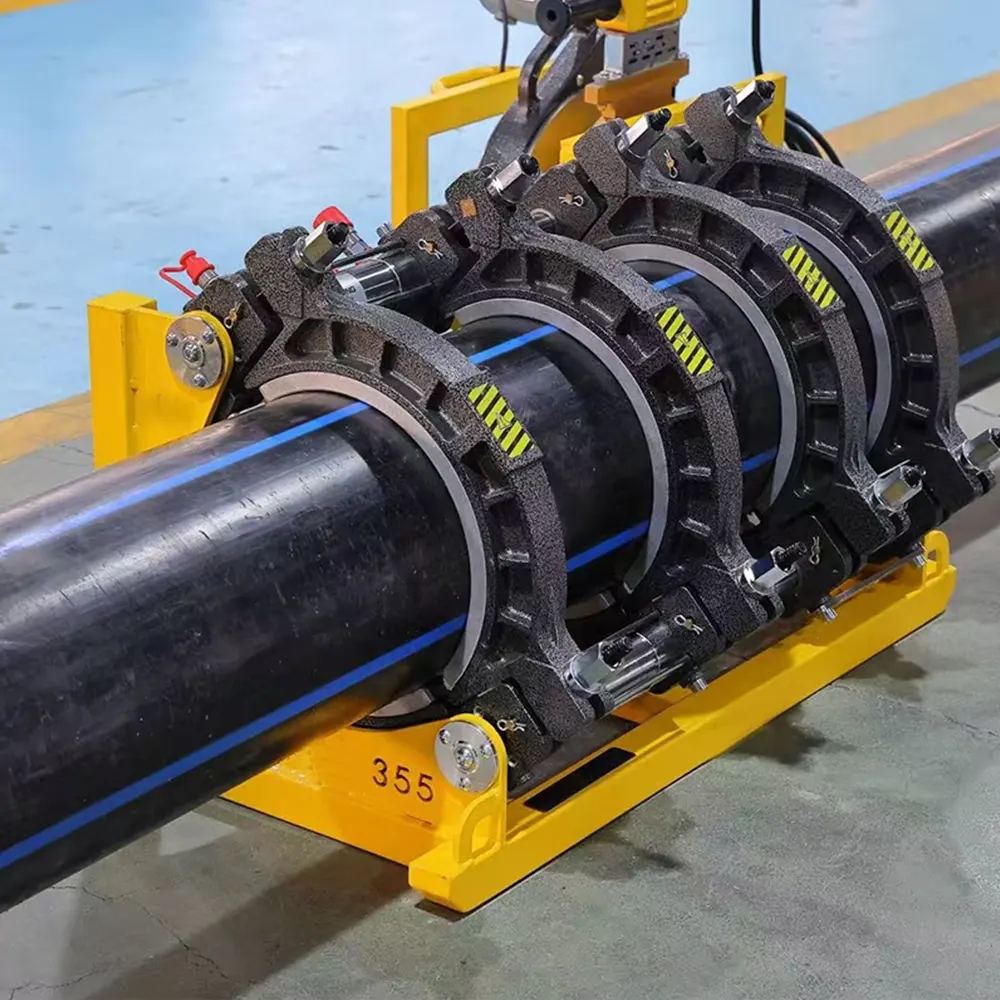
Benefits of Using Hydraulic Power for Butt Fusion
Investing in a HDPE pipe welding machine hydraulic unit brings measurable advantages to your pipeline projects. Here are the primary benefits that contractors and utility companies experience.
Enhanced Welding Consistency
Hydraulic power eliminates the variability inherent in manual operation. Every weld receives the same controlled force, reducing the risk of under-penetration or over-compression that can compromise joint integrity. Following the PPI butt fusion procedure guidelines, hydraulic units help ensure that each joint meets the required bead size and alignment tolerances, resulting in pipeline systems with extended service life.
Reduced Operator Fatigue
Manual welding of large pipes is physically demanding and can lead to inconsistent results over long work shifts. A hydraulic unit handles the heavy lifting, allowing operators to focus on alignment verification and process monitoring. This ergonomic advantage translates to higher daily output and fewer quality issues caused by tired operators, especially on projects involving pipes above 315mm in diameter.
Faster Cycle Times and Higher Productivity
Hydraulic systems accelerate the clamp movement and pressure application phases, shortening the overall welding cycle. For contractors working on tight schedules, this means more joints completed per shift without sacrificing quality. The combination of speed and precision makes hydraulic units the preferred choice for major infrastructure projects where production targets are critical.
How to Choose the Right Hydraulic Unit for Your Projects
Selecting the ideal HDPE pipe welding machine hydraulic unit requires evaluating several project-specific factors. Use the comparison table below as a starting point, then consider the detailed criteria that follow.
| Pipe Diameter Range | Recommended Hydraulic Pressure | Typical Application | Machine Type |
|---|---|---|---|
| 160mm – 355mm | Medium (10–16 MPa) | Water distribution, small gas lines | Compact hydraulic unit |
| 400mm – 800mm | High (16–25 MPa) | Municipal water mains, industrial pipelines | Mid-range hydraulic unit |
| 1000mm – 2250mm | Very High (25+ MPa) | Large-diameter water, mining, and gas transmission | Heavy-duty hydraulic unit with dual pumps |
Pipe Diameter Range and Force Requirements
The larger the pipe diameter and wall thickness, the more clamping and fusion force your hydraulic unit must deliver. Always match the unit’s maximum pressure rating to the largest pipe size in your project scope. Oversizing slightly provides a safety margin and accommodates future project growth. Refer to HDPE pipe fusion equipment guidance from PE100+ for detailed force calculation methods based on pipe dimensions and material grades.
Portability and Job Site Conditions
Consider where your welding will take place. Compact hydraulic units with integrated wheels and lifting eyes are ideal for projects requiring frequent relocation. For remote sites without reliable power, some units offer diesel-powered pump options. The mobile design of modern hydraulic units enables efficient operation across varied terrain, from urban streets to remote cross-country pipeline routes.
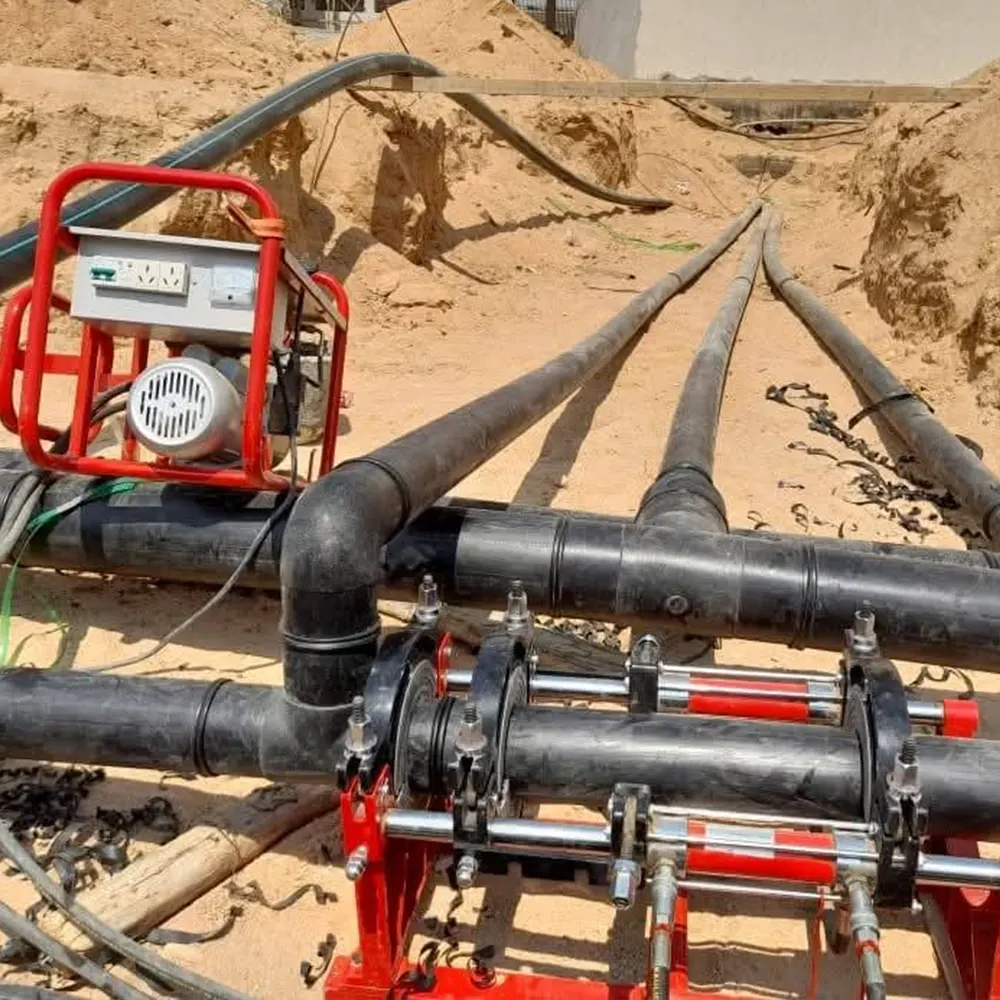
Compatibility with Existing Equipment
If you already own welding frames or carriages, confirm that the hydraulic unit’s coupling type and pressure range are compatible. Many manufacturers offer standardized fittings, but it is wise to verify specifications before purchasing. Modular systems that allow you to pair one hydraulic power unit with multiple frame sizes offer excellent long-term flexibility and cost efficiency.
Maintenance Best Practices for Hydraulic Units
Proper maintenance extends the service life of your HDPE pipe welding machine hydraulic unit and ensures consistent weld quality. Implement these practices into your routine.
- Regular oil checks and changes: Monitor hydraulic oil level before each use and follow the manufacturer’s recommended change intervals to prevent pump wear and valve sticking.
- Filter replacement: Replace hydraulic filters at scheduled intervals to keep contaminants out of the system. Dirty oil is a leading cause of hydraulic component failure.
- Hose and fitting inspections: Check all hoses for cracks, abrasions, or leaks before each project. Damaged hoses can burst under pressure, creating safety hazards.
- Pressure gauge calibration: Verify gauge accuracy periodically against a calibrated reference to ensure your weld parameters remain correct.
- Clean storage: When not in use, cap all quick-connect fittings and store the unit in a dry, protected location to prevent moisture ingress and corrosion.
Frequently Asked Questions
What size hydraulic unit do I need for 630mm HDPE pipes?
For 630mm pipes, a hydraulic unit delivering 16–20 MPa is typically sufficient. The exact requirement depends on wall thickness, but this range covers most standard SDR ratings used in water and gas applications. Always consult the welding machine manufacturer’s pressure chart for your specific pipe specifications.
Can one hydraulic unit power multiple welding frames?
Yes, many hydraulic units are designed to be interchangeable across different frame sizes from the same manufacturer. This modularity allows contractors to invest in one high-quality power unit and use it with frames ranging from 160mm to over 1000mm, maximizing equipment utilization.
How often should hydraulic oil be replaced?
Under normal operating conditions, change hydraulic oil every 12 months or after approximately 1,000 operating hours, whichever comes first. In dusty or high-temperature environments, more frequent changes may be necessary. Always use the oil grade recommended by the equipment manufacturer.
What safety features should a good hydraulic unit include?
Look for units with pressure relief valves, emergency stop buttons, and overload protection. These features protect both the operator and the equipment from dangerous pressure spikes or system malfunctions during the welding process.
Investing in Reliable Welding Equipment
A well-engineered HDPE pipe welding machine hydraulic unit is a long-term investment in your pipeline construction capability. JQ-Fusion is a professional manufacturer specializing in HDPE pipe welding machines, providing reliable butt fusion solutions for global infrastructure projects with hydraulic units that deliver consistent pressure, durable performance, and easy field operation. When you choose equipment backed by rigorous quality assurance and responsive support, you position your projects for success from the first weld to the last.
For additional technical resources, consult the ISO 21307 butt fusion procedures for standardized welding protocols, or explore the PPI Handbook of Polyethylene Pipe for comprehensive technical guidance on HDPE pipe joining methods and equipment selection.



