
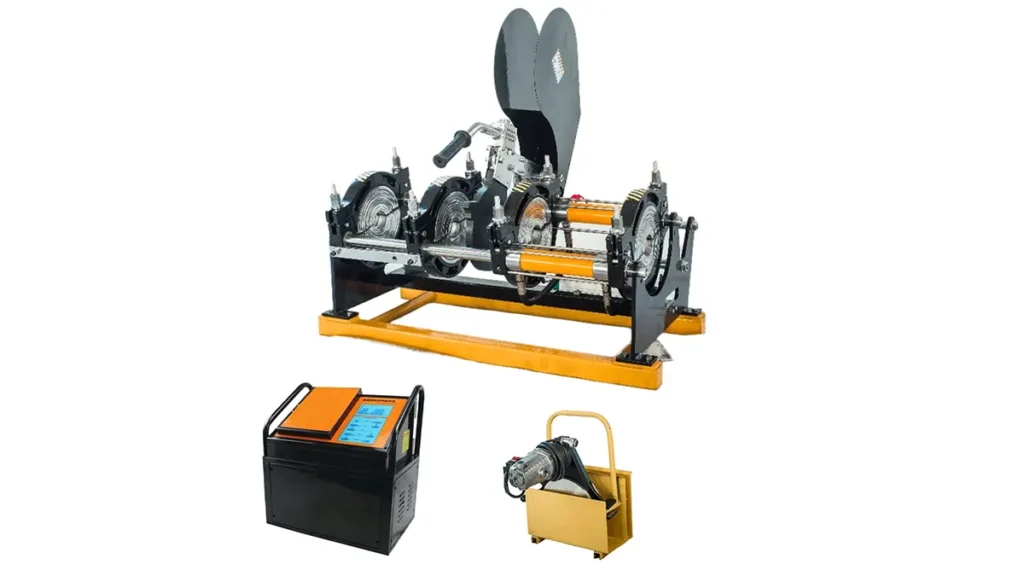
High-density polyethylene (HDPE) piping systems have become the backbone of modern infrastructure, and when it comes to PE100 grade materials, the demands on joint integrity are higher than ever. Achieving strong, leak-free connections starts with selecting the right HDPE pipe welding machine for PE100 applications. Whether you are working on municipal water networks, gas distribution lines, or industrial fluid transport, the quality of your fusion joints directly determines the long-term reliability and safety of the entire pipeline system.
PE100 is a high-performance polyethylene grade characterized by its minimum required strength (MRS) of 10 MPa, offering superior pressure resistance and durability compared to earlier PE80 materials. This advanced material requires precise temperature control, accurate alignment, and consistent fusion pressure — all of which depend on using a properly engineered HDPE pipe welding machine for PE100 that meets international standards.
Understanding PE100 Material and Fusion Requirements
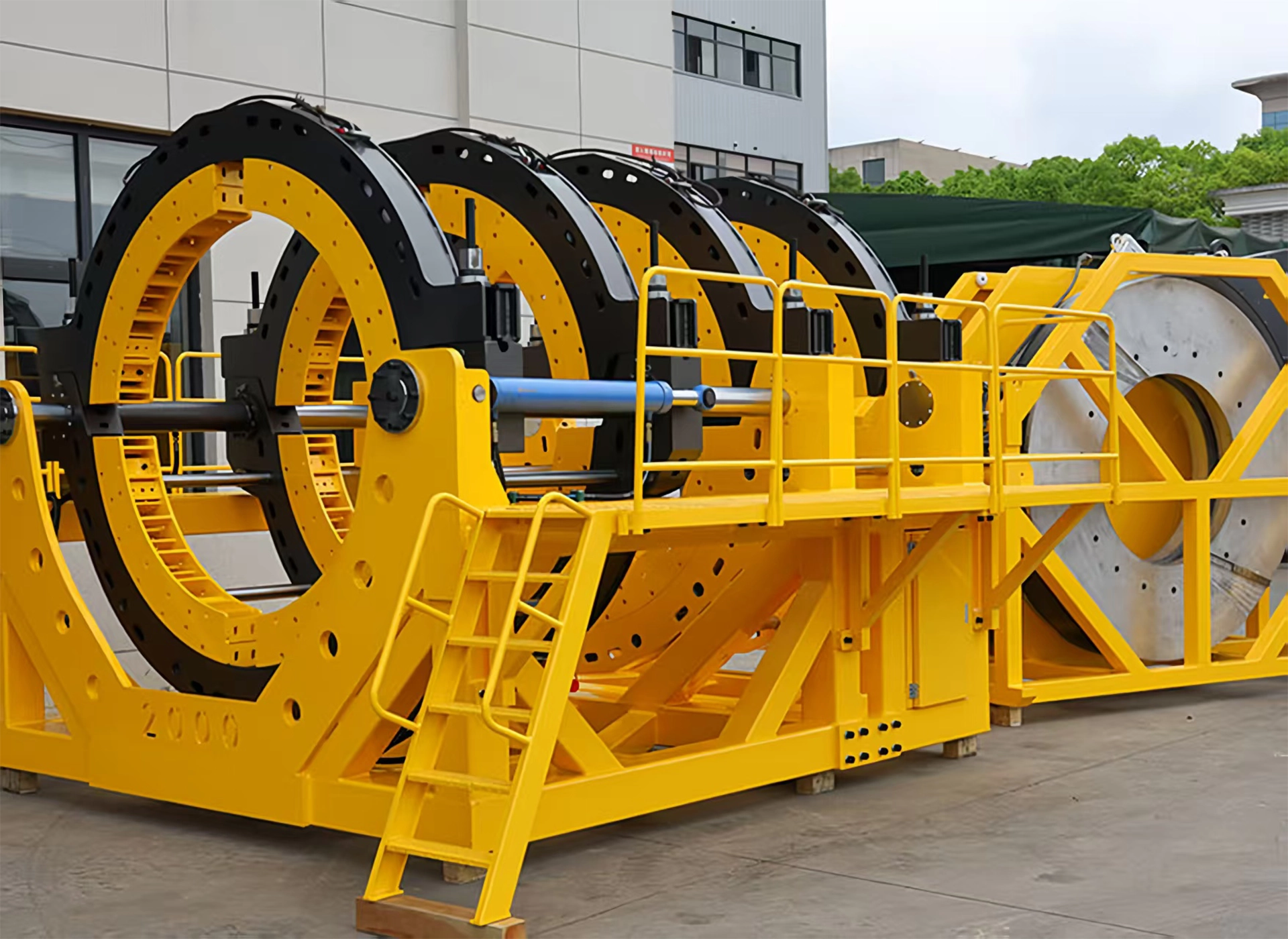
PE100 pipes are engineered for demanding applications where high pressure tolerance and long service life are critical. The butt fusion process for PE100 involves heating the pipe ends under controlled conditions, then applying precise force to create a homogeneous joint. Key parameters that must be managed include:
- Heating plate temperature: Typically maintained at 210°C to 230°C for PE100 materials
- Bead-up pressure and soak time: Critical for proper melt formation at the pipe interface
- Fusion pressure and cooling duration: Determines joint crystallinity and mechanical strength
- Drag pressure compensation: Essential for hydraulic butt fusion welding machines to account for machine resistance
According to ISO 21307 butt fusion procedures, each of these parameters must be carefully calibrated based on pipe diameter, wall thickness, and environmental conditions. A high-quality HDPE pipe welding machine for PE100 incorporates features that help operators consistently meet these strict procedural requirements.
Types of Butt Fusion Welding Machines for PE100 Pipes
Different project scales and site conditions call for different machine configurations. Understanding the available options helps you select equipment that matches your specific operational needs while maintaining weld quality on PE100 materials.
Manual Butt Fusion Welding Machines
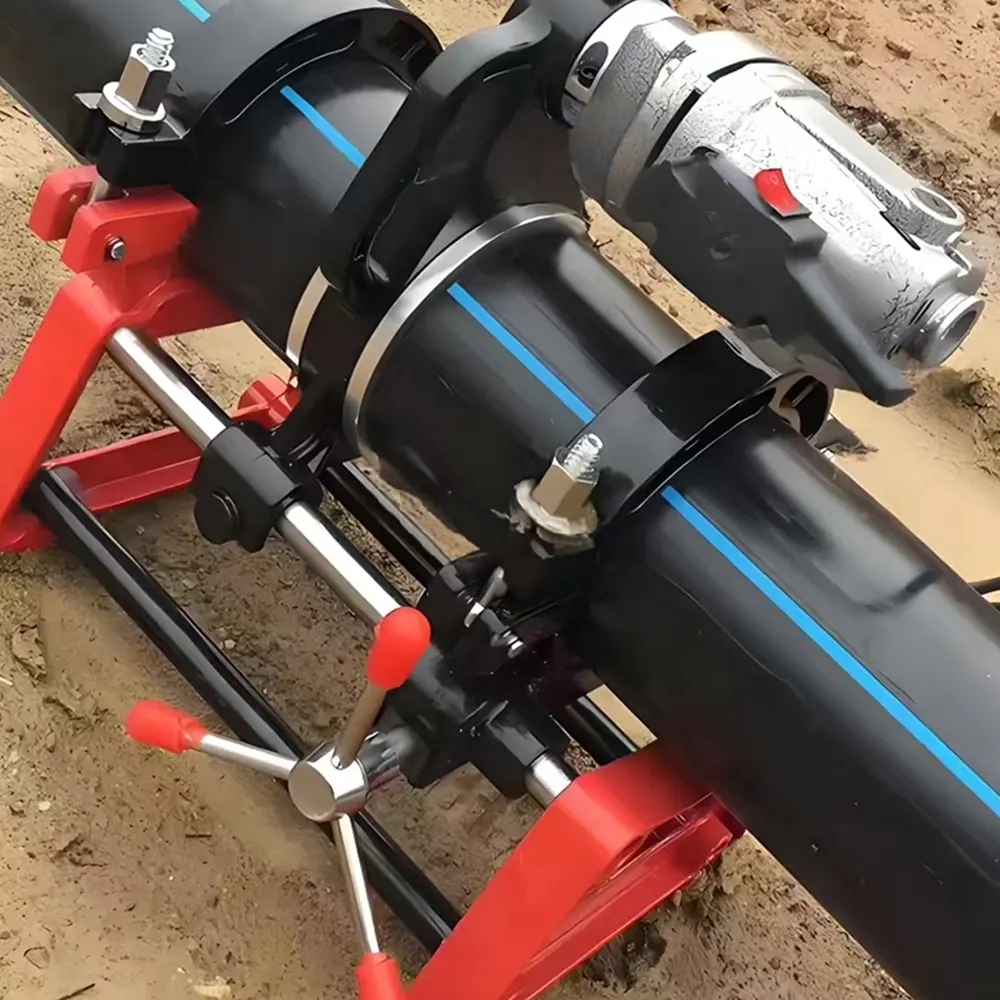
For smaller diameter PE100 pipes, typically ranging from 40mm to 315mm, manual butt fusion welding machines offer a practical and cost-effective solution. These machines require the operator to manually apply fusion pressure through lever mechanisms. They are widely used in residential plumbing, irrigation systems, and small-scale water distribution projects. The simplicity of manual machines makes them easy to transport and maintain, while still delivering reliable joints when operated by trained technicians following proper PE butt fusion procedures.
Hydraulic Butt Fusion Welding Machines
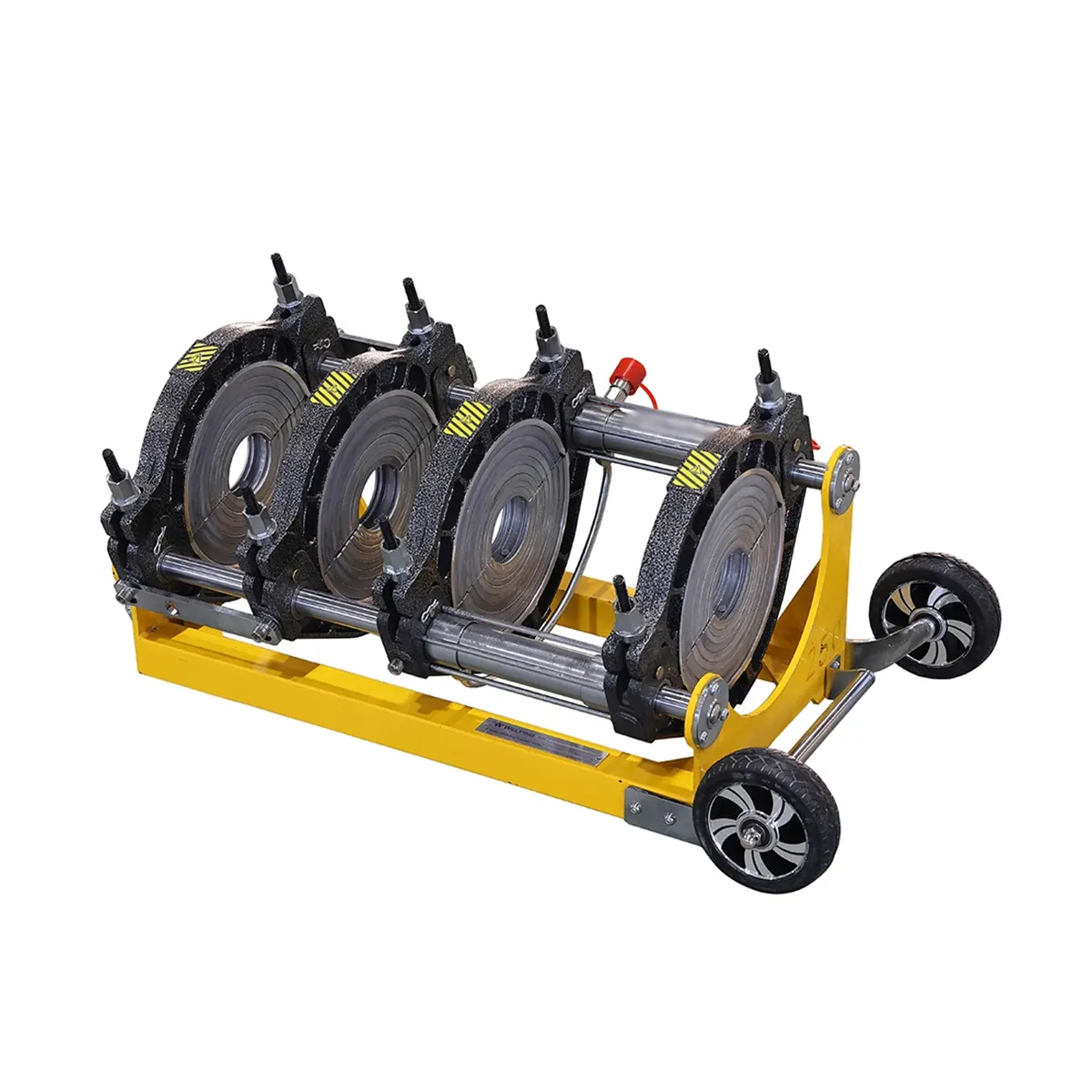
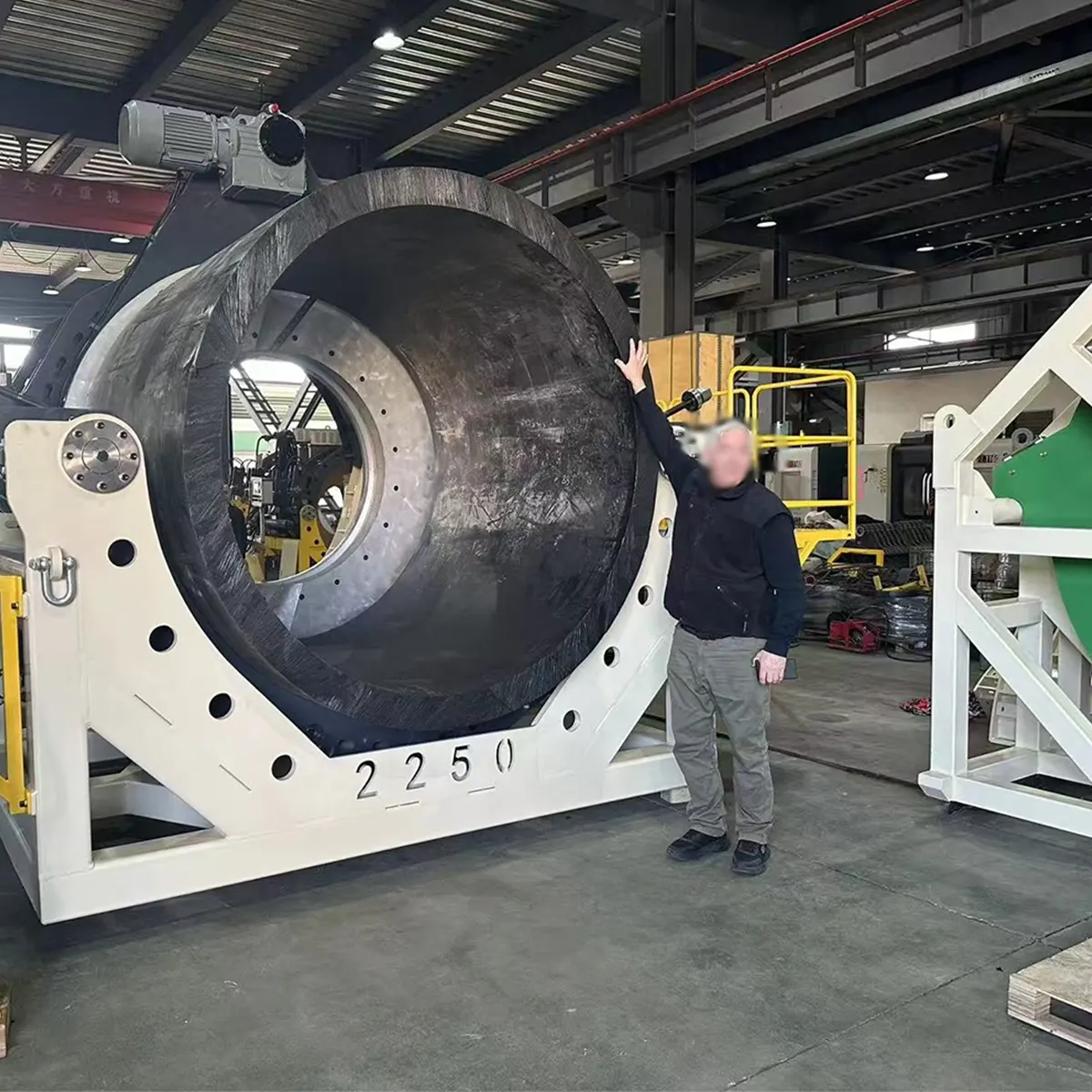
Medium to large diameter PE100 pipelines require hydraulic butt fusion welding machines that can generate the substantial forces needed for proper fusion. These machines use hydraulic cylinders to apply precise, controlled pressure throughout the welding cycle. With capacity ranging from 160mm up to 2500mm, hydraulic machines are the workhorses of major infrastructure projects, including municipal water mains, sewage systems, and large-scale industrial piping. The hydraulic system ensures uniform pressure distribution, which is critical for achieving consistent joint quality across large pipe diameters.
CNC Automatic Butt Fusion Welding Machines
For projects demanding the highest level of precision and traceability, CNC automatic butt fusion welding machines represent the cutting edge of PE100 welding technology. These advanced systems automatically manage all fusion parameters, including temperature monitoring, pressure calculation, and cycle timing. Built-in data logging capabilities record every detail of each weld, providing complete traceability for quality assurance documentation. CNC machines significantly reduce operator dependency and human error, making them ideal for high-stakes applications such as gas distribution networks and nuclear-grade piping systems where weld integrity is non-negotiable.
Key Features to Evaluate in an HDPE Pipe Welding Machine for PE100
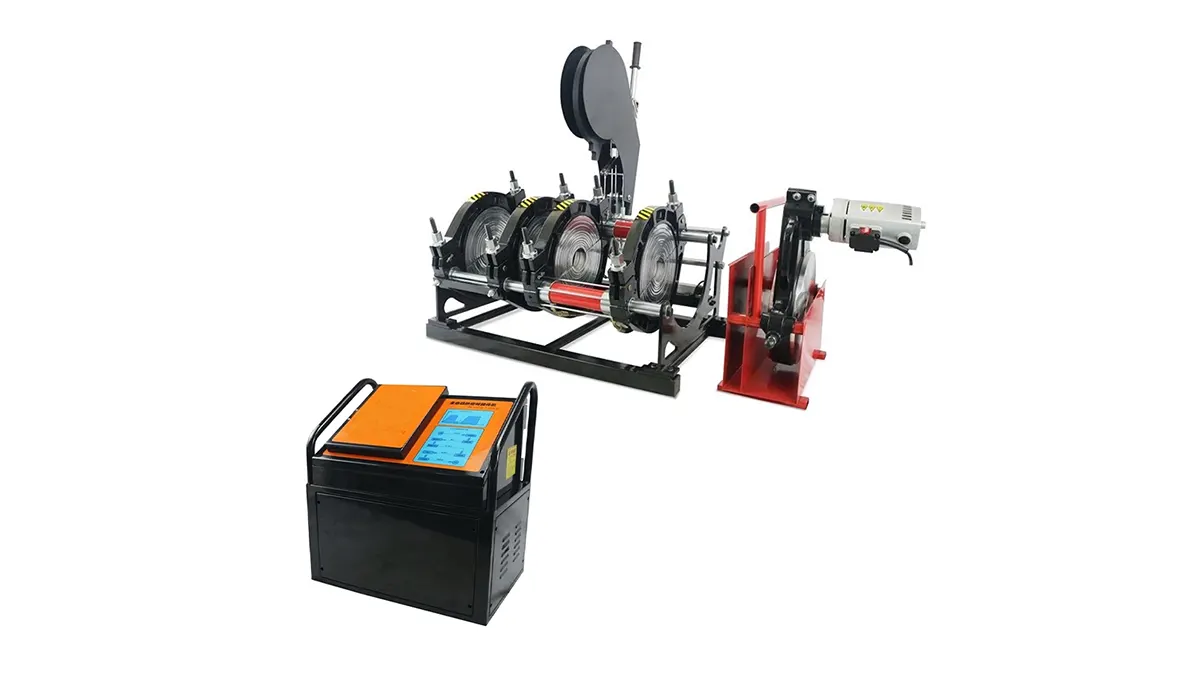
Not all welding machines are built to the same standards. When evaluating a HDPE pipe welding machine for PE100, pay close attention to the following critical features that directly impact weld quality and operational efficiency:
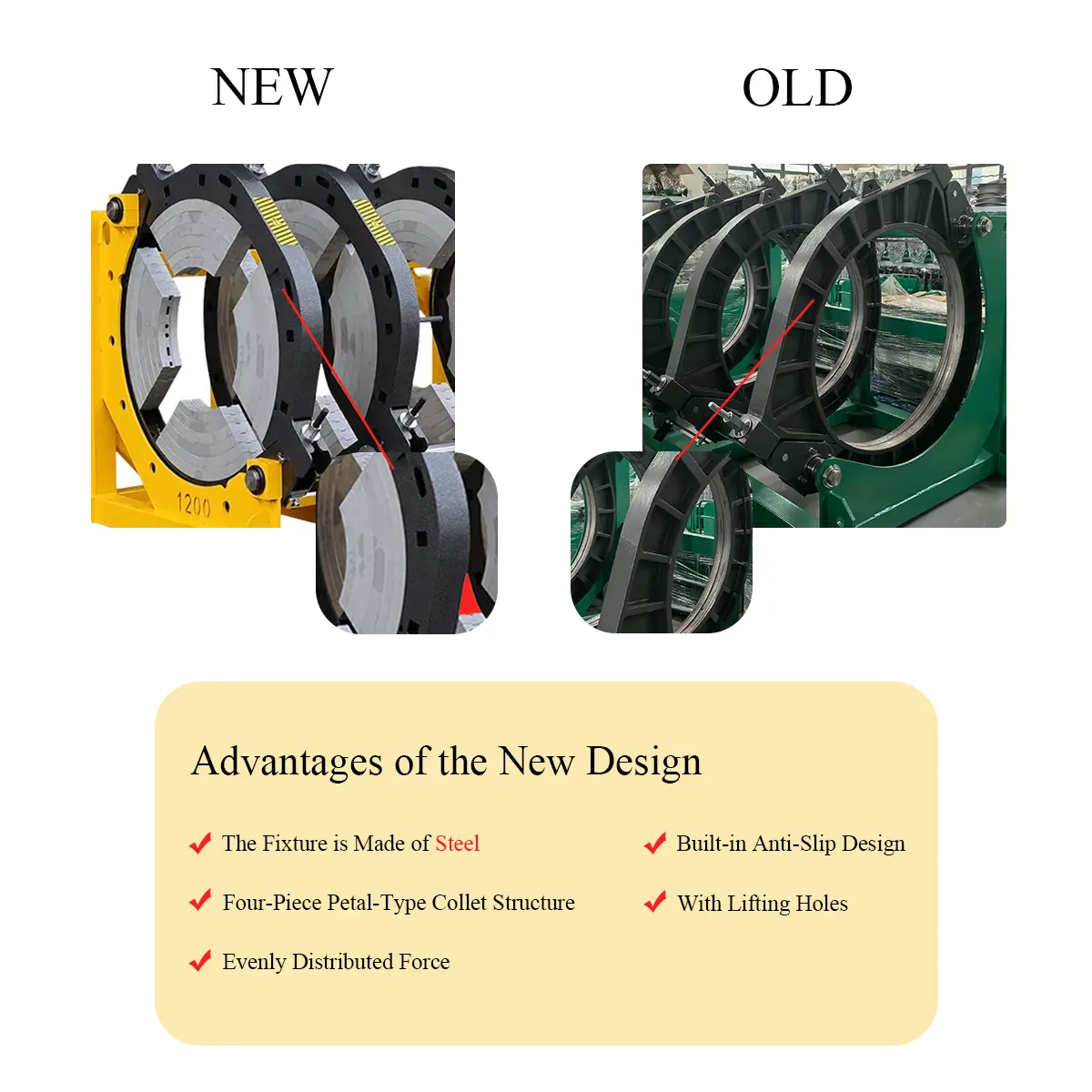
- Precision clamping system: Ensures perfect pipe alignment and prevents slippage during the fusion cycle, which is essential for PE100’s tighter tolerance requirements
- Digital temperature control: Maintains heating plate surface temperature within ±5°C to prevent under-heating or thermal degradation of PE100 material
- High-performance trimmer: Produces clean, parallel pipe end faces that are critical for achieving full contact and uniform melt flow during fusion
- Robust frame construction: Steel or aluminum alloy frames that resist deformation under high clamping and fusion forces
- Non-stick coated heating plate: PTFE or similar coating prevents PE100 material adhesion and ensures clean release after each weld cycle
- Pressure regulation capability: Allows operators to set and maintain fusion pressure according to pipe SDR and material specifications
Industry Applications for PE100 Welding Equipment
The versatility of PE100 piping and the reliability of modern HDPE pipe welding machines for PE100 have driven adoption across numerous sectors. Below is an overview of key application areas and their specific requirements:
| Application Sector | Typical Pipe Range | Recommended Machine Type |
|---|---|---|
| Municipal Water Supply | 90mm – 1200mm | Hydraulic / CNC Automatic |
| Gas Distribution Networks | 63mm – 630mm | CNC Automatic with Data Logging |
| Mining & Slurry Transport | 160mm – 1000mm | Hydraulic |
| Industrial Chemical Processing | 50mm – 500mm | Manual / Hydraulic |
| Irrigation & Agriculture | 32mm – 315mm | Manual |
| Sewage & Wastewater Systems | 200mm – 2000mm | Hydraulic / CNC Automatic |
Each of these sectors relies on PE pipe fusion standards to ensure joint performance meets regulatory and safety requirements. Selecting the appropriate machine type for your application is the first step toward achieving long-term, maintenance-free pipeline performance.
Standards and Compliance for PE100 Butt Fusion Welding
International standards govern every aspect of PE100 butt fusion, from equipment specifications to operator qualifications. Adhering to these standards is not optional—it is a fundamental requirement for ensuring joint integrity and project acceptance. Key standards that apply to HDPE pipe welding machines for PE100 include:
- ISO 21307: Defines butt fusion jointing procedures for PE piping systems, including single pressure, dual pressure, and dual low-pressure protocols
- ISO 12176-1: Specifies requirements for PE butt fusion equipment, covering heating plate design, trimmer performance, and clamping force specifications
- ASTM F2620: Covers heat fusion joining of PE pipe and fittings with detailed procedural steps widely adopted in North American markets
Compliance with these standards ensures that your welding equipment is capable of producing joints that meet the rigorous demands of PE100 applications. Additionally, reference resources such as the PPI Handbook of Polyethylene Pipe provide comprehensive guidance on PE pipe joining procedures and best practices for field operations.
Choosing the Right Welding Machine Partner
Beyond the machine specifications themselves, the reliability of your equipment supplier plays a crucial role in project success. JQ-Fusion is a professional manufacturer specializing in HDPE pipe welding machines, providing reliable butt fusion solutions for global infrastructure projects. When evaluating suppliers, consider factors such as manufacturing quality, after-sales support, spare parts availability, and the supplier’s understanding of PE100-specific welding requirements. A partner with deep industry knowledge can help you select the optimal machine configuration, provide operator training resources, and ensure your equipment maintains peak performance throughout its service life.
Best Practices for PE100 Butt Fusion Success
Achieving consistently strong, leak-free joints on PE100 pipes requires more than just quality equipment. Follow these best practices to maximize the performance of your HDPE pipe welding machine for PE100:
- Pre-weld inspection: Clean pipe ends thoroughly, verify ovality is within acceptable limits, and ensure the fusion area is protected from wind, dust, and moisture
- Parameter verification: Confirm that heating plate temperature, fusion pressure, and cycle times are set according to the pipe manufacturer’s specifications and the relevant butt fusion welding standard
- Trimmer maintenance: Keep trimmer blades sharp and properly adjusted to produce clean, square pipe end faces — a critical factor for PE100 materials that are more sensitive to surface preparation
- Cooling discipline: Never disturb the joint during the cooling phase, as premature movement can introduce stress concentrations that compromise PE100 joint integrity
- Documentation: Record weld parameters for every joint, including date, operator, machine settings, and environmental conditions, to support quality assurance and troubleshooting
By combining a properly specified HDPE pipe welding machine for PE100 with rigorous operational discipline, contractors and utilities can confidently deliver pipeline systems that perform reliably for decades. The investment in quality equipment and proper training pays dividends through reduced leak rates, lower maintenance costs, and enhanced public safety across water, gas, and industrial networks.



