
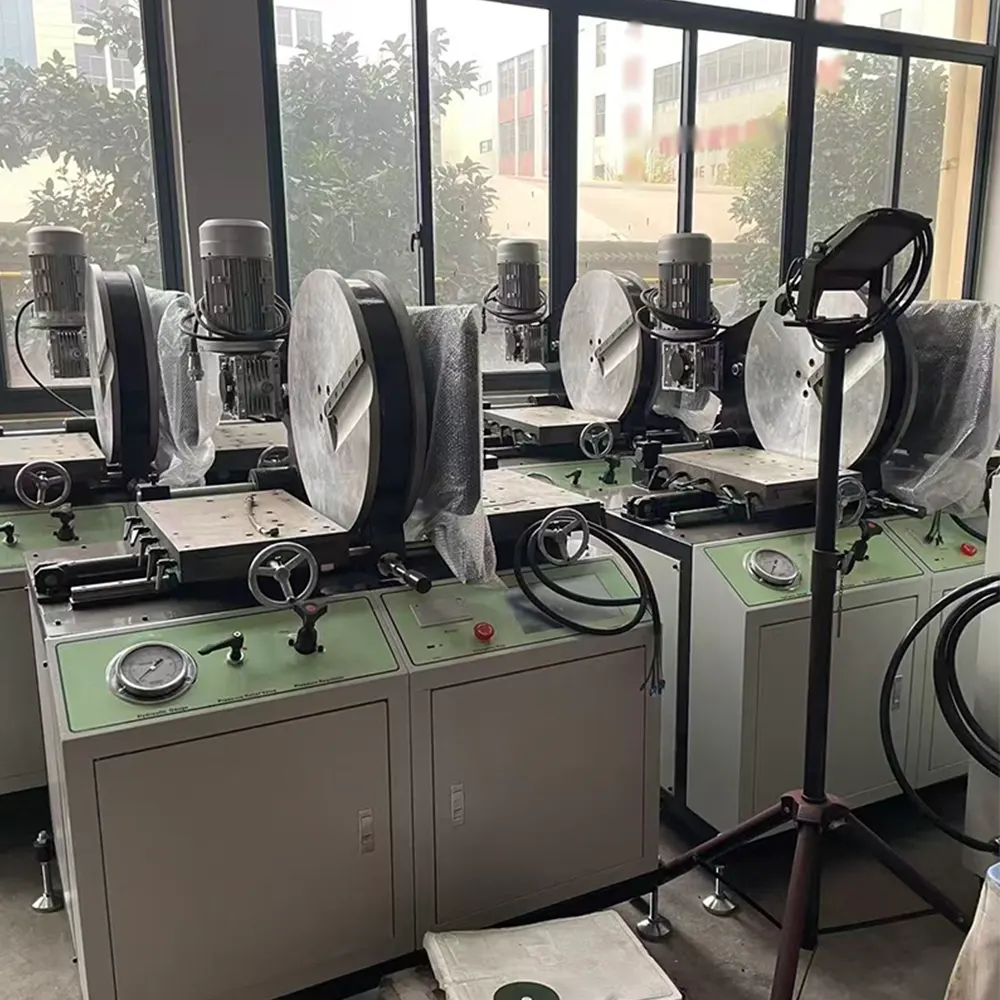
Selecting the right pipe welding machine for sewage pipelines is critical for ensuring leak-free joints, long-term durability, and compliance with municipal standards. Whether you are installing gravity sewers, force mains, or treatment plant piping, the welding equipment must handle HDPE and other polyolefin materials with precision. This guide covers the main types, key features, and what to look for when investing in a pipe welding machine for sewage pipelines.
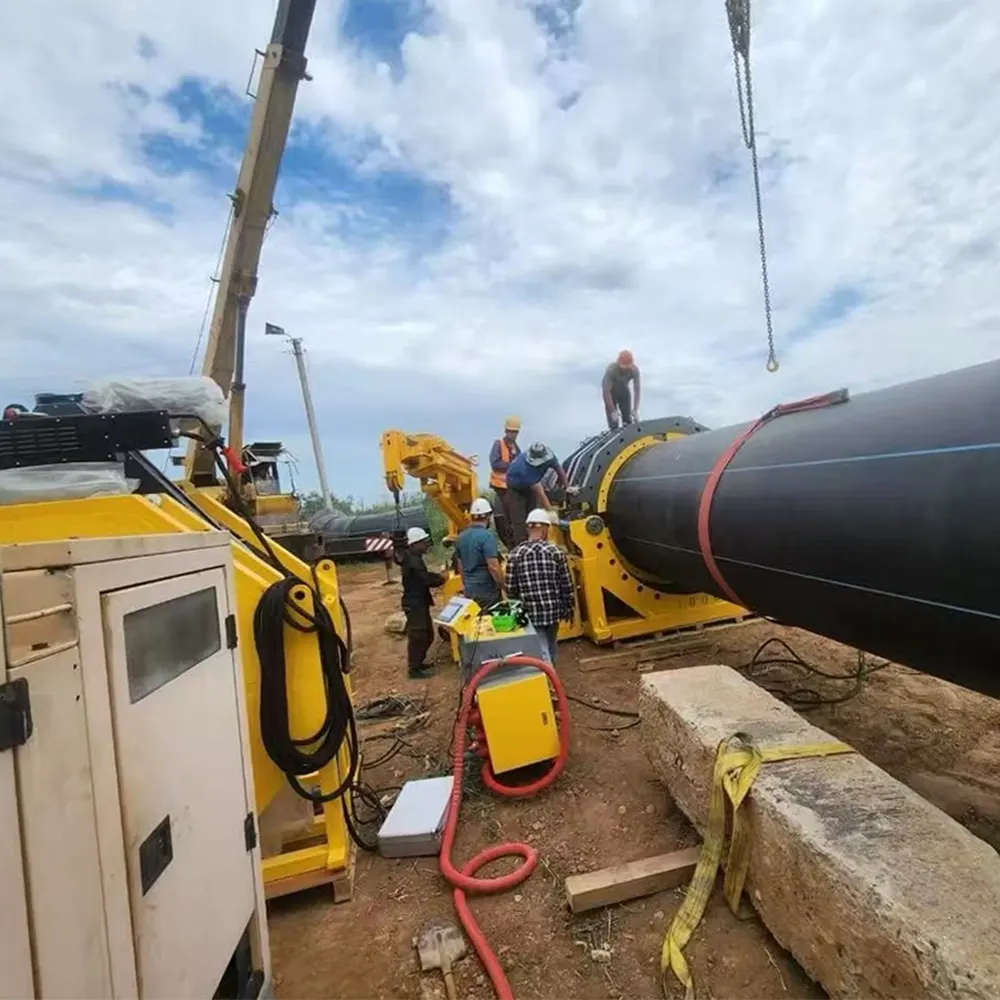
Types of Pipe Welding Machines for Sewage Applications
Sewage pipeline projects demand different welding technologies depending on pipe diameter, wall thickness, and job site conditions. Below are the three primary categories of pipe welding machine for sewage pipelines available today.
Hydraulic Butt Fusion Welding Machines
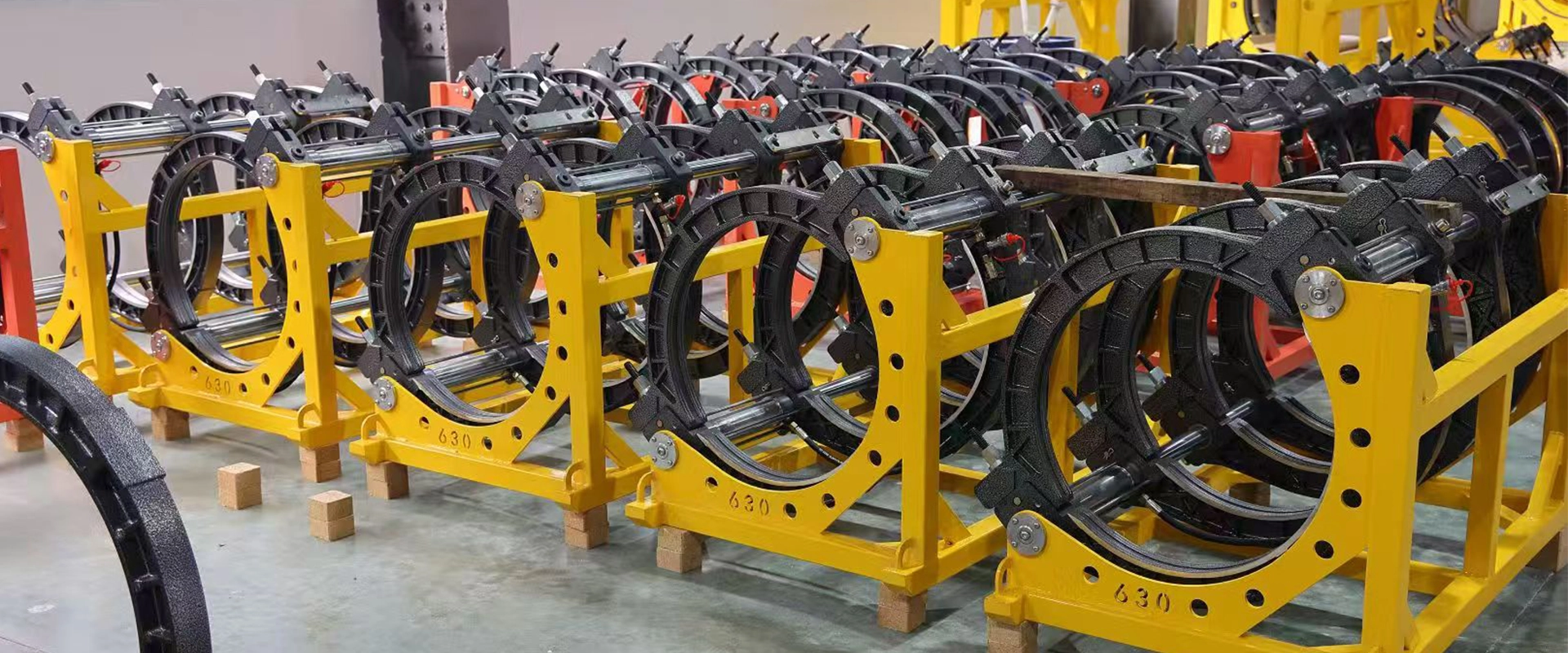
Hydraulic models are the workhorses for medium to large-diameter sewage pipes. They use hydraulic power to control the facing, heating, and fusion stages with high repeatability. These machines typically handle diameters from 200mm up to 2250mm and beyond, making them ideal for main sewer trunk lines and interceptors. The hydraulic butt fusion machine range offers adjustable pressure settings that conform to ISO 21307 butt fusion procedures, ensuring every joint meets engineering specifications.
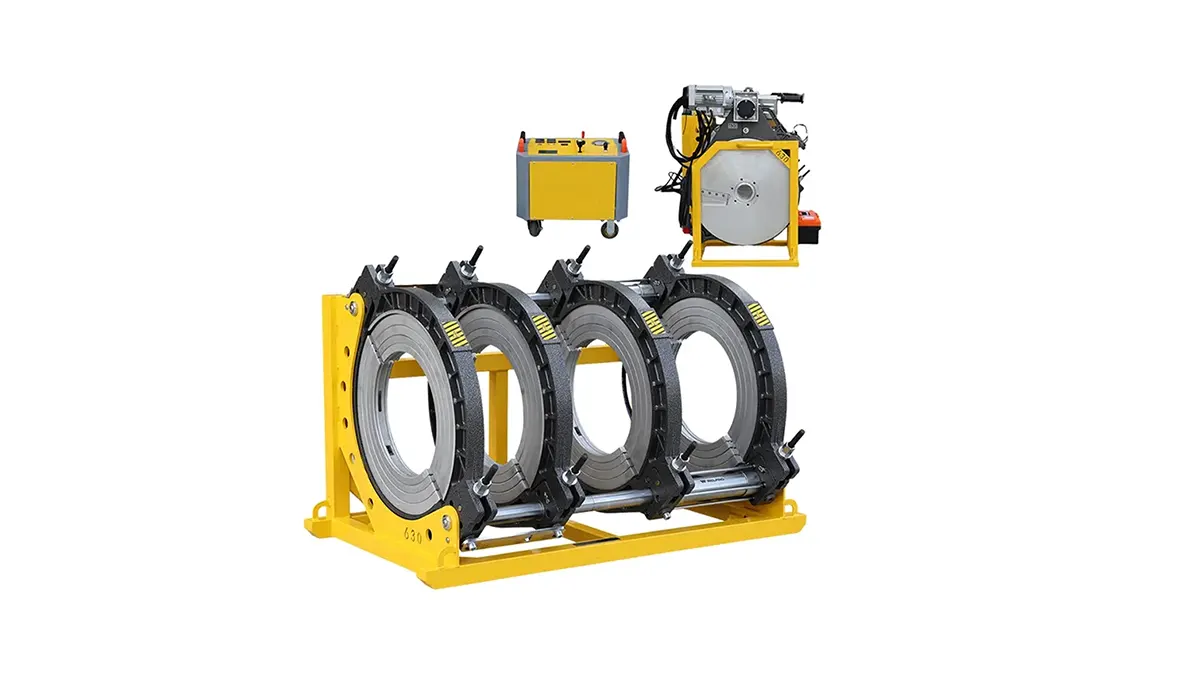
CNC Automatic Butt Fusion Welding Machines
For contractors handling large-scale sewage projects with strict weld documentation requirements, CNC automatic machines eliminate operator variability. These systems log temperature, pressure, and time data for every joint, creating a traceable record that aligns with PE fusion traceability standards. The CNC automatic butt fusion welding machine line supports pipe sizes from 160mm to 630mm and is particularly effective in plant and yard fabrication environments where consistency is paramount.
Manual Butt Fusion Welding Machines
Manual machines provide a cost-effective solution for smaller diameter sewer laterals, service connections, and repair work. Ranging from 63mm to 315mm, these lightweight manual butt fusion machines are easy to transport and set up in trenches or confined spaces. While they require skilled operators, adherence to the ASTM F2620 heat fusion standard ensures reliable joints when proper procedures are followed.
Key Features to Evaluate
When comparing a pipe welding machine for sewage pipelines, focus on these technical attributes that directly influence weld quality and productivity:
| Feature | Why It Matters for Sewage Pipelines |
|---|---|
| Heating Plate Temperature Accuracy | Precise temperature control (±5°C) prevents cold welds or material degradation, critical for PE sewage pipes under hydrostatic pressure. |
| Clamp Alignment and Rigidity | Misalignment causes stress points and premature failure. Look for machined aluminum clamps with minimal axial deviation. |
| Facing Tool Performance | Clean, parallel pipe ends are essential for uniform fusion. Dual-blade rotary facers deliver consistent surface preparation. |
| Data Logging and Reporting | For municipal sewer contracts, automated data recording supports heat fusion operator qualification and inspection sign-off. |
| Durability in Trench Conditions | Sewer construction environments are harsh. Powder-coated frames and corrosion-resistant hydraulics extend service life. |
Application-Specific Considerations
Sewage piping systems often involve multi-angle fittings, branch saddles, and segmented bends that require specialized welding equipment beyond standard butt fusion. Multi-angle pipe fitting machines address these complex configurations by allowing precise angular adjustments for fabricating wyes, elbows, and tees. When planning your toolkit, assess whether the pipe welding machine for sewage pipelines you choose can integrate with complementary equipment for PPI saddle fusion procedure work or what is PE electrofusion tie-ins.
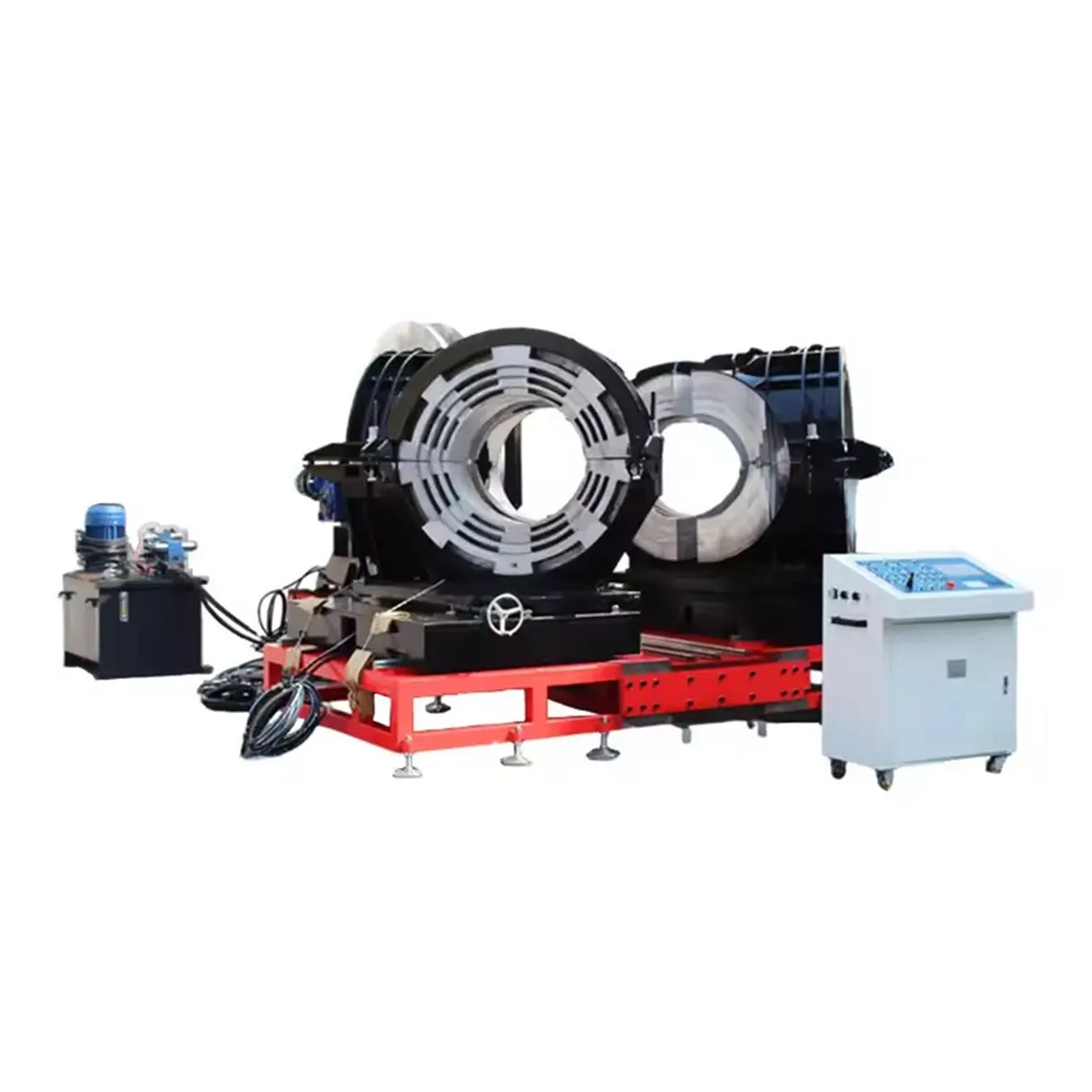
Standard Compliance and Operator Requirements
Regulatory compliance is non-negotiable in sewage infrastructure. Your pipe welding machine for sewage pipelines must operate within the parameters defined by international and regional standards. Key documents to reference include the PE butt fusion equipment standard (ISO 12176-1) and the PPI butt fusion procedure. Additionally, many project specifications require operators to hold valid fusion certifications. Investing in equipment that facilitates proper technique — and pairing it with trained personnel — significantly reduces the risk of joint failure in service.
Choosing the Right Supplier
A reliable pipe welding machine for sewage pipelines is only as good as the support behind it. Look for manufacturers with a proven track record in infrastructure projects, comprehensive spare parts availability, and responsive technical assistance. JQ-Fusion is a professional manufacturer specializing in HDPE pipe welding machines, providing reliable butt fusion solutions for global infrastructure projects including water supply, gas distribution, and large-scale sewage pipeline networks. With products covering manual, hydraulic, and CNC automatic models from small to large diameters, they offer customizable solutions to fit specific project requirements.
Quick Buying Checklist
- Pipe diameter range: Match machine capacity to your largest and most frequent pipe sizes in sewer projects.
- Power source: Confirm compatibility with on-site generators or mains electricity, especially for remote sewer installations.
- Portability: Consider frame design and lifting points for trench-side deployment on sewage pipeline routes.
- After-sales service: Verify warranty terms, spare parts availability, and whether the supplier offers on-site training for sewer contractors.
- Certification support: Ensure the equipment meets the PE pressure pipe standard for your region’s sewage authority requirements.
Maintaining Your Welding Machine for Long-Term Performance
Sewage pipeline construction exposes welding equipment to moisture, mud, and abrasive conditions. Regular maintenance of the heating plate non-stick coating, hydraulic oil changes, and calibration checks keep your pipe welding machine for sewage pipelines performing accurately. Follow the PE pipe joining procedures outlined in the PPI Handbook for both equipment care and joint inspection protocols to maximize the lifespan of your investment.
Ultimately, the best pipe welding machine for sewage pipelines balances robust construction, precise control, and compliance with the standards that govern your market. By matching machine type to application requirements and prioritizing features like data logging and clamp quality, you position your sewage pipeline projects for success — from installation through decades of reliable service.



