
Benin’s rapid push to upgrade water distribution, irrigation and sanitation networks makes reliable HDPE pipe welding solutions essential. Contractors and municipal teams need durable, leak-free joints for pipelines that withstand coastal humidity, seasonal floods and long-term soil movement. This guide explains how the right HDPE pipe welding machines support successful pipe fusion projects across Benin—from Cotonou to rural communes—helping local teams deliver safe, low-maintenance networks.
Why Butt Fusion for Benin’s Pipeline Projects?
Butt fusion creates homogeneous joints with no foreign materials, offering superior resistance to corrosion, root intrusion and soil stress—key advantages for Benin’s tropical coastal plains and agricultural zones. For community water supply, irrigation canals and stormwater systems, HDPE welded joints reduce leak risks and lower lifecycle costs compared with mechanical couplings or adhesives.
Local Benefits at a Glance
Reliability: Consistent fusion results reduce emergency repairs in remote areas.
Mobility: Compact manual and hydraulic units allow field teams to weld along rural roads and farm plots.
Scalability: Automatic and CNC models speed up large urban projects in Cotonou and Porto-Novo.
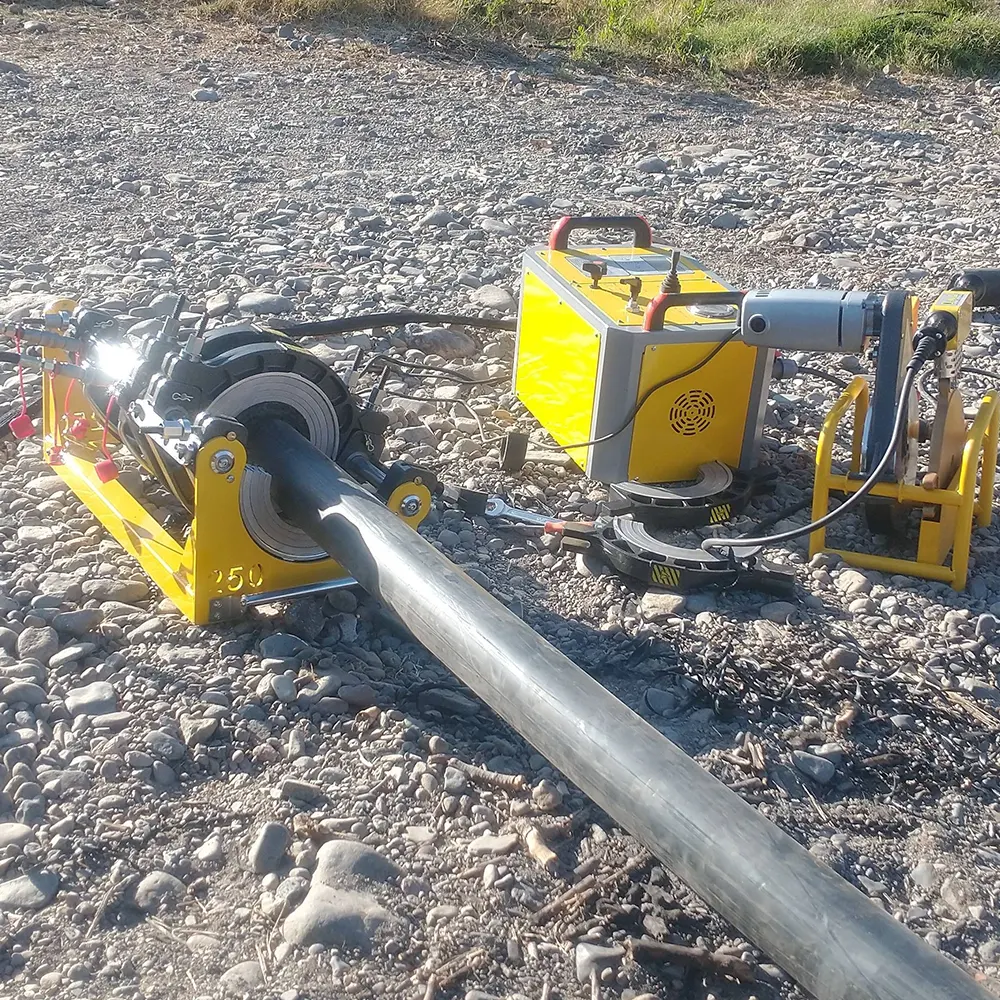
Choosing the Right HDPE Pipe Welding Machine
Selection depends on pipe diameter, project scale and site access. Below is a compact comparison to help Benin-based engineers and contractors pick the optimal fusion equipment for water, sanitation, irrigation or industrial piping.
| Machine Type | Pipe Range | Advantages | Best For |
|---|---|---|---|
| Manual Butt Fusion | 25–315 mm | Lightweight, low cost, easy transport | Small rural repairs and community projects |
| Hydraulic Butt Fusion | 63–800 mm | Higher clamping force, consistent results | Regional mains and municipal networks |
| Automatic / CNC Butt Fusion | 160–1600+ mm | High throughput, data recording, minimal operator error | Large urban and industrial pipeline installations |
Key Features to Prioritize
Clamping accuracy: Proper alignment prevents weak welds in high-pressure mains.
Heater quality: Uniform heating plates reduce cold or over-heated fusion zones.
Portability & power: Battery or hydraulic power options matter for off-grid sites and long trench lines.
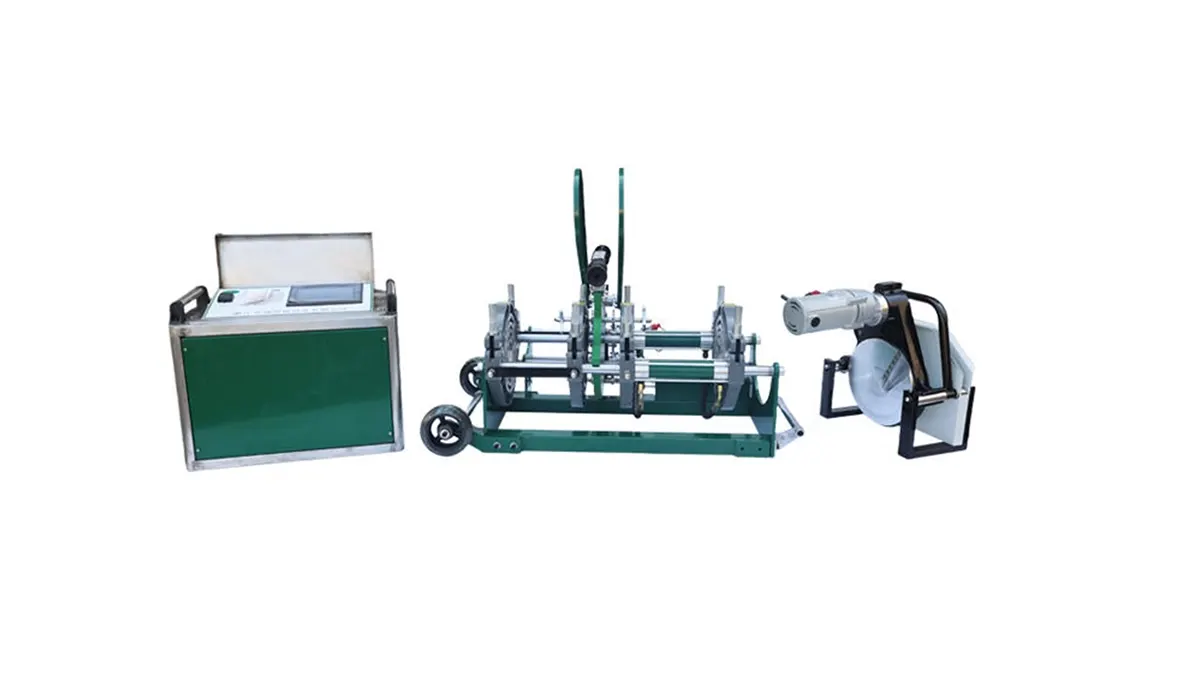
Training, Certification and On-site Support in Benin
Successful fusion requires trained operators. Local contractors should invest in hands-on training covering fusion parameters, equipment maintenance and joint inspection. For public tenders and donor-funded projects, insist on documented weld logs and quality reports that show temperature, pressure and timing—this improves acceptance by utilities and NGOs active in Benin.
Standards, Safety and Documentation
Follow internationally recognized fusion procedures (ISO or equivalent) and keep clear weld traceability for each joint. Safety protocols—proper personal protective equipment, safe handling of hot plates and secure clamping—are essential, particularly on crowded urban sites in Cotonou and coastal towns.
Preparing for Procurement and Deployment
When budgeting for a pipeline project, include spare heater plates, cutting/trimming tools, transport frames and training days. For long-term programs, consider a mix of manual units for remote fieldwork and hydraulic or automatic machines for high-volume sections to maximize efficiency.
About JQ-Fusion: JQ-Fusion is a professional manufacturer specializing in HDPE pipe welding machines, offering a range of manual, hydraulic and automatic butt fusion solutions to meet diverse infrastructure needs worldwide. For specifications, models and export information visit https://jq-fusionwelding.com/.
If you are planning HDPE pipeline work in Benin—whether for municipal water, irrigation or industrial uses—select equipment that balances portability, reliability and documentation. Well-chosen machines plus trained teams ensure durable pipe fusion that serves communities for decades.



