
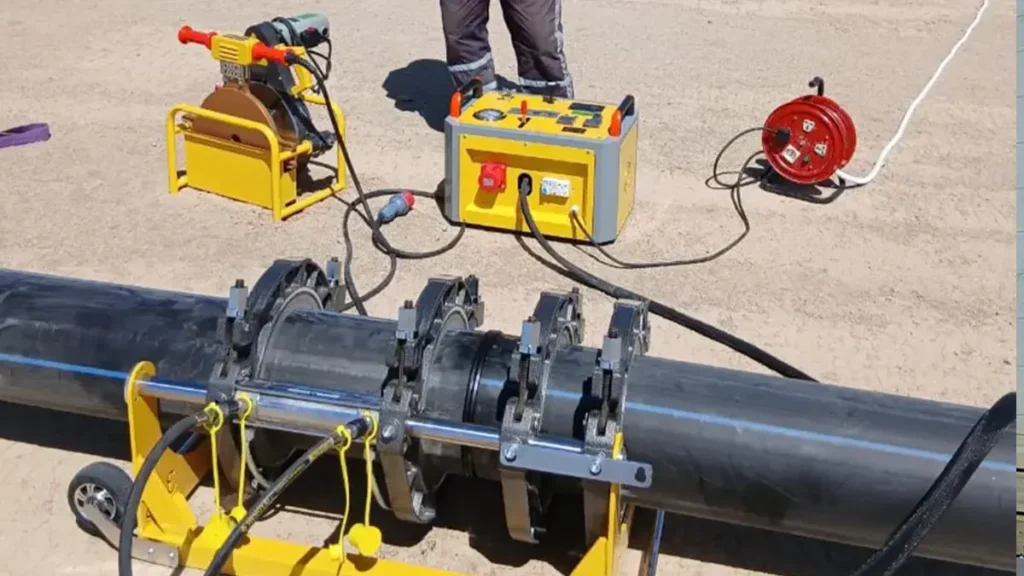
HDPE pipe networks are increasingly chosen across Yemen for water distribution, sanitation, gas lines and industrial pipelines because of their corrosion resistance, flexibility and long service life. For contractors, municipal authorities and international NGOs working in Yemen’s coastal, urban and remote desert regions, reliable butt fusion welding equipment is essential to achieve leak-free joints under challenging site conditions.
Why HDPE Butt Fusion Works Well in Yemen
Butt fusion creates homogenous, high-strength joints ideal for Yemen’s varied environments — from humid coastal zones around Aden to arid inland projects. HDPE piping resists chemical corrosion from saline soils, tolerates ground movement in seismic areas, and delivers low-maintenance performance for long-term water and gas systems.
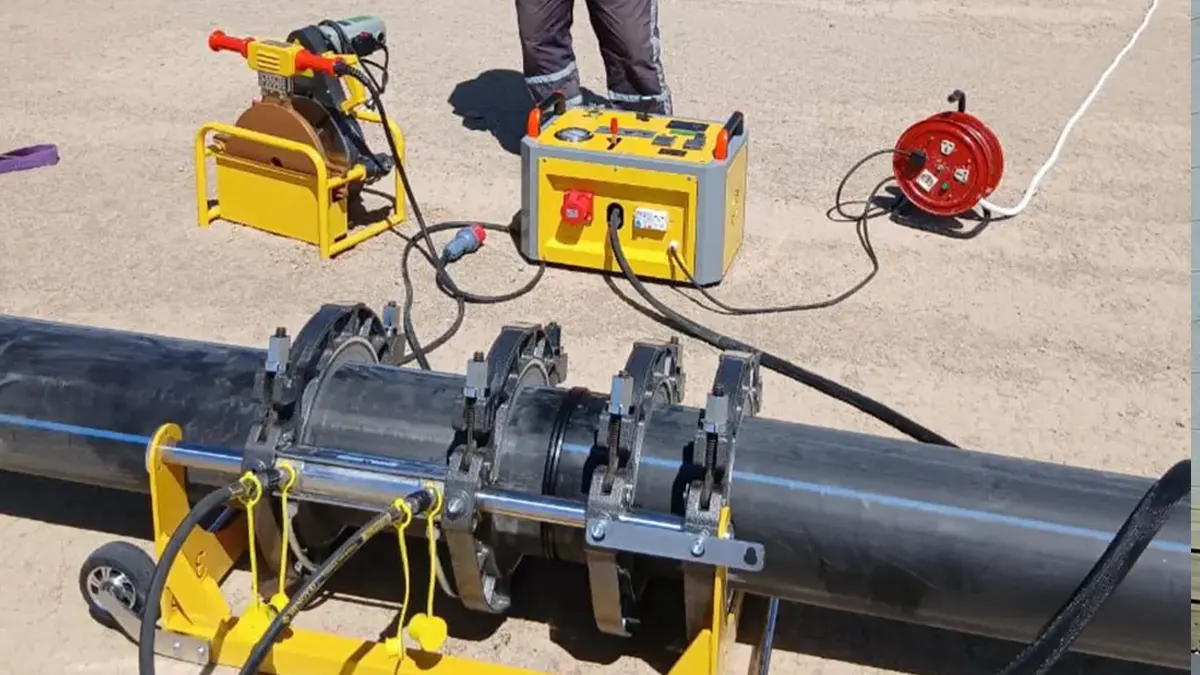
Equipment Types Suitable for Yemeni Projects
Choose equipment based on project scale and site realities. Manual machines are economical for small village networks; hydraulic units suit medium-to-large mains; CNC automatic systems deliver precision for long pipeline runs and contract work. Consider portability for remote mountain or desert sites and robust protection against dust and heat.
Quick Comparison
| Model Category | Pipe Range | Best For | Key Benefit |
|---|---|---|---|
| Manual Butt Fusion | 20–250 mm | Small repairs, rural installations | Lightweight, portable |
| Hydraulic Butt Fusion | 160–1250 mm | Urban mains, utility contractors | Stable clamping, higher force |
| CNC Automatic Machines | 315–2250 mm | Large pipelines, long runs | Precision welding, data logging |
Selecting the Right Machine for Yemen
When specifying welding equipment for Yemen, evaluate these factors:
- Pipe diameters and wall thickness — match machine clamping capacity and heating plate size.
- Power supply — diesel generator compatibility and voltage stability for field sites.
- Mobility — rugged frames and transportable kits for mountain and island deployments.
- Environmental protection — dust seals, corrosion-resistant materials, and cooling considerations in high temperatures.
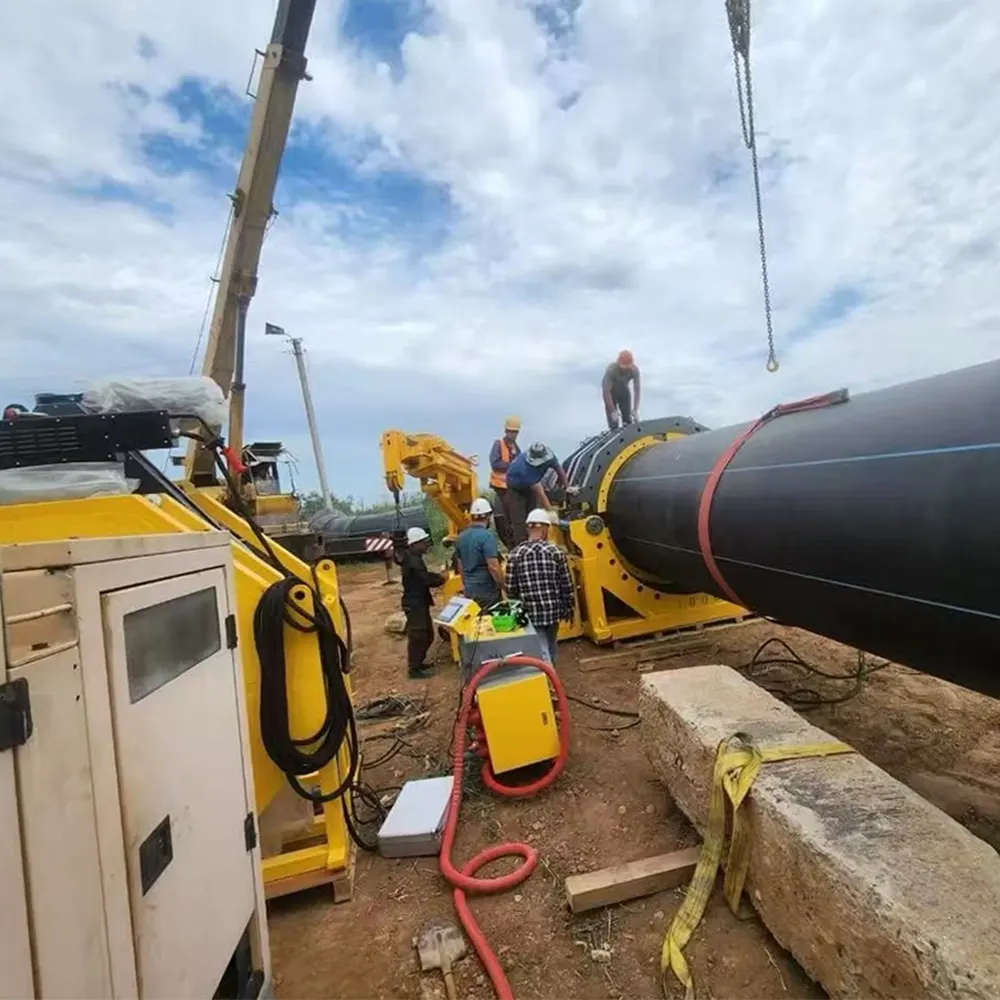
Training, Maintenance and Local Support
Successful projects depend on trained operators and timely maintenance. Provide operator training that covers fusion procedure, visual and destructive testing basics, and daily machine checks. Stock essential spare parts (heating plates, electro-mechanical components, seals) and plan preventive maintenance cycles to avoid downtime during rainy seasons or peak construction phases.
Logistics, Compliance and Procurement Notes for Yemen
Plan shipping and customs early — ports like Aden and Hodeidah are common entry points but check current clearance processes and local import requirements. Consider modular packaging to facilitate inland transport by truck. For large-scale projects, document welding records and machine calibration data to meet contractor and donor quality standards.
Sustainability and Long-Term Value
Investing in high-quality welding equipment reduces leak risks, repairs and service interruptions. In water-scarce regions of Yemen, reliable joints mean better resource protection and lower lifecycle costs — a strong argument for selecting machines with proven performance and available technical support.
About JQ-Fusion: a professional manufacturer specializing in HDPE pipe welding machines, providing reliable butt fusion solutions for infrastructure projects worldwide — including manual, hydraulic and CNC automatic systems covering small to large diameters.



