
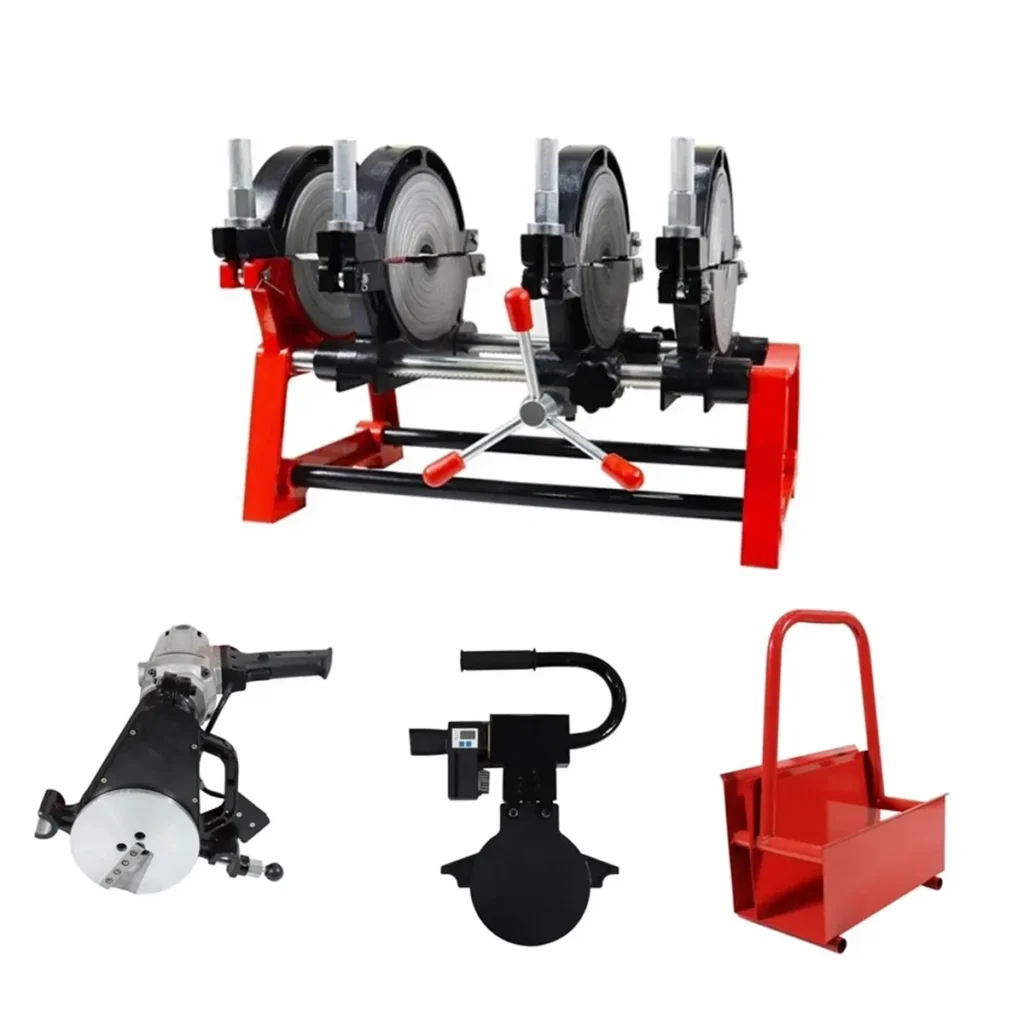
HDPE pipe welding is a critical part of modern infrastructure in Israel — from agricultural irrigation networks and municipal water distribution to natural gas pipelines and industrial installations. Choosing the right welding equipment improves project speed, ensures long-term leak-free joints, and reduces maintenance in arid and coastal environments where durability matters.
Reliable Butt Fusion Options for Israeli Projects
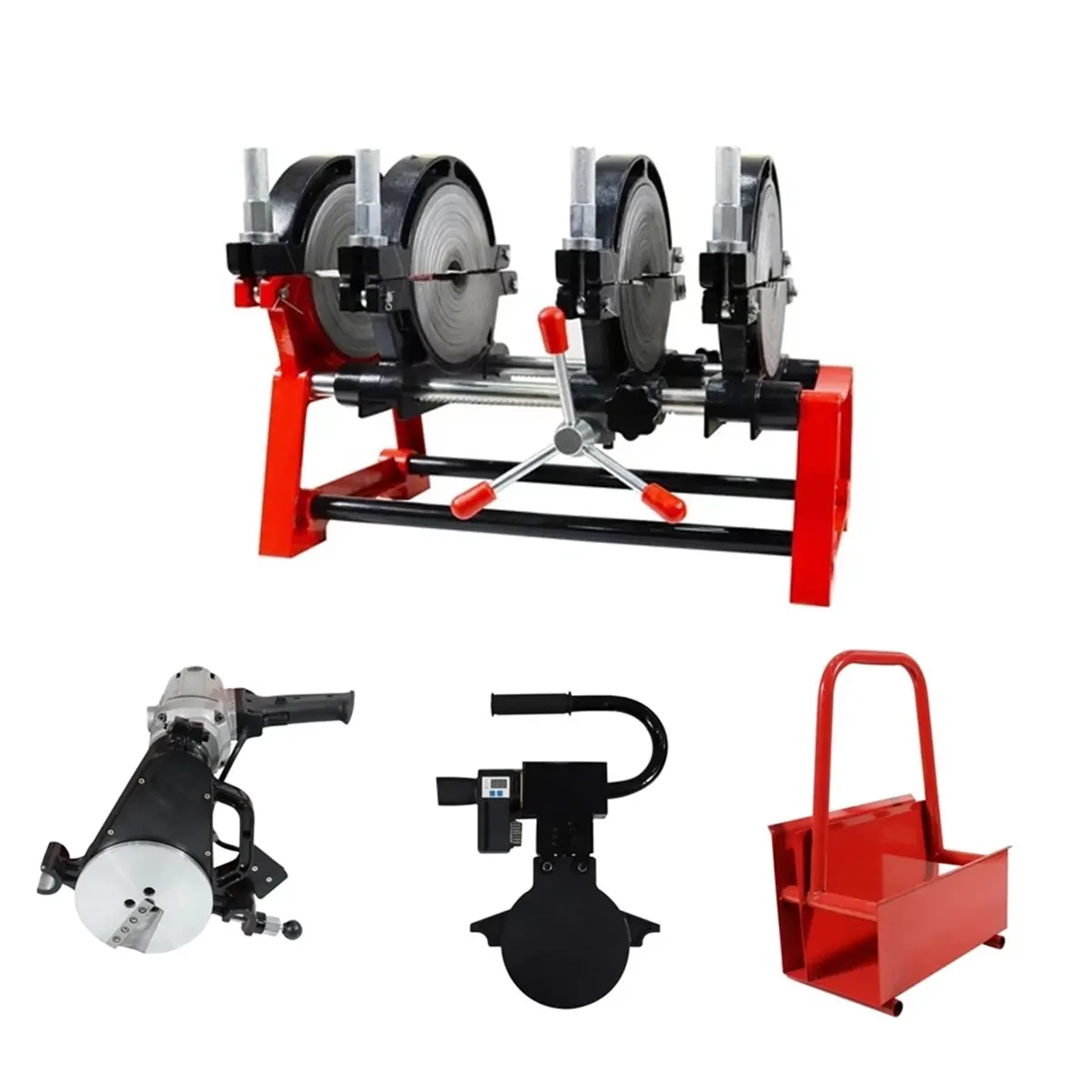
Contractors and pipeline engineers in Israel require machines that perform consistently under field conditions: high dust, variable temperatures, and often tight work windows. The right butt fusion equipment offers repeatable fusion cycles, precise heating control, and toughness against frequent transport and site use. For global infrastructure projects, JQ-Fusion manufactures a range of manual, hydraulic, and CNC automatic butt fusion machines that fit these needs.
Why HDPE Is the Preferred Choice in Israel
Corrosion resistance is a major advantage for coastal pipelines and reclaimed water systems. HDPE resists chemical attack and biological growth, making it ideal for desalination plant connections and treated effluent reuse. Its flexibility reduces the number of fittings needed across rolling terrain and seismic zones, while fusion-welded joints provide a continuous, leak-free system essential for water conservation and natural gas safety.
Selecting the Right Machine Type
Different projects call for different fusion methods. The table below summarizes common choices and where they fit best for Israel’s project mix — agriculture, municipal water, gas distribution, and industrial pipelines.
| Machine Type | Typical Pipe Range | Key Advantages |
|---|---|---|
| Manual Butt Fusion | 160–800mm | Portable, cost-effective for repairs and small lines |
| Hydraulic Butt Fusion | 200–1600mm+ | Stable clamping, ideal for medium to large diameter pipelines |
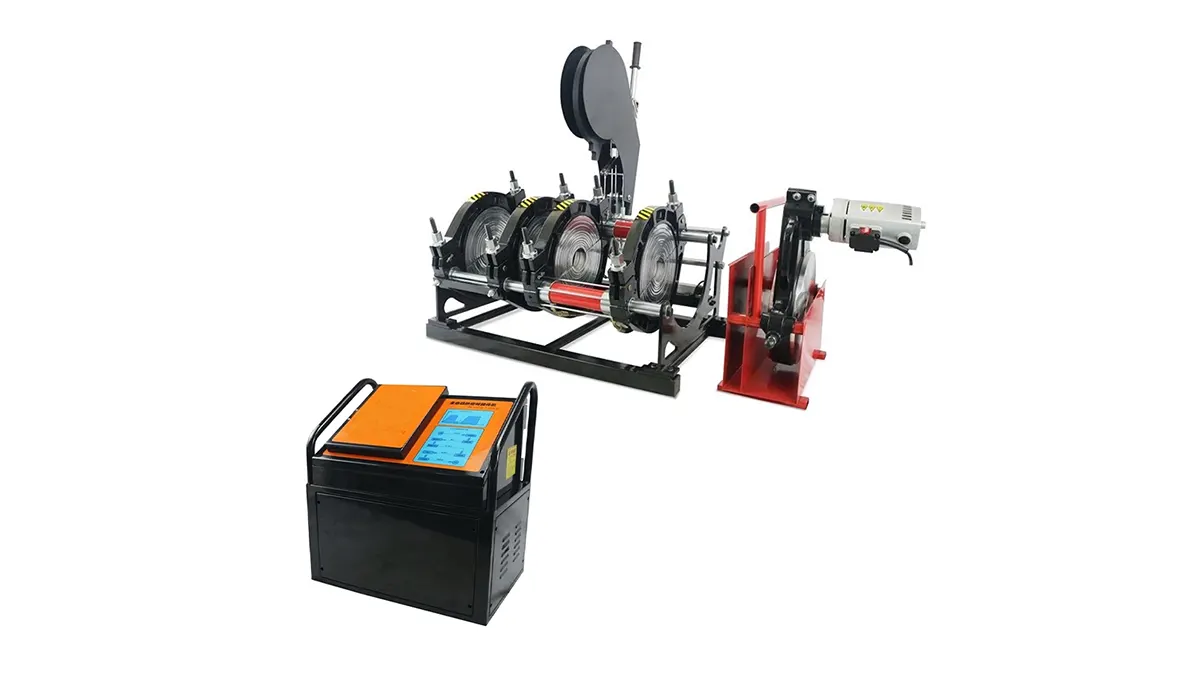
| CNC Automatic Fusion | 50–1000mm (varies by model) | High precision, data logging, great for long runs and regulated projects |
Key Features to Prioritize on Site
When evaluating welders for Israeli conditions, prioritize machines with: reliable temperature control and heaters, robust clamping and alignment systems, clear cycle indicators or digital controls, and easy-to-service hydraulic units. Portability and modular accessories are also important for agricultural or remote installations where access is limited.
Local Considerations: Climate and Compliance
Israel’s dry heat, Mediterranean humidity near the coast, and emphasis on water reuse mean that equipment must be durable and consistent. Ensure welding procedures align with project specifications and international fusion standards; documentation and traceable weld records are increasingly required by municipal and utility contracts.
Service, Training, and Spare Parts
Fast support and available spare parts reduce downtime. Look for suppliers who offer operator training, maintenance kits, and clear troubleshooting guides. For larger contractors, CNC systems with data export help meet QA/QC reporting requirements for public tenders.
Practical tip: for irrigation networks and reclaimed water systems, standardize on one family of machines to streamline training and spare parts across multiple sites.
For detailed specifications, machine comparisons, and project advice tailored to Israel’s infrastructure needs, visit the manufacturer’s site above to find models and documentation that match your pipeline program.



