
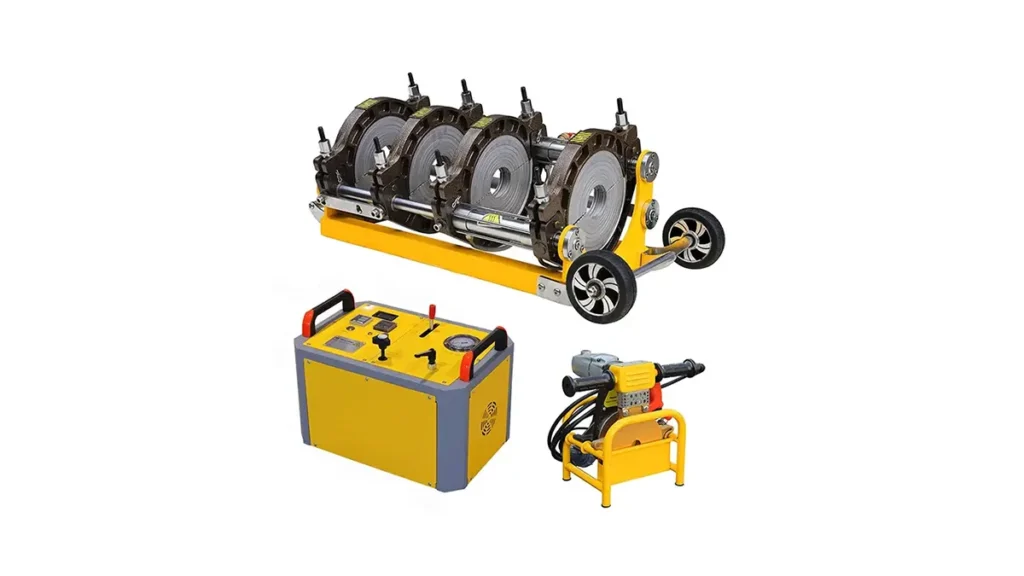
Finland’s infrastructure projects demand HDPE pipe welding equipment that performs reliably in cold climates, meets strict EU standards, and supports long-term network integrity. This guide explains why professional butt fusion welders are the preferred solution for Finnish utilities, contractors, and pipeline installers — and how to select machines that deliver consistent, certified joints for water, gas, and district heating systems.
Why Butt Fusion is Ideal for Finnish Pipelines
Butt fusion welding creates homogeneous, leak-free joints by heating and pressing pipe ends together. For Finnish conditions — where frost cycles, corrosion resistance, and environmental protection are priorities — butt fusion offers superior durability compared with mechanical fittings. Municipal waterworks, rural water cooperatives, and district heating contractors benefit from reduced maintenance and long service life.
Key Advantages for Nordic Projects
High integrity joints that resist freeze-thaw stress, precise control for PE100/PE80 materials commonly used in Finland, and portable options for remote sites are critical. Mobile teams working in Lapland or coastal regions can rely on compact manual and hydraulic units for on-site fusion, while automated CNC systems suit factory or large-scale installations.
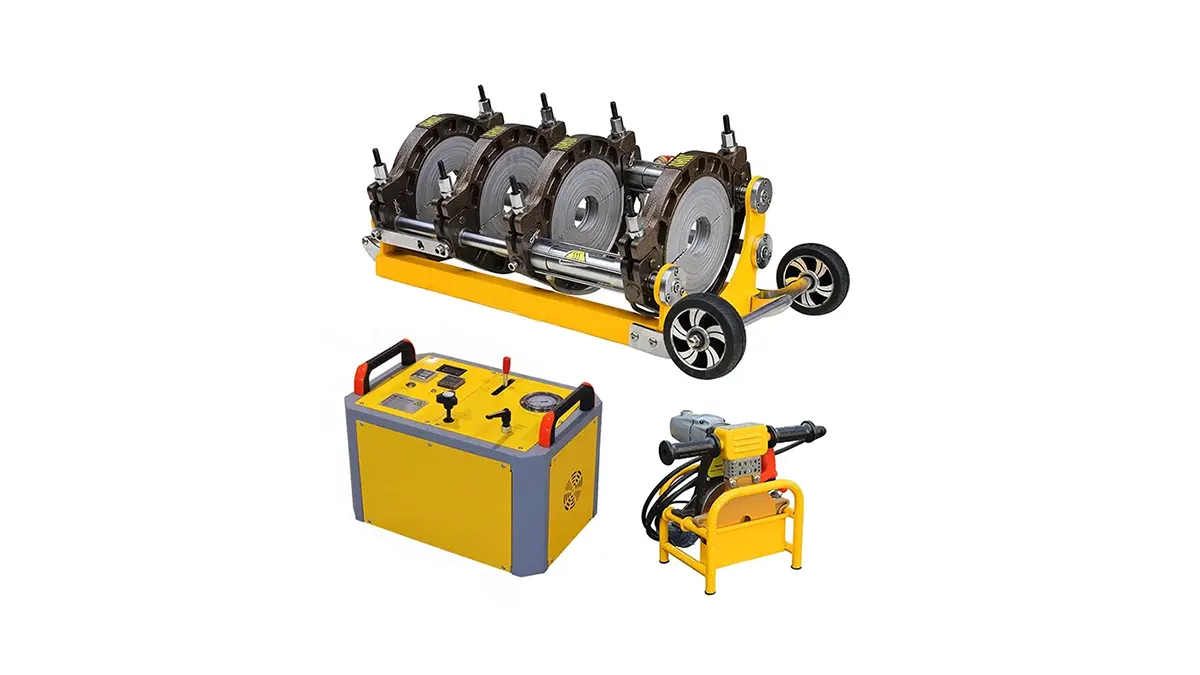
Machine Types & Typical Uses
Choosing between manual, hydraulic, and automatic butt fusion machines depends on project scale and site conditions. Manual units are cost-effective for small repairs and rural services. Hydraulic frames offer faster cycle times and greater clamping force for medium-to-large diameters. Fully automatic CNC welders deliver repeatable, data-logged welds for industrial and municipal contractors who need traceability.
Quick Comparison Table
| Model / Type | Pipe Range | Best For |
|---|---|---|
| Manual Butt Fusion | 16–160 mm | Small repairs, remote sites |
| Hydraulic Frame | 160–1000 mm | Municipal mains, trunk lines |
| Automatic / CNC | 63–2250 mm | Large-diameter, industrial projects |
Applications Across Finland
From city distribution networks in Helsinki to remote rural water systems and district heating expansions in Oulu and Tampere, HDPE welding supports a wide range of Finnish applications. The technology is favored for gas distribution, potable water lines, stormwater systems, and industrial utility pipelines where leak prevention and longevity are essential.
Certifications and Cold-Climate Performance
Look for machines that support certified welding procedures and data logging to comply with EU norms and local utility standards. Equipment tuned for low-temperature operation — with preheating options and reliable hydraulic systems — ensures proper fusion even in sub-zero conditions common during Finnish winters.
Service, Training, and Spare Parts
For contractors and public works departments, access to training, on-site commissioning, and spare parts reduces downtime. Ensure suppliers provide clear maintenance guidance and quick technical support to match Finland’s demanding project timelines and remote site logistics.
How to Choose the Right Welder
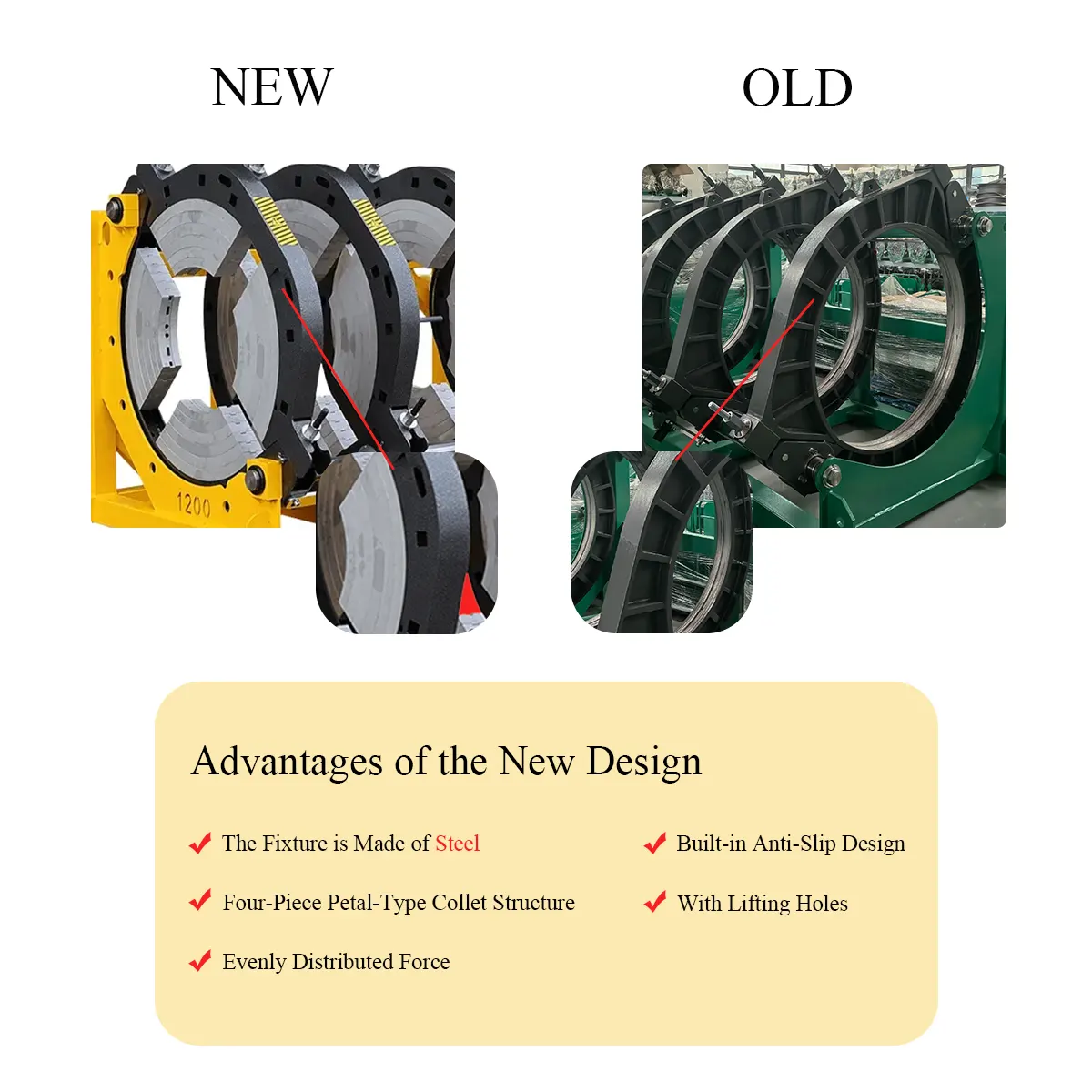
Assess project pipe diameters, expected daily weld quantity, site mobility needs, and certification requirements. For long-term municipal assets, prioritize automatic machines with weld data output. For seasonal repairs and smaller pipelines, select portable hydraulic or manual units that balance cost with performance.
Local Considerations
Finnish contractors often value robust build quality, cold-weather reliability, and low lifecycle costs. Choose welders with corrosion-resistant components and easy-to-service hydraulic systems to cope with coastal humidity and road salt exposure in winter.
About JQ-Fusion: a professional manufacturer specializing in HDPE butt fusion machines — manual, hydraulic, and automatic — offering solutions for water supply, gas distribution, mining, and industrial pipeline systems worldwide.



