
Cambodia’s rapidly growing infrastructure sector—from urban water networks in Phnom Penh to rural irrigation and new industrial parks—needs reliable HDPE pipe welding solutions. Professional pipe welders designed for local conditions improve installation speed, joint strength, and long-term system performance.
Why Choose the Right HDPE Pipe Welder for Cambodian Projects
Selecting an appropriate welding machine affects project timelines, labor costs, and the lifecycle of pipelines used for water supply, gas distribution, and agricultural irrigation. Contractors and municipal engineers in Cambodia demand equipment that performs reliably in high humidity, variable site access, and sometimes remote locations. The right machines also lower rework rates and ensure compliance with international fusion standards.
Common Welding Types: Match Methods to Job Sites
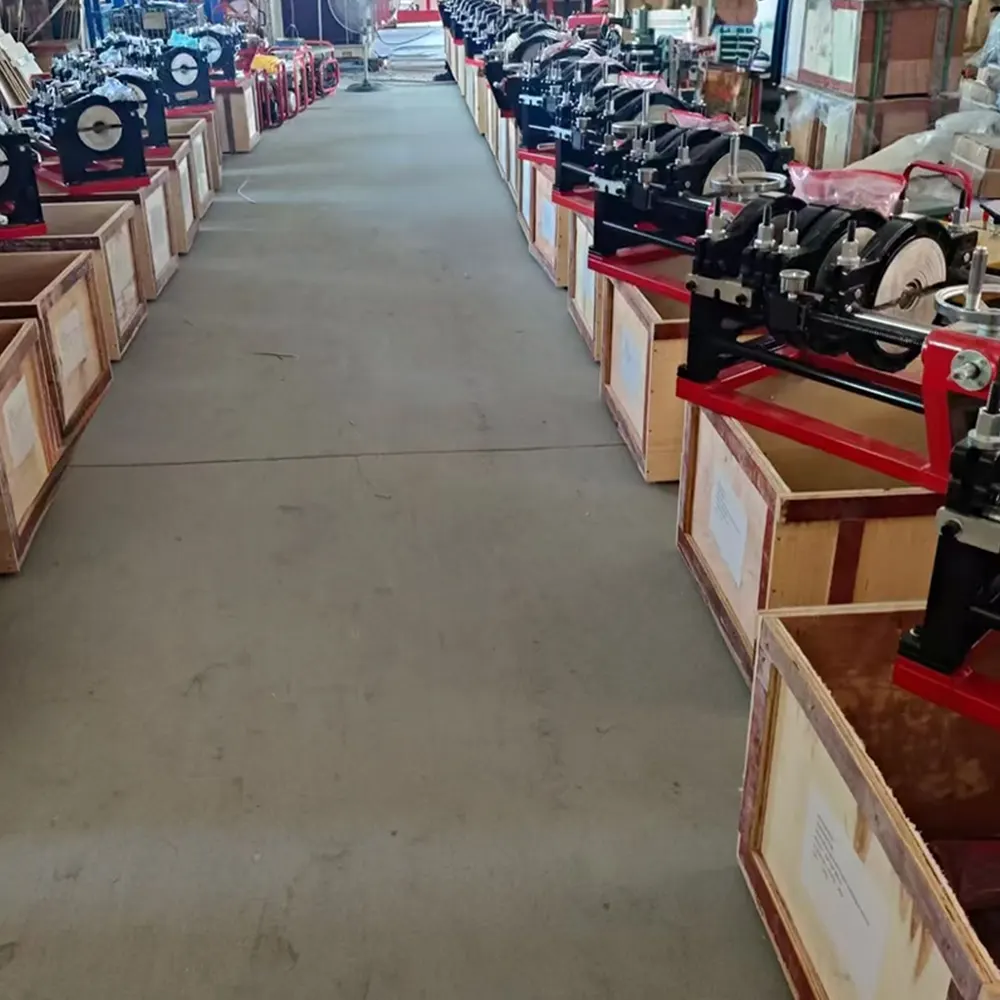
Butt fusion is the most widely used method for joining HDPE pipes in large-diameter mains and trunk lines. For trenchless and confined-space work, electrofusion can be the right choice for fittings and small-diameter connections. In Cambodia, projects often combine both techniques: butt fusion for backbone pipes and electrofusion for service connections.
Key Local Considerations
Construction teams in Cambodia should prioritize portability, ease of maintenance, and weather-resistant controls. Training availability and clear documentation in English (and translated materials where needed) help local crews adopt best practices faster, reducing joint failures and increasing throughput on tight schedules.
Comparing HDPE Pipe Welders — Quick Selection Guide
| Machine Type | Pipe Range | Operation Mode | Ideal For |
|---|---|---|---|
| Manual Butt Fusion | 20–630mm | Portable, hand-operated | Rural water lines, small crews |
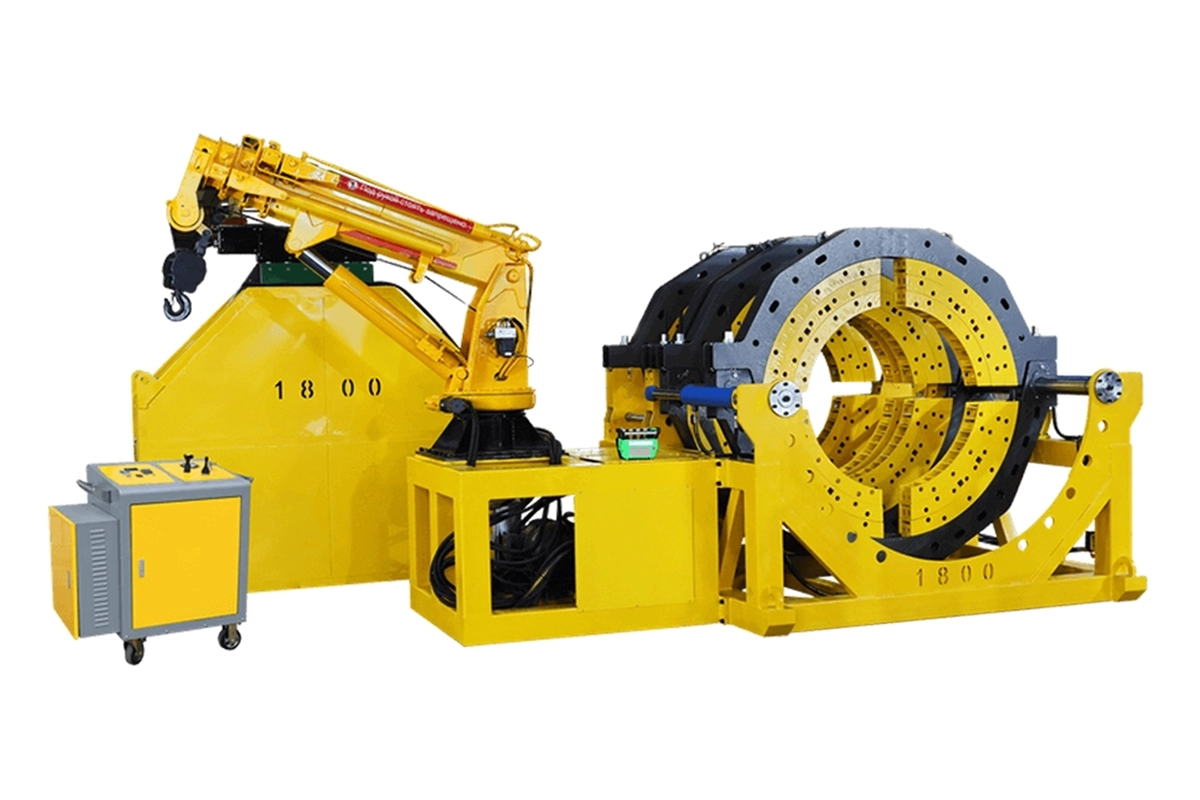
| Hydraulic Butt Fusion | 90–2000mm | Hydraulic power for large diameters | Major distribution mains, industrial parks |
| CNC / Automatic Butt Fusion | 160–2000mm+ | Automated heating and timing | High-volume, precision-demand projects |
| Electrofusion Machines | 20–630mm fittings | Controlled current welding | Service connections, repair work |
Durability and After-Sales Support for Cambodian Conditions
Equipment used in Cambodia must resist corrosion and perform under frequent rainfall and high humidity. Look for sealed control units, easy-to-source spare parts, and responsive technical support. Local training sessions for operators and supervisors reduce errors and extend service life.
Operational Best Practices
Follow standardized fusion procedures: cleansing and alignment, facing/trimming, heating with calibrated plates, and controlled cooling time. Use quality HDPE materials and implement quality control checks at each fusion stage. For projects in Cambodian provinces, plan logistics so machines and consumables arrive ahead of wet seasons to avoid delays.
Training & Certification
Invest in operator training and certification to meet international fusion standards. Trained technicians reduce joint defects, increase welding speed, and help meet government and donor requirements for water and sanitation programs across Cambodia.
About the Manufacturer
JQ-Fusion (https://jq-fusionwelding.com/) manufactures a full line of HDPE pipe welding machines—manual, hydraulic and CNC automatic models—designed for global and Southeast Asian infrastructure projects.
Next Steps for Cambodian Contractors
Assess project scale, available crew skills, and pipe diameters before choosing equipment. For pilot projects, start with portable manual machines and scale to hydraulic or automatic systems for larger mains. Prioritize vendors who provide training, spare parts, and clear fusion procedures to ensure long-term success on Cambodia’s pipeline projects.



