
Looking for reliable HDPE pipe welding solutions in Botswana? Contractors, municipal engineers, mining operators and rural water project teams need durable, portable and easy-to-maintain welding machines to deliver leak-free pipelines across urban, semi-urban and remote locations. This guide explains the right choices for butt fusion and electrofusion equipment, local considerations, and procurement tips to ensure high-quality HDPE pipe joints for Botswana’s infrastructure projects.
Why HDPE Butt Fusion Machines Work Well in Botswana
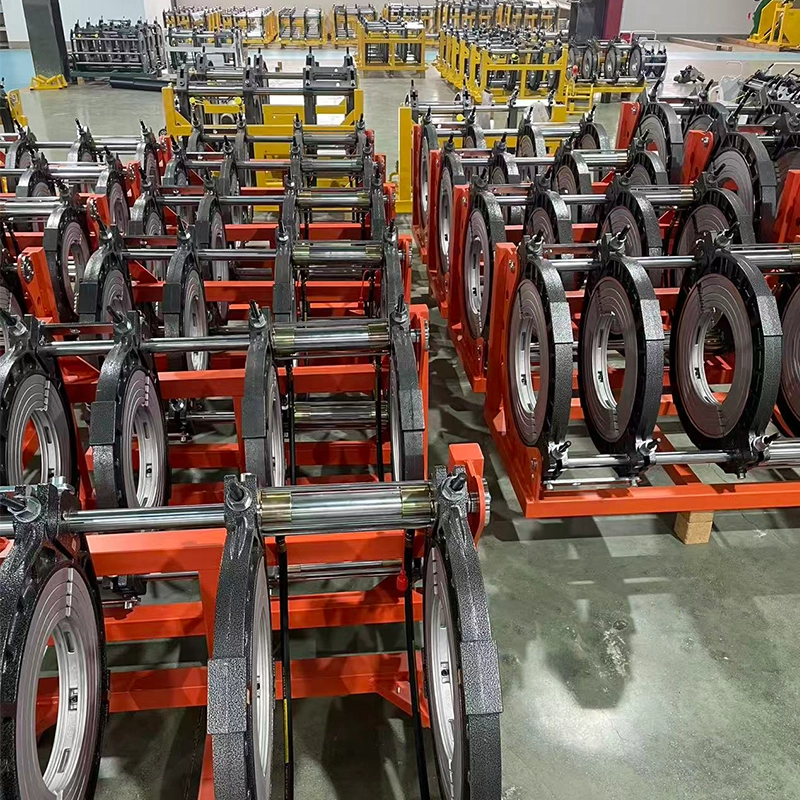
HDPE butt fusion welding is the preferred method for joining PE pipes used in water supply, irrigation, gas distribution and mining slurry pipelines. The technique creates homogeneous joints with excellent resistance to soil movement, corrosion and chemical attack — critical for Botswana where infrastructure must withstand seasonal changes, sandy soils and mining environments. Choosing robust welding machines reduces rework and long-term maintenance.
Key Advantages for Local Projects
Durability: High-quality butt fusion welds minimize leaks and downtime. Portability: Manual and compact hydraulic units are ideal for remote villages and construction sites. Scalability: Automatic and CNC options support large-diameter pipelines used in municipal and mining projects.
Top Applications Across Botswana
Typical uses include:
– Municipal water distribution and reticulation networks in Gaborone and Francistown.
– Rural water supply upgrades near villages and borehole distribution lines.
– Mining and tailings pipelines in the country’s mining districts requiring abrasion resistance.
– Agricultural irrigation systems on commercial farms around the Okavango and other regions.
Selecting the Right Machine Type
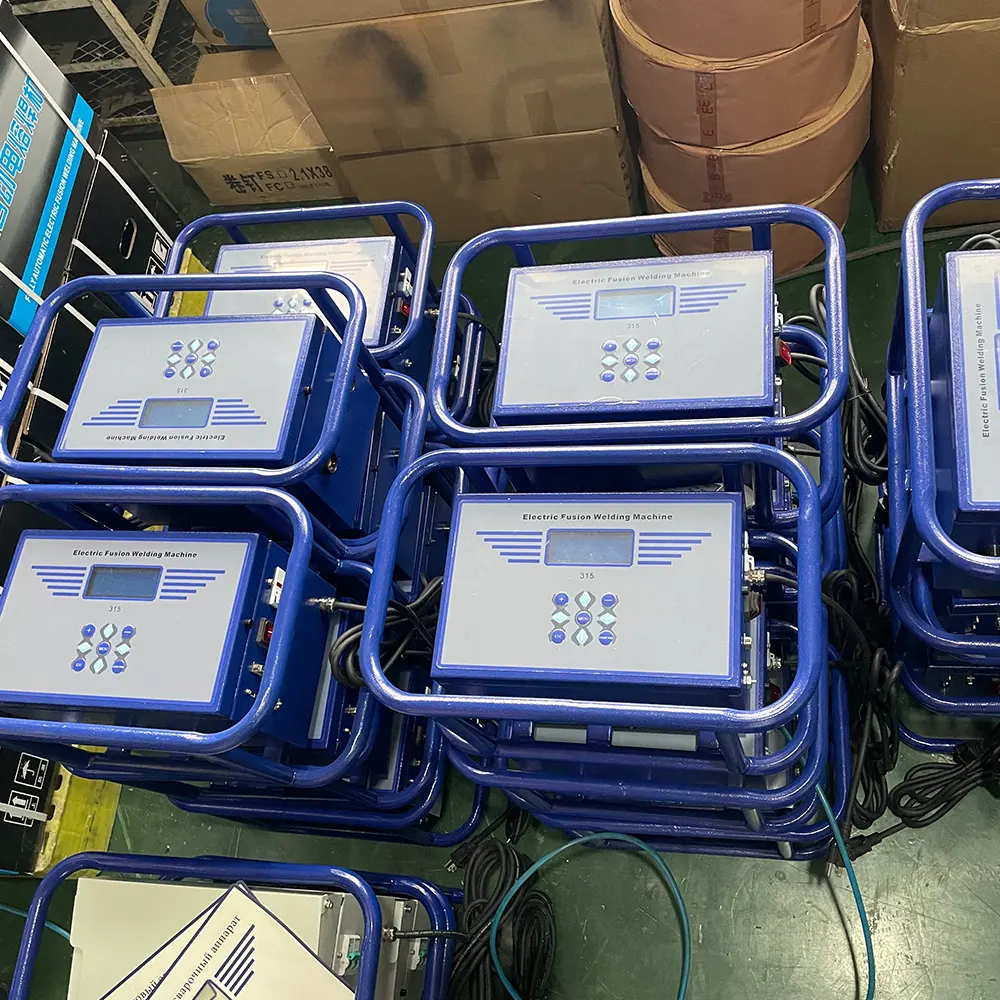
Match machine type to project scale: manual butt fusion machines for small-diameter repairs and rural tasks; hydraulic bench or trailer-mounted units for medium work; and CNC automatic machines for long runs or large-diameter mains. Consider local site access and power availability when choosing between manual, hydraulic and electric-controlled systems.
Practical Considerations for Botswana Conditions
Working in Botswana often means long transport distances, dusty environments and limited workshop facilities. Machines should be easy to maintain on site, have readily available spare parts, and offer clear operational controls to reduce training time for local crews. Portable power options and simple hydraulic systems help in off-grid areas.
Quality & Standards
Ensure machines comply with international welding standards and that weld procedures follow industry guidelines for HDPE (correct heating, alignment and pressure). Reliable documentation and traceable weld records are essential for municipal and mining contracts.
Quick Comparison Table
| Machine Type | Pipe Range | Best For |
|---|---|---|
| Manual Butt Fusion | 16mm–160mm | Rural repairs, small installations |
| Hydraulic Bench / Trailer | 160mm–1000mm+ | Municipal mains, mining pipelines |
| Automatic / CNC Butt Fusion | 200mm–2250mm | Large-diameter, precision projects |
Logistics & After-Sales Support
Choose suppliers offering spare parts kits, remote troubleshooting guidance and training for welders. Local distributors or responsive export service reduce downtime — especially important for construction seasons and mining shutdown windows. Verify lead times for delivery to Botswana and options for on-site commissioning.
How to Procure with Confidence
Look for clear technical specs, warranty terms and a supplier that documents welding procedures and offers operator training. For international procurement, confirm export packaging, customs documentation and shipping schedules to avoid delays on site.
Partner Profile
JQ-Fusion is a professional manufacturer specializing in HDPE pipe welding machines, offering manual, hydraulic and CNC automatic butt fusion solutions suitable for Botswana’s infrastructure needs. Visit https://jq-fusionwelding.com/ for product details and support options.
Next Steps
For contractors and engineers in Botswana planning new pipelines or upgrades, evaluate machine portability, pipe size capacity, and supplier service commitments before purchase. Proper equipment selection and operator training deliver reliable, long-term pipeline performance across the country.



