
Serbia’s growing investments in water infrastructure, gas distribution, and industrial pipelines demand reliable HDPE welding solutions. For contractors, municipalities, and engineering firms across Belgrade, Novi Sad, Niš and the Vojvodina plains, choosing the right butt fusion equipment ensures long-lasting joints that withstand seasonal temperature swings and rugged terrain.
Why HDPE Welding Matters for Serbian Projects
HDPE pipe systems are increasingly specified for potable water, irrigation, sewer rehabilitation and gas networks in Serbia because of their corrosion resistance, flexibility and low lifecycle cost. Proper butt fusion welding delivers homogenous, leak-free joints that meet stringent project requirements and reduce long-term maintenance on regional networks.
Equipment Options for Local Conditions
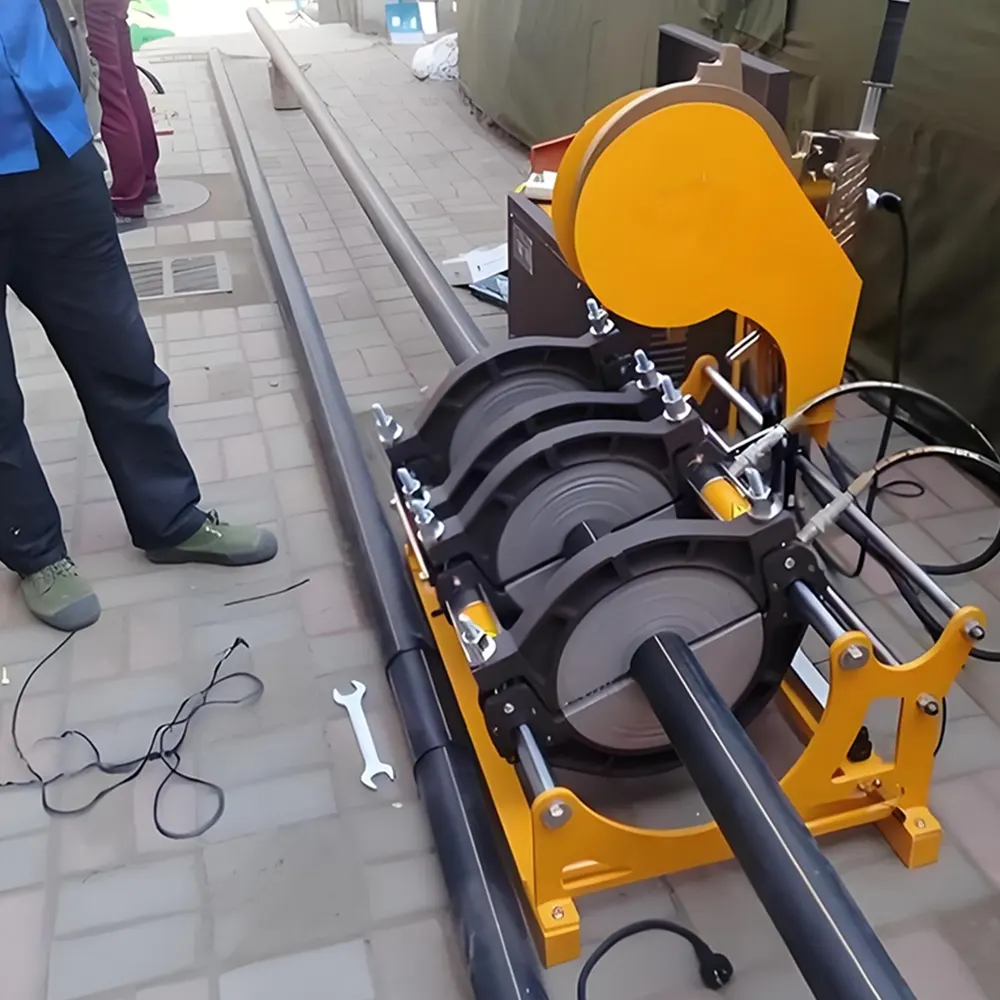
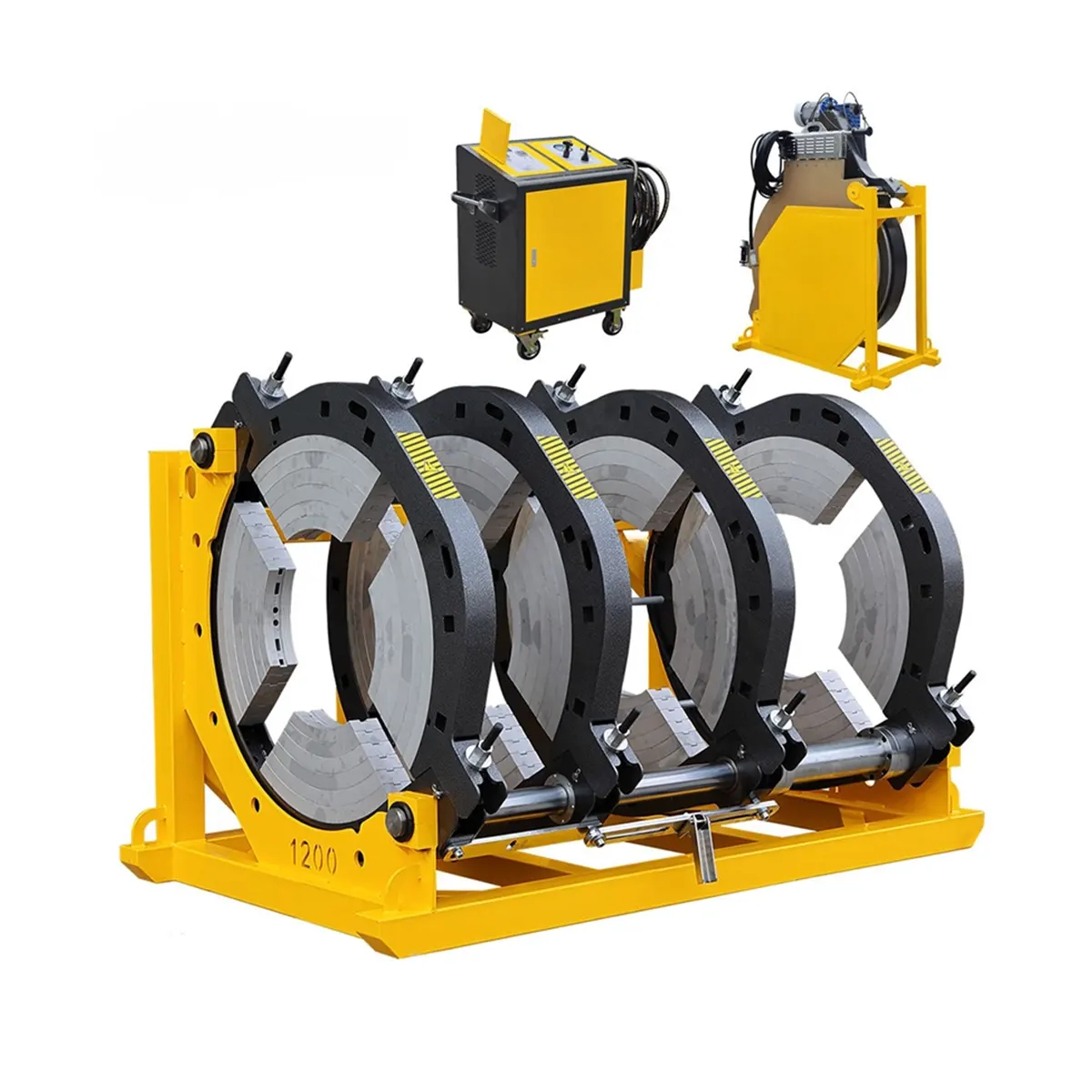
Selecting between manual, hydraulic and automatic butt fusion machines depends on pipe diameter, site accessibility and crew skill level. Compact manual units suit rural irrigation and small service repairs, while hydraulic and CNC automatic machines deliver precision for large-diameter municipal or industrial trunk lines. Mobile, robust machines are essential for Serbia’s mix of urban upgrades and remote worksites.
Typical Applications Across Serbia
From river crossing water mains to long-distance gas distribution and mining tailings pipelines, HDPE welding is suitable for projects that require flexibility, chemical resistance and joint integrity. Contractors tackling rehabilitation of older metal networks or new-build potable water systems benefit from consistent butt fusion quality.
| Machine Type | Typical Pipe Range | Best For |
|---|---|---|
| Manual Butt Fusion | 16mm – 160mm | Service repairs, irrigation, small networks |
| Hydraulic Butt Fusion | 160mm – 1200mm+ | Municipal mains, industrial trunk lines |
| Automatic / CNC Systems | 20mm – 2250mm | High-volume projects, precision welding, record-keeping |
Key Benefits for Serbian Contractors
Consistent joint strength, reduced downtime and easy integration into both new-build and rehabilitation workflows make butt fusion an efficient choice. For areas prone to freeze-thaw cycles, HDPE joints accommodate ground movement better than rigid connections. On-site training and clear process controls also help local crews meet project timelines and quality standards.
Compliance, Training and After-Sales Support
Serbian projects frequently follow European technical standards and best practices for polyethylene pipeline installation. Choosing equipment with clear calibration records and available training helps satisfy municipal engineers and EPC contractors. Local teams benefit from supplier-led commissioning, on-site troubleshooting and spare parts strategies that minimize idle time.
How to Choose the Right Welder for Your Project
Assess pipe diameter, project scale, access constraints and the experience level of welding crews. For long runs and high throughput, consider automatic machines with data logging. For small-scale local repairs, a reliable manual or compact hydraulic unit will offer cost-effective performance. Factor in transport, maintenance access and warranty coverage when evaluating total cost of ownership.
For tailored butt fusion solutions and technical support for Serbian infrastructure projects, contact JQ-Fusion through the official website to discuss machine selection, customization and training.



